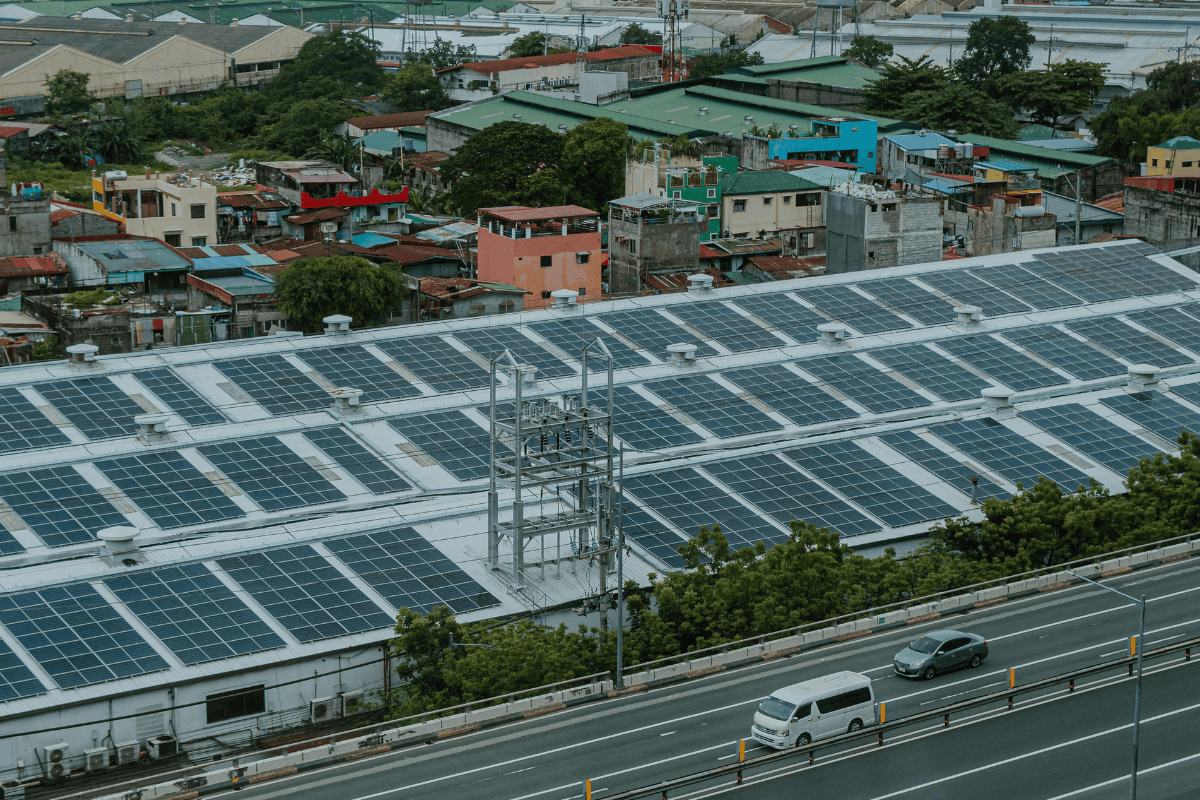
The clean energy transition in Southeast Asia has reached a critical inflection point. Viet Nam, the Philippines, and Indonesia – accounting for nearly 60% of ASEAN’s power demand and emissions – are rapidly transforming from coal-reliant, emissions-intensive economies into emerging hotspots for renewable investment. Robust policy frameworks, market reforms and targeted incentives are now setting the stage for these nations to anchor ASEAN’s clean energy future.
By 2030, Viet Nam, the Philippines and Indonesia each aim for renewables accounting for over half of their installed capacity – among the boldest commitments in ASEAN. Viet Nam has set a target of 73 gigawatts (GW) of solar, the Philippines 14 GW, and Indonesia 13 GW. However, turning this ambition into actionable progress hinges on overcoming persistent bottlenecks and creating a stable, investment-friendly environment.
The momentum is in the right direction. In 2024 alone, this trio attracted $4.6 billion in clean energy investment, a $1.1 increase from last year’s. But even more robust policy frameworks and decisive reforms can derisk and attract private long-term investment.
Viet Nam’s move to enable direct power purchase agreements could double its renewable electricity share, offering producers and buyers a clear path to cleaner power and carving out new revenue streams. The electricity market is gradually being liberalised, with policies that invite private and foreign participation and open opportunities for blended finance models.
Similarly, the Philippines continues to champion market openness. It has removed foreign ownership restrictions in the renewable sector and introduced competitive mechanisms for energy procurement, such as the Green Energy Auction, which integrates storage solutions and streamlines project delivery through digital permitting platforms.
Indonesia, in turn, is advancing regulatory frameworks with risk-sharing provisions in power purchase agreements, new ownership models, and policies that give value to carbon credits and other environmental attributes. This signals an emerging recognition that policy innovation and regulatory clarity are fundamentally necessary if Indonesia is to unlock its abundant solar and wind potential and maintain momentum in foreign investment.