Electric vehicles are not travelling as far as their manufacturers promise, with independent road tests showing all models analysed have failed to meet their advertised range.
One popular small car produced the worst EV result to date in the latest tests, pulling up more than 120km short of the distance printed on its sticker. At the other end of the scale, Tesla’s latest Model Y SUV was only a few kilometres short of its claim.
The Australian Automobile Association released the findings on Thursday with another four electric car road trials held as part of its $14m Real-World Testing Program.
Sign up: AU Breaking News email
The results add to a previous round of electric vehicle examinations, in which all five models failed to meet their promised range, and after tests of 131 internal combustion and hybrid vehicles found that 76% consumed more fuel than advertised.
The association tests vehicles on a 93km track in and around Geelong, Victoria, on urban and rural roads, as well as motorways.
US car maker Tesla emerged with the best result from all electric car tests to date. Its Model Y SUV fell 16km short of its claimed range of 466km on a single charge.
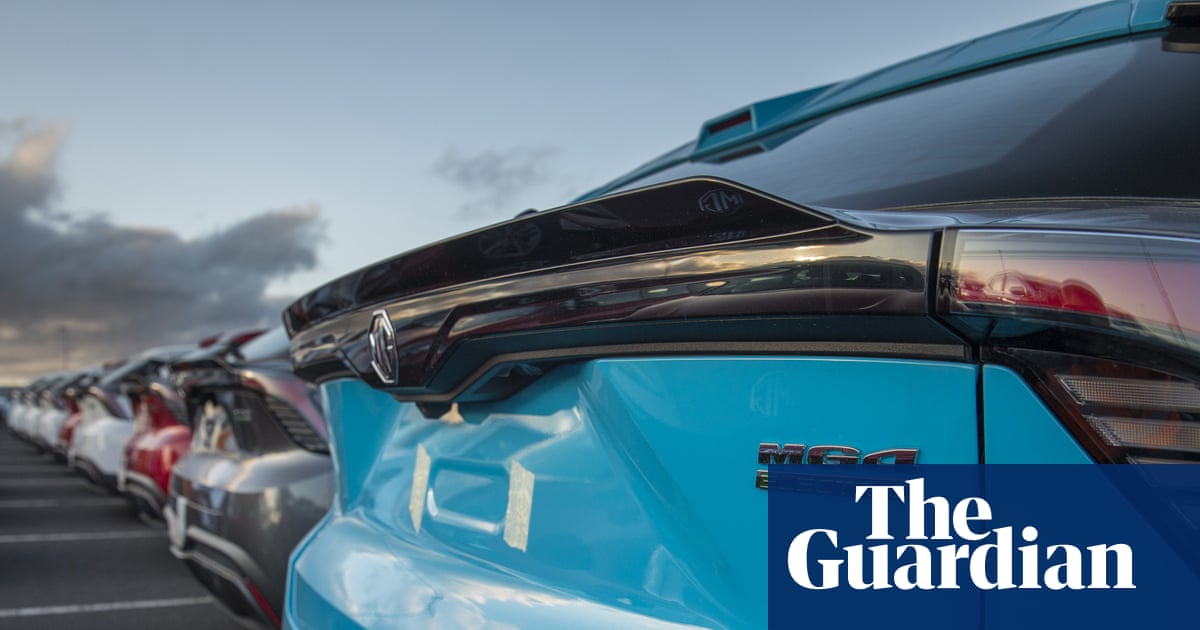
By contrast, the MG4 electric hatchback produced the worst result so far, missing its 405km goal by 124km – a shortfall of 31%.
The Kia EV3 missed its mark by 11% or 67km, and the Smart #1 electric car stopped short by 13% or 53km.
Comparing the real-world range of electric cars to their laboratory results would be vital for motorists, association managing director Michael Bradley said, as it would help them reach decisions and set expectations.
“These results give consumers an independent indication of real-world battery range, which means they now know which cars perform as advertised and which do not,” he said.
after newsletter promotion
“Giving consumers improved information about real-world driving range means buyers can worry less about running out of charge and make the switch to EVs with confidence.”
The association’s vehicle-testing program, funded by the federal government and launched in 2023, has tested 140 vehicles out of a target of 200, and has found most consume more energy or fuel than promised.
The Australian testing program was introduced following a 2015 Volkswagen scandal in which the European automaker was discovered using software to alter vehicle emissions during laboratory tests.