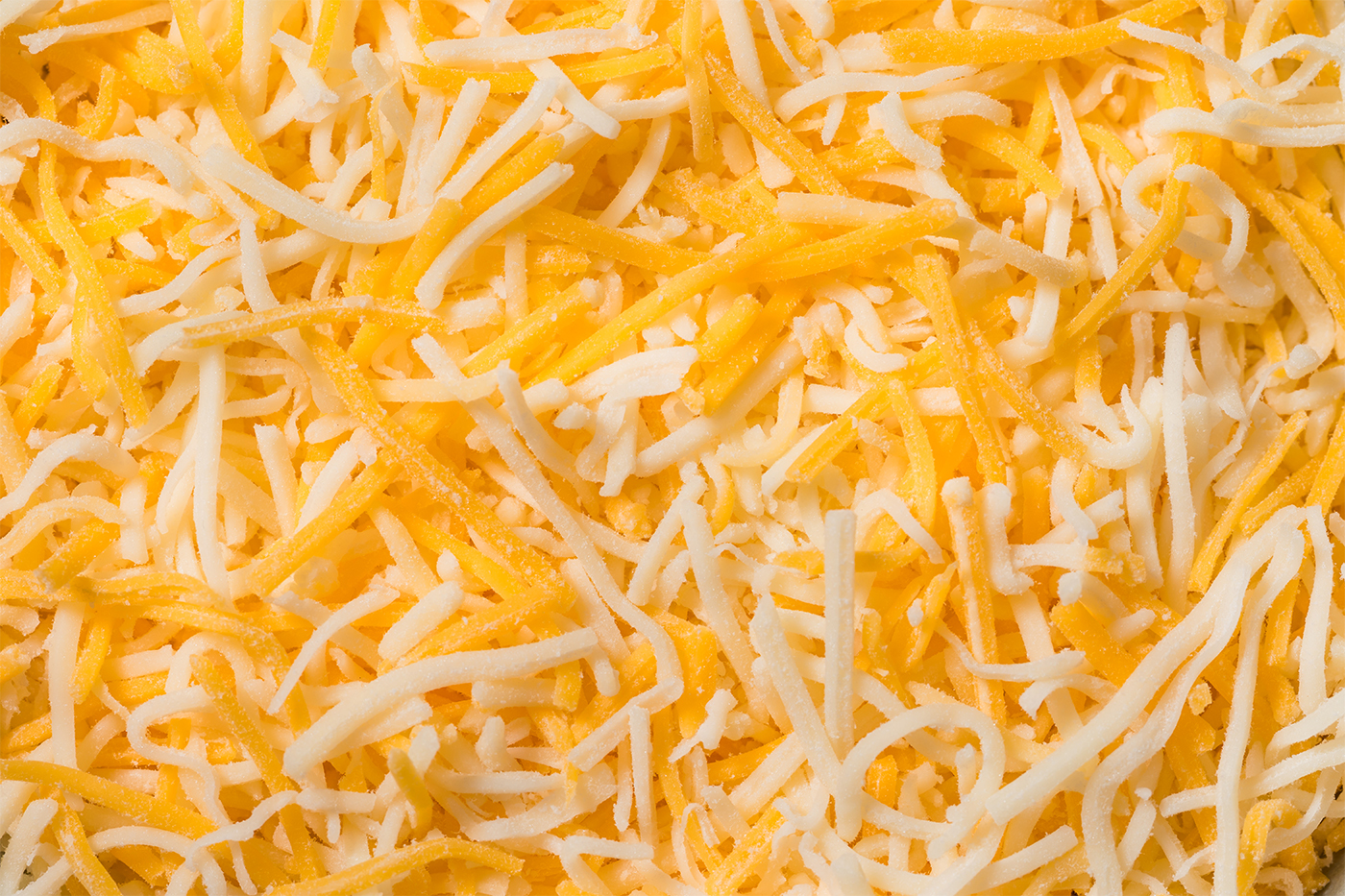
More than 250,000 cases of shredded cheese distributed across 31 states and Puerto Rico are the subject of a voluntary recall due to possible contamination with metal fragments, according to the U.S. Food and Drug Administration.
The recall by Great Lakes Cheese Co. affects more than 1 million bags of shredded cheese, including mozzarella and parmesan blends. The recall includes Happy Farms by Aldi and Publix Italian Six Cheese Blend.
A complete list of products, UPC codes, batch numbers, sell-by dates and states affected are available on the FDA website.
In a question-and-answer interview with Northeastern Global News, Northeastern University professor and food safety policy expert Darin Detwiler explained why the recall affected so many different products and how metal contamination can harm consumers.
How is it possible for food products to become contaminated with metal fragments?
Food is produced with a lot of moving parts. In a cheese plant, stainless steel equipment shreds, conveys and packages the cheese. If a blade wears down, a bolt loosens or a part breaks, tiny metal pieces can enter the product stream.
Any food run through mechanical equipment can be exposed to metal fragments from a worn or broken part. That includes cereal, frozen vegetables, ground meats, baked goods, candy and other commercially processed, produced and packaged ready-to-eat foods or meals.
Plants use metal detectors, X-ray machines and magnets to catch these fragments. But no system is perfect, which is why when a piece is found, companies often pull entire lots out of caution.
What is the danger to consumers of exposure to metal fragments?
The FDA gave this a Class II recall, meaning the chance of severe harm is considered remote but there is still a risk of temporary or reversible injury.
Possible effects include scratches or cuts in the mouth; chipped teeth; cuts to the throat or digestive tract and abdominal pain or, in rare cases, internal bleeding.
Larger or sharper fragments can cause real harm. The advice is simple: Don’t eat it. Toss it or return it.
Why did this one recall affect dozens of shredded cheese products?
Many store brands come from the same handful of large manufacturing plants.
A single cheese processor may produce dozens of “private label” cheeses. Think of it like one bakery making cookies for many different grocery stores. Same cookie, different labels.
So if one production line has an issue, every brand that used that line during that window is included in the recall.
Great Lakes Cheese Co. is one of the biggest cheese manufacturers in the country, which explains why the impact stretches across 31 states and many retail chains.
Just two years ago, in August 2023, Great Lakes Cheese Co. recalled 7,218,700 pounds of cheese due to incorrect refrigeration instructions on the packaging.
And last year, in May 2024, Schreiber Foods recalled over 830,000 units of cream cheese spreads because of potential salmonella contamination.
Why are the recalls considered voluntary?
Under U.S. law, most food recalls are voluntary, but this does not mean they are optional.
The FDA typically requests or strongly advises a recall, and companies nearly always comply.
Typically, the FDA identifies an issue such as contamination, mislabeling or undeclared allergens, provides evidence to the firm and strongly advises a recall.
The firm is required to perform all corrective actions and report progress to the FDA.
Companies almost always comply because this protects consumers as well as protecting the company from greater liability by showing regulators they are acting responsibly. This also helps with their insurance companies if they are sued by a customer.
The system is called voluntary, but there is nothing casual about it. This is a coordinated public health action.
If a company refused, the FED could escalate with public warnings, detentions and seizure of the product. In rare cases, it could use its authority to mandate a recall.
The real measure of food safety is not the absence of recalls. It is how quickly and transparently companies act when something goes wrong.