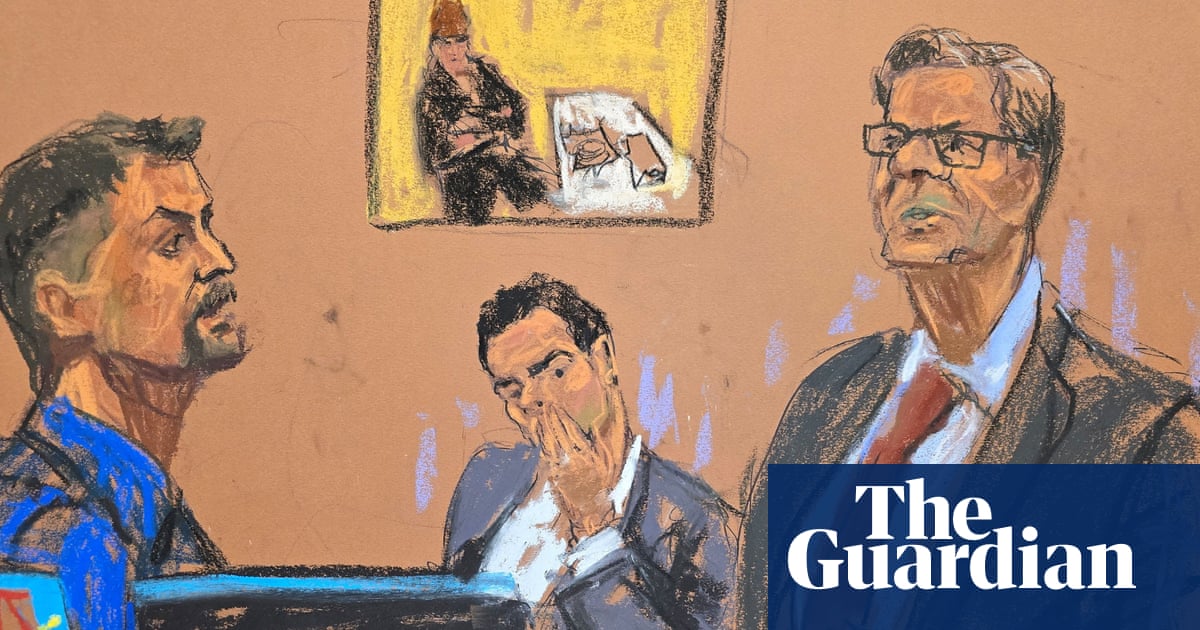
An audio recording of a 911 call that led to Luigi Mangione’s arrest has been made public after the press advocated for its release.
The audio recording was played in Manhattan state court this week during a proceeding about evidence gathered during Mangione’s arrest over the murder of senior United HealthCare executive Brian Thompson a year ago. Mangione was arrested at a McDonald’s in Altoona, Pennsylvania in December last year after the restaurant’s manager called 911.
“I have a customer here that some other customers were suspicious of, that he looks like the CEO shooter from New York,” the manager could be heard saying in audio of the call that was played in court on Monday.“They’re just really upset and they’re like coming to me, and I was like, ‘Well, I can’t approach him.’”
She told the 911 operator that the man who drew suspicion was wearing a black jacket, medical mask, and a khaki-colored beanie.
“He has his beanie pulled down, so the only thing you can see is his eyebrows,” the manager said when pressed on more details about his description. The manager told the operator that she “tried to Google it” in an effort “to calm them down a little bit, and I’m like, ‘Guys, it’s kind of hard to tell with his eyes and his eyebrows … ”
The 911 call played a pivotal role in police interdicting Mangione, who is facing state and federal charges in Thompson’s murder. Mangione has pleaded not guilty to all counts.
Joseph Detwiler, the Altoona police officer who first approached Mangione and arrested him, testified on Tuesday that he knew who the manager referred to in her 911 call, on account of the mask.
“We don’t wear masks,” Detwiler said when asked about mask culture in Altoona. “We have antibodies.”
As “no one wears masks” in Altoona, Detwiler said, it was clear that the man spurred suspicion.
“He had a mask on,” Detwiler also said. “So he had to be the person we were called there for.”
This release of evidence marked a shift from Tuesday, when Judge Gregory Carro sided with Mangione’s defense in sealing materials until the trial. A reporter was ejected from the courtroom after she stood, requesting to be heard on sealing.
Members of the press in New York routinely stand and request to be heard in state and federal courts. Legal precedent makes clear that journalists have the right to be heard on access matters.
One New York state court decision, for example, states: “The court must adhere strictly to the procedures set forth in the controlling case law including affording a full opportunity by any interested members of the press to be heard, and making specific findings to support its determination without revealing the subject or issue, before closing the courtroom or sealing exhibits.”
At least one member of the press, Matthew Lee, of Inner City Press, wrote to Carro requesting that exhibits be unsealed. In announcing that some documents would be unsealed on Thursday, Carro reportedly said: “For those of you who are interested … a number of the exhibits will be made available on the DA’s Dropbox shortly.”
Carro did not make any mention of the journalist’s ejection from court, according to Molly Crane-Newman of the New York Daily News. The evidence released does not include everything that was played in court.