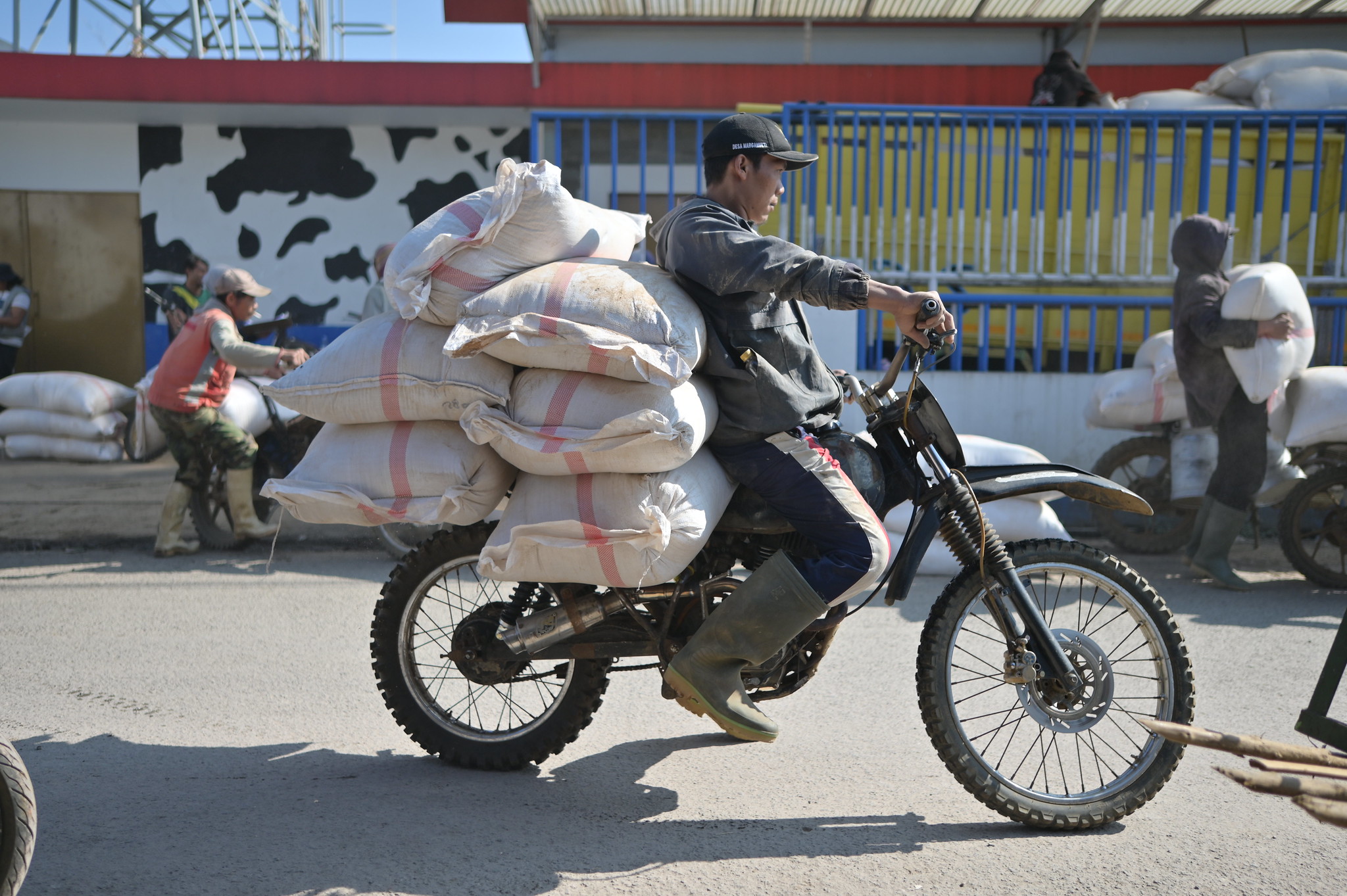
JAKARTA, Indonesia (Press release) – The International Labour Organization (ILO) reaffirmed its commitment to strengthening financial inclusion in Indonesia to bolster economic resilience and support the transformation of micro, small, and medium-sized enterprises (MSMEs), particularly micro and small entrepreneurs and informal workers in rural areas. This commitment was conveyed during a media briefing held in Jakarta on Thursday (11/12).
During the forum, the ILO emphasized that financial inclusion is a key catalyst for MSME transformation toward formalization, strengthened rural value chains, and the creation of decent jobs. This focus aligns with the government’s national agenda to accelerate sustainable economic growth by expanding access to formal and digital financial services.
Djauhari Sitorus, Project Manager of ILO PROMISE II IMPACT, explains the project’s progress and impact during a media briefing in Jakarta.
“Financial inclusion is not only about access; it is about creating meaningful improvements in people’s livelihoods. Within the framework of the Decent Work Agenda, the ILO promotes financial health, productivity, stable income, and enterprise resilience. When MSMEs and farmers are connected to formal financial services, they become more resilient to risks, more productive, and better positioned to expand their businesses,” said Djauhari Sitorus, PROMISE II IMPACT Project Manager.
On the other hand, the Financial Services Authority (OJK) reiterated the importance of expanding safe and responsible financial services, especially for small and micro enterprises and farmers in rural regions. OJK highlighted digitalization as a critical driver, particularly through the Alternative Credit Scoring (ACS) mechanism. “When businesses lose assets due to incidents such as disasters, digital records, from e-commerce transactions to mobile phone, are highly relevant, enabling banks to continue assessing borrowers’ creditworthiness,” stated Djoko Kurnijanto, Head of the Department of Regulatory and Licensing for Financial Sector Technology Innovation, Digital Financial Assets, and Crypto Assets at OJK.
In this context, OJK and the ILO have jointly developed several digitalization programs, including the dairy value chain ecosystem, through an Enterprise Resource Planning (ERP) system integrated with ACS to improve financing distribution for smallholder dairy farmers and stimulate regional economic growth.
Meanwhile, the Swiss State Secretariat for Economic Affairs (SECO) shared key lessons and positive impacts from the Promoting Small and Medium Enterprises by Enhancing Their Access to Financial Services Phase 2 Project (PROMISE II IMPACT). The project has expanded access to affordable financial services by strengthening value chain ecosystems across three key sectors in three provinces: dairy in West Java, seaweed in Sumba, and patchouli in Aceh, while modernizing local financial institutions.
A total of 6,000 MSMEs accessed financing through Rural Banks (BPR) and Regional Development Banks (BPD), amounting to IDR 167 billion, supported by ILO initiatives, including the deployment of a Mobile Loan Application, upgrades to core banking systems, and the development of a Loan Origination System (LOS). Additionally, 3,610 MSMEs utilized savings and deposit services for investment and financial planning, amounting to IDR 20 billion, enabled through ILO’s support in strengthening BPR core banking systems.
Ariadirja Martoni, Deputy Head of SECO Indonesia, noted, “We see multi-stakeholder collaboration as key to the success of this initiative. Moving forward, we remain committed to strengthening a sustainable financial inclusion ecosystem. We will also work closely with the ILO to conduct further assessments and develop plans for the next phase.”
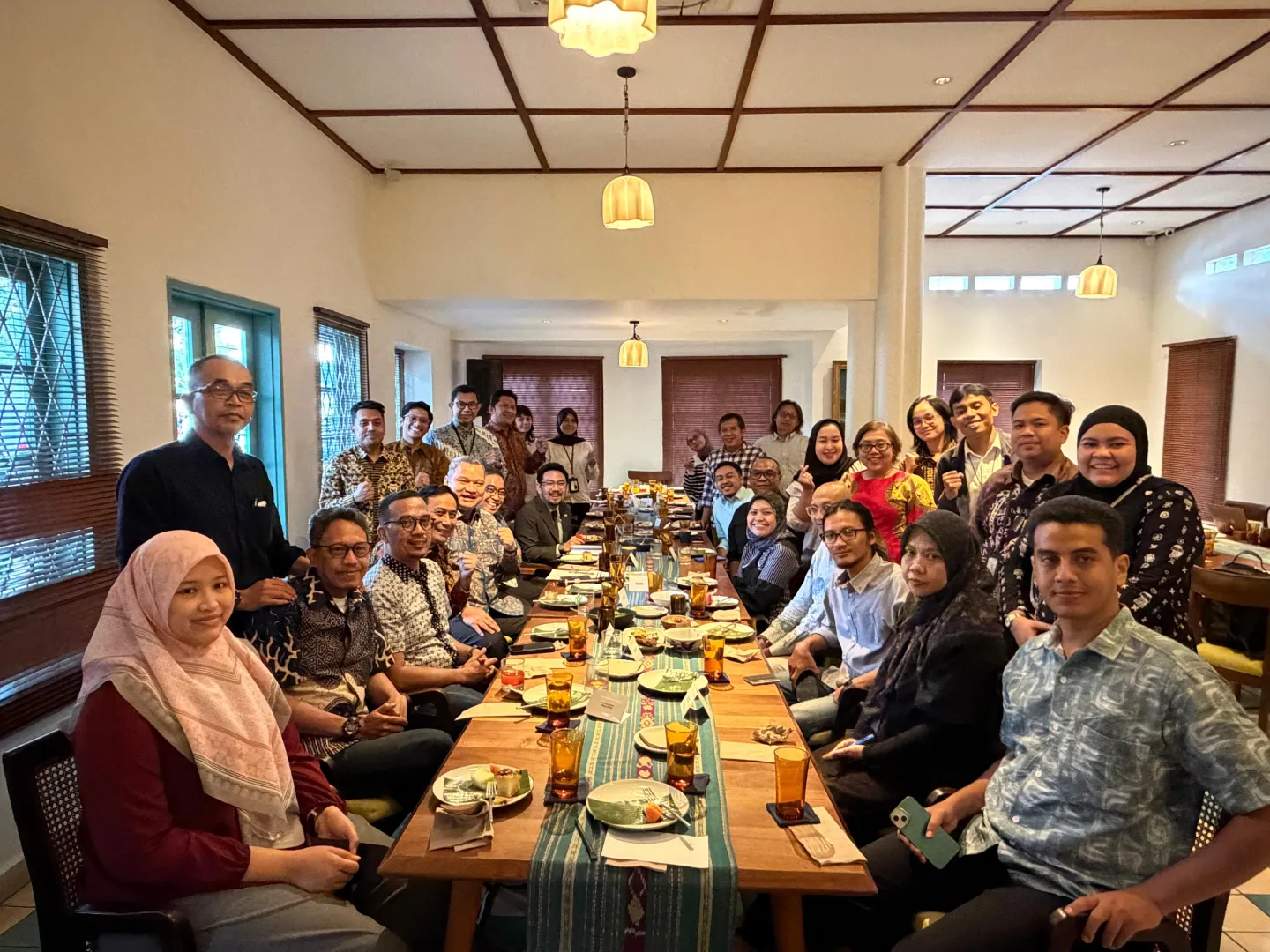
ILO, SECO, Coordinating Ministry for Economic Affairs, OJK, and media editors gather during the media luncheon in Jakarta on 11 December 2025 to discuss the role of financial inclusion in strengthening MSMEs
The Coordinating Ministry for Economic Affairs commended ILO through PROMISE II IMPACT for increasing the awareness of formal financial access among local communities. The government views the programs as a model that can be adopted through Regional Financial Access Acceleration Teams (TPAKD). “These project-supported initiatives will be incorporated into TPAKD’s portfolio of strategic programs to ensure continuity,” said Erdiriyo, Assistant Deputy for Financial Inclusion Enhancement at the Coordinating Ministry for Economic Affairs.
Closing the discussion, the ILO underscored that financial inclusion is a critical element in strengthening social well-being. When financial services align with decent work principles, the impact extends beyond enterprise resilience to improved social protection and expanded employment opportunities.
“Going forward, the ILO remains committed to advancing the financial inclusion agenda together with the government and financial institutions as part of efforts to catalyze progress toward a more equitable and sustainable labour market,” Djauhari concluded.
For more information, please contact:
Adelin Alexandra
ILO Communication Officer for PROMISE II IMPACT Project
[email protected]