Gurdip ThandiLocal Democracy Reporter
 West Midlands Combined Authority
A set of new qualifications have been devised to help plug a skills gap in medical technology.
Higher Technical Qualifications (HTQs) are designed to support people in the West Midlands to enter in-demand jobs – including work on AI-enabled health devices such as wearable technology, imaging or diagnostic tools.
The new qualifications are expected to be be taught by colleges, private training providers and universities.
They have been developed in a partnership between West Midlands Combined Authority, Skills England and education firm Pearson, as well as employers.
The Association of British HealthTech Industries estimated an extra 70,000 jobs would be needed by 2035 to meet demand across the sector, alongside 75,000 replacements for those leaving the workforce.
More than 14,000 people work in the sector across the UK, with the West Midlands being home to innovation hubs including Birmingham Health Innovation Campus, Birmingham Knowledge Quarter, West Midlands Health-Tech Accelerator and Arden Cross – a huge development around the HS2 Interchange Station and is a partnership with the University of Warwick.
The new qualifications are being piloted with funding from the West Midlands Investment Zone.
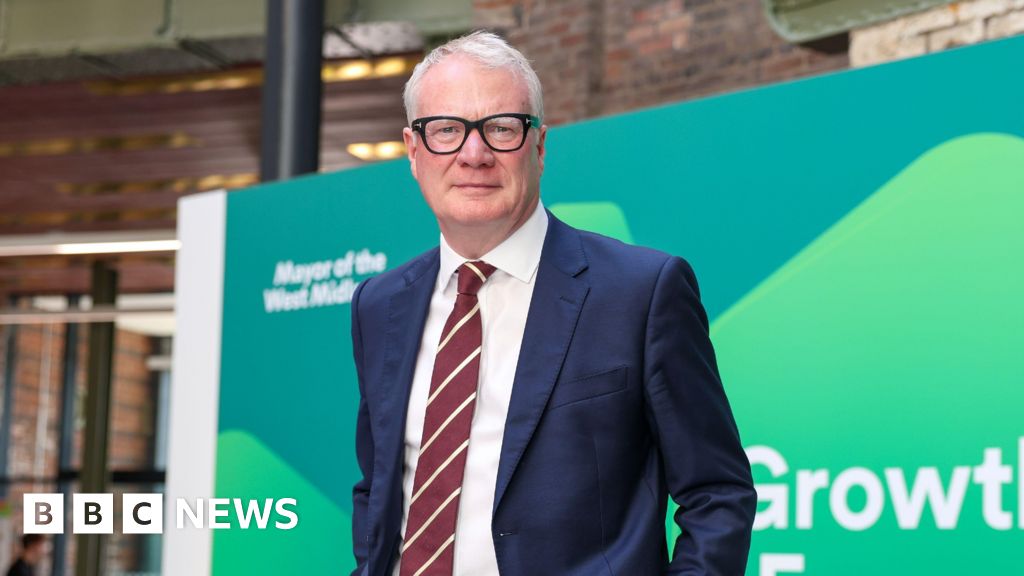
“We’ve got the UK’s largest MedTech cluster, plus even more high-quality jobs coming to Birmingham Knowledge Quarter, so it’s essential that we ensure local people can gain the skills they need to work in this sector, and the opportunities to get a foot in the door,” said West Midlands Mayor Richard Parker.
Phil Smith, chair of Skills England, said MedTech was “the future”.
“Filling skills gaps for this fast-growing sector, through these new qualifications, will be a really practical way of supporting the NHS through boosting productivity,” he said.
“It’s a fantastic example of how national and regional government can work with employers and the education sector to rapidly respond to skills needs in growth sectors.”