Listen to this article
Estimated 4 minutes
The audio version of this article is generated by AI-based technology. Mispronunciations can occur. We are working with our partners to continually review and improve the results.
Experts are constantly warning the public to be on guard for new and increasingly convincing scams, but police say the holiday shopping season is especially fraught with risk.
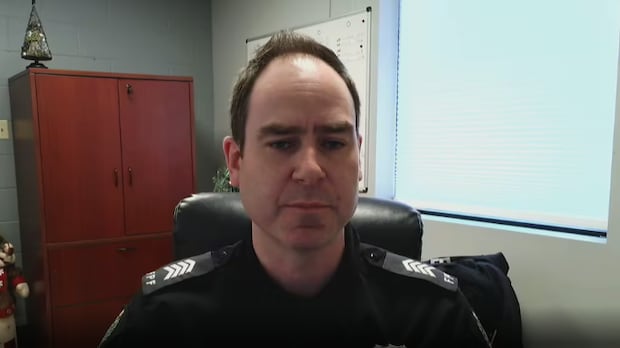
Fredericton Police Sgt. Chris Furlotte, who oversees the patrol division, said officers are seeing an increasing variety of scams, especially as the holidays ramp up.
While most people keep a close eye on their digital wallet and online banking, Furlotte says the real world is a potential minefield as well.
He says shoppers should be wary of so-called parking lot scams.
“We may see folks and scam artists approach individuals at cars or as they’re loading their groceries or items from the store in an attempt to distract them and steal a purse or a wallet or maybe even attempt to steal a vehicle,” Furlotte said.
He urged people to be vigilant and aware of their surroundings, and avoid engaging with strangers.
“And don’t be afraid to ask for help or disengage a situation that feels suspicious to you.”
With many people shopping online for the holidays, package thefts are also on the rise.
“Those are just the items that are left unattended on the front step or front porch while folks are at work,” Furlottte said.
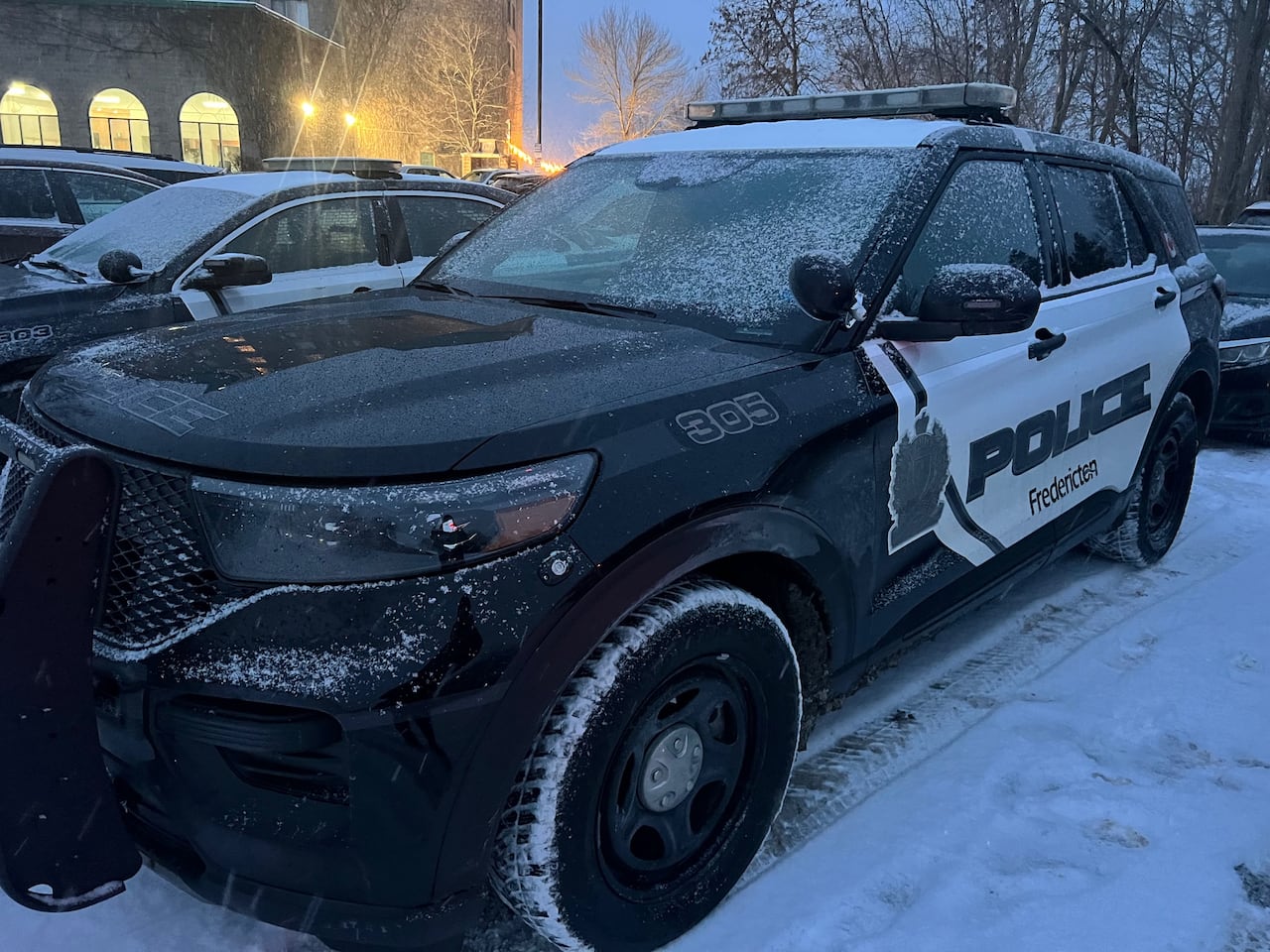
A spokesperson for the Fredericton Police Force said in an email statement that there had been 115 instances of credit card fraud reported to them so far this year, and 158 instances of other types of fraud.
Furlotte said more and more scams “prey on emotions” like grandparents’ scams, when someone will pose as a family member calling or reaching out online in a supposed emergency for financial help.
“They want people to not verify the information and just send the money along.”
There’s also been instances of paving scams, he said, when a travelling group will talk to homeowners and offer a quote to repave their driveway.
Naturally, the fraudsters ask for a deposit, promising to come back to do the work.
“And these companies just don’t show up in the end,” said Furlotte.
“They typically give folks a price that’s too good to be true. It’s a lot cheaper than the competitors locally.”
Furlotte said avoiding scams always boils down to a simple formula.
“Realistically, it’s just be vigilant, be aware of your surroundings, don’t leave things unattended, you know, and don’t be in a rush to verify information,” Furlotte said.
He added that it’s important for people to report any scams they encounter to police.
“If we don’t know the problem exists in our community, we’re not able to act appropriately or at least respond appropriately to deal with it,” Furlotte said.
Even if police are not able to help the person who is victim to the scam Furlotte said the information about the fraud helps investigators direct their focus.
RCMP spokesperson Luc Picard, a constable with the Codiac Detachment, said in an interview that scammers change their tactics throughout the year.
“For example, when it’s tax time, often people will receive calls from the Canada Revenue Agency saying that you owe money to the government and you have warrants and all that,” he said.
Picard urged people to remember that government agencies or banks will not call you if you owe money. If you don’t recognize a number, don’t answer it, he said, because people will leave a message if it’s important.
While investigating scams can be challenging for the RCMP because scammers might not even be located within Canada, Picard said it’s important for police to be contacted so they can take a report from the victim.
Picard said the RCMP has a unit called the community police unit that visits seniors homes, schools or businesses to educate people about different types of scams.
“You don’t have to be ashamed to be a victim of a scam, but you need to know where to find help,” Picard said.
He also urged victims of scams to reach out to the Canadian Anti-Fraud Center, a federal agency that collects information on fraud and identity theft.
Their website said that as of Sep. 30, there have been 23, 113 victims of fraud reported in Canada, with losses totalling $544 million.