The rising cost of housing across the Western Slope is forcing people to relocate, downsize and leave jobs, even in small, rural communities such as Parachute and Battlement Mesa.
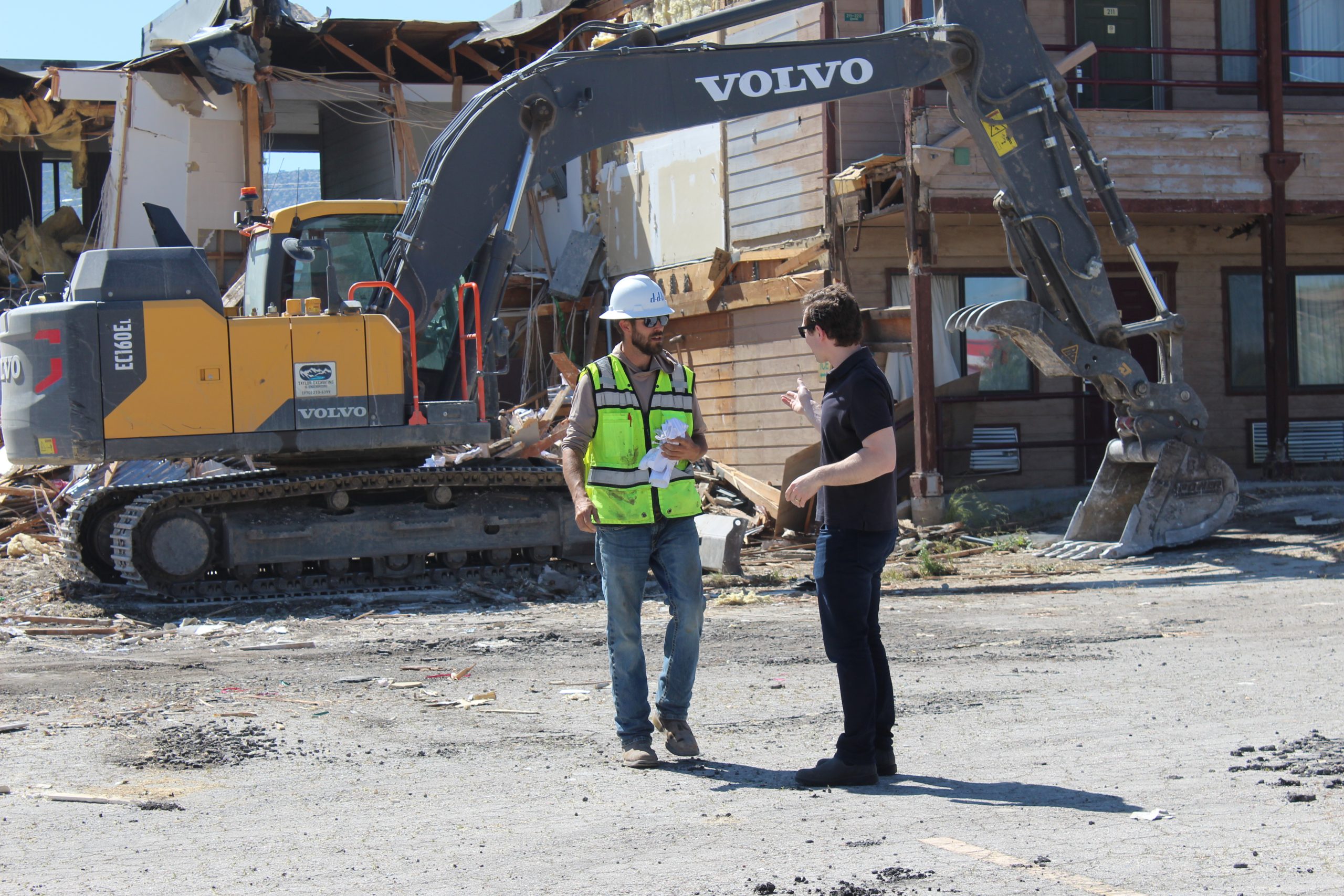
This trend has drawn the attention of affordable housing developers such as Aspen-based Headwaters Housing Partners, which is building a 68-unit apartment complex with a commercial retail space on the site of the former Parachute Inn, just off Interstate 70 near the entrance to town.
Parachute Town Manager Travis Elliott and other local leaders have helped support and shape the project, which is aimed at local middle-income residents making about 60% to 100% of the area median income (AMI). In Garfield County, that median income number is $74,000 for a one-person household.
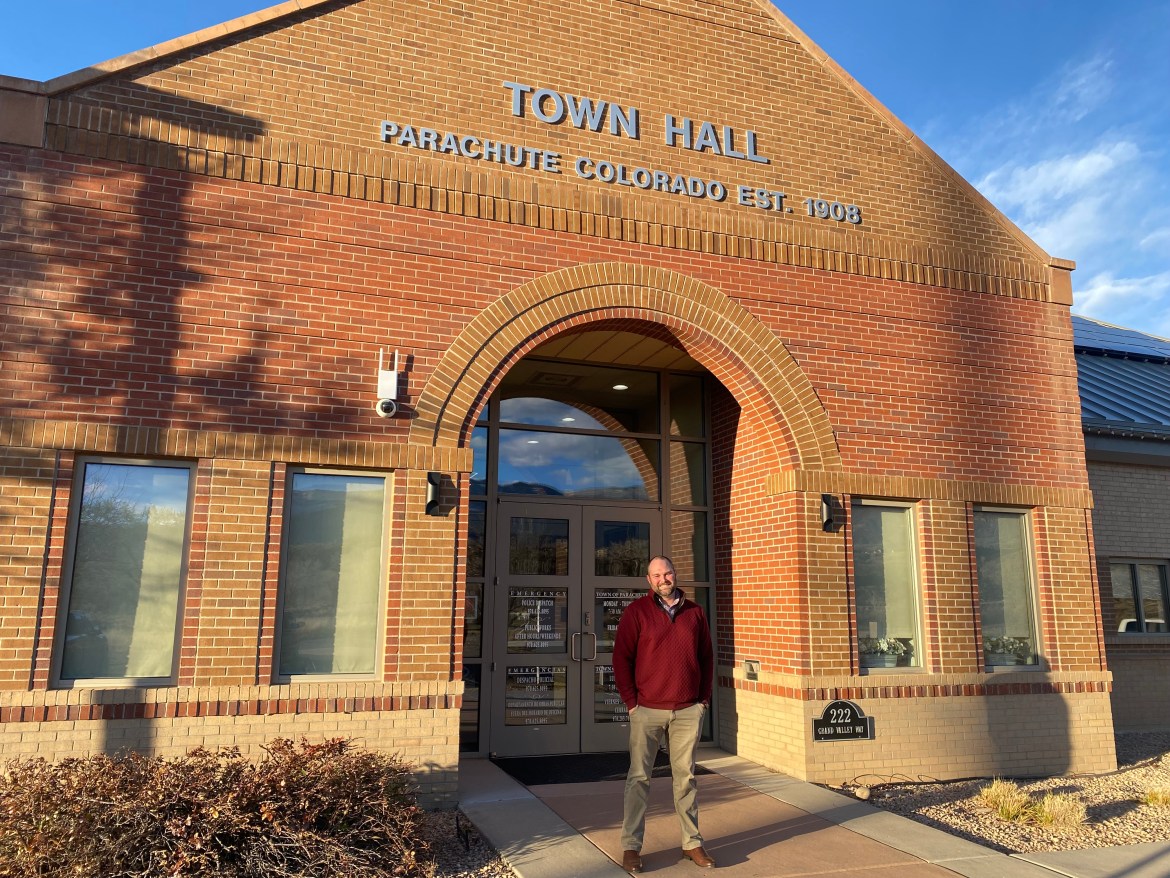
“I get excited about this project for numerous reasons,” Elliott said. “It really checks a lot of boxes for the town and our strategic goals, and our future, not just on the affordable-housing front, but in terms of revitalization of the community in general.”
Elliott, who grew up in Grand Junction and earned his master of business administration degree at the University of Kansas, always knew he wanted to work in public service for a local government.
Before taking on the town manager position in Parachute four years ago, he worked in several different roles for the city of Aspen and later became the assistant town manager for Snowmass Village.
Part of his decision to leave the Roaring Fork Valley was wanting to live in a town where he could afford to buy a home but still be able to get out on the river or into the mountains.
“I was in a deed-restricted condo (in Snowmass Village), which was absolutely fantastic because I quite literally won the lottery in terms of the affordable housing,” Elliott said. “So I was extremely grateful for that, but it was always very temporary in my mind because it was constrained in terms of space and just the economics of it.”
Rising home prices
Although housing costs are still lower in Parachute and neighboring Battlement Mesa than much of the Roaring Fork and Colorado River valleys, the average price of a single-family home has more than doubled over the past decade.
Parachute, which had a population of about 1,400 people as of the 2020 Census, saw the median sale price for a single-family home grow to $393,304 in 2024 from $190,500 in 2015. Battlement Mesa, which was initially developed by Exxon during an oil boom in the late 1970s, is an unincorporated planned-unit development outside Parachute town limits with a population of about 5,400 people as of 2020. The median price of a single-family residence there grew to $400,000 in 2024 from $241,500 in 2015.
This home-price data is according to preliminary results from a new regional housing-needs assessment covering Parachute to Aspen that is now required by the state as part of its effort to address affordability challenges across Colorado. The valleywide assessment is being led by the city of Aspen and Economic and Planning Systems, a firm that the city is partnering with to conduct research and analyze the data.
In the Parachute area, rising home prices and a limited housing inventory have put additional pressure on the local rental market, making it hard for some who work in town to get housing there. According to Parachute’s 2022 comprehensive plan, over half of the people who work in town commute in from places such as Battlement Mesa, Grand Junction, and other parts of Mesa and Garfield counties.
This trend of people not being able to live where they work and a growing interconnection between local economies and housing networks is something Elliott has seen throughout the region.
“It’s quite literally just a connected trickle up and down,” Elliott said. “A lot of our residents that live here are commuting up to Glenwood, and then a lot of those residents are commuting up to Carbondale, and then a lot of those residents are commuting up even further.”
Boom and bust
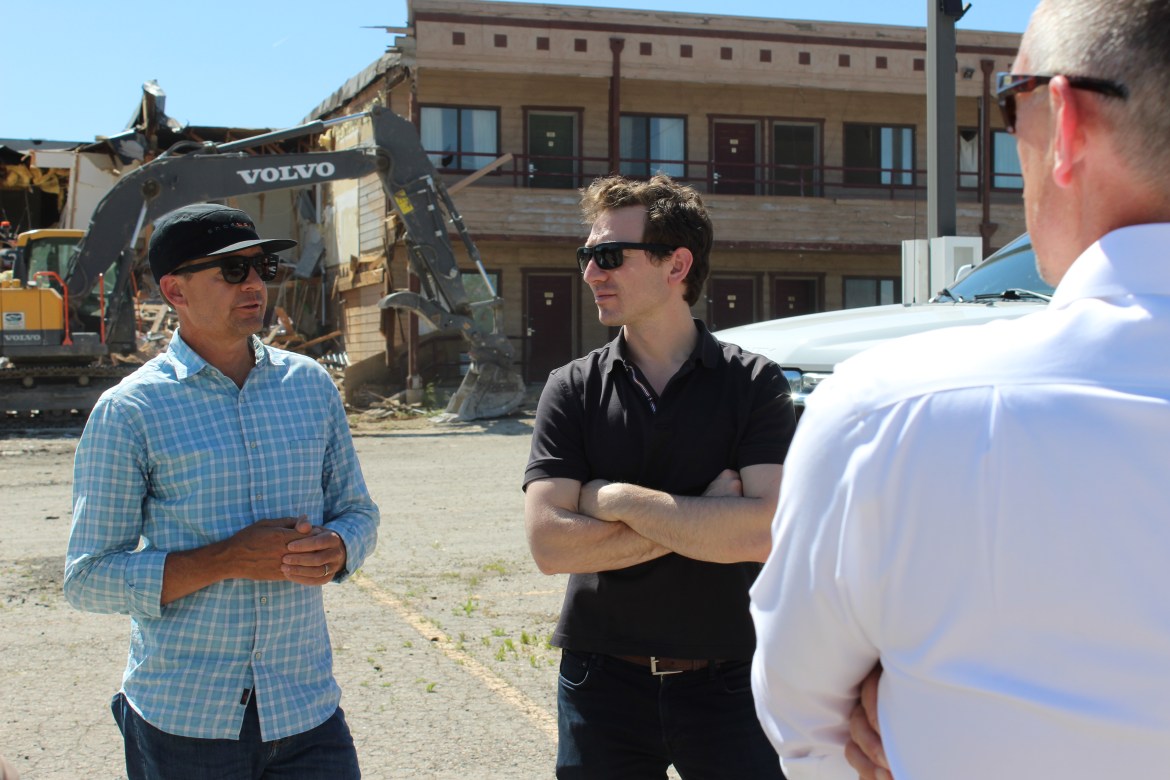
In late May, Aspen-based developers Adam Roy and Grady Lenkin, who are with Headwaters Housing, watched as a bulldozer began demolishing the former Parachute Inn.
The motel was built in the early 1980s to house oil and gas workers just before the “Black Sunday” oil bust of 1982, when thousands of people lost their jobs after Exxon shut down its oil shale project in the area.
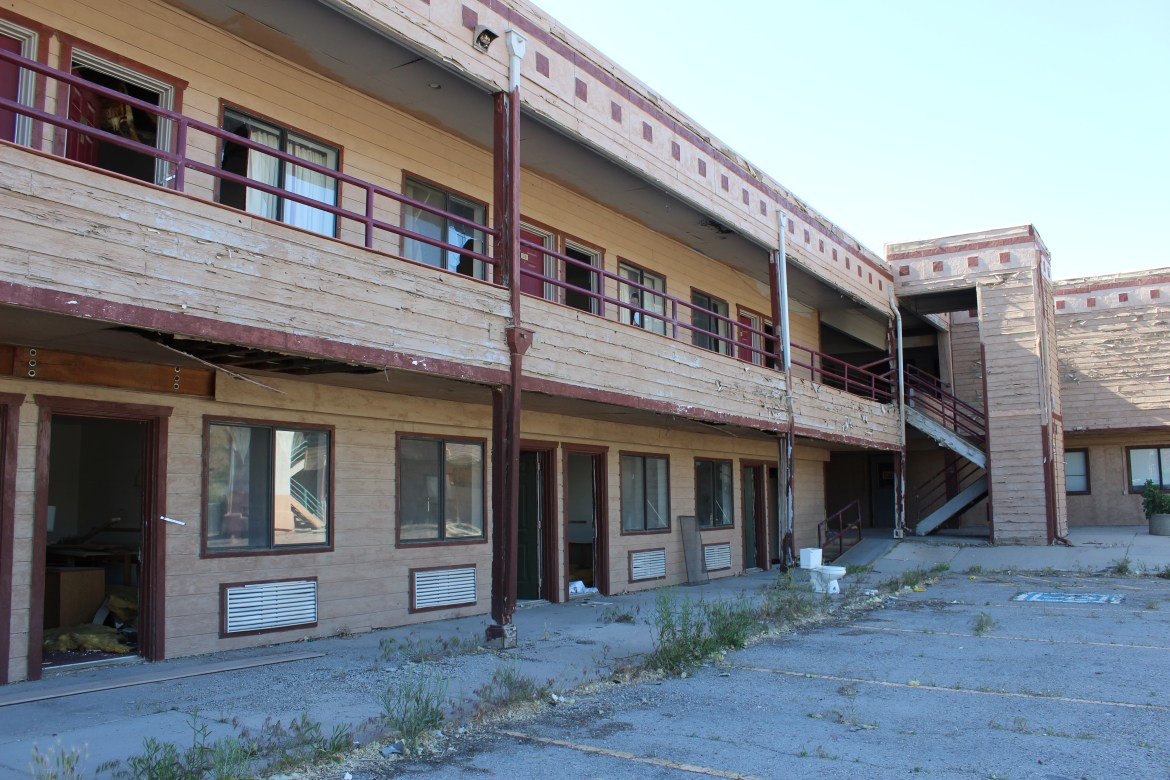
Despite the economic downturn, the Parachute Inn remained open, serving as both a motel and temporary housing for some residents in the area, until a few years ago when it failed the town’s health-and-safety inspection and permanently closed its doors.
“It served its purpose for decades, and eventually got tired and rundown,” Roy said. “So we bought it, and now we’re in the process of tearing it down and converting it to workforce housing for the town of Parachute.”
When Roy and Lenkin first decided they wanted to purchase the building, they had a hard time getting a bank loan because there wasn’t a precedent for other similar affordable-housing complexes in the town.
“No bank wanted to be one of the first to take a risk on this kind of development in Parachute since there’s no comparable projects in the market that we can look at and know they succeeded,” Lenkin said. “Another factor was Black Sunday, which really crushed the community and the economy, and a lot of the local banks have an institutional memory of that.”
But in 2022, the developers were able to secure a $640,000 loan from the state to purchase the old motel and began the yearslong process of turning it into a mix of studio, one-bedroom and two-bedroom rental units.
‘Missing middle’
Initially, Headwaters Housing assumed it would be building a very-low-income project for people who commute farther upvalley for work, but that changed after Roy and Lenkin spent time conducting market studies and meeting with local residents and town leaders such as Elliott.
“What we learned is who this project was ultimately going to serve, and it was truly the town of Parachute,” Roy said. “And they weren’t necessarily screaming for ultra-affordability — they needed housing to house their workforce.”
According to preliminary results from the new regional housing needs assessment looking at housing trends over the next decade, rental units will be most needed for Parachute residents making about 50% to 90% of AMI, which translates to between $37,000 and $66,600 a year for a one-person household in Garfield County. The next-largest need is for people making 110% to 135% of AMI, which is between $81,400 and $99,900 for one person.
The majority of the 68 new apartments will be listed for people making less than AMI, with 25 units restricted to households earning up to 80% of AMI, another 25 units for households earning up to 100% of AMI, and 18 units to be rented at market rate.
“We said, ‘What do you want to see here?’ And it was a project where, you know, a teacher can afford to live, where a manager at the new Love’s gas station can afford to live, where the assistant police chief can afford to live,” Lenkin said. “We worked backwards from all of those job descriptions to see, ‘OK, how much are these people making?’ And that’s how we designed the income limitations of the project.”
They also heard from community members that they would like to see the roughly 3,000-square-foot commercial space be preserved as a laundromat, which the old motel used to have.
“We heard in our public outreach that this was a huge asset to the community,” Roy said. “You could have, for instance, a small market up front and a laundromat in the back, or if need be, it could be entirely a laundromat.”
Roy and Lenkin are also partnering with other local governments in western Colorado, including Fruita and Grand Junction, on several other workforce housing projects targeting middle-income earners.
State funding
Headwaters Housing estimates that the total cost of the Parachute Inn project will be roughly $13.5 million, with some of that money coming from private capital and state subsidies. In addition to the $640,000 loan from the state to buy the property, which the developers have now paid off, the state Housing Board awarded the project a $5 million loan last year to help build the apartment complex.
The developers also partnered with the town of Parachute to secure an additional grant this year from the state to help cover the cost of upgrading public infrastructure surrounding the project, including roads, sidewalks, utilities and accessibility features. The project will also benefit from a tax abatement provided through the Garfield County Housing Authority.
Colorado lawmakers have shifted state policy toward supporting more middle-income projects in recent years, which has drawn criticism from some housing advocates who worry there will be less money for lower-income families.
In an email, a spokesperson with the state’s Department of Local Affairs (DOLA), which oversees the Division of Housing (DOH), defended its programs that support the so-called “missing middle” in some communities.
“While addressing the needs for the lower-income population remains pressing, there is a demonstrated need for middle-income housing, which, if not addressed, can put even more pressure on the lower-income housing supply,” the spokesperson said. “The legislature has chosen to prioritize this need through several programs that DOLA administers.”
The spokesperson also pointed out that some of the funding that it received for middle-income housing projects in the wake of the pandemic is limited.
“With the influx of American Rescue Plan Act dollars, and the ability for those dollars to serve higher incomes, DOH was able to play more of a role in the middle-income space,” the spokesperson said. “However, those funds are close to being expended, and so DOH’s role in the middle-income space may be more limited moving forward.”
Town leaders such as Elliott and Town Councilor Claudia Flores Cruz maintain that Parachute needs more of both types of housing.
“I would love to see more housing opportunities of all kinds,” Flores Cruz said. “Whether it’s tiny homes, studios or trailers, just to be able to accommodate everyone in their unique housing needs.”
Another affordable-housing development is underway in neighboring Battlement Mesa. The Aster Place project will have about 60 rental units reserved for people making between 30% and 80% of AMI, which translates to between $22,200 and $59,200 a year for a one-person household in Garfield County. The group Lincoln Avenue Communities, which has projects across the country, is behind the development. The group is also working with the Garfield County Housing Authority, which is expected to allocate eight low-income vouchers to the project.
Different needs
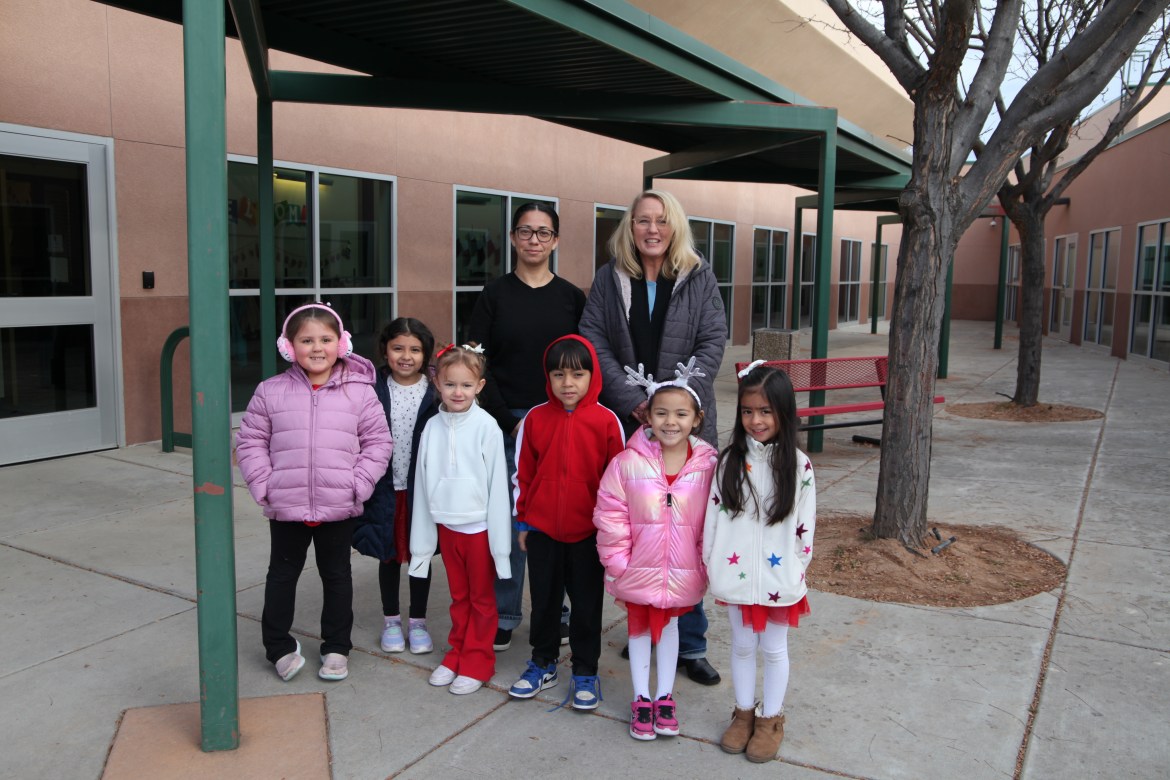
Flores Cruz also helps run the Family Resource Center for Garfield County School District 16. In her role there, she got to know the families who lived in some of the units at the old Parachute Inn.
When the motel had to close for health-and-safety reasons, most of those families couldn’t afford to stay in the area.
“You don’t want to see anybody homeless, but at the same time, you just didn’t want to see anybody living in those kinds of conditions, especially when they had kids,” Flores Cruz said. “Some of the families ended up going to Utah and other states where they had family — they just weren’t able to be successful in our small town with not enough resources.”
Flores Cruz still works with other families in similar situations who live out of their cars. She also knows teachers who are struggling, doubling up in homes to afford rent or looking elsewhere for work.
“One of the biggest workforces that we have here is our school district,” she said. “But we have a lot of new teachers every year, and that really hurts a child’s development, you know, just having that anxiety of like, ‘Oh, my teacher lost their housing, and now, after Christmas break, I’m going to have a new teacher.’”
Jennifer Baugh, who moved to the area four years ago to serve as the superintendent for the school district, said the housing challenges also impact their ability to hire other employees, including bus drivers, cafeteria staff and administrative assistants.
“One of the things that I think we’ve noticed too is other school districts upvalley have either engaged in, or actively have, employee housing for their staff,” Baugh said. “That isn’t a conversation we’re having yet here in Garfield 16, … but we are finding that employers in the region are having to take that on and think seriously about it.”
Baugh has also noticed more families moving to the area from upvalley communities because of affordability. At the start of this school year, the district saw 21 new students transfer from Rifle, six from Glenwood Springs, four from Silt and two from Carbondale.
“In addition to housing needs, this creates another challenge because oftentimes the parents, their jobs are still upvalley, so you have a lot of kids that need child care or other programming until the parents can get home,” she said.
When it comes to tackling the housing challenge, Baugh and Flores Cruz hope the town will keep partnering with developers such as Headwaters Housing and outside funders such as the state to make sure people with different income ranges all have a safe place to live.
For his part, Elliott agrees, and says projects such as the Parachute Inn are a big step in the right direction.
“This type of partnership is really the poster child for what is going to be the solution for solving affordable-housing crises around the state, … and it has the potential to be really transformative for the community,” Elliott said. “I’m really excited to not only see the building finish, but to see what families and residents eventually reside there and end up calling it home.”
The apartment building is currently under construction and is expected to open next fall.
This story was produced through a social justice reporting collaboration between Aspen Journalism and Aspen Public Radio.