
The Sunday Magazine24:11Goodbye FOMO, hello ‘JOMO’: Alone doesn’t always mean lonely, says psychologist
It’s called the most wonderful time of the year, but everyone could use a break around the holidays.
“I’d like to get up on the rooftops and cry out, ‘It’s OK to ask for some me time,’” psychologist Robert Coplan told The Sunday Magazine host Piya Chattopadhyay.
Between office parties, family gatherings and plans with friends, there can be lots of socializing crammed into the final weeks of the calendar. But Coplan, a chancellor’s professor of psychology at Carleton University, says spending time in solitude can offer a chance to “catch our breath.”
While people tend to equate loneliness and solitude, Coplan, author of The Joy of Solitude: How to Reconnect with Yourself in an Overconnected World, says they’re distinct.
“Solitude is often construed as a punishment, but if we flip it around in our head and think of it more as a reward — even a gift — time to do things that we want to do…reframing positive thoughts improves our experiences,” he said.
In fact, University of Michigan researchers who analyzed hundreds of U.S. news stories published between 2020 and 2022, found that negative portrayals and discussions of being alone can contribute to the perception that solitude is harmful. The researchers found that negative beliefs about being alone increased participants’ feelings of loneliness.
Coplan acknowledges that loneliness can have negative impacts on our mental and physical health, particularly “when there’s a mismatch between how we would like our social lives to be and how they’re actually going.”
He likens loneliness to a bad feeling whereas solitude is a state that could allow for positive experiences for us.
‘We have to get out of this scarcity mentality’
People tend to prioritize others’ needs to the detriment of their own, but Toronto-based psychiatrist Marcia Sirota argues we should spend our time on things we find enriching.
“If you don’t take enough time to be alone and tune into who you are, how you feel and what you need, it’s impossible to pursue things that are going to really feed your true being,” she said.
That lack of alone time can evoke negative feelings, too, Coplan says.
Researchers coined the term “aloneliness” to describe those wanting more alone time or a dissatisfaction with one’s solitary life.
“They feel more stressed, tend to have more negative moods, they even suffer sometimes from symptoms of depression,” Coplan said.
He encourages people to choose solitude and embrace the joy of missing out, better known as JOMO.

While it’s normal to feel guilt or disappointment about missing a social gathering or not seeing a loved one, Sirota says people who care about you will understand.
“True friends don’t want us to deplete ourselves to be there for them,” she said.
Sirota is the founder of the Ruthless Compassion Institute, a wellness podcast that promotes self-awareness and empowerment.
She asks clients to consider what they’re really losing when they make choices to take time for themselves.
“A lot of the time, what we think we’re losing isn’t real. It’s not the end of the world,” she said.
Sirota likes to remind people that life isn’t a competition; there isn’t a finite amount of cool or fun things in the world and missing them won’t hurt.
“There’s so much goodness that we can have and we can create for ourselves, we can pursue. So, we have to get out of this scarcity mentality,” she said.
She encourages people to spend time alone and examine their feelings to help them find something meaningful to replace unfulfilling socializing.
Finding your core values
Similarly, Christina Crook sees solitude as a way to manage our biggest asset: time.
Crook is the author of The Joy of Missing Out: Finding Balance in a Wired World and the founder of the digital wellness education platform JOMO Campus.
She says when we intentionally miss out on things, we leave space for what matters most.
“Even thinking about our core values for 10 minutes a day empowers us to say no to the things that are not aligned with our values,” said Crook, who is based in Toronto.
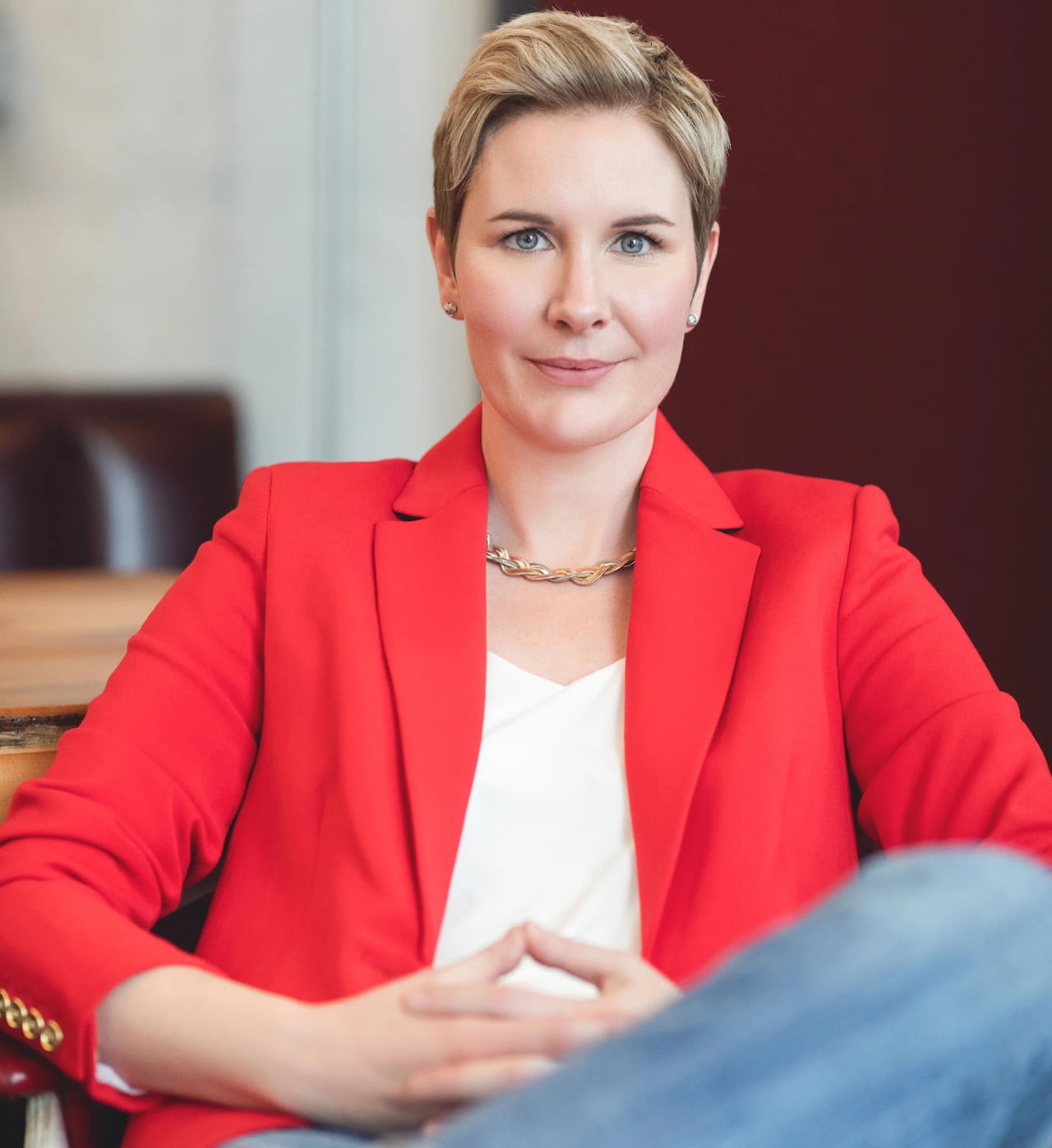
Crook suggests doing an exercise created by Harvard University psychologist Susan David.
Ask yourself a series of questions like: What do I value? Or, who and what is dear to me?
Then, she adds, sort those values into two categories — most and least important — using a process of elimination until you’re left with three values.
“It actually helps us to come into alignment and say, ‘Why am I even wanting for those things? Or why am I even feeling bad about not going to that thing because it’s not even something that I value,’” Crook said.
She says the exercise could be a good New Year’s resolution activity to discover more joy.
“If we have awareness about what’s life-giving, we’re not going to intentionally keep choosing the life-taking things. We’re going to start to notice and choose to do more of what’s life-giving,” she said.
For Crook, the most fulfilling activity was playing catch with her son.
“It was such a minor time commitment but it was hands down the thing that brought me most joy every single time.”