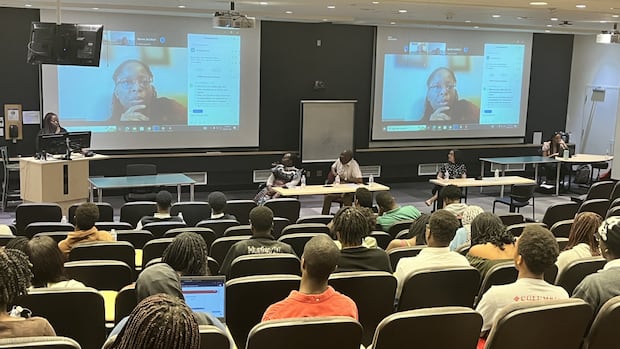
Before joining the Black Youth Mentorship and Leadership Program, nursing student Joel Isu says he wasn’t sure what direction his future would take.
“I felt a little bit lost,” he said. “But with the workshops and guidance I received from the program, I’ve been on a better path.”
He says what mattered most was feeling safe in a space that was built for Black youth.
Isu is one of hundreds of Black students in Alberta who have participated in the program since its launch in 2020.
The grassroots initiative connects students entering Grades 11 and 12 and undergraduates with mentors, providing leadership workshops, and bringing participants onto university campuses to gain exposure to academic and professional opportunities.
Strong interest but limited capacity
Since it started, the program has mentored roughly 300 high school students and 35 undergraduate students across Canada.
Two years ago it expanded to Calgary, where it has worked with an additional 150 students. Alumni have gone on to medical school, graduate studies, and leadership roles, reflecting the program’s reach and influence.
Despite this growth, demand far exceeds capacity.
In 2024, the program served 44 students in Alberta — 27 in Calgary, 12 in Edmonton, and five online. In 2025, more than 180 students applied, but funding constraints meant only 82 could be accepted: 52 in Calgary, 19 in Edmonton and 11 online.
The program is designed not just to provide guidance, but to address the long-term effects of generational systemic anti-Black racism, barriers that many Black families have faced for decades.
Dr. Bukola Salami, founder of the program and a University of Calgary professor, says the goal is to ensure that “the experience of anti-Black racism parents faced does not limit their children, and that young people have the tools to excel academically, socially and professionally.”
Racism and its ripple effects
The program’s design reflects a broader context in which Black Canadians experience discrimination and barriers that can affect personal, educational and economic outcomes.
According to Statistics Canada, data from 2021 to 2024 shows that approximately 51 per cent of racialized Canadians aged 15 and older reported experiencing discrimination or unfair treatment in the previous five years, which is nearly double the rate for non-racialized individuals (27 per cent).
Discrimination based on race or skin colour was identified as the leading perceived driver of these experiences.
“Anti-Black racism is real. The challenge with anti-Black racism is that it’s not stuck in the past. It also exists now,” said Dr. Salami.
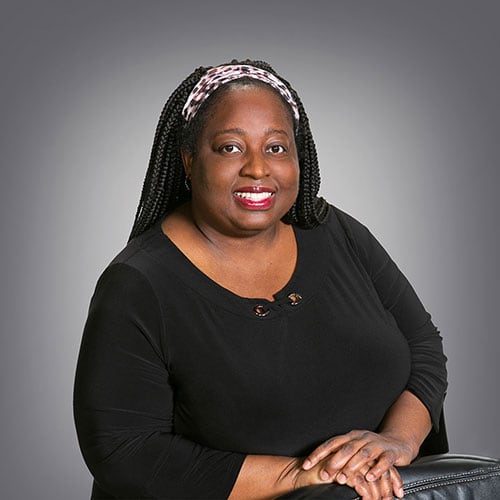
Among racialized groups, Canadian-born Black people reported the highest incidence of discrimination (71 per cent), significantly higher than recent or established Black immigrants.
This pattern highlights the persistent challenges many Black youth face in various daily settings, including school, health care, work and community environments, and underscores the need for robust supports to build confidence, skills and opportunity.
These patterns of discrimination can have real consequences. Research has found disparities in employment, earnings and academic experiences for Black Canadians relative to other groups, reflecting structural barriers that mentorship and support programs aim to mitigate.
Dr. Salami’s 2016 research project on parenting and the mental health of African children in Canada revealed a major gap: mentorship.
Program structure and experience
Students participate in a combination of workshops, mentorship and campus experiences. High school participants focus on academic planning, leadership development, cultural identity and exploring post-secondary pathways.
Undergraduates in the program receive guidance on navigating university challenges, internships and early career decisions. Mentors come from universities, professional fields and community leadership, providing a range of perspectives and advice.
“I felt I was passing down knowledge to them,” said Victoria Fajenyo, the Calgary program co-ordinator and mentor.
“The structure is key, you always have a faculty mentor and community mentor. Someone that is a medical doctor or pharmacist. You get access to what is done at the university and they get to see how the career path is in real life.”
A transformative experience
The mentorship model is designed to help students develop both hard and soft skills, everything from study and time‑management techniques to the confidence to advocate for themselves in academic and professional settings.
Students set goals with their mentors, track progress and participate in events that build community and networks.
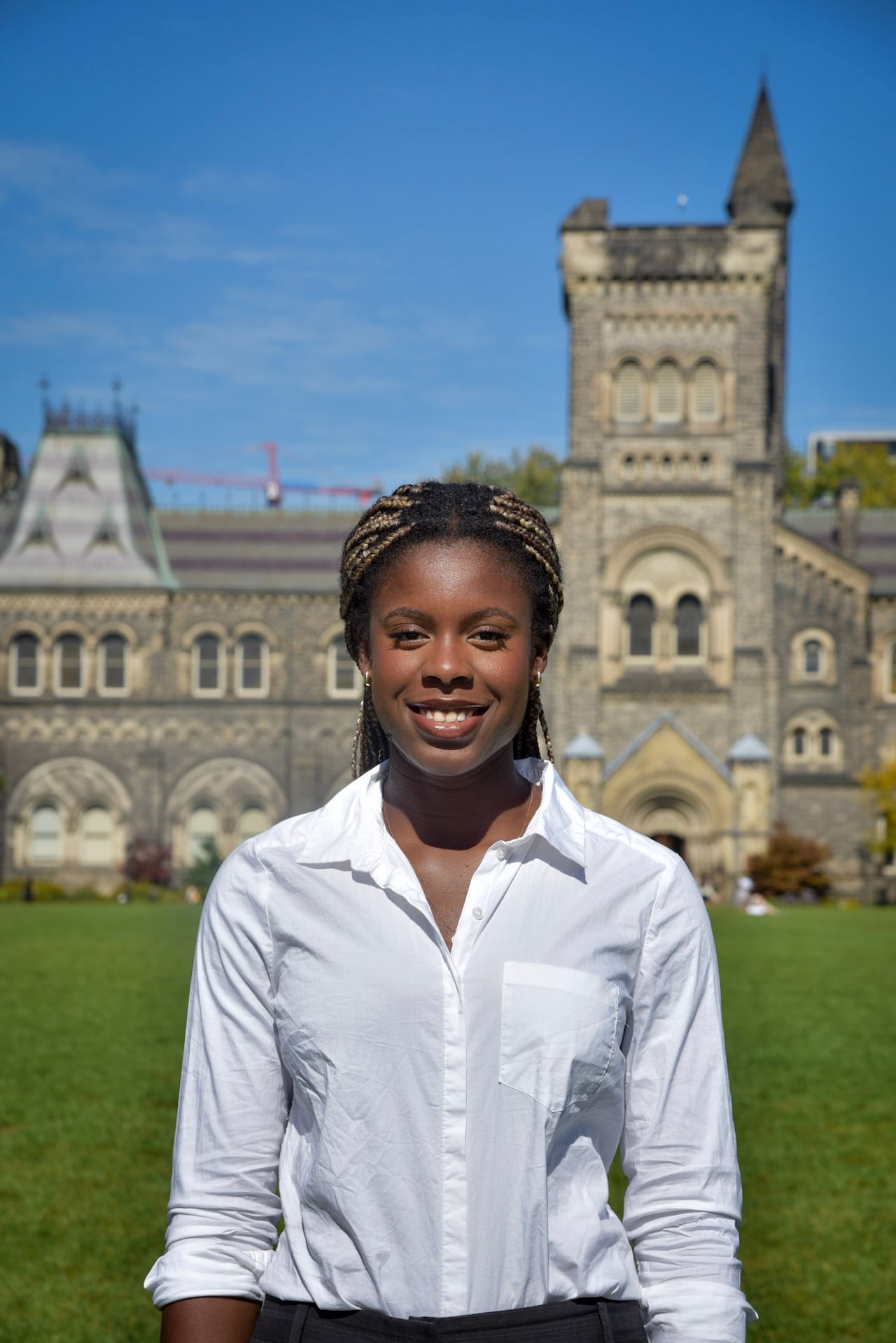
Another participant, Beluchi Okeke, now studying global health and bioethics at the University of Toronto, says the program helped her design and lead initiatives such as corporate anti‑racism seminars and programs on vaccine hesitancy in the Black community.
“This program leads to concrete, tangible differences in your life that that you’ll feel for years and years after,” said Okeke.
Calls for sustained investment
Dr. Salami says sustained government and private funding is essential to expand the program and meet rising demand.
“We’re seeing what mentorship can do when students have access to structured support,” she said. “With more resources, we could offer this to many more young people who are ready to succeed.”
Applications for the 2026 cohort are open until Feb. 6, 2026. Students interested in joining must submit transcripts and a short essay about why they want to participate. Those accepted receive a $1,000 stipend to help cover transportation and program‑related costs once they successfully complete the program. Mentors can also apply to be part of the next cohort.
As Alberta’s Black youth continue to navigate a society where discrimination and bias persist in everyday life, programs like this offer structured guidance and opportunities that students and educators say make a real difference.
“Its never too late to pick yourself up and move forward,” said Isu.