Listen to this article
Estimated 4 minutes
The audio version of this article is generated by AI-based technology. Mispronunciations can occur. We are working with our partners to continually review and improve the results.
The Maritimes suffered through intense drought conditions this summer that left farmers with lower crop yields and, in some cases. feeling already set back as they look ahead to the coming year.
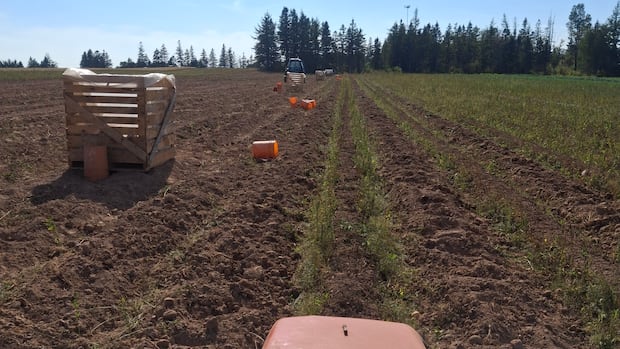
Among those who saw lower yields is Kent Coates, owner of Nature’s Route Farm near Sackville in southeastern New Brunswick.
“We’ve got about half as much storage crop going into the storage facilities as we would have normally had or as we wanted,” said Coates, whose farm produces carrots and potatoes, among other vegetables,
Coates said he’s used to relying on 20 to 25 millimetres of rain a week from mid-June to mid-September, but this year the area didn’t get 30 mm that entire stretch.
In what proved a difficult twist, Coates had a record year for sales, and he couldn’t fulfil them all.
“We’ve got a whole bunch of new clients on board, and now we don’t have enough product to hold us through the winter. So it’s rather unfortunate.”
Elsewhere in the Maritimes, potato growers took a hit.
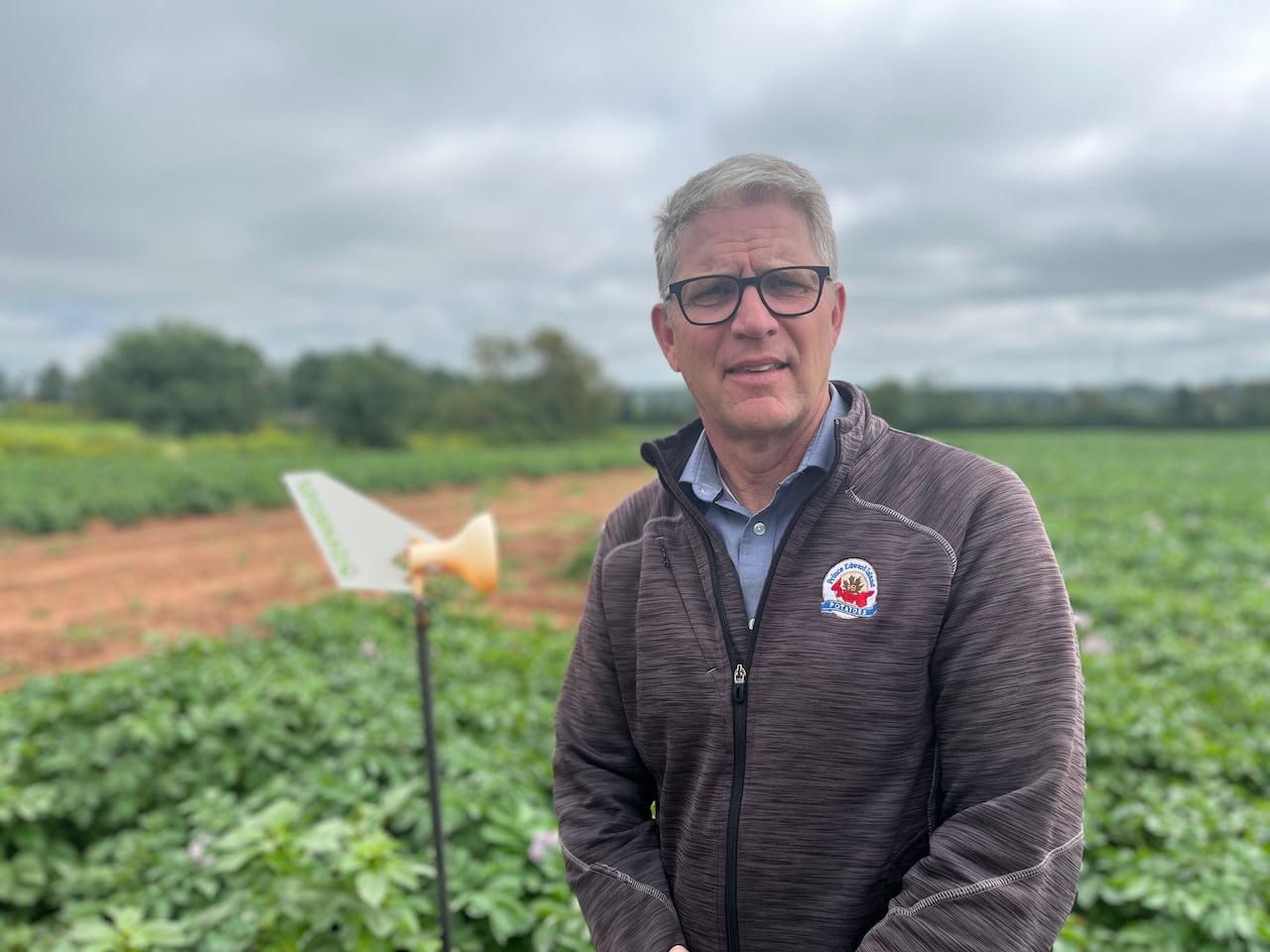
Greg Donald, the general manager of the P.E.I. Potato Board, said that across the Island, yield was down between 15 and 20 per cent and for some farms, 30 per cent.
“We had very little rain and it was hot, dry, windy and it was, I’ll say, a stark reminder how vulnerable we are … when we get conditions like that,” Donald said.
Look at new year
Coates hopes for a better 2026 season but having to constantly irrigate has set him back for next year.
He didn’t get the time to cultivate his farm, meaning the ground isn’t ready to go for next season.
He’ll also start with no vegetables in storage for customers.
“We’re anticipating 2026 to be much more challenging to start off than 2025. We didn’t have enough time to get some strategic projects done last summer because we were watering so much.”
Coates said the water table is low after he used irrigation ponds on his crops. Half a week’s worth of water is left in one pond, and the other pond is still below where it should be.
For P.E.I., Donald said about 10 per cent of potato crops are irrigated.
He said more potatoes could be irrigated, but the startup cost for a system could be hundreds of thousands of dollars, and there’s no guarantee of usefulness.
“Some years, we don’t need irrigation and other years we do — like last summer — and other years, you know, you only use a little bit,” said Donald.
Some squash varieties ‘did pretty good’
Nova Scotia farmer Danny Dill made some observations during the drought conditions in Windsor.
Dill, the owner of Dill Family Farm, said different varieties of gourds and squash with shorter maturity time fared better.
“Some did pretty good and what I noticed, which may be a trend for next year, the future if we’re going to go through this, is some of these varieties only take 85, 90 days to maturity,” he said.
Varieties that take more than 110 days to mature didn’t fare as well. He thinks it’s because the shorter-growth plants established themselves better in the soil before the drought came.
Information Morning – Saint John17:30Farming during drought
How some farmers New Brunswick, Nova Scotia and Prince Edward Island made it through the drought this year.
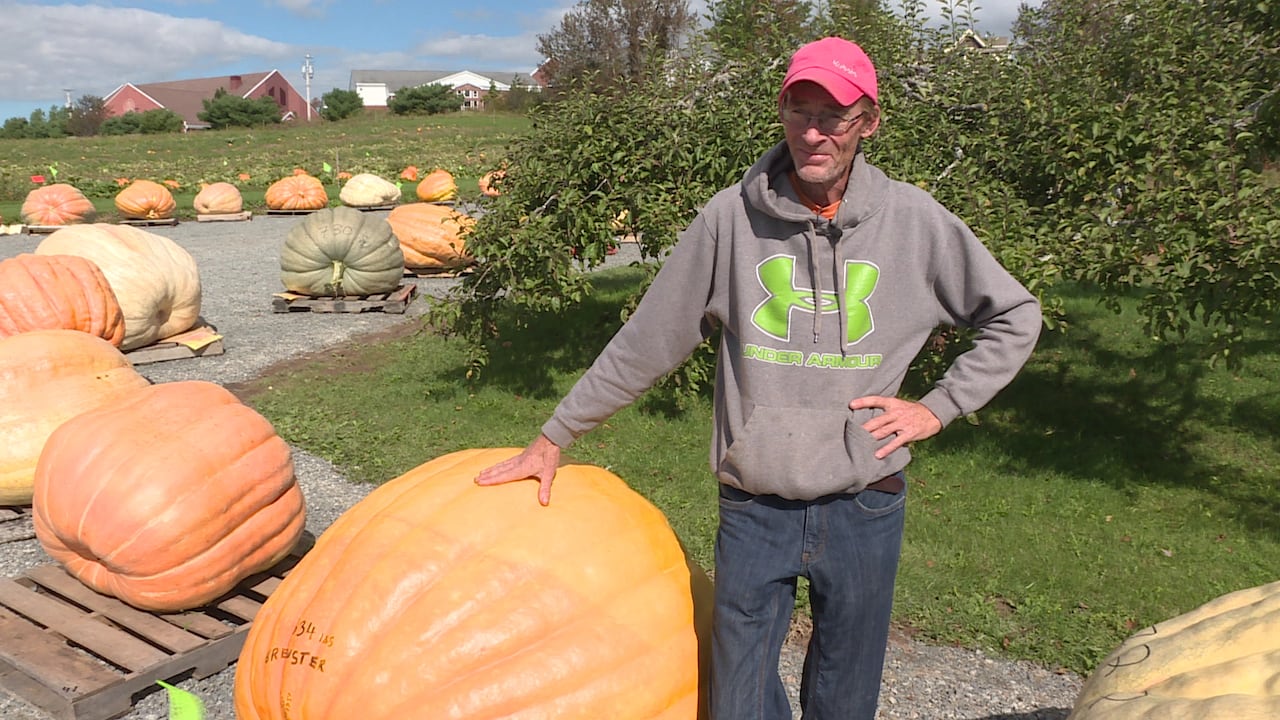
The 61-year-old Dill hasn’t seen farming conditions this dry in his life, and it especially affected the giant pumpkins he grows.
“They only got about half the size they usually do … I guess that they were in the 500 to 700-pound range, where they could be 1,200 pounds or bigger.”