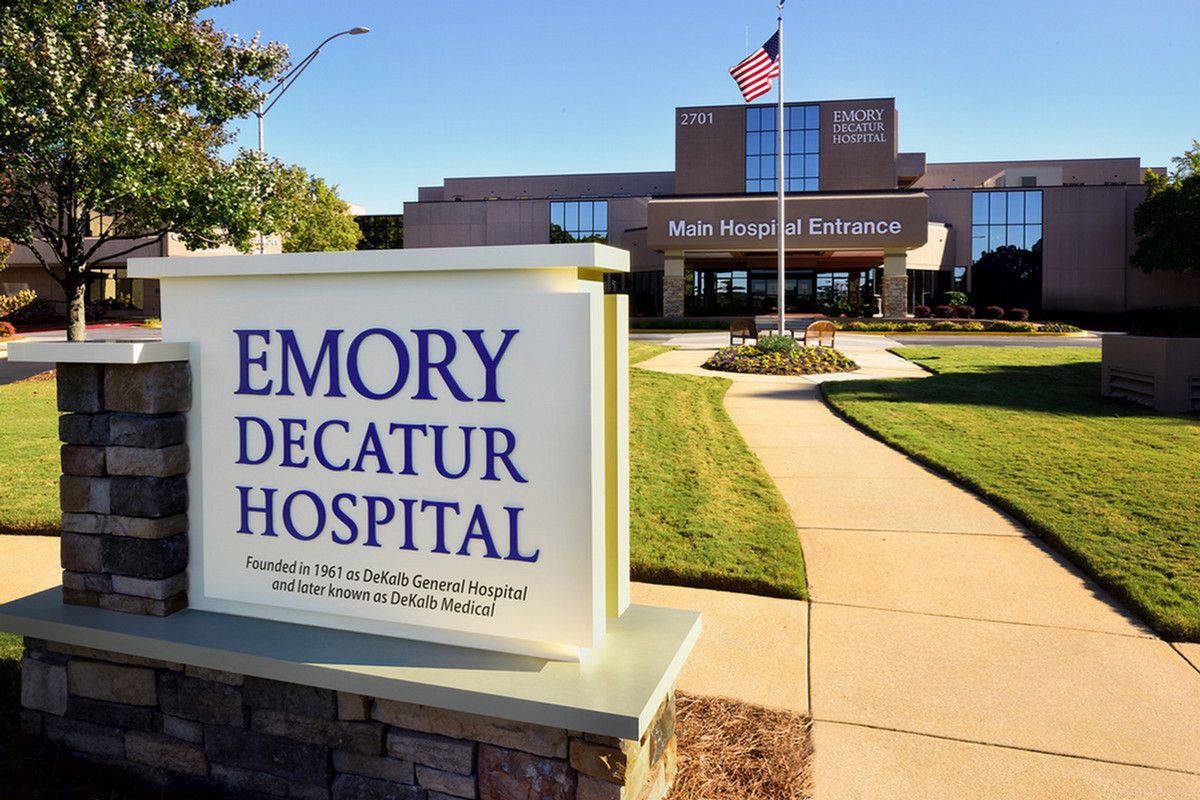
Emory Decatur Hospital is home to one of Emory’s longest-running clinical educational programs — the Emory School of Medicine Radiologic Technology (RT) Certificate Program. Founded in 1962, the certificate program prepares entry-level radiologic technologists to fill high-demand jobs and meet the critical clinical imaging needs of the greater Atlanta community.
The RT Certificate Program is part of the allied health program offerings through the Emory School of Medicine. Emory Decatur Hospital serves as the off-campus instructional site for the program.
Radiologic technology involves using X-rays or radioactive substances for medical diagnostic and therapeutic purposes. Those who use the technology are known as radiologic technologists, or radiographers. They specialize in using X-rays to create images of the body and perform diagnostic procedures including imaging the skeletal system, chest and abdomen.
The Emory School of Medicine Radiologic Technology Certificate Program is a full-time, 24-month long program that accepts between 19 and 25 students each year, with space for up to 50 total. Students train in areas such as general X-ray, trauma imaging and fluoroscopy, and also rotate through specialty areas such as CT (computed tomography), MRI (magnetic resonance imaging) and mammography to enhance their clinical education experience.
“The Emory School of Medicine Radiologic Technology Certificate Program has been a leader in imaging education on a continuous basis for over 60 years,” says Jen Schuck, CEO of Emory Decatur, Emory Hillandale and Emory Long-Term Acute Care hospitals. “I’m proud that the program is a leader in creating career opportunities for people in our community and ensuring that graduates are well-prepared to make a real impact in health care.”
Program graduates take the national certification exam for radiography through the American Registry of Radiologic Technologists and upon passing, become registered technologists in radiography. About 70% of graduates accept jobs at Emory Healthcare within a year of finishing the program. To date, approximately 1,100 have graduated from the program.
“From the start, our students are placed in fast-paced health care settings where they use advanced equipment, care for patients from all backgrounds and learn to adapt to the changing needs of the medical field,” says LaShaun Taylor, RTR, program director. “By operating at Emory Decatur Hospital, our program students get hands-on training in a busy medical imaging department, giving graduates an advantage when pursuing their careers.”
The Emory School of Medicine Radiologic Technology Certificate Program has maintained a strong track record of placing graduates in jobs and establishing collaborations to help elevate career advancement. While the program requires participants to hold, at a minimum, an associate degree before beginning the Emory program, it is currently exploring new opportunities to assist students in earning an associate’s degree. The program is also building stronger connections with Emory’s Medical Imaging B.S. Bridge Program as a pathway for program graduates to earn a bachelor’s degree to help advance future career opportunities.
Applications are accepted each year from Sept.1 to March 1. To learn more, visit the Emory School of Medicine Radiologic Technology Certificate Program website.
About Emory Decatur Hospital
Emory Decatur Hospital, one of 11 Emory Healthcare hospitals, is a 451-bed facility located on North Decatur Road in Decatur, Georgia. Emory University School of Medicine faculty, private practice physicians and Emory Specialty Associates physicians care for patients at Emory Decatur, along with more than 2,500 staff. Services include emergency medicine, oncology, heart and vascular care including stroke, maternity care, orthopaedics, behavioral health, a weight loss center and a medical fitness center, among others.
About Emory School of Medicine Education Programs
Emory School of Medicine prepares future health care leaders through innovative education programs, including MD, DPT, PhD, and allied health degrees, as well as residencies, fellowships and continuing education. With a focus on excellence, compassion and discovery, Emory combines the science of medicine with the art of healing to advance patient care and medical research. Learn more at med.emory.edu/education.