Listen to this article
Estimated 5 minutes
The audio version of this article is generated by AI-based technology. Mispronunciations can occur. We are working with our partners to continually review and improve the results.
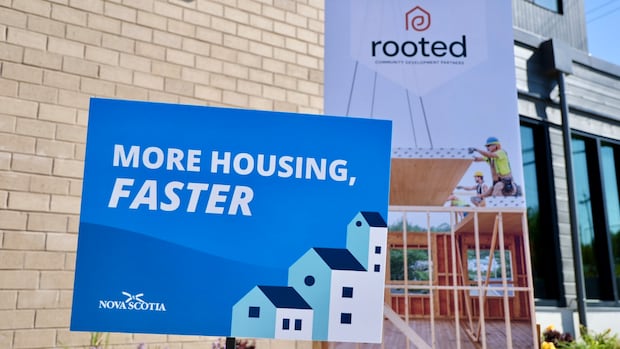
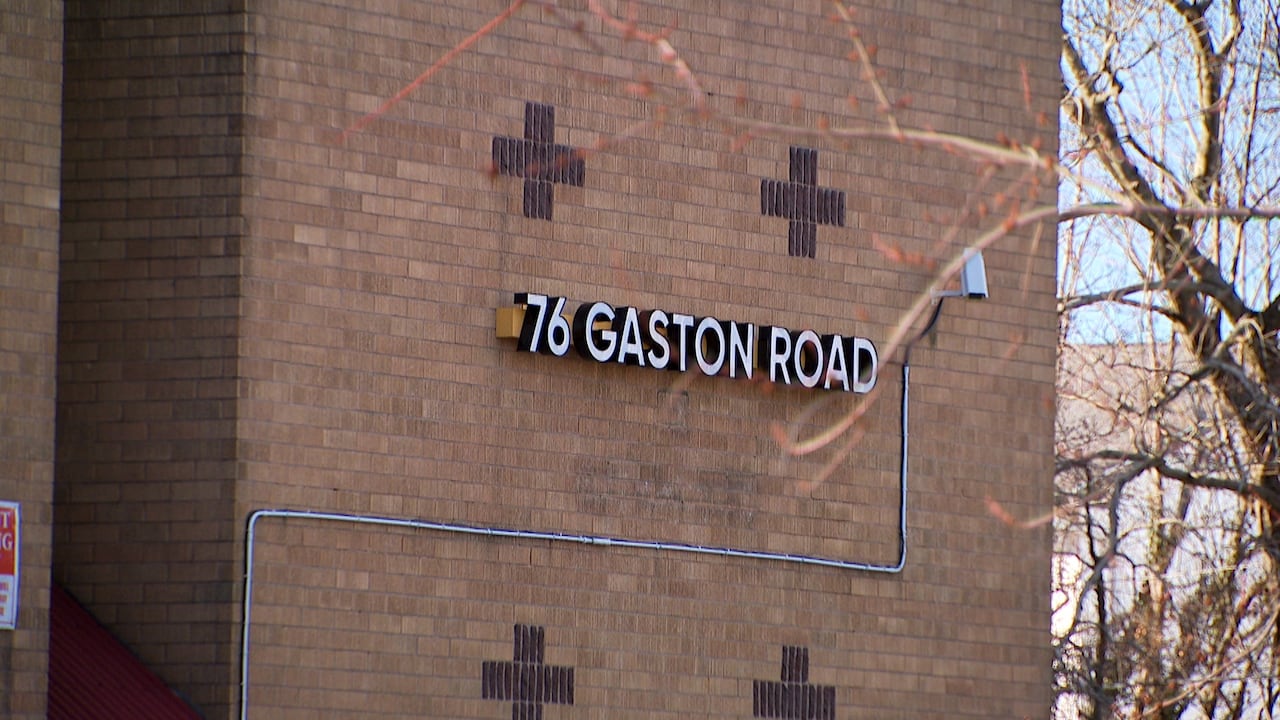
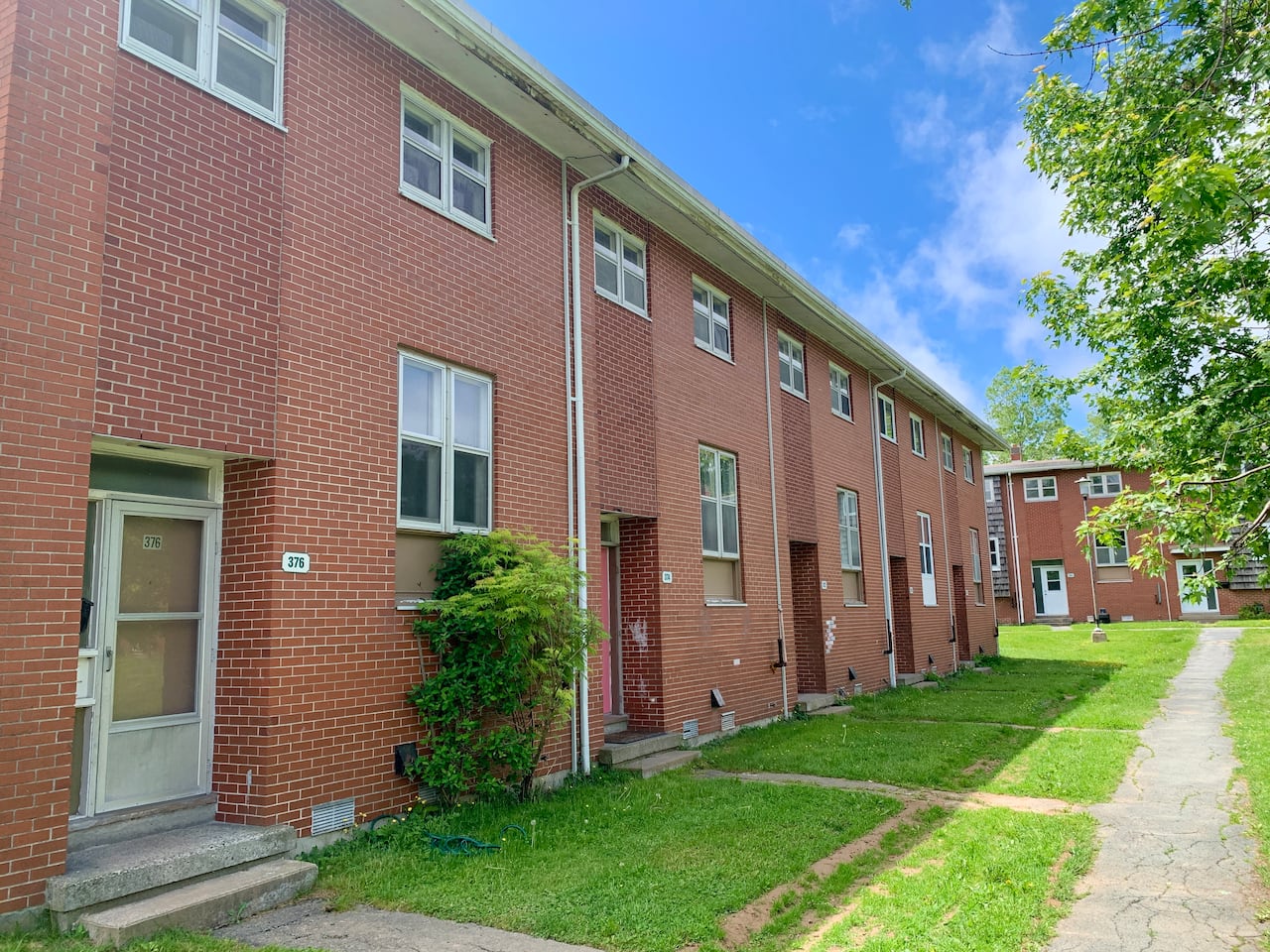
2025 was a big year for Rooted, a non-profit housing organization in Dartmouth, N.S., that bought 10 buildings with close to 300 units of housing.
“And we’re not just acquiring the units, acquiring the buildings,” said Dylan Ward, Rooted’s director of real estate development.
“We’re looking to continue to invest in that sense of community as well as just improve livability — HVAC systems, things that have been maybe forgotten about or are not prioritized over the decades that those buildings have been in existence.”
The cost of purchasing and repairing the buildings topped $36 million. Often, when for-profit housing providers acquire buildings, renovations spur tenant evictions and rents are exponentially higher on the other side. But Rooted is employing a different model.

It maintains existing tenants and keeps rents below market rates for at least 30 per cent of the units. That’s part of the deal the group struck with the provincial government to get low-cost loans and capital grants which helped make the acquisitions possible.
In three years, the province says it’s helped non-profit groups, including Rooted, buy and fix up 727 units of housing to preserve affordability.
Ward called it a “new era of investment in community housing and community development,” and one that Rooted has been making the best of. To date, it’s the largest beneficiary of provincial loans and grants for low-cost, non-profit housing.
The fiscal reality
But Ward said he’s cognizant the government’s help might not last forever, noting the province’s “fiscal reality,” which includes a $1.3-billion deficit.
Housing Minister John White recently told reporters that he’d like to maintain a “suite of programs to continue to make progress,” but that will hinge, partly, on budget deliberations.
Speaking specifically about the Community Housing Acquisition Fund, which was introduced as a pilot in 2024, White said it’s been “extremely successful,” and he’s hoping there will be money in the spring budget to keep it going beyond its March 2026 end date.
But, he added, “I can’t say what’s going to happen with it just yet.”
Ward said continued provincial support is the best-case scenario, but Rooted is working on contingency plans. He said partnerships with the private sector, and new federal housing programs — which he anticipates will come online in 2026 — could pick up some of the slack.
Additionally, Ward said Rooted’s “mixed model” of tenancy, wherein some people pay market rates to help subsidize lower-rent units, is helping to make non-profit housing more sustainable. He said he hopes the model will enable more new builds, such as the 18-unit building Rooted opened in the summer.
Eventually, he said he hopes the group won’t have to rely on government participation for every new project.
A shifting model
Stephan Richard said Rooted is not alone in planning for more independence from the government.
Richard is director of development for the Community Housing Transformation Centre, a national non-profit that administers grants on behalf of the Nova Scotia government as well as other jurisdictions. It’s in charge of the programs that enabled Rooted’s acquisitions and new build this year.
“The mindset is shifting so that organizations in Nova Scotia, but also across the country, will be more based on a social enterprise model,” Richard said. “So despite cyclical funding, that puts the non-profit sector in a much better position moving forward.”
Outpaced by for-profit sector
Cyclical funding is one challenge; Catherine Leviten-Reid said another challenge is that affordable housing is being lost at a faster pace than non-profits can preserve or build it.
Leviten-Reid, an associate professor of community economic development at Cape Breton University, said in recent years Nova Scotia has lost thousands of units of affordable housing annually. In comparison, she said the 727 units preserved through provincial programs is insufficient.
“These programs aren’t addressing the issue at scale,” she said.
“Considering how many Nova Scotians are really struggling with housing affordability and how much our rental housing stock is actually provided by the private, for-profit sector, they’re really not ambitious enough to address the problems faced by Nova Scotians.”
Richard agreed that halting the net loss of affordable housing is difficult, but he said he’s optimistic.
“The only way to do that is to empower non-profits and build the capacity so more non-profits can participate and protect those assets right across the province.”
MORE TOP STORIES