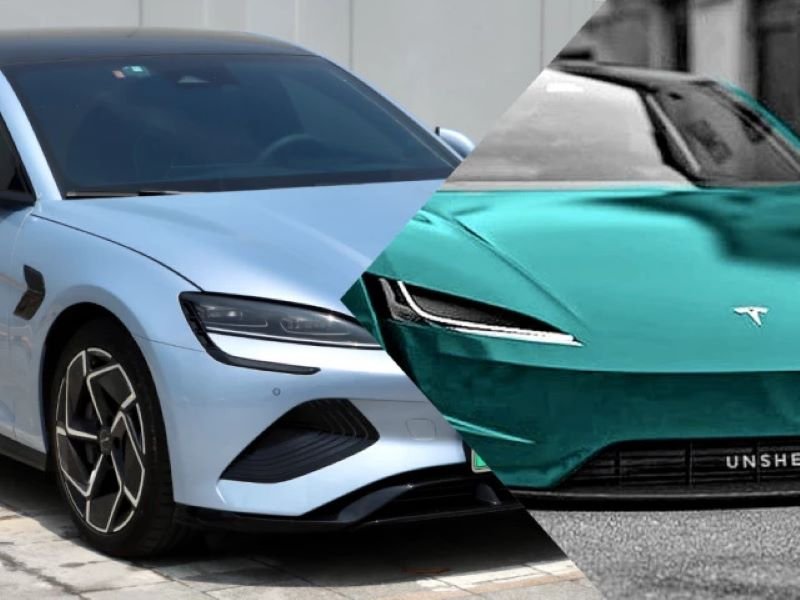
Beijing (TDI): More than a decade after Elon Musk publicly brushed off China’s BYD, the electric vehicle maker has achieved what once seemed unlikely: overtaking Tesla to become the world’s largest seller of fully electric vehicles.
BYD announced on Thursday that it sold 2.26 million battery-electric vehicles in 2025, marking a year-on-year increase of nearly 28 percent. Tesla, by contrast, reported 1.64 million vehicle deliveries, an 8 percent decline from the previous year and its second straight annual drop. Tesla’s fourth-quarter performance was particularly weak, with deliveries falling about 16 percent compared with the same period in 2024.
The moment is symbolic. In a 2011 interview, Musk had dismissed BYD outright, questioning the quality of its cars and saying he did not view the company as competition. Fourteen years later, BYD’s rapid rise has reshaped the global EV market.
Tesla’s struggles in 2025 stemmed from multiple pressures. Intensifying competition from Chinese automakers squeezed market share, while the company also faced reputational challenges linked to Musk’s political comments. According to media reports, Tesla sales weakened in several key regions as consumer sentiment shifted. The situation worsened after the United States ended its $7,500 EV tax credit in late September, dampening demand more than analysts had anticipated.
Read More: Elon Musk Stays in the Driver Seat as Tesla Denies Leadership Change
Founded in 1995 as a battery producer, BYD, short for “Build Your Dreams”, has steadily transformed into a dominant force in China’s new-energy vehicle industry. Unlike Tesla, BYD sells both fully electric and plug-in hybrid models, allowing it to reach a wider customer base. Its focus on affordable, high-volume vehicles has paid off, particularly in China, the world’s largest EV market.
Read More: Tesla Sales in the Netherlands Plummet by Nearly 50% in Q1
Despite facing steep tariffs in the US, BYD has aggressively expanded abroad. In 2025 alone, the company exported more than one million vehicles, a 150 percent jump from the year before. December set a record with 133,000 vehicles shipped overseas, and new factories in Brazil and Hungary are expected to come online soon to strengthen its global footprint.
Industry analysts point to BYD’s vertical integration as a key advantage. By manufacturing its own batteries and key components, the company has been able to control costs and protect profit margins at a time when many rivals are struggling.