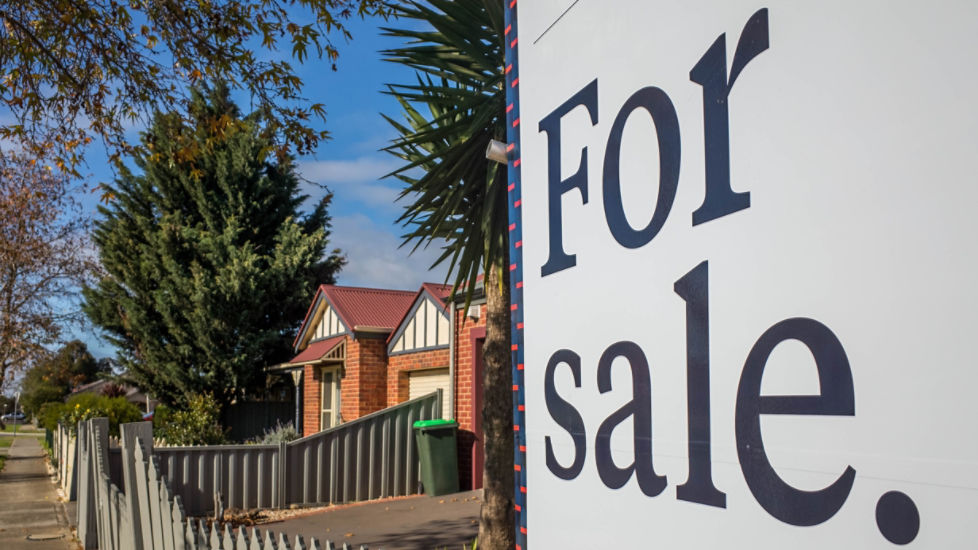
The latest PropTrack report, released on Monday, showed prices rose 0.1 per cent over the month and climbed 8.8 per cent across 2025.
Sydney and Melbourne ease at year end
Home prices in Sydney and Melbourne both declined by 0.3 per cent in December, marking a softer finish to the year for Australia’s two largest housing markets.
Despite the monthly falls, prices in both cities remained well above year-earlier levels. Sydney’s median home value reached $1.24 million after annual growth of 6.4 per cent, while Melbourne recorded a median of $854,000 following a 4.5 per cent rise over the year.
Strong momentum in Brisbane, Adelaide and Perth
Brisbane’s housing market continued to surge, with the median home price tipping above $1 million to $1.01 million after annual growth of 14.6 per cent.
Adelaide was the strongest-performing capital city in December, recording a 0.8 per cent monthly increase to a median of $908,000. Prices in the South Australian capital rose 12.8 per cent over the year.
Perth also delivered robust gains, rising 0.5 per cent over the month to a median value of $950,000, supported by annual growth of 17.2 per cent.
Regional markets outperform over the year
Regional housing markets continued to outperform capital cities throughout 2025, recording stronger price growth both over the month and across the full year.
PropTrack found regional prices rose 0.4 per cent in December and delivered higher annual growth than capital city markets, reflecting ongoing demand pressures and tighter supply conditions.
Growth expected to slow across 2026
REA Group senior economist and report author Anne Flaherty said national home prices were likely to reach further highs in 2026, though the pace of growth was expected to moderate.
“Home prices are predicted to head to new highs in 2026, however, the pace of growth is expected to slow,” she said.
“Price growth in 2025 was supported by three rate cuts.”
With no further interest rate cuts currently anticipated this year, Ms Flaherty said there remained a risk rates could rise if domestic inflation proved persistent.
Supply shortages and policy settings remain key
Ms Flaherty said limited housing supply and sustained demand were likely to continue supporting prices, potentially offsetting the impact of any interest rate increases by the Reserve Bank of Australia.
She also pointed to the federal government’s five per cent deposit scheme as a factor likely to underpin demand, particularly at the more affordable end of the market.
“The Australian government’s five per cent deposit scheme is also likely to support price growth by driving up demand, particularly at the more affordable end of the market,” she said.
Rising construction costs and ongoing labour shortages across the building sector are also expected to keep new housing supply well below what is required, placing continued upward pressure on prices.
Other data confirms strong year for housing
Separate figures released by PropTrack rival Cotality on Friday showed Australian home values rose 8.6 per cent in 2025, adding around $71,400 to the national median dwelling value.
It marked the strongest calendar-year increase in home values since 2021, when prices surged 24.5 per cent amid emergency low interest rates and heightened demand during the pandemic.