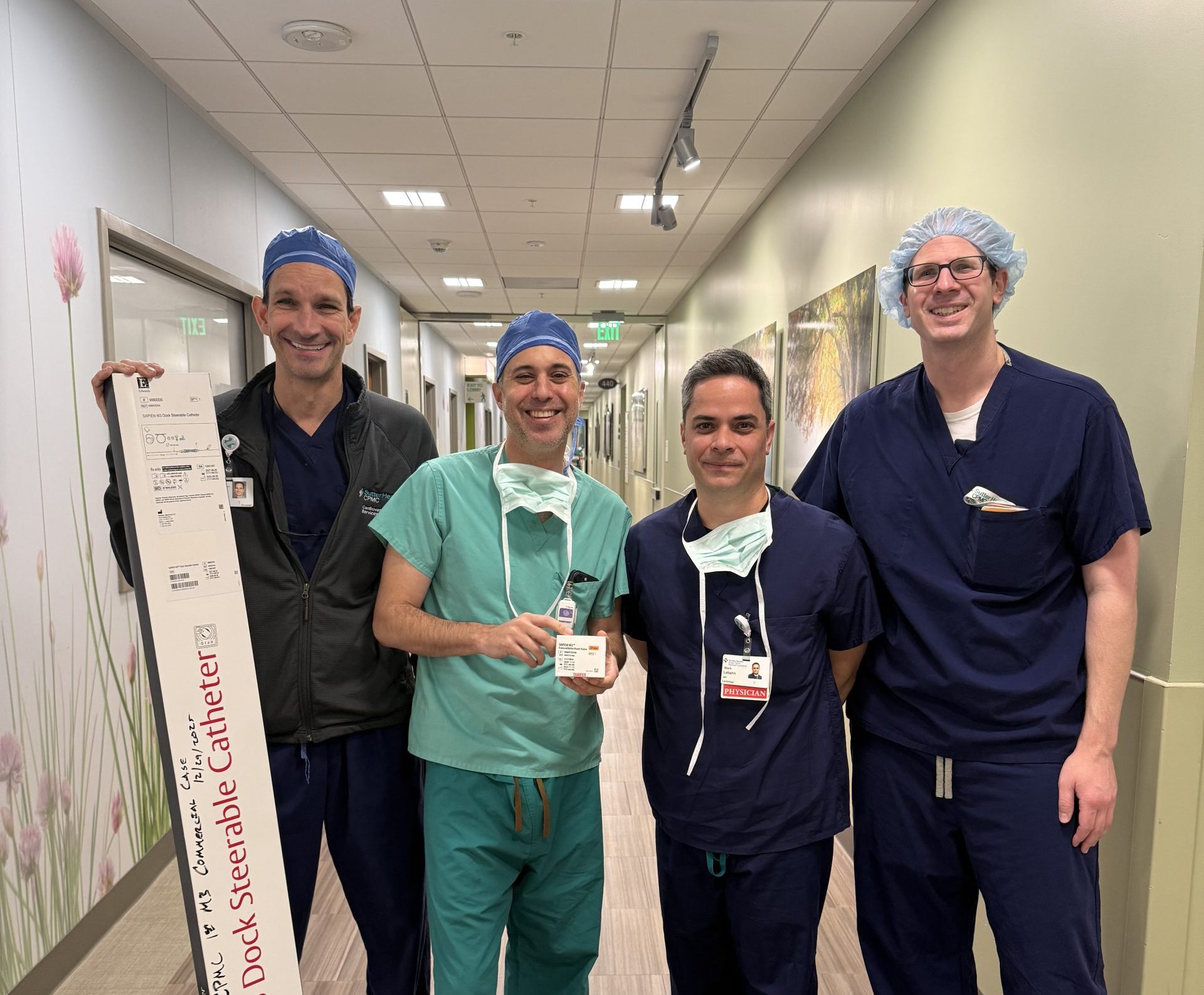
Photo (LTR): Dr. Christian Spies, Dr. David Daniels, Dr. Mark Lebehn, Dr. Bob Bellerose
Clinical research at Sutter is advancing real-world care for mitral valve disease.
When a multidisciplinary heart care team at Sutter’s California Pacific Medical Center (CPMC) gathered early one morning last month, they were preparing to deliver a new option for patients living with severe mitral valve disease.
The team was set to perform one of the first commercial transcatheter mitral valve replacement (TMVR) procedures in the United States using Edwards Lifesciences’ SAPIEN M3™ system, a new therapy approved by the U.S. FDA Dec. 23 for real-world care.
Led by cardiologist Dr. David Daniels, structural heart section chief for Sutter Health’s Advanced Heart & Vascular Service Line and national principal investigator of the pivotal ENCIRCLE trial, the team successfully completed two TMVR procedures in a single morning. They also marked another milestone – together, the cases represented some of the most streamlined SAPIEN M3™ TMVR procedures performed to date.
“It’s incredibly gratifying to see this innovative therapy move from research into real-world care,” says Dr. David Daniels. “The fact that our first commercial cases at Sutter were also among the most efficient performed to date speaks to the expertise and precision of our team. More importantly, it illustrates what’s now possible for patients who once had very limited treatment options. It truly feels like science fiction that both of these patients were successfully treated in 30 minutes each from start to finish with a fully percutaneous mitral valve replacement.”
Dr. Daniels notes he has been involved with this technology since its earliest days, when procedures could take hours. “To witness the evolution of this therapy and to help bring forward what’s possible in cardiac care is an immense honor,” he says. “I’m truly grateful to be part of this work.”
Expanding Options for Complex Mitral Valve Disease
The SAPIEN M3™ system is the first transcatheter mitral valve replacement therapy in the United States to use a transseptal approach. It is approved for patients with significant mitral regurgitation or mitral valve dysfunction who are not candidates for surgery or transcatheter edge-to-edge repair.
For decades, many of these patients had few or no viable options. Now, TMVR allows physicians to replace the mitral valve through a small catheter inserted through the femoral vein, avoiding open-heart surgery and often shortening recovery
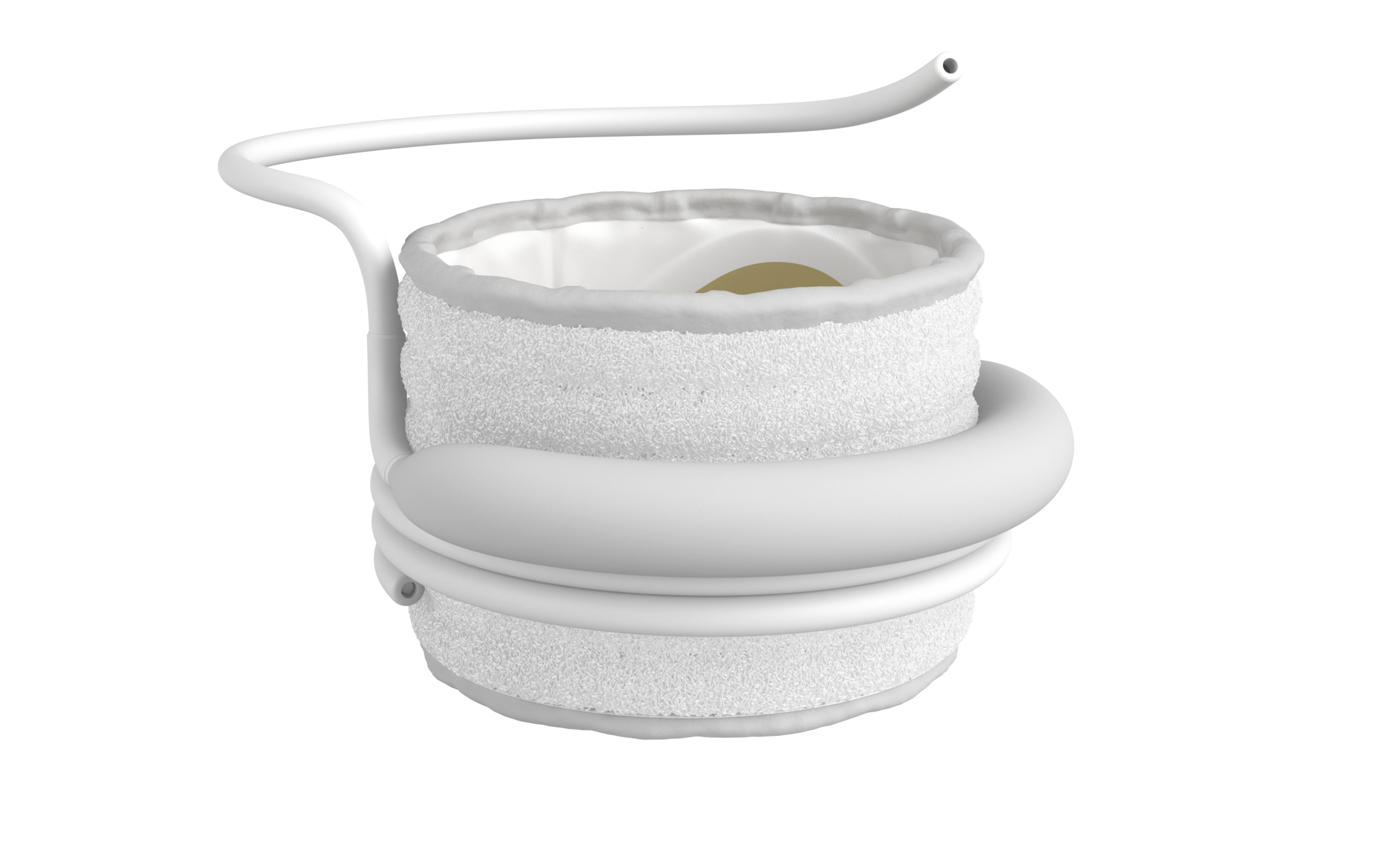
Edwards Lifesciences’ SAPIEN M3™ system
“This technology represents a major step forward for a group of very sick patients with no other option,” says Dr. Matthew Solomon, vice president and chief scientific officer at Sutter Health. “Our physician-researchers and cardiovascular care teams have worked side-by-side to bring this therapy from clinical trials to everyday practice. That collaboration and relentless commitment to clinical excellence are exactly what accelerate innovation across Sutter.”
The CPMC team included Dr. Daniels, Dr. Christian Spies, Dr. Mark Lebehn and anesthesiologist Dr. Bob Bellerose, along with a highly skilled nursing, imaging and cardiac catheterization lab team supporting the effort.
“Our structural heart teams are committed to delivering complex care with the highest level of safety, coordination and compassion,” says Dr. Michael Pham, chair of Sutter’s Advanced Heart & Vascular Service Line. “Moments like this highlight the training, trust and teamwork – including close collaboration with industry partners like Edwards Lifesciences – it takes to bring groundbreaking therapies to patients who need them most.”
Read Sutter patient’s Karine Gasparyan’s story here.
Clinical Research Driving Real-World Impact
The one-year ENCIRCLE pivotal trial, published in The Lancet, demonstrated that 95.7% of patients treated with the SAPIEN M3™ transcatheter mitral valve replacement system achieved near-complete elimination of mitral regurgitation with meaningful improvement in symptoms and quality-of-life.
Sutter’s Dr. Daniels played a key role in the research that helped make FDA approval possible, and now its clinicians are among the first to bring this therapy into clinical care.
“For our patients, it’s all about access to having the latest therapies. This progress in care will directly impact how they feel and function. It will mean greater energy, less limitation and more freedom in their daily life, and that’s huge,” says Dr. Daniels.
Looking Ahead
As adoption of TMVR grows, Sutter’s structural heart teams will continue advancing minimally invasive therapies for complex valve disease, grounded in research, collaboration and patient-centered care.
Find heart and vascular care close to home and join clinical trials at Sutter for those eligible.