What’s going on here?
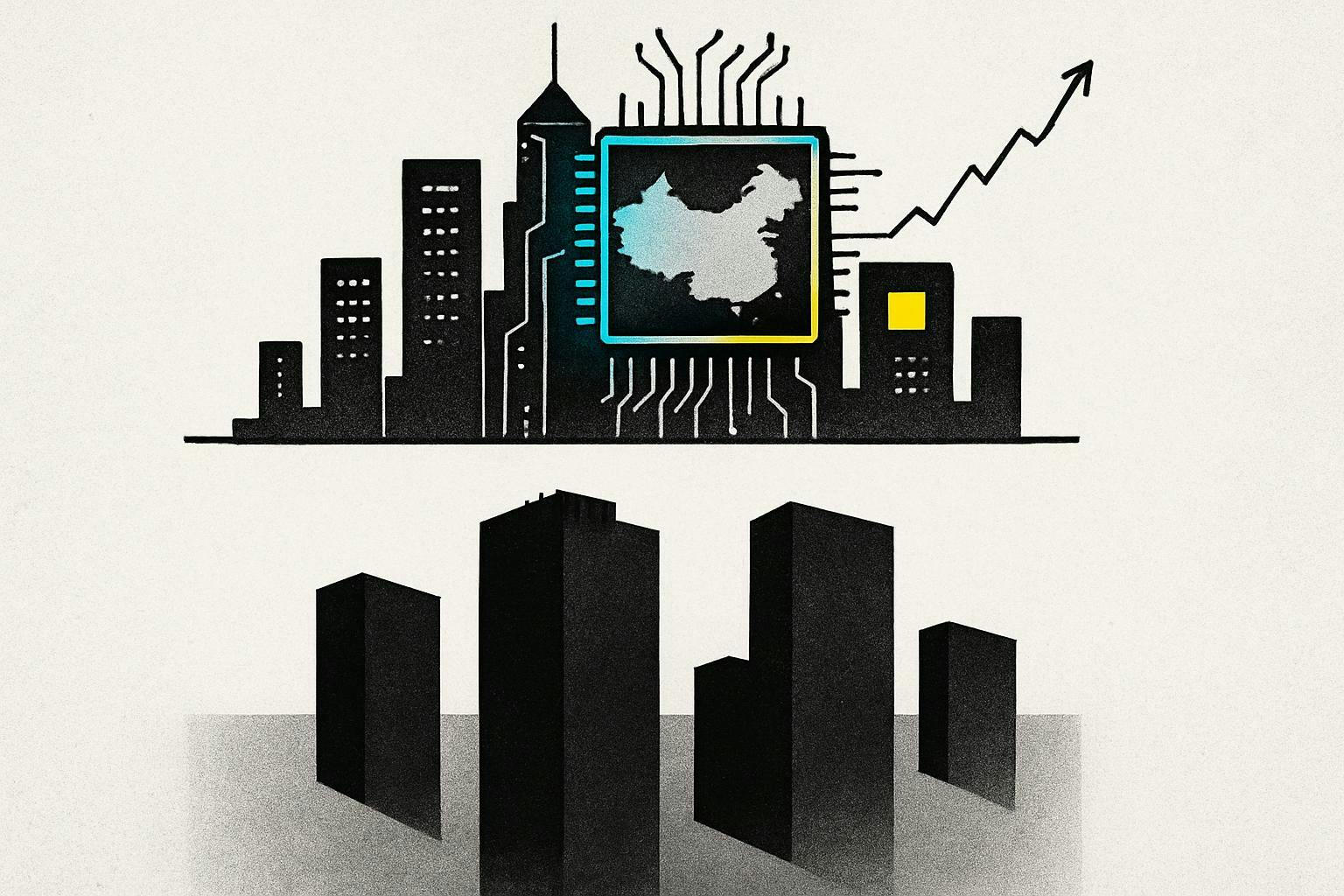
China and Hong Kong stocks are on track to end the week higher, powered by a sharp rebound in artificial intelligence (AI) and tech names, even as property developers and some consumer brands weigh on the rally.
What does this mean?
China’s CSI 300 and Shanghai Composite indexes both edged higher on Friday, extending their weekly gains, and Hong Kong’s Hang Seng Index is still up for the week despite a small daily dip. The real action has been in AI and tech: onshore AI-related stocks have surged about 6.5% this week after four straight weeks of losses, and Hong Kong–listed tech heavyweights have climbed nearly 4%. That suggests investors are leaning back toward growth and innovation plays as major indexes approach multi-year highs. Local broker Huaxi Securities expects that tilt to continue, projecting that by 2026 China’s market will be dominated by technology and high-dividend stocks – but also that higher indexes will come with sharper swings, making entry timing and technical signals more important. The rally still has weak spots, though: sportswear makers Anta Sports and Li Ning slipped after a Reuters report said they were among firms exploring a potential takeover of struggling German brand Puma, and state-backed developer Vanke’s Hong Kong shares fell nearly 2% to a record low on renewed debt-restructuring worries, echoed by softer bond prices.
Why should I care?
The bigger picture: Tech advances while traditional sectors struggle
Hong Kong’s market reflects a clear divide between digital winners and old-economy losers. The Hang Seng sits 33.34% higher than a year ago, though it’s slipped 1.46% over the past month. This week’s trading range—between 25,862 and 26,089—shows the market taking a breather after its big run. Tech and digital infrastructure companies attract buyer interest, while property and traditional sectors face headwinds. Long Forecast models suggest the index will trade sideways through 2028 before any meaningful breakout. Investors are voting with their wallets, backing companies with strong business models and avoiding those tied to yesterday’s economic playbook.
Zooming in: Markets wait for Beijing’s next move
The Hang Seng added just 18 points on November 27, trading in a tight range between 25,862 and 26,089 this week. Most investors are sitting on their hands until China’s Central Economic Work Conference in December. Beijing did announce plans to boost consumption—including rural consumer goods upgrades and support for pet-related sectors (yes, really)—but these moves barely rippled the market. Until the conference delivers concrete policy signals, expect more of the same quiet trading. The market’s essentially in wait-and-see mode, with any big moves likely on hold until Beijing shows its cards.