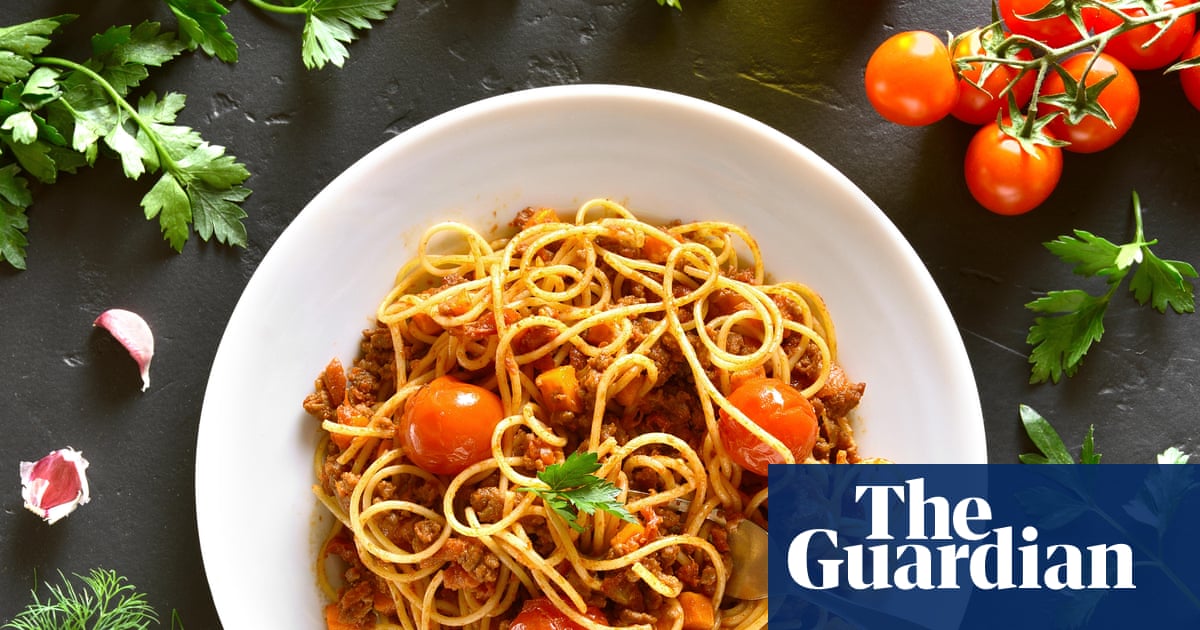
Pork is the “new beef”, with Britons increasingly making the money-saving meat swap for dishes such as spaghetti bolognese or T-bone steak, according to a new report.
With the latest official figures showing beef price inflation running at 27%, customers are looking to buy pork cuts that you would typically associate with beef. That list runs to free-range fillets and short ribs as well as T-bone and rib-eye steaks, Waitrose says in its annual food and drink report.
Recipe searches for “lasagne with pork mince” have doubled on its website, while searches for “pulled pork nachos” are up 45%. Its sales of pork mince are up 16% on last year, as home cooks adapt favourite recipes.
Pork is making a “massive comeback but in a premium way”, according to Matthew Penfold, a senior buyer for Waitrose. Shoppers can buy pork for a fraction of the cost, with a fillet costing about £20 a kg, while beef is £80 a kg or more.
The annual exercise by the upmarket retailer highlights the food trends that will shape what is being sold on supermarket shelves. Ones to watch include new portmanteau flavours “spour” (spicy and sour) and “fricy” (fruity and spicy). It also flags the rise of the “fibremaxxing” movement, which involves going to town with linseeds and dried fruit.
But while much of this excitement is driven by TikTok, the increased demand for pork is down to cold, hard economics as shoppers make tight household budgets stretch further.
This cost consciousness is also behind the renaissance of the baked potato – if it ever went away. Sales of large potatoes are up by more than third in Waitrose stores but bog-standard toppings such as beans and cheese will no longer do. The alternatives dreamed up by food influencers include kimchi, and chicken shawarma with tahini.
The impact of high food prices on shopping habits is writ large in separate figures prepared by the Agriculture and Horticulture Development Board (AHDB).
With the average price for a kilogram of beef mince in the shops up by 37% year on year in the 12 weeks to 2 November, the quantity sold tumbled nearly 11%. Consumers were opting to buy smaller 250g packs (saving £1.77 on average compared with a 500g pack) and frozen mince instead, it said.
The financial squeeze meant consumers were seeking out cheaper proteins such as chicken, pork sausages and fish, AHDB said. Its data showed pork mince sales volumes surging 36.6% year on year, and chicken mince by 65.6%. “Some consumers are looking for cheaper substitutes for cooking their family favourites such as spaghetti bolognese or chilli con carne,” it said.
Katharina Erfort, the principal at the supply chain experts Inverto, said higher feed and labour costs were among the factors driving beef prices higher. “That has led to a reduction in the raising of beef cattle in the UK, impacting the overall supply. Pork has traditionally been cheaper to produce because pigs need far less feed than cattle – around four times less for every kilo of meat,” she said, adding that they also required less space and reached full size in about six months.