What’s going on here?
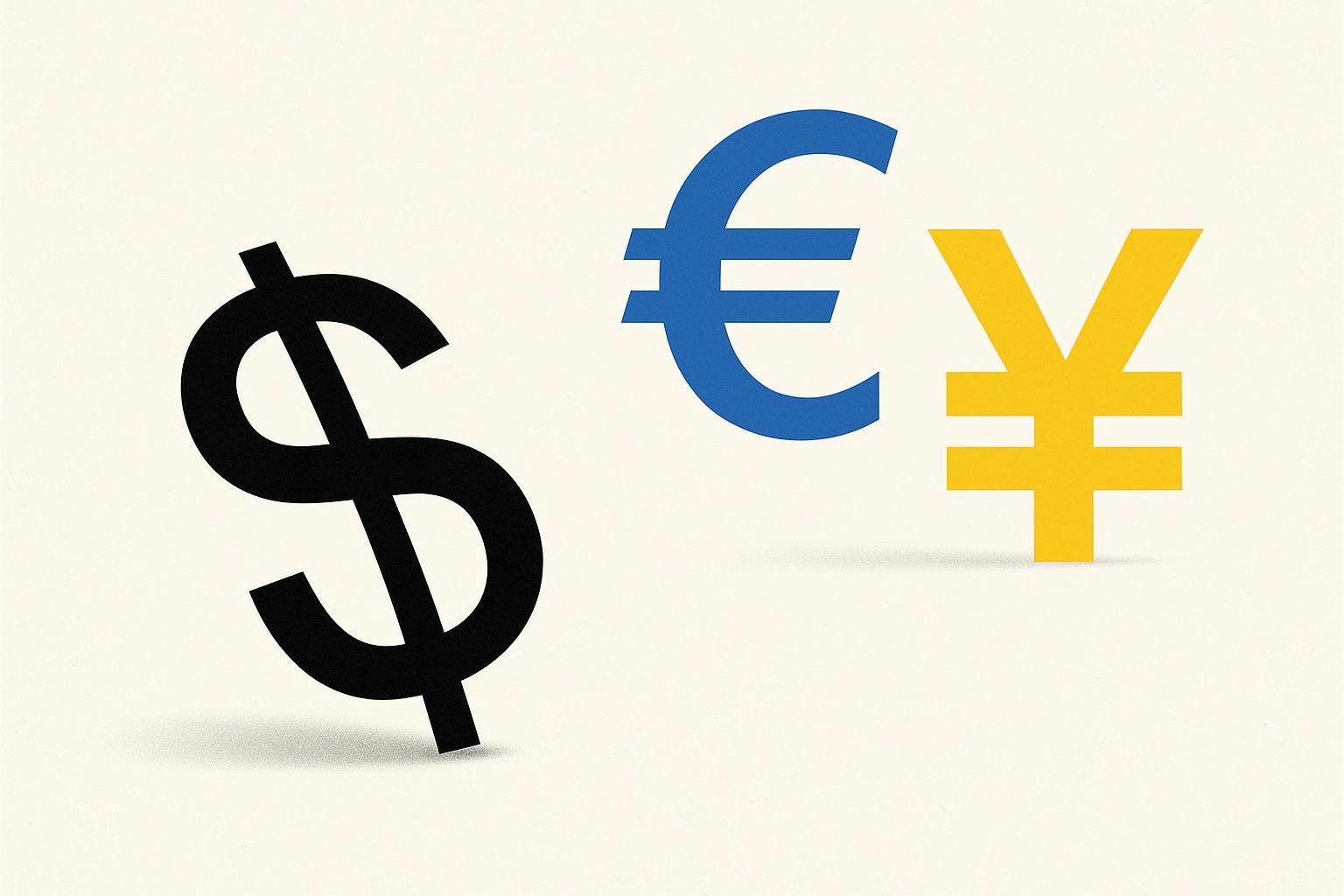
The US dollar took a step back this week, with mounting confidence that the Federal Reserve is about to cut interest rates—boosting the euro, yen, and other major currencies just as global central banks gear up for a flurry of meetings.
What does this mean?
Traders now see a 90% chance the Fed will trim rates at its next meeting, according to LSEG, with at least two more cuts expected this year. The dollar index edged down 0.2% to 98.906, while the euro and yen strengthened. Softer US job numbers added fuel to the idea that the dollar’s gotten ahead of itself. There’s also chatter about a potential Fed leadership shake-up, with Kevin Hassett rumored as a possible replacement for Jerome Powell—which could mean even looser policy. Meanwhile, central banks from Tokyo to Frankfurt are lining up rate decisions, and shifting paths could spark big moves across currency markets in the days ahead.
Why should I care?
For markets: Interest rates call the shots.
The Fed’s expected shift is already rippling through financial markets. A softer dollar is driving investors to size up opportunities in currencies like the euro and yen. Small moves—like a modest 0.1% euro gain and steady yen at 155.15—reflect a wait-and-see mood, but a potential rate hike from the Bank of Japan could strengthen the yen and upend carry trades. That could force investors to redraw strategies as well as rebalance global portfolios.
The bigger picture: Global central banks face a turning point.
A packed run of central bank meetings—from Australia and Canada to Japan and Europe—underscores a shift in policy momentum. With core US inflation inching higher and speculation swirling about Fed leadership, investors face a world where currency and asset values could swing sharply. That means risk assets, from stocks to crypto, may see more volatility as diverging rate plans reset global market dynamics.