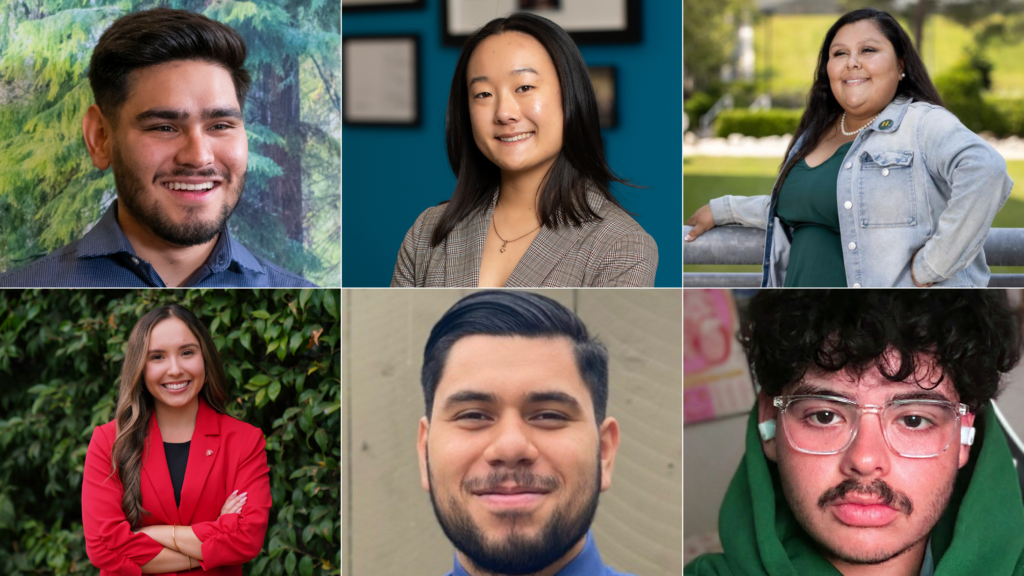
Top row, from left: Alex Sanchez, Cal State LA; Rylee Jue, Cal State Monterey Bay; Veronica Zaragoza, Cal Poly Humboldt. Bottom row, from left: Eryka Lepper, Stanislaus State; Carlos Garcia Sanchez, Cal State San Marcos; Oliver Sanchez, Stanislaus State.
What did you learn in 2025?
At the year’s end, EdSource posed that deceptively simple question to a group of college students around California. Their answers hinted at some of the technological changes and political disruptions that have defined 2025 on so many university campuses. But they also spoke to the perennial challenges and triumphs of college life: relief at earning a B when a C seemed more likely, gratitude for friends that made a difficult semester feel a little lighter, and the hopeful uncertainty that awaits after graduation.
Somewhere between multivariable calculus and web development classes — somewhere between leading student government or working at an off-campus internship — college students around California learned things that don’t fit neatly into a transcript. They learned timeless techniques for self-care, ample skepticism of artificial intelligence, the need for persistence despite hurdles, and the confidence that they are bolder and more capable than they previously thought. And maybe take a deep breath and some breaks from social media and screens.
An award, a word of support and a third try
After two unsuccessful attempts at a bachelor’s degree, Alex Sanchez thought he might try something completely different: an apprenticeship in construction.
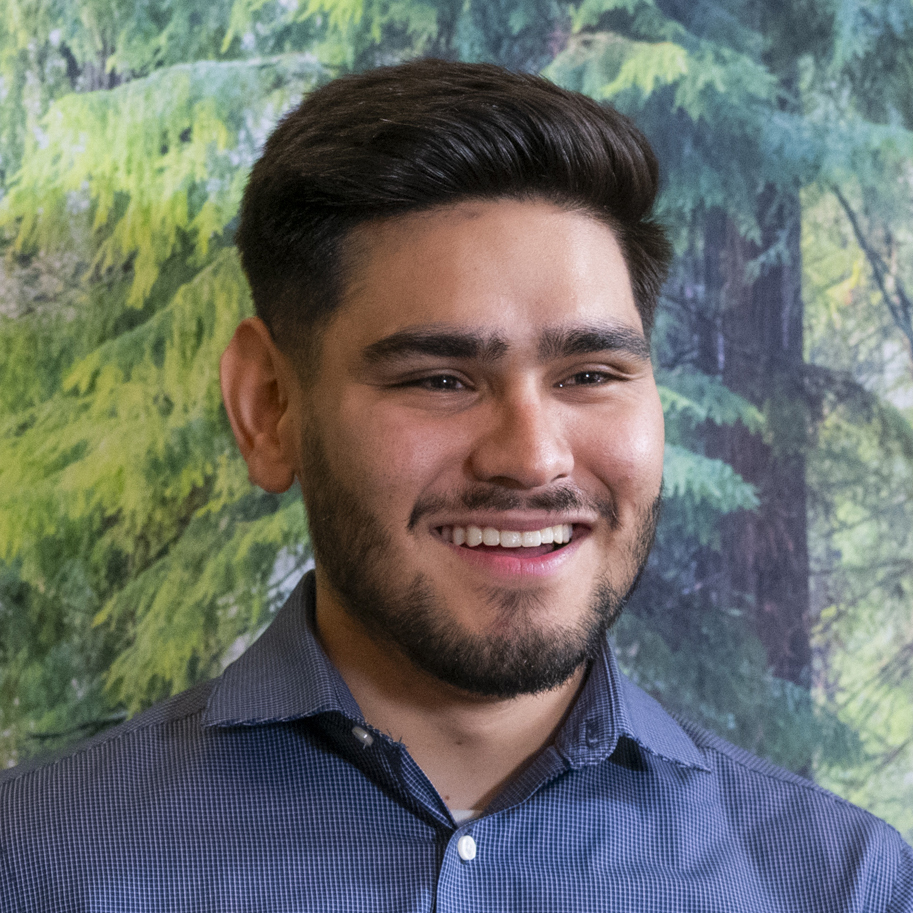
He was making good money for his age, and he liked working with his hands, but Sanchez was exhausted and bored. “Hey, kid,” he remembers his boss asking him, “what are you doing here?”
Sanchez decided to give college a third shot. This time, he studied mechanical engineering.
And that’s how Sanchez, now 27 and set to graduate from Cal State LA in May this year, won a research competition across all 22 California State University campuses. He also snagged internships at the Jet Propulsion Laboratory research and development center and at a NASA facility in Cleveland, Ohio, that specializes in jet engines and energy storage, among other areas.
Research requires, at times, frustrating trial and error. On his last day at NASA, Sanchez marveled at what other interns had achieved, accomplishments that made him feel “like I did nothing compared to these guys.”
A mentor dispelled his fears. “You’re doing higher fidelity work than some of the engineers here,” he told Sanchez.
Those words have stuck with him — perhaps the most memorable lesson he learned all year. NASA is full of “wicked smart, super-cool people,” he said. To have even one of them say that about him, that’s reason enough to keep pushing.
Between college and parenting, quiet moments of rest
Veronica Zaragoza, 35, is one semester away from earning a bachelor’s degree.
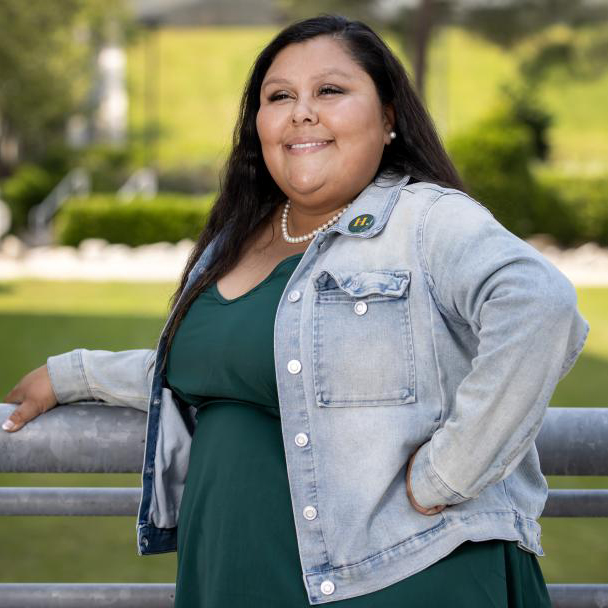
It’s a hard-earned milestone for Zaragoza, a single mother of six children studying social work in a mostly remote program at Cal Poly Humboldt. “It’s hectic here,” she said of her home life. Her children attend three different schools. She lost one of two jobs this year, a financial setback.
But there were reasons to celebrate. Zaragoza won a California State University Trustees’ Award, a recognition for advocating on behalf of low-income students with dependents. She maintained the GPA she hoped to achieve.
She now facilitates a student-parent group as part of an internship toward her social work degree.
In between, she has tried to adopt the same coping strategies she wants to instill in other student parents. “If I don’t take care of myself, I’m not going to be able to take care of my family,” said Zaragoza, who lives in Southern California.
Her self-care routine is simple. Five minutes to herself in the bath. A few moments to meditate or read her Bible in the car. “It’s really helped out a lot,” she said, “and I’ve been teaching my kids that it’s good to always get away from the electronics, the screens and all that stuff and just take care of yourself for a minute.”
Seeing through a new lens
When Carlos Garcia Santos, 26, enrolled in a marketing internship class this year at Cal State San Marcos, he found the work “a little intimidating.”
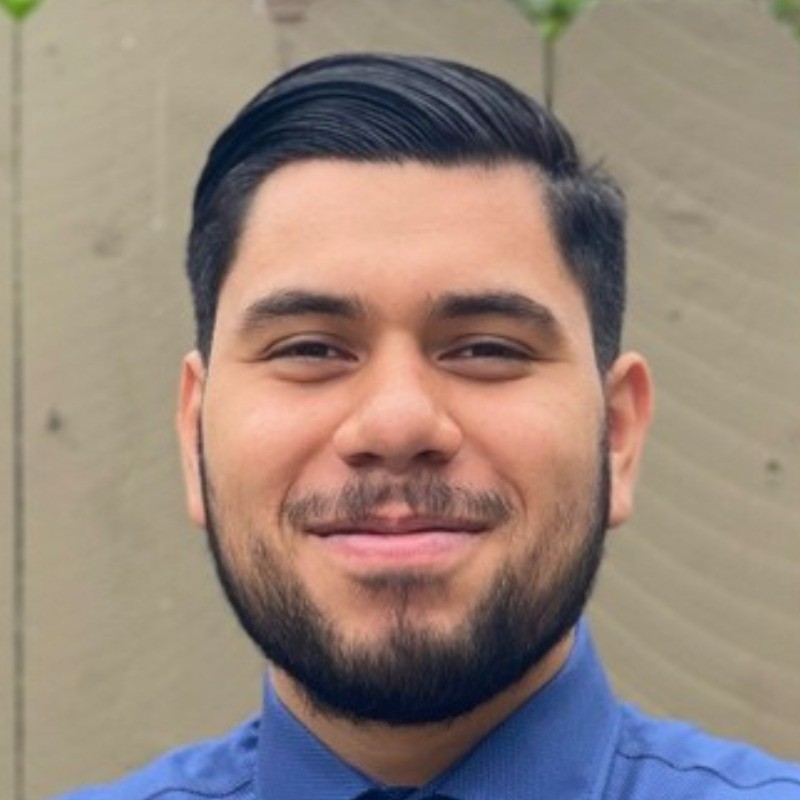
Garcia Santos had served for four years in the Marines. But now, interning for a small business that sells refurbished designer eyeglass frames with rose-colored lenses, he felt new doubts. “Do I really know as much as I think I know?” he wondered.
He worked for an entrepreneur who was knowledgeable and passionate. At first, Garcia Santos worried about asking questions that would make him look silly.
But then he embraced the reality that he had a lot to learn. He worked to improve the shop’s email and text message marketing campaigns. He fixed website glitches. “I try to take it in like a sponge — take everything in, even if I sound a little dumb,” said Garcia Santos, who will graduate in the spring semester.
And he soon realized that he wasn’t the only person who felt a touch of impostor syndrome. “I have a class, over 30 other students with me, that are like, ‘We’re right there with you, man. We’re doing this together. We’ll figure it out along the way.’”
Navigating ‘a touchy subject’ on campus
Asked an open-ended question about which federal, state or university policy impacted them most in 2025, a few students had a ready answer: California State University’s decision to roll out a ChatGPT subscription across its campuses.
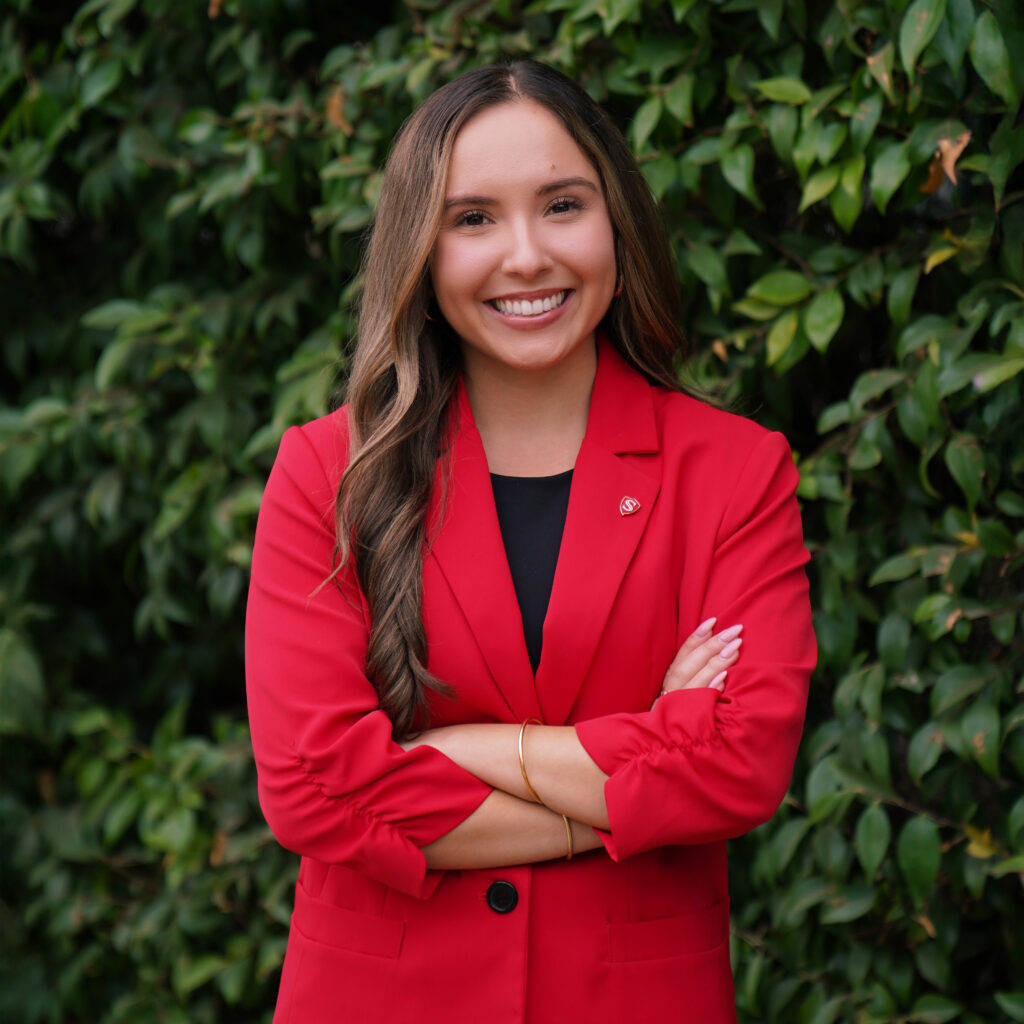
Eryka Lepper, 22, the outgoing student government president of Stanislaus State, said artificial intelligence has become “a touchy subject.” She’s opted not to use ChatGPT in her schoolwork. “I don’t know what that’s going to do to people in the long term,” said Lepper, a senior who finished her last semester of college this fall. “I feel like it’s going to make some of us a little bit lazier.”
But Lepper feels she can’t avoid artificial intelligence entirely. Are other students gaining an advantage, leaving her behind?
Why do some of the asynchronous online classes she took this year feel easier than the first Merced College course she took as a 14-year-old? “I don’t know if that has to do with this new technology,” she said.
“What’s going to happen with universities if students are using AI and if they’re not using it the right way?”
Teaching others — and learning himself
Oliver Sanchez, a 20-year-old math major at Stanislaus State, can chart personal growth this year well beyond learning formulas and multivariable calculus.
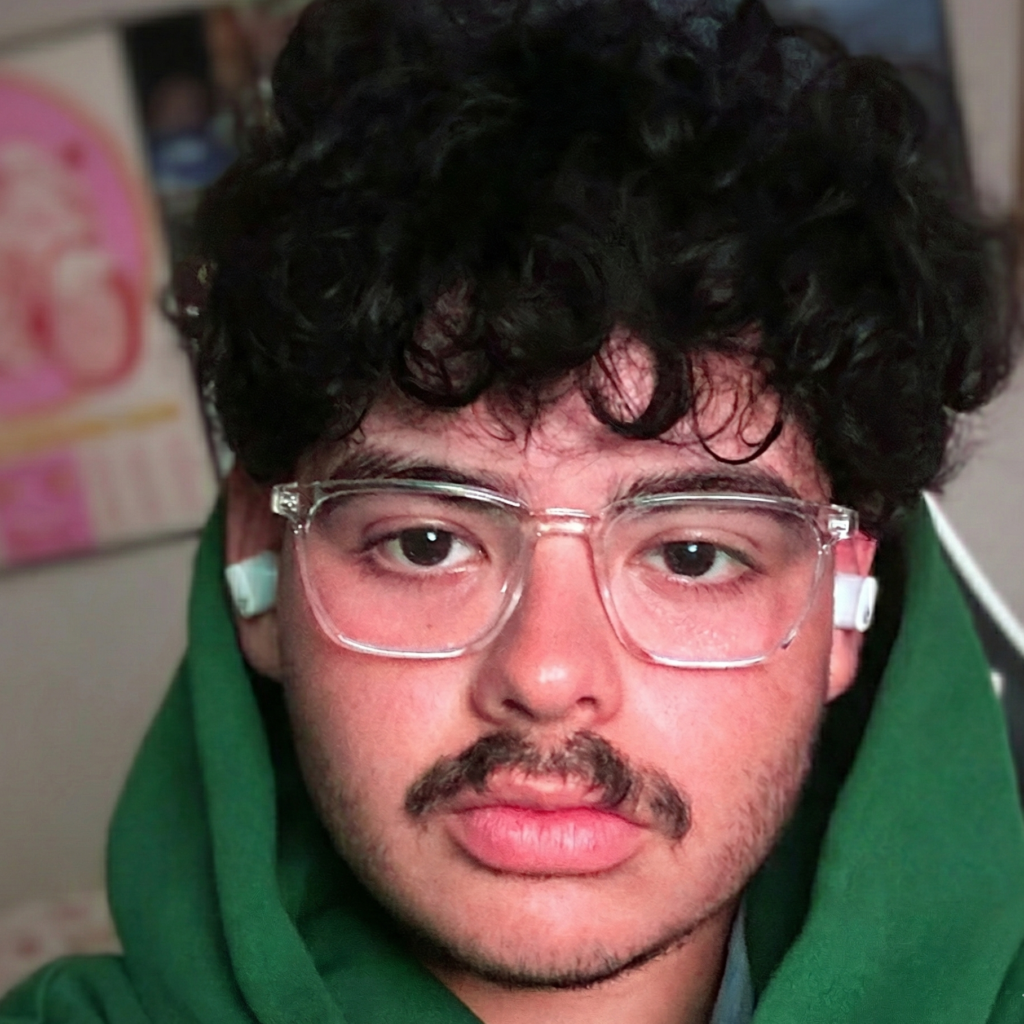
Besides his studies, he also serves as a campus ambassador for the College Corps, a state program that places student fellows at community organizations and, in exchange, helps them pay for school.
Sanchez used to prefer that others ask questions or lead presentations. Gaining new confidence this year, he said, “I’m not the one standing behind people as they talk; I’m the one who steps up and talks.”
That growing assurance is one reason Sanchez is starting to focus on a potential career as a math teacher.
It’s a path that probably wouldn’t surprise the classmates who have joined him for a group study session. “I try teaching someone (else) how to do it,” he said, “so I can learn it myself.”
A D.C. stalemate didn’t stifle her
Rylee Jue, a third-year student at Cal State Monterey Bay, landed in Washington, D.C., this fall, eager to intern for a member of the U.S. Congress.
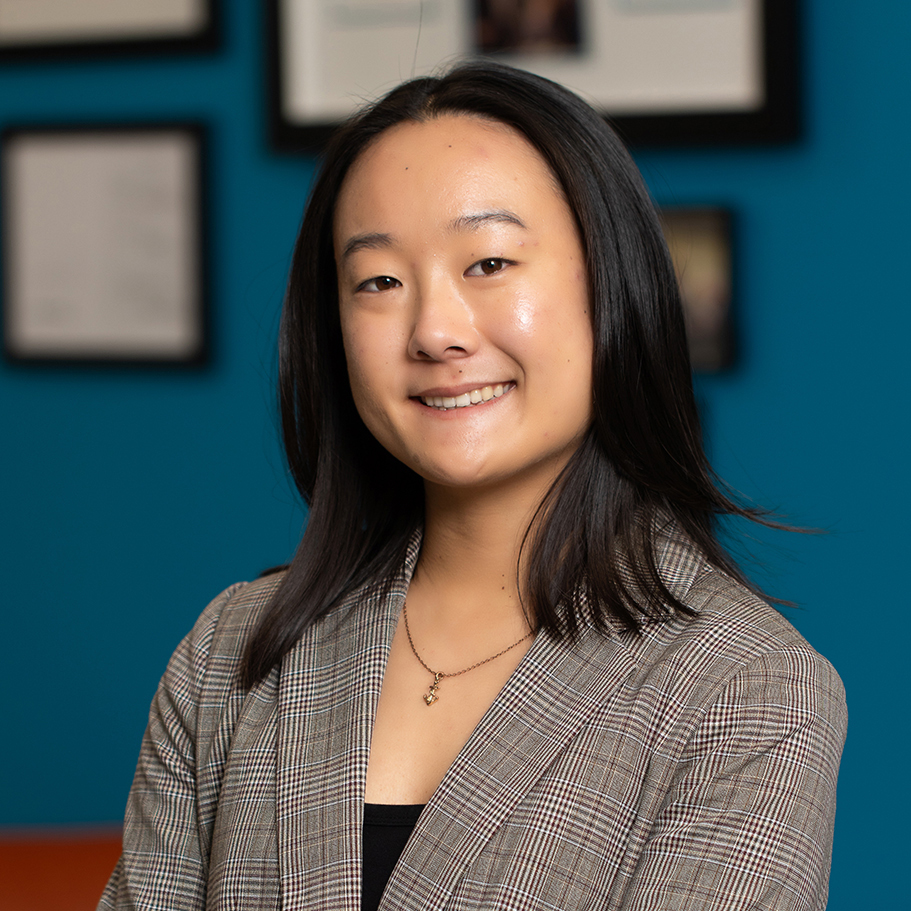
Then came a historic stalemate. The White House began a 43-day government shutdown.
Public policy — and education policy in particular — was a theme of Jue’s year. She participated in a student leadership program with the Campaign for College Opportunity, an organization that works to expand access to higher education. She also helped draft a student government statement in support of immigrant and undocumented students.
It would be easy to feel apathetic after witnessing the shutdown’s record political impasse.
And Jue, 20, knows the chaotic politics of 2025 may leave some feeling angry and demotivated. But she returned home to California’s Central Coast feeling inspired. “Why would we waste our energy being mad when we can be out there advocating?” she said.