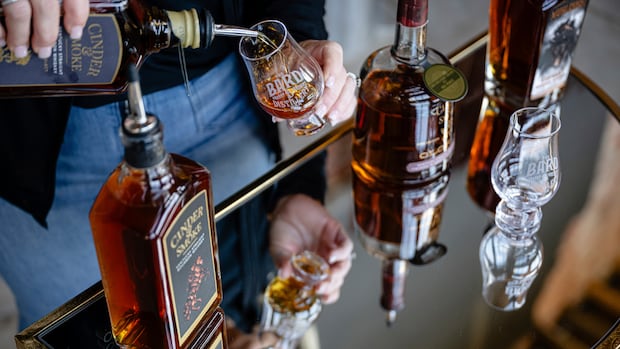
It’s been a long time since many Canadians have felt the burn. That familiar aromatic, spicy and sometimes smoky flavour of a smooth, Kentucky bourbon has been but a memory for consumers in this country for much of the past year.
Ever since U.S. President Donald Trump launched his tariff war and began threatening to make Canada the “51st state,” angry consumers and lawmakers have united behind a “Buy Canadian” movement and bourbon was caught in the crossfire.
“People didn’t want to to lose their bourbon and neither did I,” said Ottawa-based whisky expert Davin de Kergommeaux. But he, like so many other consumers, supports the boycotts of American products in favour of Canadian alternatives.
Canada had been a key market for the bourbon industry and major brands like Jim Beam and Maker’s Mark for quite some time. But despite his desire to see bourbon back on shelves and behind the bar, de Kergommeaux — who literally wrote the book of Canadian Whisky — believes the liquor landscape here may have changed for good.
Retaliatory tariffs are hitting Kentucky bourbon hard, and the governor has implored Canadian leaders to reconsider. CBC’s Katie Simpson meets a bourbon maker who shows her hate mail he’s getting from Canadians.
Souring on American whiskey
Bourbon really began to boom in Canada a little over a decade ago, de Kergommeaux says, thanks to aggressive marketing campaigns and consumers looking for something a little different from what they were used to.
“It doesn’t taste like traditional Canadian whisky at all,” de Kergomeaux said. “It’s a big, bold whisky, and quite bright, quite sweet.”

Craig Peters, founder and CEO of Maverick Distillery in Oakville, Ont., says what makes bourbon unique is that it’s distilled and aged in new oak barrels that are only used once, which is what gives the liquor its darker colour and rich caramel and vanilla flavours.
In addition to the oak barrels, for bourbon to be called that, it has to be made using at least 51 per cent corn mash and, most importantly, experts say, it has to be produced in the U.S.
But Peters says it still “holds its own special place with consumers” in Canada, either sipped neat or on the rocks, or mixed into cocktails like Manhattans, paper planes and the classic old fashioned.
But as a result of the cross-border animosity, exports of bourbon to Canada from January to September dropped about 60 per cent compared with a year earlier, going from 41.3 million to 16.4 million units according to the Distilled Spirits Council of the United States.
Bourbon producers have been pleading with provinces to resume stocking U.S. booze — Saskatchewan and Alberta have done so, while Nova Scotia and Manitoba are selling off existing stock — and with the Trump administration to ease trade tensions. However, that’s not the only challenge the industry is facing.
Whisky sales globally were already slumping and Peters says there’s been a glut of bourbon as a result of overproduction in the past few years.
But he says all of this has created the perfect opportunity for distilleries like his to stir things up in the Canadian whisky world.
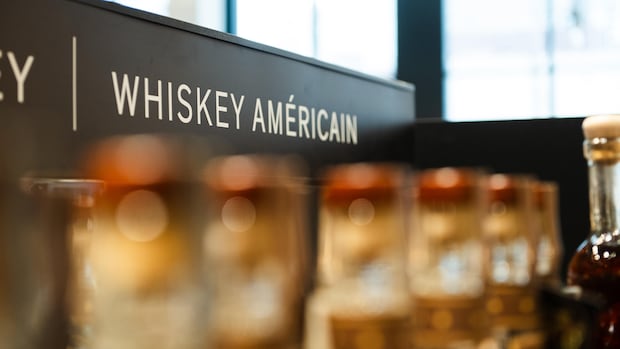
Canadians are rushing to buy stockpiles of boycotted U.S. liquor. Davin De Kergommeaux, author of Canadian Whisky: The Essential Portable Expert, discusses the impact U.S. products are having on Canadian whisky.
Bourbon by any other name
Maverick Distillery had already been importing barrels of bourbon from the U.S. to produce a line of its own blended whisky, but Peters says the company is now also bottling “straight up 100 per cent bourbon.”
“Although we can’t call this baby bourbon,” he said, holding up a bottle, which is labelled Kentucky whisky, “it is actually a five-year Kentucky bourbon bottled here in Canada.”
The federal Spirit Drinks Trade Act of 2006 restricts the use of names of alcohol produced in specific geographic areas in foreign countries.
Aside from bourbon, other examples of such spirits include scotch (Scotland), cognac (France) and tequila (Mexico).
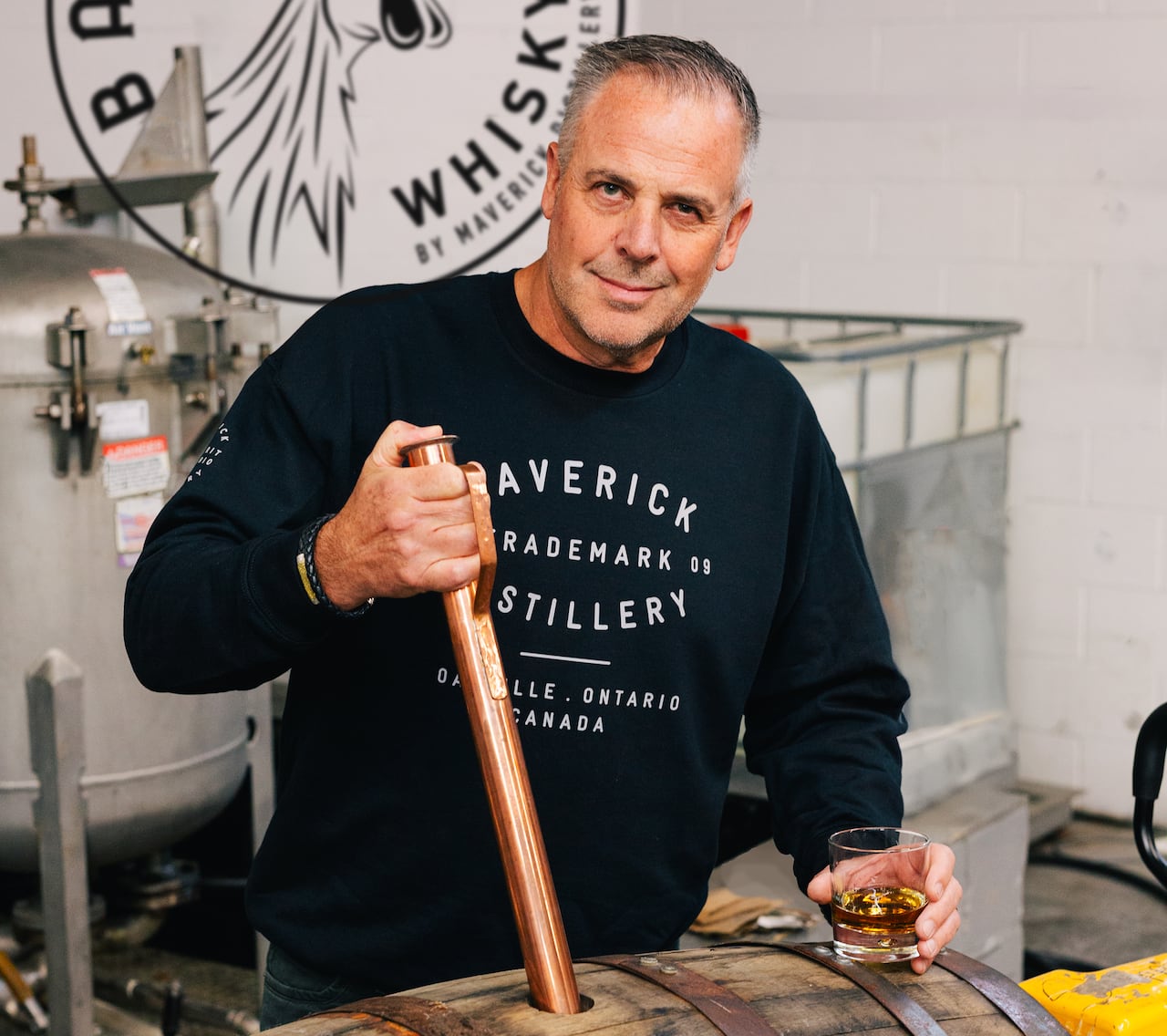
Peters says consumer demand for bourbon was high enough that he didn’t feel it was contrary to the “Buy Canadian” sentiment to have staff at his Ontario distillery bottle what is truly an American product.
De Kergommeaux says what Maverick is doing is “kind of out of step” with efforts to prioritize Canadian products over U.S. imports.
“This is not anti-American, this is buy Canadian,” he said.
But that doesn’t mean he’s not looking forward to cracking open his own bottle of Maverick’s Kentucky whisky at some point soon.
De Kergommeaux says he’s not aware of any producer in Canada that is bottling actual bourbon other than Maverick, and he’s not expecting many others to start.
That Canadian spirit
Although he notes some other distillers across the country have begun blending bourbon-style whisky variations, with names like BRBN and Berbon, to cater to those still craving that taste of Kentucky, where the majority of U.S. bourbon is produced.
While he says these kinds of subsititutes don’t taste quite the same, he suggests many are quality whiskies that can be used in a Manhattan or sipped straight up with a couple drops of water, as he does.
And it’s not just U.S. tariffs contributing to what industry watchers say is a global downturn in whisky and liquor sales overall — in general, more people are eschewing alcohol, while sales of cannabis beverages are also rising.
Which is why de Kergommeaux is excited to see a Canadian product back in the spotlight and thriving.
He says that rather than worrying about a downturn, Canadian producers big and small are having trouble keeping up with demand.
“I think that people have been trying to find bourbon and trying to find Canadian whisky that tastes like bourbon,” he said, “and in the process, they have been tasting a lot of Canadian whiskies and wishing they had given them a chance sooner.”
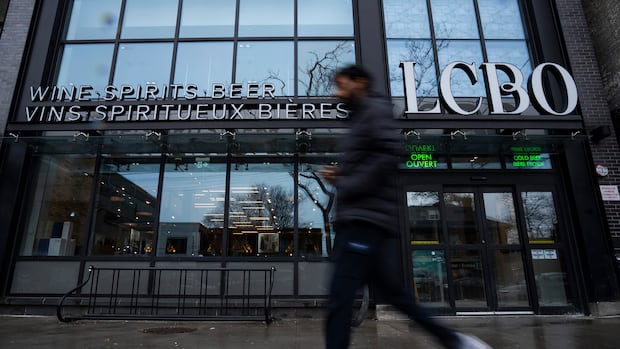
The Distilled Spirits Council of the United States claims in a submission to the office of U.S. Trade Representative Jamieson Greer that Canadian retailers are giving unfair advantage to local spirits. Meanwhile, some Canadian distilleries say pulling U.S. booze off shelves has only add a small increase to their sales.