Researchers have analyzed the preserved specimen jars Charles Darwin took during his Galapagos voyage after 200 years of them remaining untouched.
Sat in the London’s Natural History Museum (NHM), the study used lasers to understand more about the…
Researchers have analyzed the preserved specimen jars Charles Darwin took during his Galapagos voyage after 200 years of them remaining untouched.
Sat in the London’s Natural History Museum (NHM), the study used lasers to understand more about the…
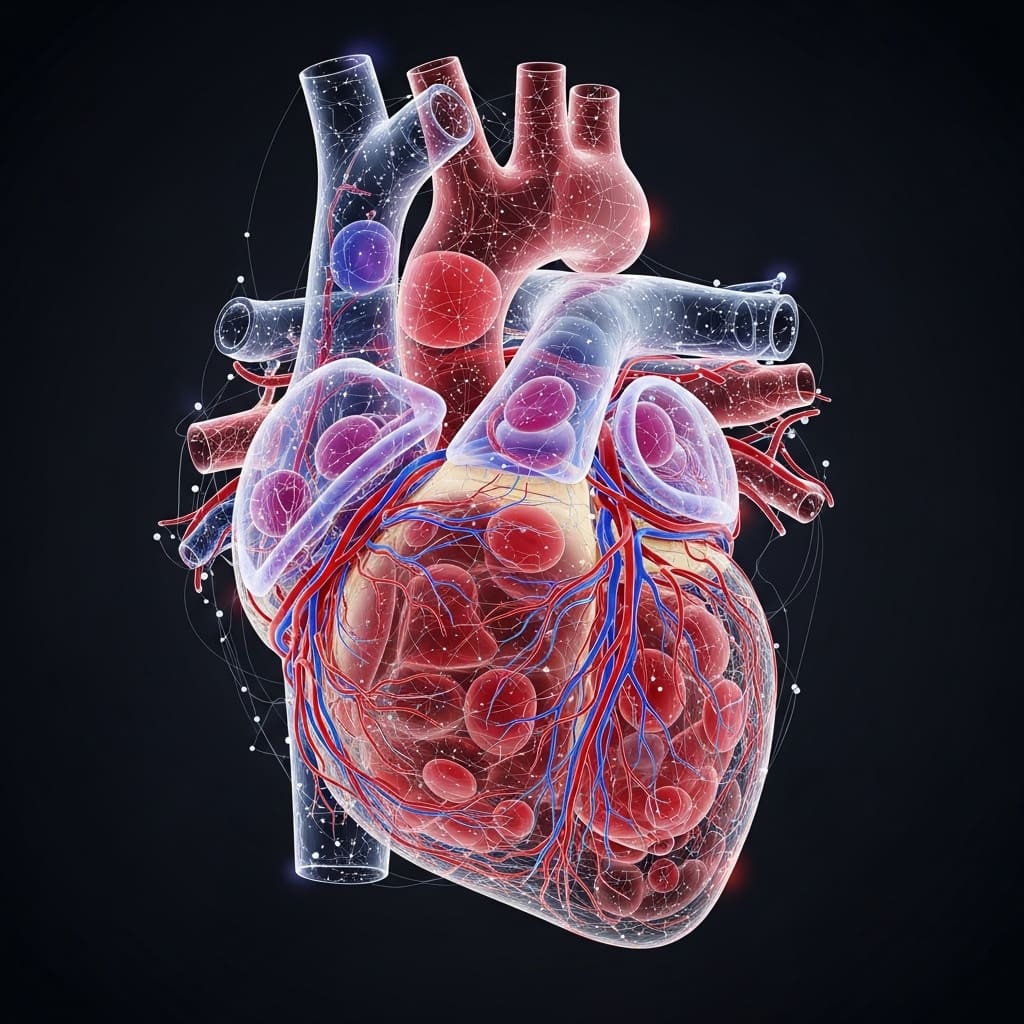
Researchers are tackling the computational burden of simulating left ventricular (LV) mechanics, a crucial aspect of understanding cardiac function and planning interventions. Siyu Mu, Wei Xuan Chan, and Choon Hwai Yap, all from the Department…
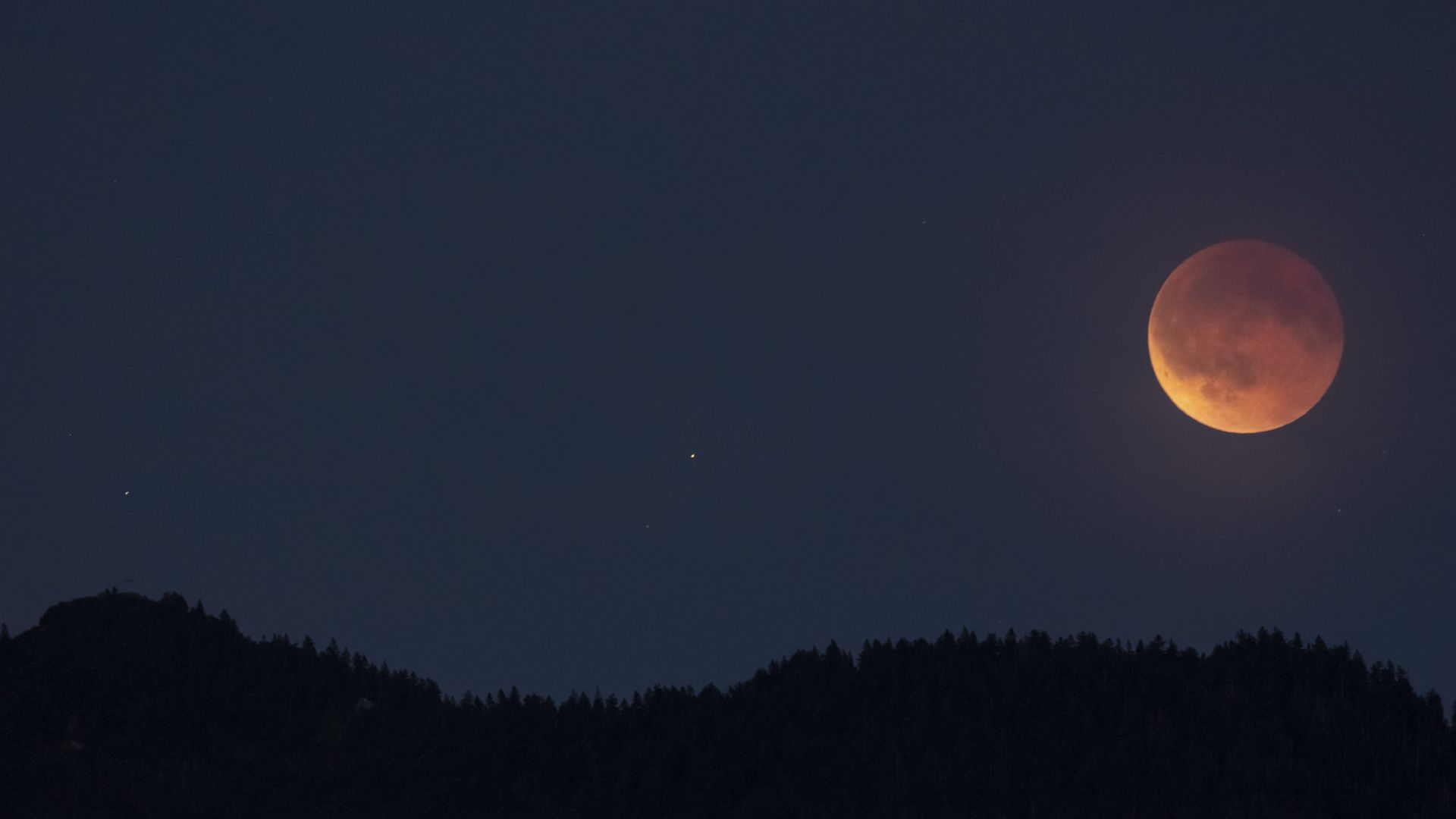
On March 3, 2026, a total lunar eclipse will be visible across the night side of Earth, with the best views from Australia, the Pacific, and the western half of North America. A total lunar eclipse occurs when the moon drifts into Earth’s…
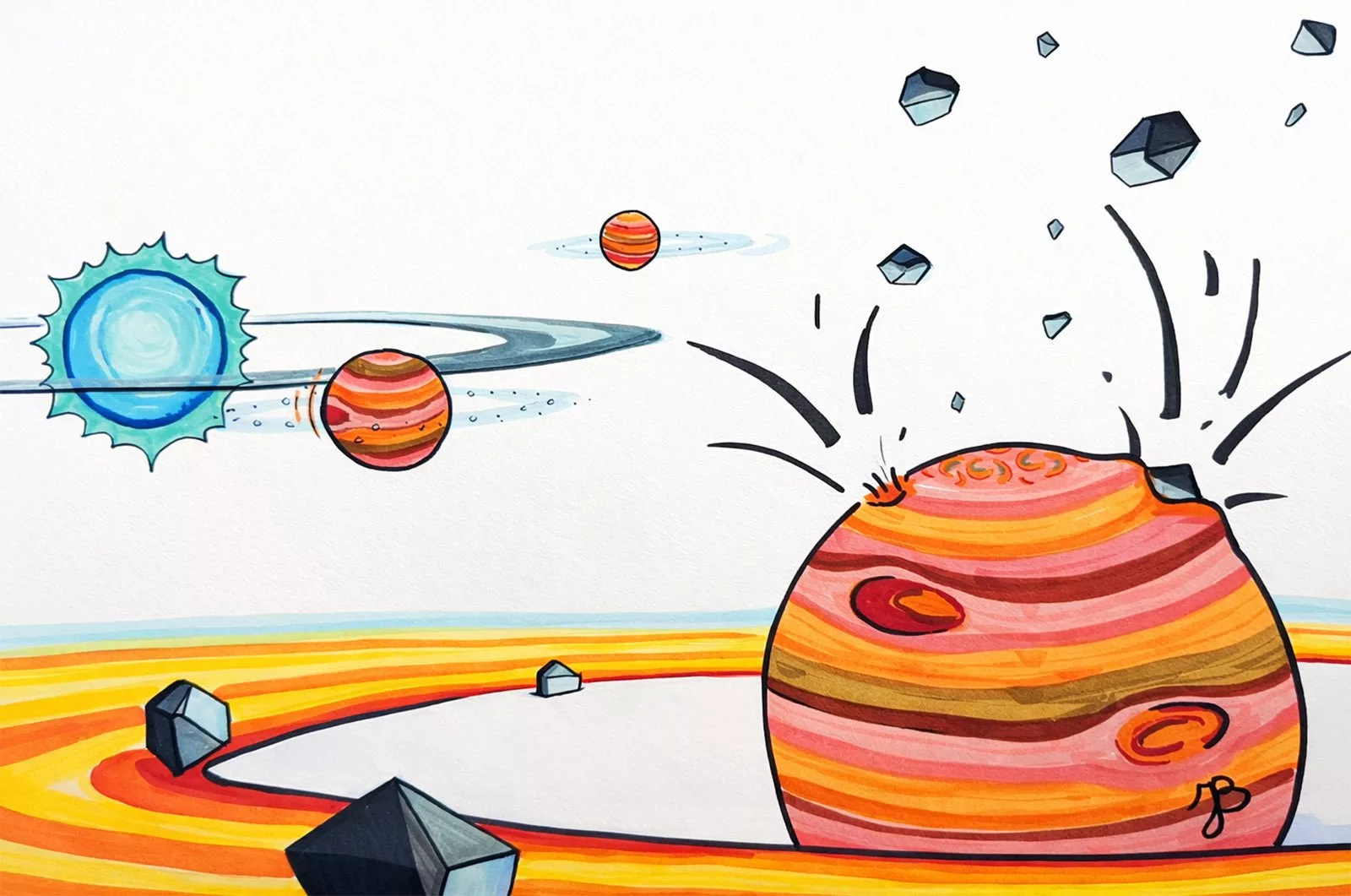
There’s a comforting idea in planetary science. That no matter how strange a distant world looks, its beginnings might still feel familiar.
For decades, astronomers have argued about how super Jupiters, giant planets several times more…
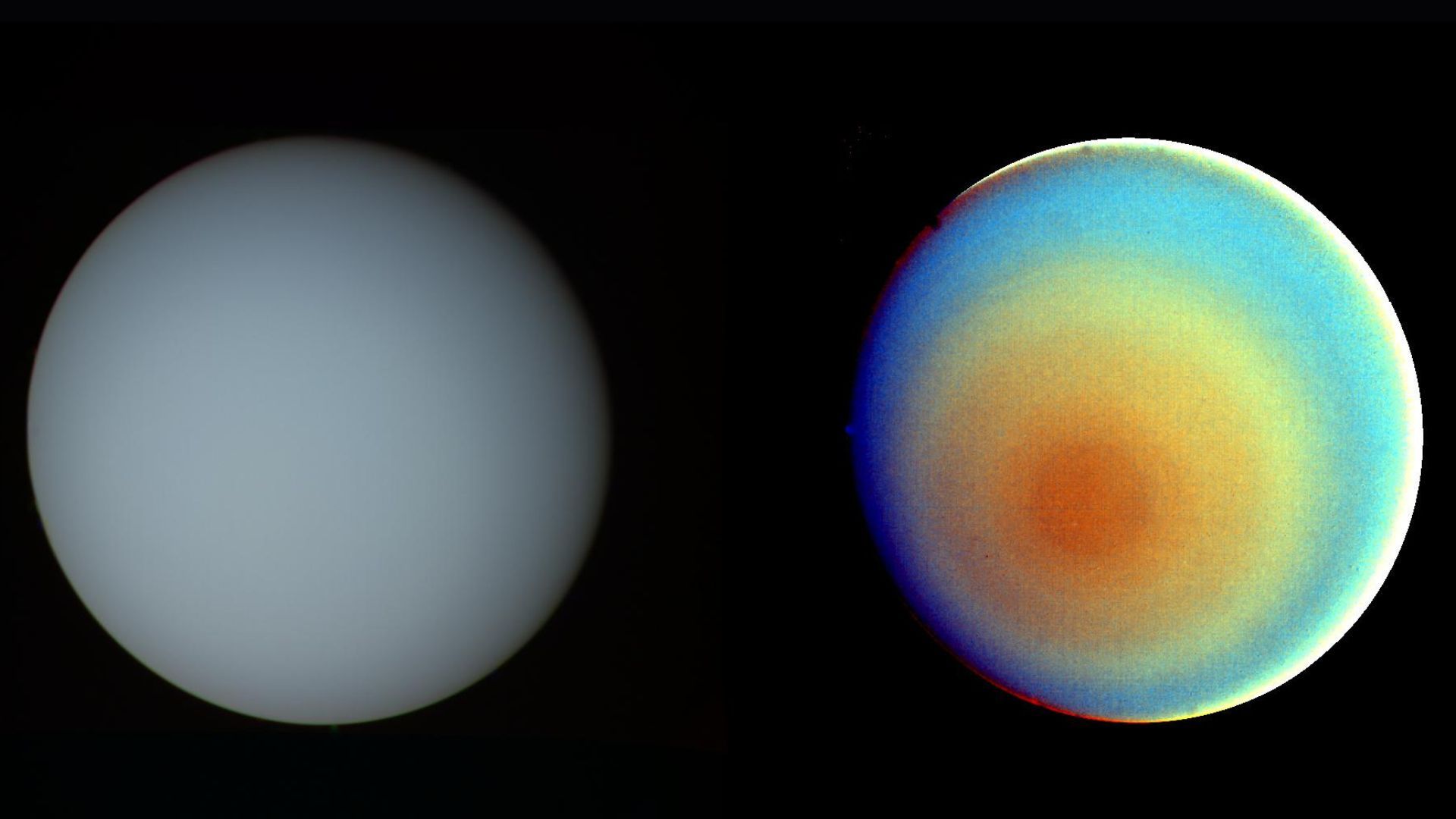
Scientists may have solved a long-standing mystery surrounding Uranus’ extraordinarily strong radiation belt.
A new analysis of Voyager 2 data suggests that a temporary space weather event may have made the planet’s electron radiation belt more…
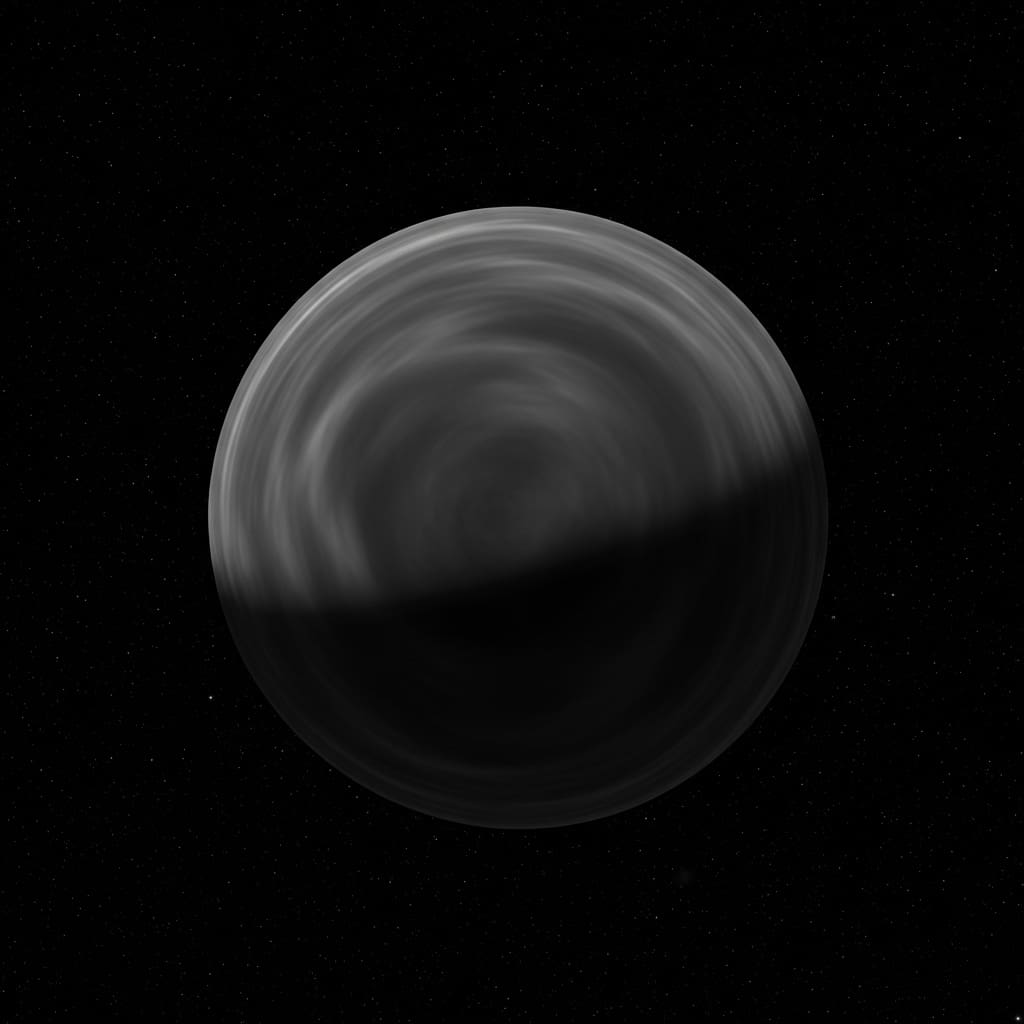
Researchers are increasingly investigating alternatives to black holes to resolve the singularity problem at the heart of gravitational collapse. Shounak Ghosh from the Directorate of Legal Metrology, Rikpratik Sengupta from the Indian…
The first solar eclipse of 2026 will take place on February 17, when the Moon will partially cover the Sun and create a Ring of Fire, a striking celestial event also known as an annular solar eclipse.
Astronomers explain that this phenomenon…
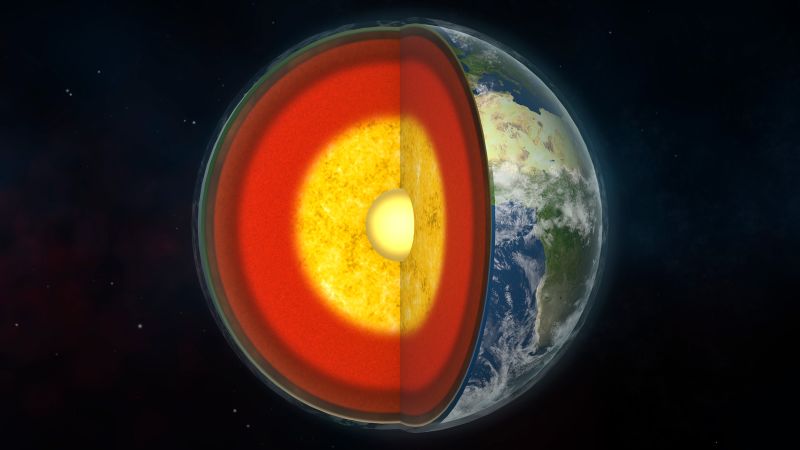
Picture all of Earth’s oceans, which cover about 70% of the planet and are mostly made of hydrogen. Now multiply that by nine. That may be the amount of hydrogen in Earth’s core, possibly making it the…