
While the Nvidia keynote at CES 2026 on Monday afternoon brought the usual cavalcade of robots, autonomous driving models and massive commercial hardware for AI, its low-key gaming news didn’t get to join the party. Given there’s no new gaming…
Author: admin
-
Utilizing AI CAD for early pandemic screening in chest radiographs
Statement on the second meeting of the International Health Regulations. Emergency Committee regarding the outbreak of novel coronavirus (2019-nCoV). (2005).
Continue Reading
-
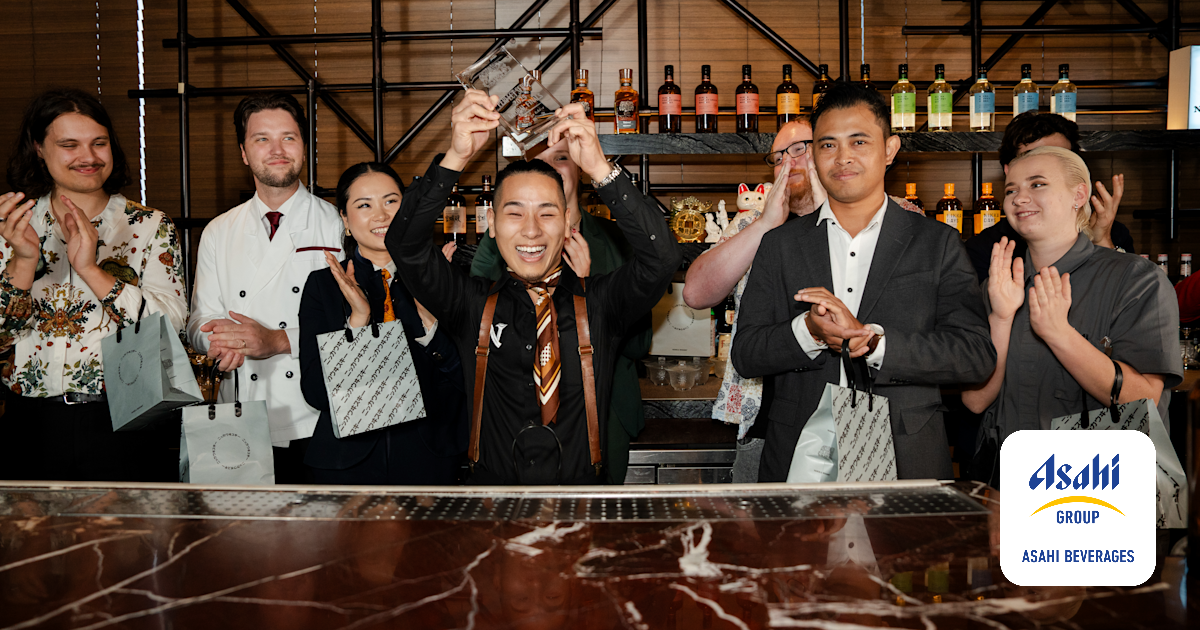
Sydney cocktail king crowned world’s best bartender
From a Sydney bar to the world stage, Takashi Matsumoto has been named the world’s top
bartender, beating some of the biggest names in mixology.Takashi impressed judges with his creativity and calm precision, rising above rivals from
America, Europe and Asia in the Nikka Perfect Serve global final, held recently in Hong Kong.The prestigious event challenged contestants on a range of skills including hospitality,
communication, bartending, product knowledge and creativity, as well as the choice and
taste of the cocktails.This competition’s theme, Bridging Time and Taste, asked contestants to create a drink that
connects the timeless tradition and modern innovation of Nikka Whisky, which has been
making whisky since 1934, drawing inspiration from their own heritage.Participants could use any Nikka spirit – whisky, gin, or vodka – to bring their vision to life,
preparing three cocktails: two omakase drinks improvised for judges playing different guest
roles, and their signature Bridging Time and Taste cocktail.Like Nikka, Takashi was born on Hokkaido, Japan. This link inspired his winning cocktail, drawingon the flavours of apples, famous in the northern region of Japan, heather, lavender and Yoichi whisky to create a perfectly balanced flavour hit.
His cocktail Northern Legacy is a tribute to the journey of Nikka Whisky founder Masataka
Taketsuru, who studied whisky-making in Scotland. Masataka later returned to Yoichi, which
he chose for its climate, proximity to the sea, and natural surroundings – so like Scotland, but
10,000 kilometres apart.Nikka still uses coal-fire pot stills for all its whiskies, a traditional distilling method once
commonplace in Scotland, and ages in oak barrels, creating the smoking character traits
Scottish whisky is famous for.Winner Takashi Matsumoto said his life has ‘completely changed’ since winning the title.
“Bartending is a unique job, maybe more like a passion,” he said.“Every night, I meet new guests. To make that time great, I have to make wonderful cocktails. Studying, working hard, and enjoying what I do is very, very important.
“If someday someone remembers me that would be the greatest reward I could hope for.”
Nikka Australian brand ambassador Marcus Parmenter said Takashi’s win is a testament to the refined skills we see at cocktail bars all around the country.
“Takashi is a skilled and refined bartender, and I’m incredibly proud of him for his achievement,” he said.
“Not only did he prove that he has what it takes to win one of the world’s most respected cocktail competitions, he’s proved to the world that Australia has world-class bars and elite bartenders who go above and beyond.”
Takashai Matsumoto, Sydney, Dean and Nancy
Northen Legacy“Northern Legacy” is a tribute to the journey of Masataka Taketsuru, who studied whisky-making in Scotland and later returned to Japan, where he discovered his spiritual home: Yoichi, a small town in Hokkaido, also my birthplace.
“He chose Yoichi for its climate, water, and natural surroundings, all reminiscent of Scotland. This cocktail honours that connection, using Yoichi whisky, local Yoichi wine, and apple jam, ingredients deeply rooted in the town’s history.
“The wine cordial, made with heather, represents Taketsuru’s Scottish roots, while the apple jam recalls the early days of the distillery, when it was used to produce cider, before the first batches of whisky were ready to sell.”
Northern Legacy
Recipe
- 50ml Yoichi Whisky
- 30ml Yoichi Wine & Heather Cordial
- 2 tsp Yoichi Apple Jam
- 15ml Fresh Lemon Juice
- 20ml Egg White
Garnish
- NIKKA “N” Logo Stencil
- Lavender Bitters (sprayed on top)
Glass
- Apple-shaped cocktail glass
Method
- Add all ingredients to a Boston shaker. Blend first, then shake with ice. Double strain into the glass.
About Nikka Whisky:
Nikka Whisky was founded in 1934 by Masataka Taketsuru.
Taketsuru’s journey to Scotland to study the art of whisky-making influenced Nikka’s establishment and approach. Embracing both pot still and column still methods, Nikka crafts a diverse range of distinct and balanced whiskies.
The brand’s dedication to quality and tradition has solidified its global reputation, making Nikka a symbol of Japanese Whisky excellence for nine decades. Inheriting the founder’s spirit of tradition and challenges, Nikka Whisky continues to deliver products that will bring joy and satisfaction to people all over the world.
For more information contact HeadlinePR:
Lisa Gilbert: 0412822673 or lisa@Headlinepr.com.au
Continue Reading
-

Nvidia GeForce Now has the Steam Machine in its sights with native Linux support, expanded peripheral support and much more — here’s all you need to know
Nvidia GeForce Now has just received three very welcome updates at CES 2026, including one that is clearly a glancing blow to the Steam Machine. Think of them as the company offering more of the same, and expanding the ways you can play (in…
Continue Reading
-
Head, Smith centuries put Australia in charge of final Ashes Test – Dawn
- Head, Smith centuries put Australia in charge of final Ashes Test Dawn
- As it happened: England take 119-run lead into final day cricket.com.au
- The Ashes: Smith & Head put Aussies in total control – as it happened BBC
- The Ashes: England toil in…
Continue Reading
-
Foreign exchange rates in Pakistan for today, January 06, 2026 – Profit by Pakistan
- Foreign exchange rates in Pakistan for today, January 06, 2026 Profit by Pakistan
- Cartoon: 6 January, 2026 Dawn
- The Rupee: Another weekly gain Business Recorder
- Dollar and Other Currency Rates in Pakistan Today, 05 Jan. 2026 ARY News
- USD to PKR: Rupee Extends Gains for 72nd Day Near 279 TechJuice
Continue Reading
-

After 19 Minutes Why Is Everyone Searching 7 Minute 11 Seconds Umair Viral MMS Video
2.2KUmair Viral MMS Video: In early 2026, social media feeds and search engines were flooded with one curious phrase: “Umair Viral Video Pakistan 7:11 Minutes.” Unlike most viral trends, the buzz wasn’t driven by a clear storyline or…
Continue Reading
-

Private schools, colleges in Sindh to observe strike on Jan 9 against verification drive
Students can be seen on their way to school in Islamabad on May 8, 2025. — APP - Inspections violate Sindh Private Institutions Act 2013: alliance.
- Association says a Black Day will be observed on January 8.
- Leaders…
Continue Reading
-
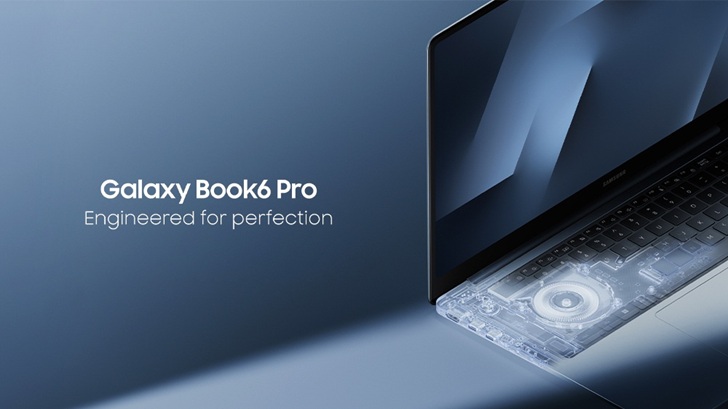
Galaxy Book6 Delivers Advanced Performance and AI-Powered Productivity in a Sleek New Design – Samsung Newsroom India
Featuring Intel’s Core Ultra Series 3 processors built on Intel 18A, long-lasting battery life and an ultra-slim profile, Samsung’s Galaxy Book6 series elevates what users can expect from a PC
Continue Reading