In-brief analysis
Jan 5, 2026
Data source: U.S. Energy Information Administration, based on Thomson Reuters data
Data values: Europe Brent Spot Price FOB (free on board)
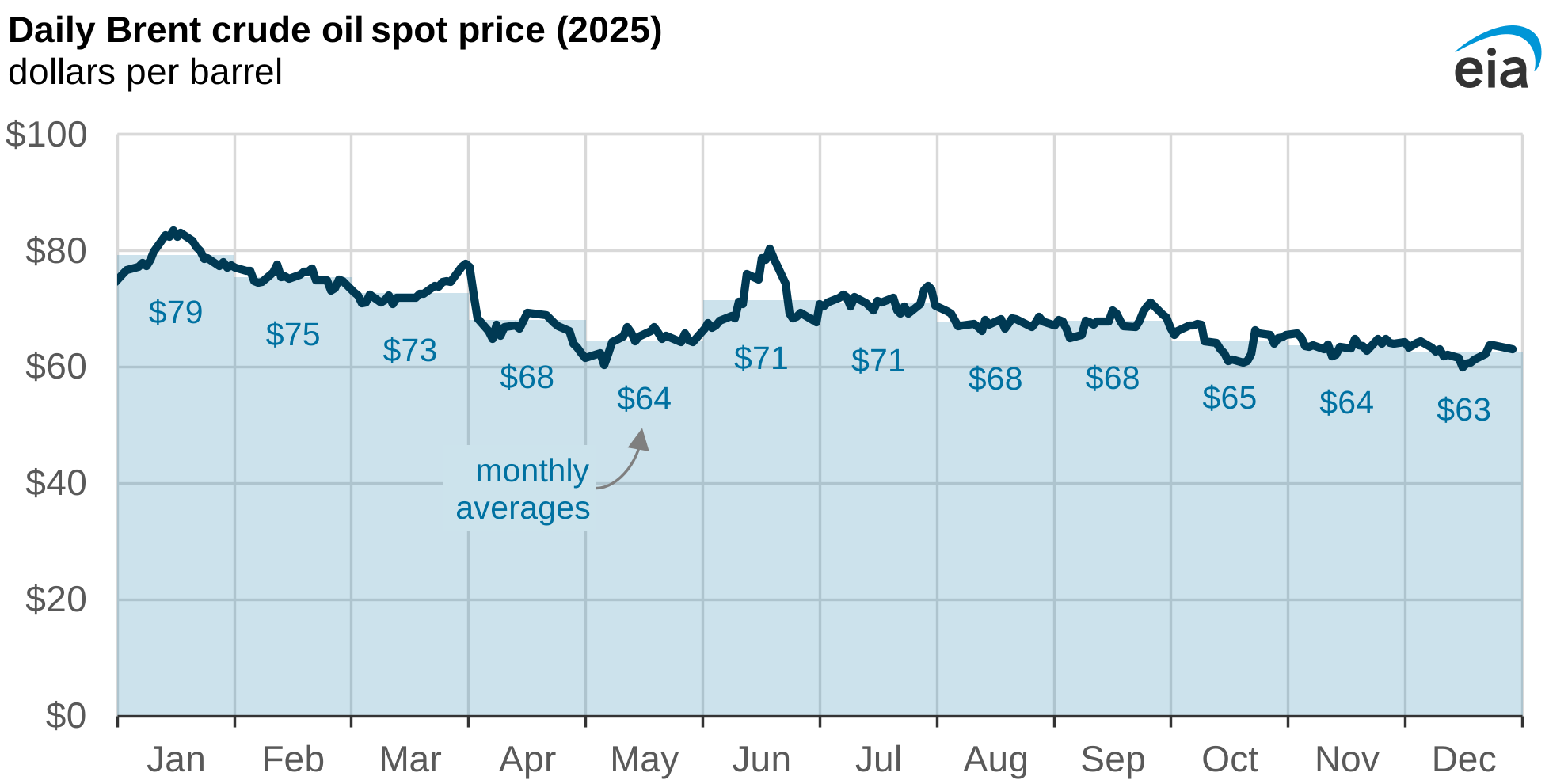
Crude oil prices generally declined in 2025 with supplies in the global crude oil market exceeding demand. Crude oil inventory builds in China muted some of the price decline. Events such as Israel’s June 13 strikes on Iran and attacks between Russia and Ukraine targeting oil infrastructure periodically supported prices.
Read More ›
In-brief analysis
Dec 22, 2025

Source: U.S. Energy Information Administration
Below is a list featuring some of our most popular and favorite articles from 2025. We will resume regular Today in Energy publications on January 5, 2026. Thanks for your continued readership of Today in Energy.
Read More ›
In-brief analysis
Dec 19, 2025
Data source: U.S. Energy Information Administration, Short-Term Energy Outlook
Data values: Total Crude Oil Production
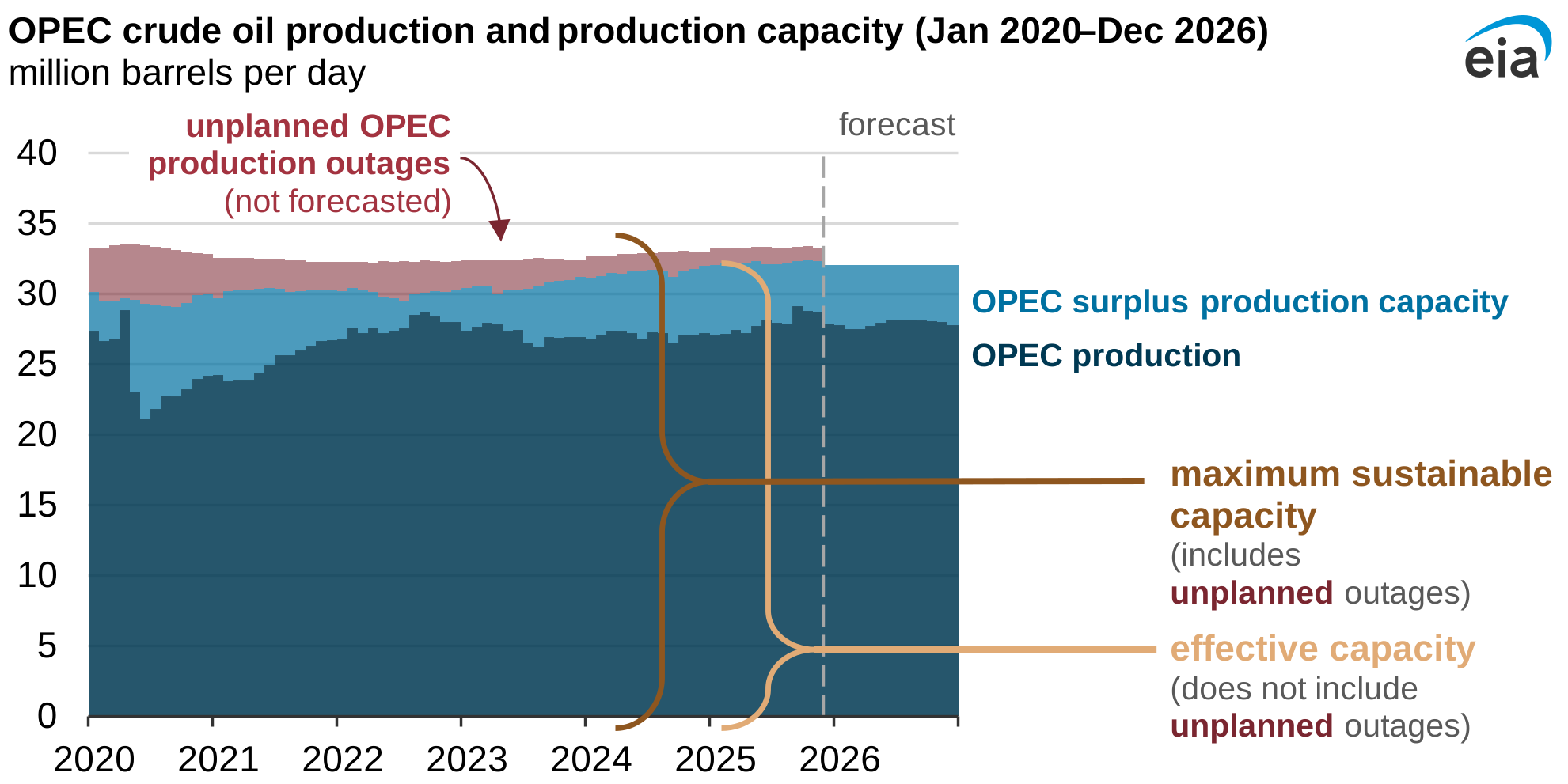
Note: While EIA does not forecast unplanned production outages, they are assumed to remain at the most recent historical month’s level throughout the forecast period.
Each month we publish estimates of key global oil market indicators that affect crude oil prices and movements in our Short-Term Energy Outlook (STEO). Among the most important indicators for global crude oil markets are estimates of OPEC’s effective crude oil production capacity and surplus production capacity, as well as any disruptions to liquid fuels production. Low surplus production capacity among OPEC countries can put upward pressure on crude oil prices in the event of unplanned supply disruptions or strong growth in global oil demand.
Read More ›
In-brief analysis
Dec 17, 2025
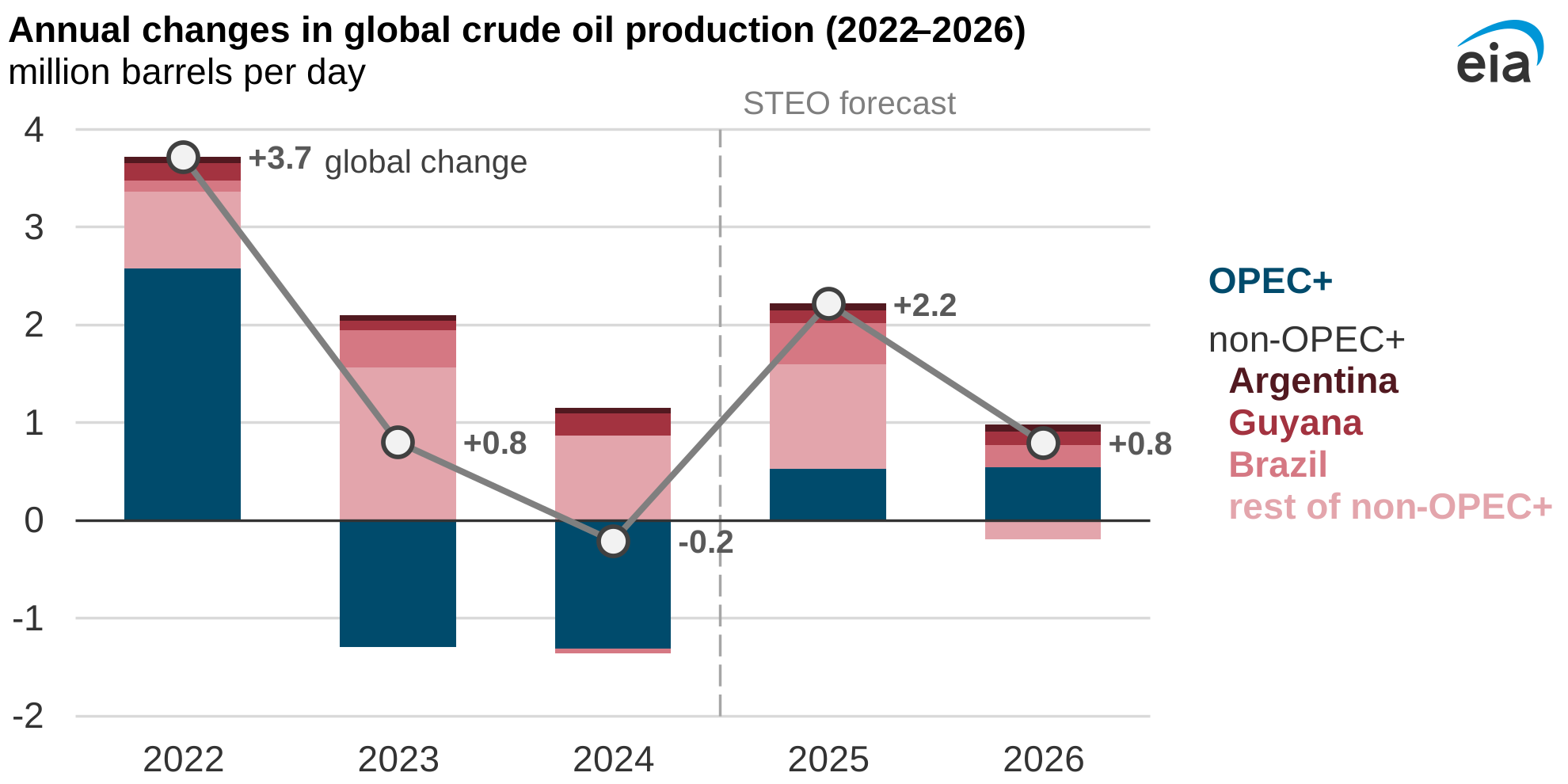
We forecast that global crude oil production will increase by 0.8 million barrels per day (b/d) in 2026, with supply from Brazil, Guyana, and Argentina accounting for 0.4 million b/d of the expected global growth forecast in our December Short-Term Energy Outlook (STEO). Global crude oil production growth since 2023 has been driven by countries outside of OPEC+.
Read More ›
In-brief analysis
Dec 15, 2025
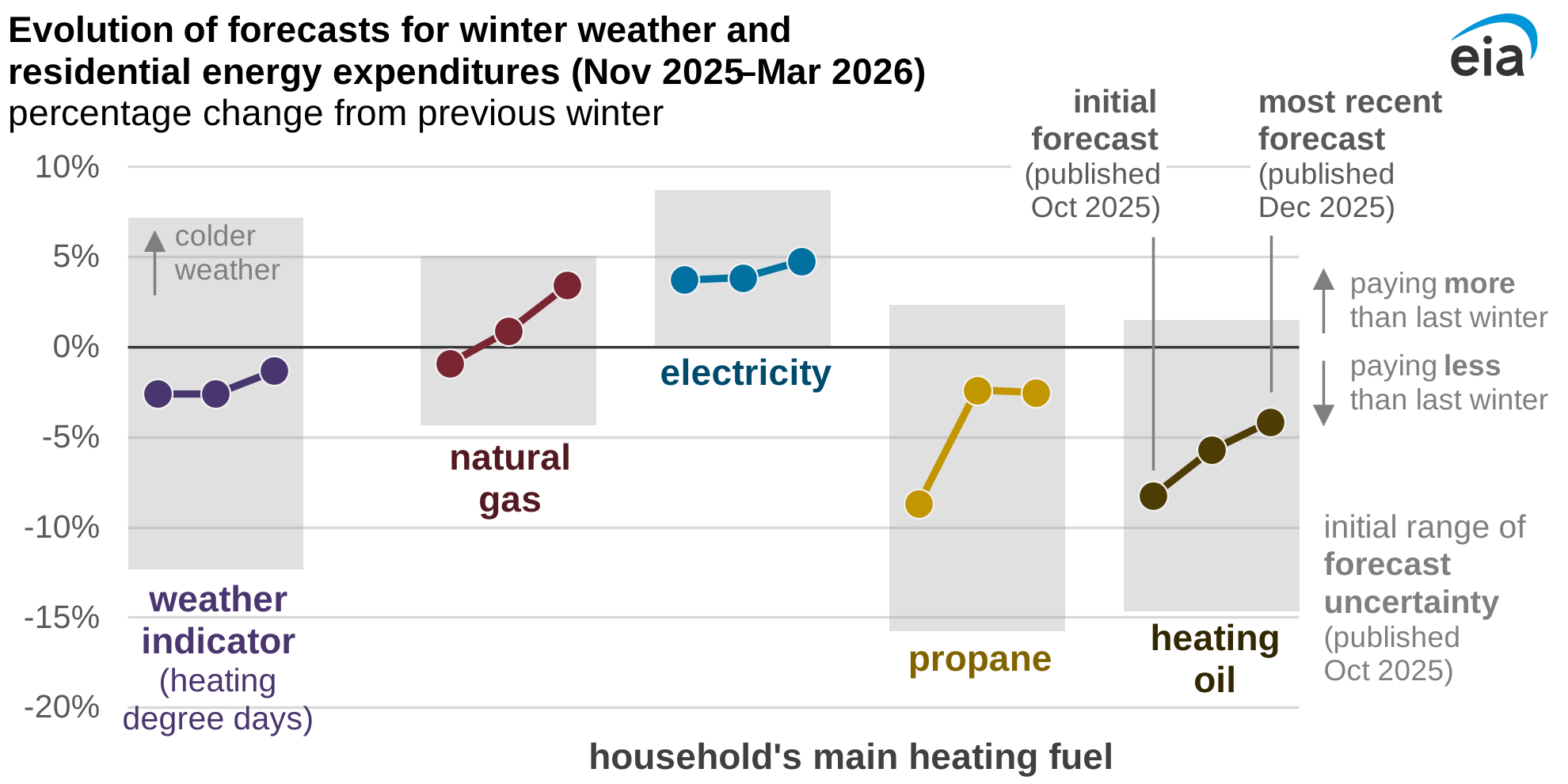
Our estimates for residential energy expenditures this winter (November 2025 through March 2026) have increased since the publication of our initial Winter Fuels Outlook forecasts in mid-October. We now expect a colder winter, and our retail energy price forecasts have risen, especially for natural gas and propane.
Read More ›
In-brief analysis
Dec 12, 2025
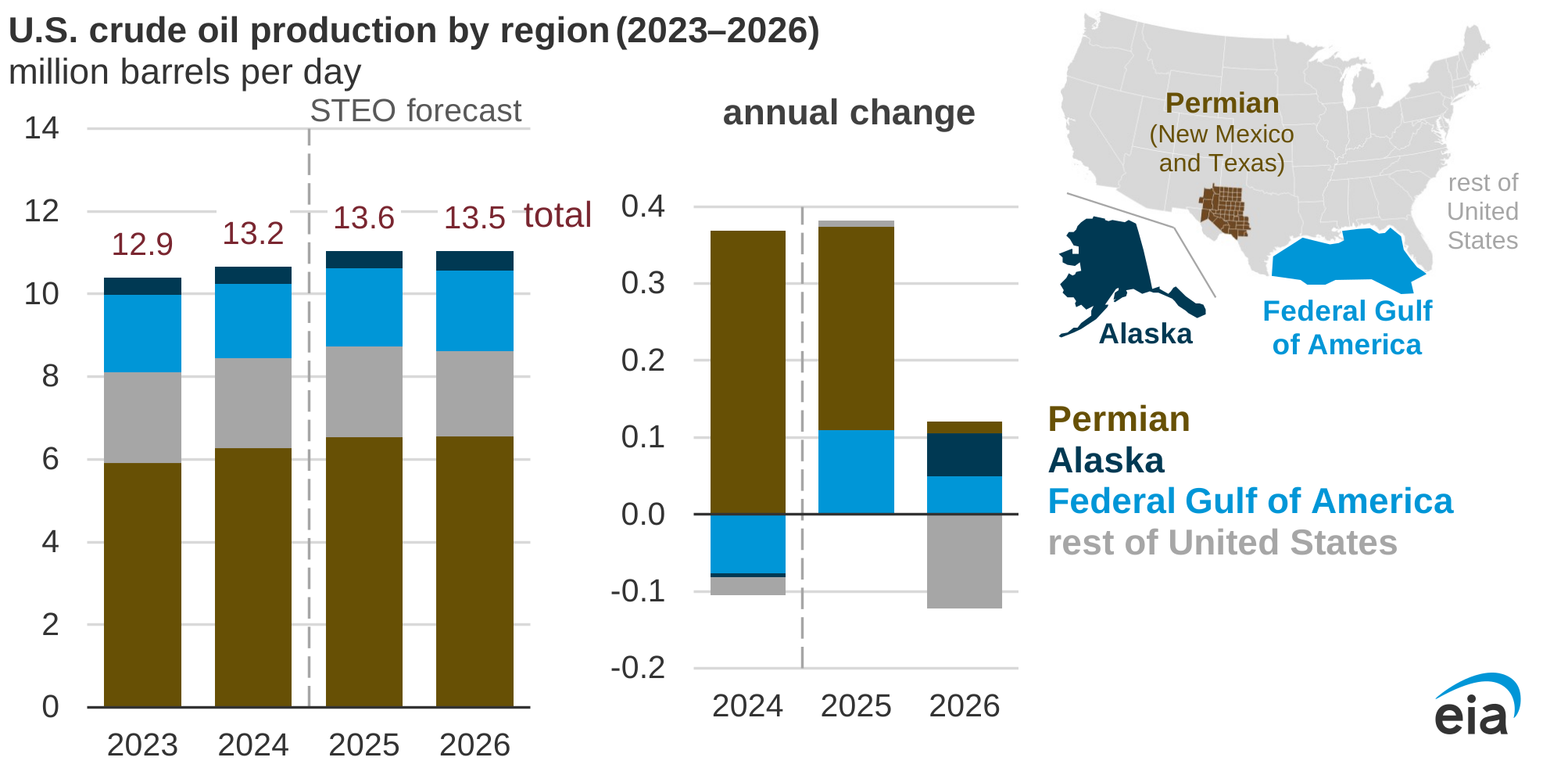
- In our latest Short-Term Energy Outlook, we forecast U.S. crude oil production will average 13.5 million barrels per day (b/d) in 2026, about 100,000 b/d less than in 2025.
- This forecast decline in production follows four years of rising crude oil output.
- Production increased by 0.3 million b/d in 2024 and by 0.4 million b/d in 2025, mostly because of increased output in the Permian Basin in Texas and New Mexico.
- In 2026, we forecast modest production increases in Alaska, the Federal Gulf of America, and the Permian will be offset by declines in other parts of the United States.
- We forecast that the West Texas Intermediate crude oil price will average $65 per barrel (b) in 2025 and $51/b in 2026, both lower than the 2024 average of $77/b.
Read More ›
In-brief analysis
Dec 10, 2025
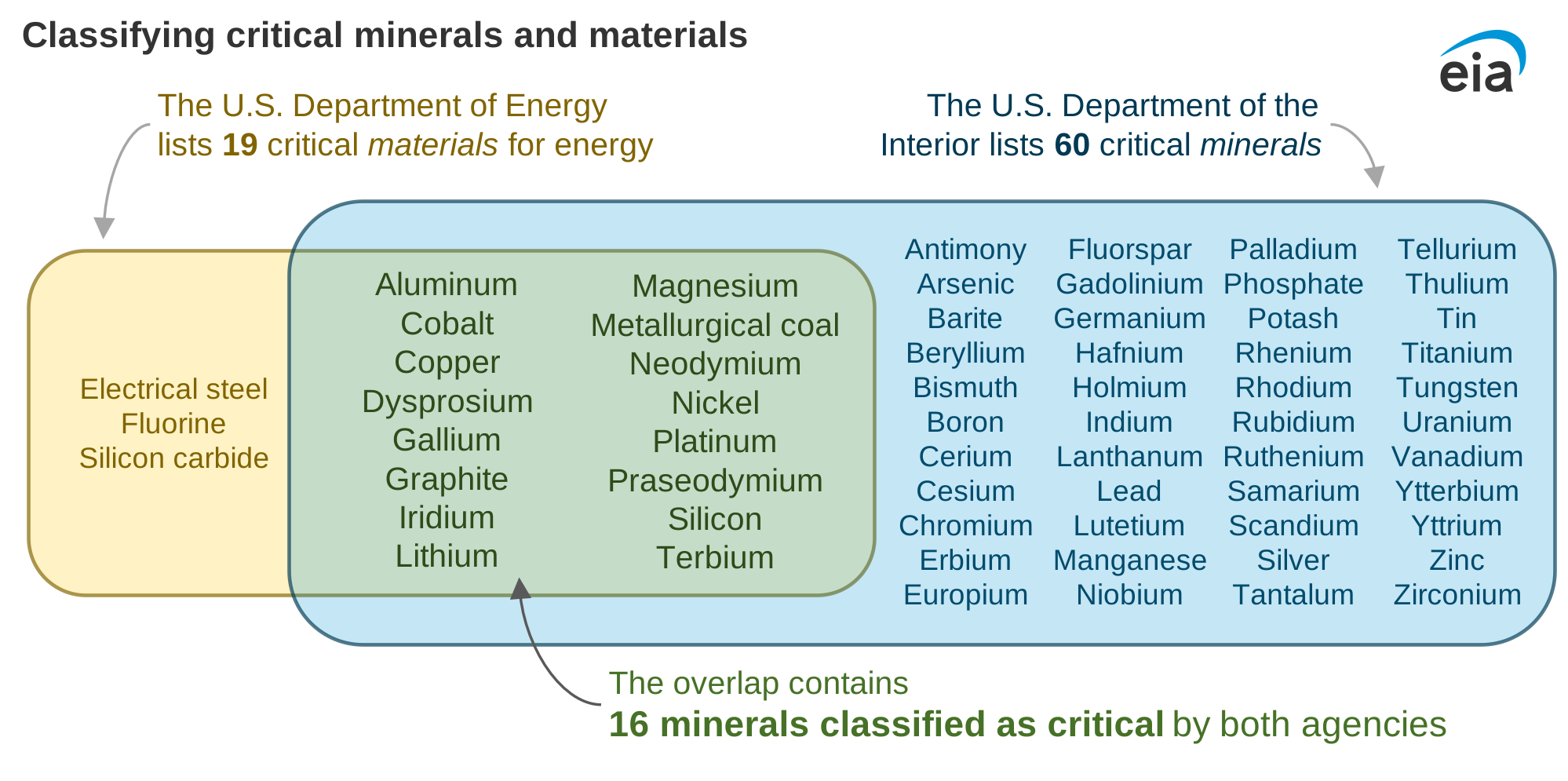
Data source: U.S. Department of the Interior’s 2025 list of critical minerals; U.S. Department of Energy’s 2023 list of critical materials and a recently proposed addition
Note: This Today in Energy article launches the Energy Minerals Observatory, a new project of the U.S. Energy Information Administration. In 2026, as part of the Observatory and the Manufacturing Energy Consumption Survey (MECS), EIA plans to conduct field studies of three minerals: graphite, vanadium, and zirconium.
Critical minerals, such as copper, cobalt, and silicon, are vital for energy technologies, but most critical minerals markets are less transparent than mature energy markets, such as crude oil or coal. Like other energy markets, many supply-side and demand-side factors influence pricing for these energy-relevant critical minerals, but critical minerals supply chains contain numerous data gaps.
Read More ›
In-brief analysis
Dec 8, 2025
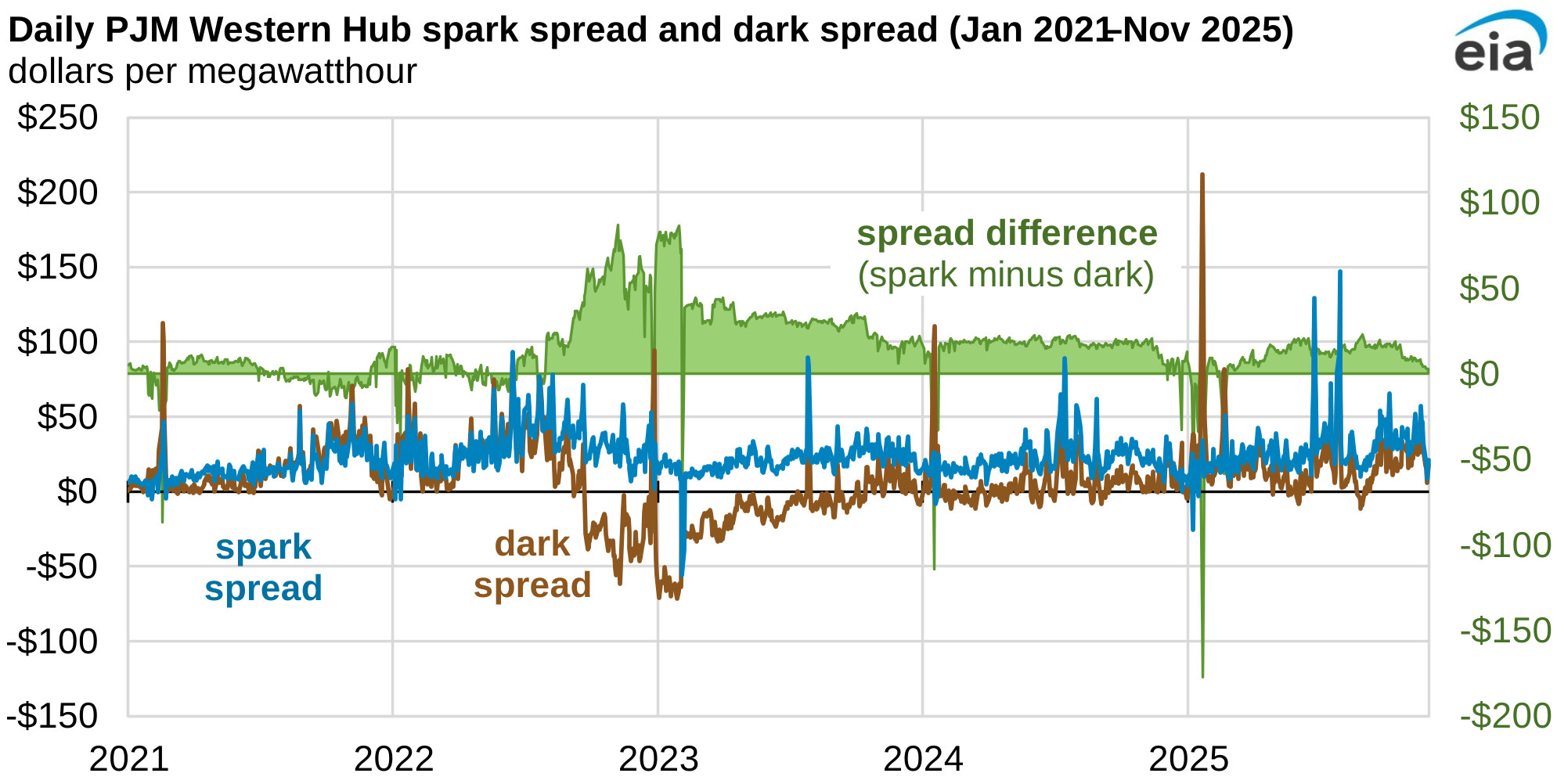
Data source: U.S. Energy Information Administration, based on data from S&P Global Market Intelligence
Data note: The specifics of the calculation methodology are detailed in a previous article with minor adjustments to heat rates used. The heat rate used for the dark spread was 10,500 British thermal units per kilowatthour (Btu/kWh), while the heat rate for the spark spread was 7,000 Btu/kWh.
Higher average daily wholesale electricity prices between January and November 2025 may be improving the operational competitiveness of some natural gas- and coal-fired generators in the PJM Interconnection compared with the same period in 2024. PJM is the largest wholesale electricity market in the United States. The spark and dark spreads, common metrics for estimating the profitability of natural gas- and coal-fired electric generators, have both increased over the past two years.
Read More ›
In-brief analysis
Dec 5, 2025
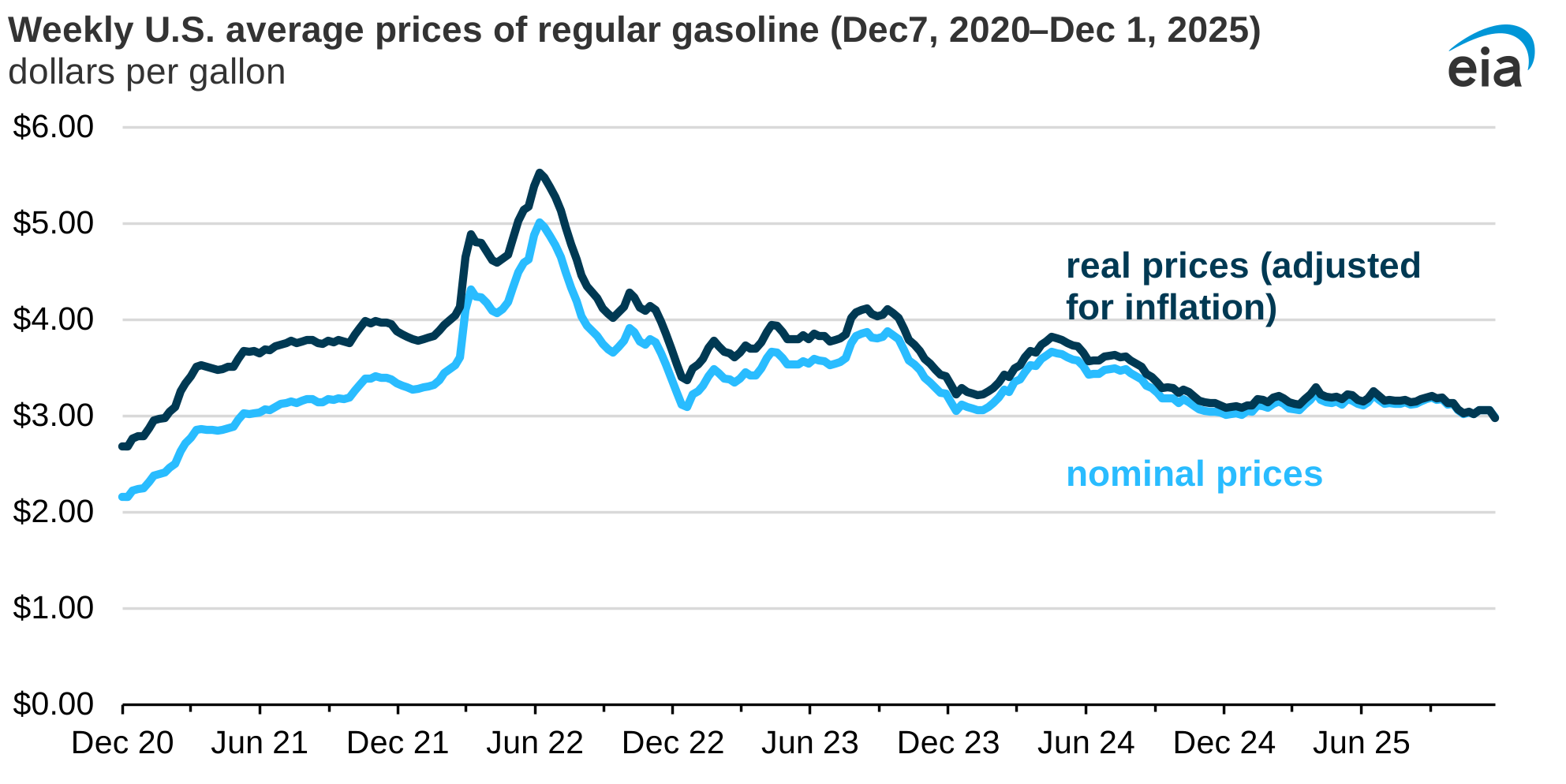
- On December 1, 2025, the U.S. average retail price of regular gasoline fell below $3.00 per gallon (gal) to $2.98/gal, according to data from our Gasoline and Diesel Fuel Update. When adjusted for inflation, the December 1 price is the lowest average U.S. gasoline price since February 2021.
- The falling price of crude oil, which typically accounts for about half of the retail gasoline price, has led to a drop in the price consumers pay for gasoline.
- Gasoline prices vary by region. On December 1, regular gasoline prices ranged between a low price of $2.55/gal on the U.S. Gulf Coast and a high price of $4.03/gal on the U.S. West Coast.
Read More ›
In-brief analysis
Dec 3, 2025
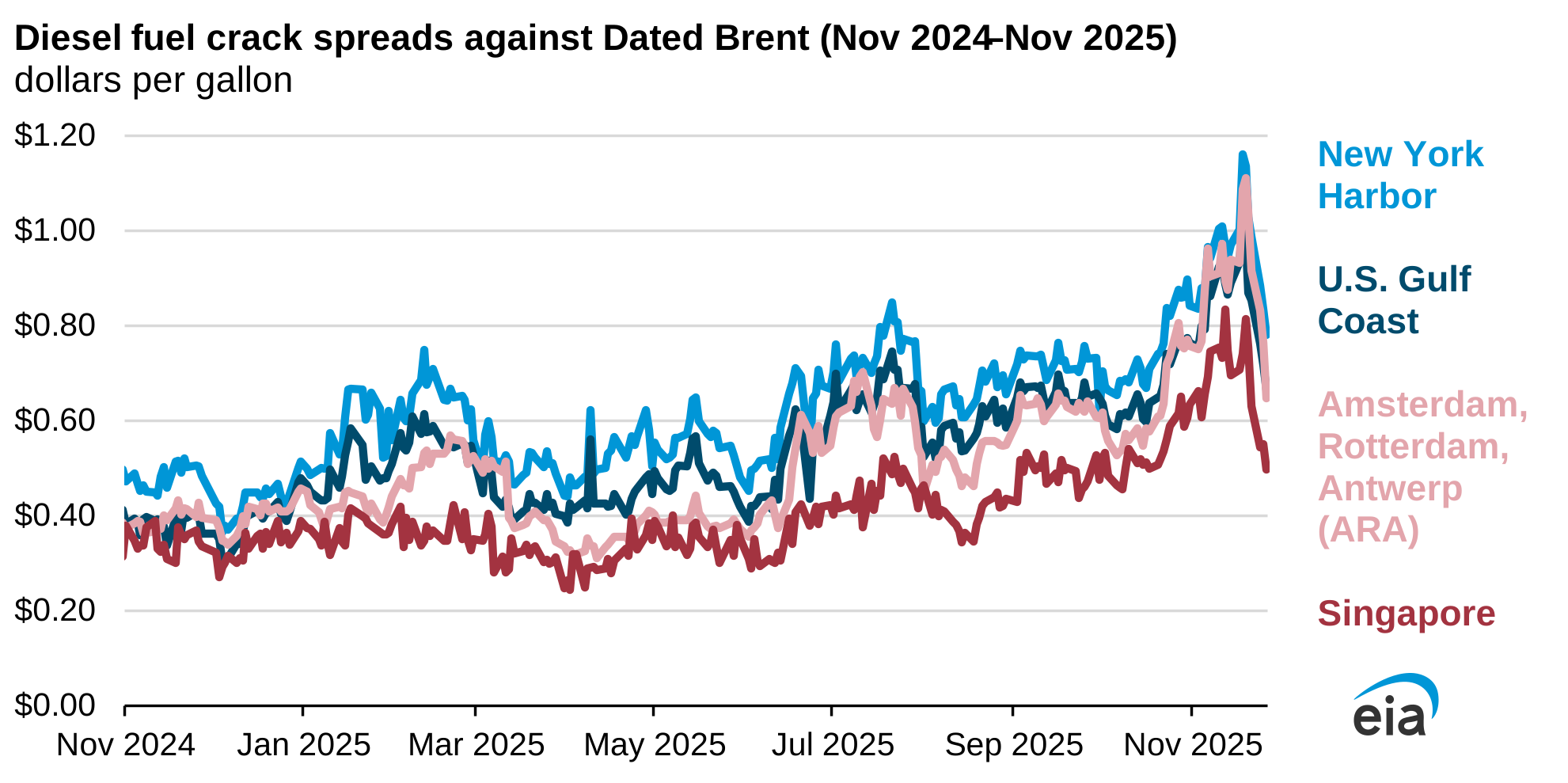
Data source: Bloomberg L.P.
Note: Data through November 26, 2025. All crack spreads are calculated against the Dated Brent crude oil spot price.
Global refinery margins for diesel have widened since late October and increased to their highest level all year, following refinery outages in Russia and in the Middle East and new sanctions on Russia’s crude oil, leading to limited refinery production and a decreased global diesel supply. The impact was most pronounced in the Atlantic Basin, contributing to higher prices at the Amsterdam, Rotterdam, Antwerp (ARA) shipping hub, a key benchmark for European prices, as well as at New York Harbor and the U.S. Gulf Coast. The higher global prices also affected prices in the United States because U.S. refiners can sell into both domestic and international markets.
Read More ›
In-brief analysis
Dec 1, 2025
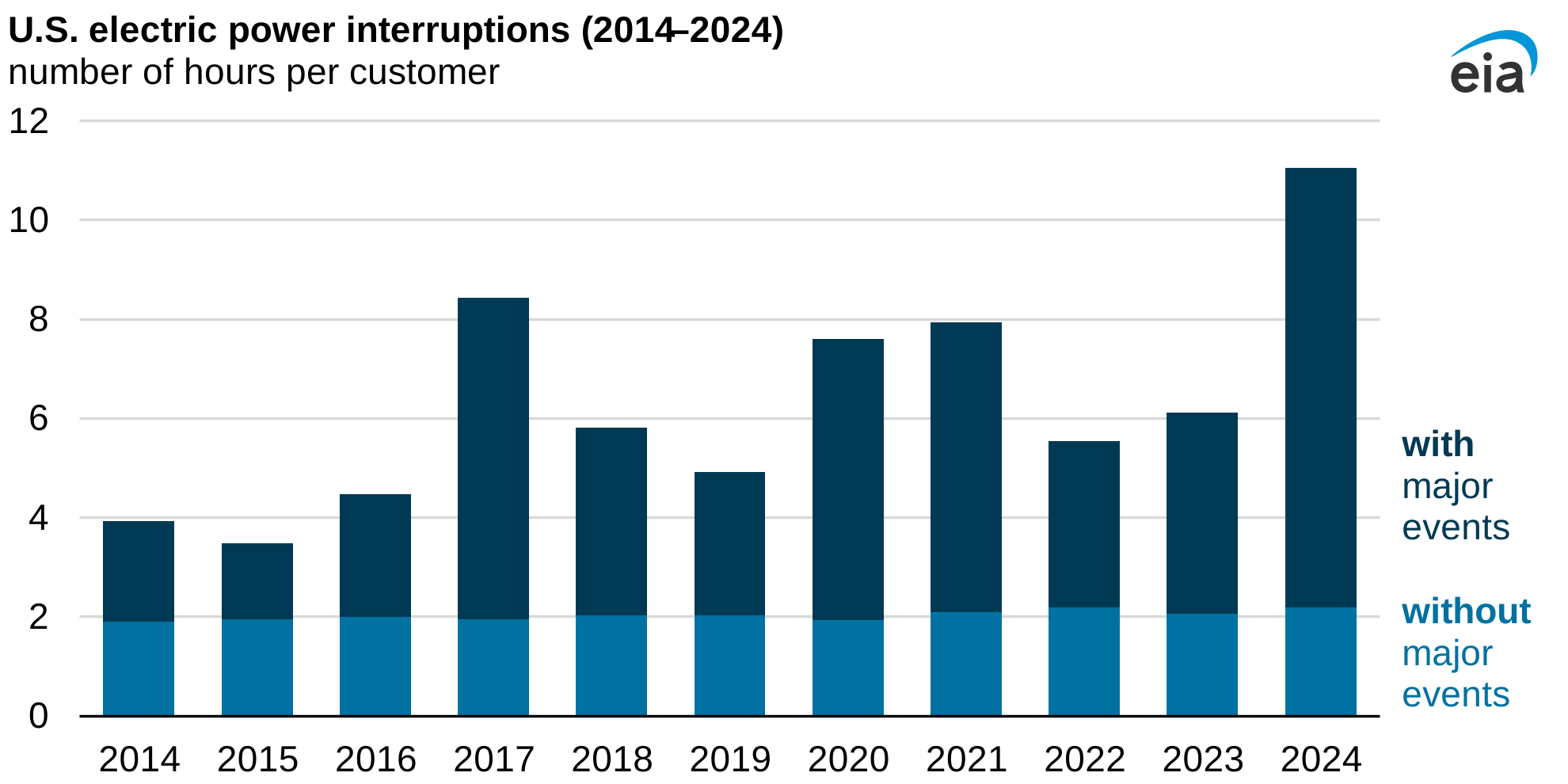
U.S. electricity customers experienced an average of 11 hours of electricity interruptions in 2024, or nearly twice as many as the annual average experienced in the decade before, according to our Electric Power Annual 2024 report. Major events such as Hurricanes Beryl, Helene, and Milton accounted for 80% of the hours without electricity in 2024.
Read More ›
In-brief analysis
Nov 26, 2025
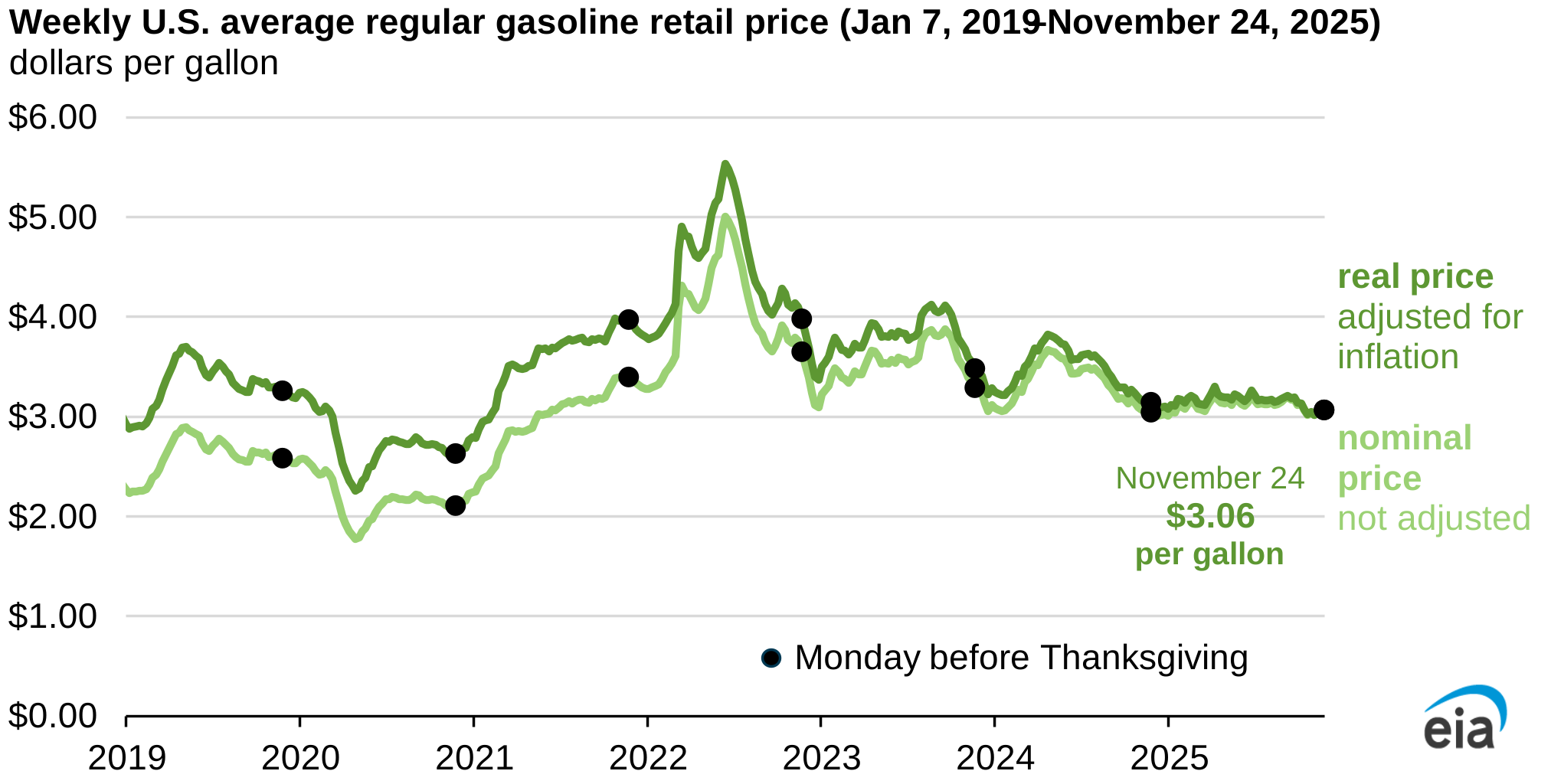
Data source: U.S. Energy Information Administration, Gasoline and Diesel Fuel Update; U.S. Bureau of Labor Statistics (BLS)
Note: Weekly data reflect U.S. average regular gasoline retail price for all formulations; real price is calculated using Consumer Price Index from BLS.
On the Monday before Thanksgiving, the U.S. retail price for regular-grade gasoline averaged $3.06 per gallon (gal), just 2 cents/gal higher than the same time last year. After adjusting for inflation, however, this year marks the lowest average gasoline price for the Monday before the Thanksgiving holiday weekend since 2020, when the pandemic disrupted gasoline demand and travel plans.
Read More ›
In-brief analysis
Nov 24, 2025

Data source: U.S. Energy Information Administration, Electric Power Monthly
Note: Coal represents less than 1% each year.
Although natural gas generation still provides more electricity than any other source in California, electricity generation from natural gas has decreased over the past several years while generation from solar has increased.
Read More ›
In-brief analysis
Nov 21, 2025

Data source: Enverus Drillinginfo
Note: For consistency, the various state pressure bases used to measure natural gas volumes have been converted to the federal pressure base of 14.73 pounds per square inch absolute (psia) and 60°F.
U.S. production of associated dissolved natural gas, also known as associated natural gas, increased by 6% last year, mirroring the growth in crude oil production from the Permian region. Associated natural gas production averaged 18.5 billion cubic feet per day (Bcf/d) in 2024, according to data from Enverus DrillingInfo.
Read More ›
In-brief analysis
Nov 19, 2025

- In our latest Short-Term Energy Outlook, we forecast crude oil produced from Alaska will reach 477,000 barrels per day (b/d) in 2026, the most since 2018.
- After decades of decline, we expect a 13% (55,000 b/d) increase in Alaska oil production, the largest annual increase since the 1980s.
- The recent growth is attributable to two projects on Alaska’s North Slope:
- The Nuna project, owned by ConocoPhillips, started production in December 2024 and is expected to produce 20,000 b/d at its peak. In August 2025, the project produced 7,000 b/d, offsetting existing production declines.
- The Pikka Phase 1 project, jointly owned by Santos and Repsol, is expected to start production during the first quarter of 2026 and reach peak production of 80,000 b/d by mid-2026, nearly 20% of total Alaska oil production in 2025.
- The wells from these new projects outperform most Alaskan wells. Based on recent production records from the Alaska Oil and Gas Conservation Commission, these wells produce about 480 barrels of oil equivalent per day (BOE/d) on average, whereas 78% of Alaskan wells produced less than 400 BOE/d in 2023.
- Our latest forecast for 2026 production—an increase from our initial forecast—reflects Santos’s expectations for an accelerated ramp-up to peak production for the Pikka Phase 1 project and recent well tests demonstrating high productivity.
Read More ›