
Not only are the colors and textures of parsnips and carrots different, but their nutritional makeup also varies. Parsnips are higher in carbs and folate, while carrots are packed with vitamin A. Here is what you need to know about the…
Author: admin
-

Northern Ontario performers invited to audition for YES Theatre
Would you like to appear on stage in Sudbury in 2026 and 2027? Now’s your chance
YES Theatre welcomes submissions from all Northern Ontario locals for in person or self-tape auditions.
This is an opportunity for new talent to audition…
Continue Reading
-

Bankers and investors sees a healthy pipeline for IPOs in 2026, but rate hikes loom as a potential roadblock
What are the prospects for the nation’s equity capital markets in 2026? The Australian Financial Review spoke to investment bankers and a fund manager to gauge their views on the pipeline for floats and the structural challenges facing public markets.
Participating in the discussion were JPMorgan’s head of equity capital markets Justin Grimmond, UBS’s head of ECM origination Charlie Daish, WAM Capital portfolio manager Oscar Oberg, Morgan Stanley’s head of ECM Luke Boeg and Citi’s asset managers and ECM chief John McLean.
Loading…
Continue Reading
-
Pasritamig (JNJ-78278343): A Next-Generation T-Cell Engager for Metastatic Castration-Resistant Prostate Cancer
Metastatic castration-resistant prostate cancer (mCRPC) remains a lethal disease despite major therapeutic advances over the past decade. Although androgen receptor pathway inhibitors (ARPIs), taxane chemotherapy, PARP inhibitors in selected populations, and PSMA-targeted radioligand therapies have extended survival, most patients eventually progress, and durable disease control after multiple lines of therapy remains uncommon. Immunotherapy with immune checkpoint inhibitors has shown limited benefit in unselected mCRPC populations, underscoring the need for alternative immune-based strategies that can overcome prostate cancer’s immunologically “cold” tumor microenvironment (Stein et al., 2025; Antonarakis et al., 2020).
Pasritamig (JNJ-78278343) represents a novel attempt to address this unmet need through T-cell redirection, a strategy that has transformed outcomes in hematologic malignancies but has historically faced substantial safety and efficacy barriers in solid tumors. By targeting human kallikrein-2 (KLK2), a prostate-lineage–restricted antigen, Pasritamig is designed to activate cytotoxic T cells selectively at the tumor site, potentially widening the therapeutic window compared with earlier T-cell engager approaches (National Cancer Institute, 2024).
Photo: Depositphotos
Molecular Design and Mechanism of Action
Pasritamig is a humanized IgG1 bispecific antibody that simultaneously binds CD3ε on T lymphocytes and KLK2 expressed on prostate cancer cells. This dual engagement brings T cells into close proximity with tumor cells, triggering immune synapse formation, T-cell activation, and perforin/granzyme-mediated tumor cell lysis independent of major histocompatibility complex (MHC) presentation (NCI Drug Dictionary, 2024).
KLK2 is a serine protease closely regulated by androgen receptor signaling and is predominantly expressed in prostate tissue. Its restricted expression profile provides the biological rationale for using KLK2 as a target to limit off-tumor toxicity, a key challenge that has constrained the development of T-cell engagers in solid tumors (Stein et al., 2025). Preclinical studies demonstrated that KLK2-directed T-cell redirection induces potent cytotoxicity in KLK2-expressing prostate cancer models while sparing non-prostatic tissues, supporting clinical translation (Baldini et al., 2025).
Early Clinical Development and Phase I Study Design
The first-in-human clinical evaluation of Pasritamig was conducted in a multicenter Phase I trial (NCT04898634) enrolling patients with heavily pretreated mCRPC. The primary objectives were to assess safety, dose-limiting toxicities, and pharmacokinetics, while secondary and exploratory objectives included antitumor activity and immune pharmacodynamics (Stein et al., 2025).
Patients enrolled in the trial had received a median of approximately four prior systemic therapies, including universal exposure to androgen receptor pathway inhibitors and high rates of prior taxane chemotherapy. Both intravenous and subcutaneous formulations were explored early in development, with multiple step-up dosing schedules tested to mitigate cytokine release syndrome (CRS), a known class effect of T-cell–redirecting therapies (Baldini et al., 2025).

Photo: Depositphotos
Dose Optimization and Outpatient-Friendly Administration
A key achievement of the Phase I program was the identification of a recommended Phase II dose (RP2D) that balances immune activation with tolerability. The selected regimen incorporated step-up dosing (3.5 mg on Day 1 and 18 mg on Day 8), followed by a target dose of 300 mg intravenously on Day 15 and subsequent every-6-week (Q6W) maintenance dosing (Johnson & Johnson, 2025).
This extended dosing interval is particularly notable in the context of T-cell engagers, which often require weekly or biweekly administration. A Q6W schedule has important implications for patient convenience, healthcare resource utilization, and feasibility in outpatient oncology settings, especially for older mCRPC populations with multiple comorbidities (Stein et al., 2025).
Safety Profile and Cytokine Release Syndrome
Safety has historically been the major limiting factor for T-cell–redirecting therapies in solid tumors. In the Pasritamig Phase I trial, treatment-related adverse events were common but largely manageable. Importantly, at the RP2D, cytokine release syndrome occurred in fewer than 10% of patients and was exclusively Grade 1, with no reported Grade ≥3 CRS events (Baldini et al., 2025).
Other immune-related toxicities, including neurotoxicity, were infrequent and generally low grade. These findings suggest that careful dose engineering and step-up administration can substantially reduce acute immune toxicity without abrogating antitumor activity, a critical requirement for broader clinical adoption (Stein et al., 2025).
Early Signals of Antitumor Activity
Although the Phase I study was not designed to assess efficacy definitively, encouraging signals of clinical activity were observed. Among patients treated at the RP2D on the Q6W schedule, approximately 42% achieved a ≥50% decline in prostate-specific antigen (PSA) levels, a commonly used biomarker of response in mCRPC (Johnson & Johnson, 2025).
Radiographic outcomes further supported biological activity, with a reported median radiographic progression-free survival of 7.9 months in this heavily pretreated population. At the time of data cutoff, roughly one-fifth of patients remained on therapy, suggesting the potential for durable disease control in selected individuals (Baldini et al., 2025).
While cross-trial comparisons should be interpreted cautiously, these outcomes are notable given the advanced disease state and extensive prior treatment exposure of the enrolled population (Stein et al., 2025).
Translational Insights and Immune Pharmacodynamics
Translational analyses presented alongside the clinical data explored T-cell activation markers, cytokine profiles, and pharmacokinetic-pharmacodynamic relationships. These studies demonstrated dose-dependent T-cell engagement and activation without sustained systemic cytokine elevations, supporting the biological plausibility of intermittent, high-dose administration rather than continuous exposure (van Aken et al., 2025).
Such findings are particularly relevant in solid tumors, where excessive or prolonged immune activation can lead to toxicity without improving efficacy. The Pasritamig program highlights the importance of integrating translational immunology into early-phase clinical development to optimize therapeutic index (van Aken et al., 2025).
Regulatory Progress and Ongoing Phase III Development
Based on the totality of early clinical and translational data, Pasritamig has received FDA Fast Track designation for the treatment of mCRPC, reflecting the significant unmet medical need in this population and the drug’s potential to address it (Urology Times, 2025).
Multiple Phase III trials are currently underway to further define the role of Pasritamig in mCRPC, including randomized studies evaluating Pasritamig-based regimens versus placebo or standard of care, as well as combination strategies with established agents such as docetaxel (ClinicalTrials.gov, 2025). These studies will be critical in determining whether early PSA and rPFS signals translate into meaningful overall survival benefits.
Potential Clinical Positioning and Future Directions
If ongoing Phase III trials confirm a favorable balance of efficacy and safety, Pasritamig could emerge as a novel immune-based option for patients with mCRPC who have exhausted standard therapies. Its prostate-restricted target, manageable CRS profile, and infrequent dosing schedule differentiate it from earlier T-cell engager approaches and may enable use beyond highly specialized centers (Stein et al., 2025).
Future research will need to clarify optimal patient selection, including the role of KLK2 expression levels, tumor heterogeneity, and immune contexture in predicting response. Combination strategies, particularly with chemotherapy or other immune-modulating agents, may further enhance activity while maintaining tolerability (Antonarakis et al., 2020).
Conclusion
Pasritamig (JNJ-78278343) represents a promising step forward in the application of T-cell–redirecting therapies to solid tumors, specifically metastatic castration-resistant prostate cancer. Early-phase data demonstrate that KLK2-directed T-cell engagement can produce clinically meaningful antitumor activity with a manageable safety profile when supported by rational dose and schedule optimization. As Phase III trials mature, Pasritamig will help determine whether T-cell engagers can finally secure a durable role in the treatment landscape of advanced prostate cancer.
Continue Reading
-
Warning: Apple’s Latest iPhone Update Has Unexpected Consequences For Nearly A Billion Users – Forbes
- Warning: Apple’s Latest iPhone Update Has Unexpected Consequences For Nearly A Billion Users Forbes
- CISA Warns of Apple WebKit Vulnerability Actively Exploited in Attacks Technobezz
- Not Ready for iOS 26? 10 iOS 18 Tweaks You Can Make Instead
Continue Reading
-

Romsey farmers praise ‘amazing’ support for charity tractor run
He said the event was also “a good blow out” for British farmers who he said had experienced a difficult year.
“So this has a twofold achievement, I suppose, of raising awareness of British farming and raising money for charity,” Mr Drake said.
Continue Reading
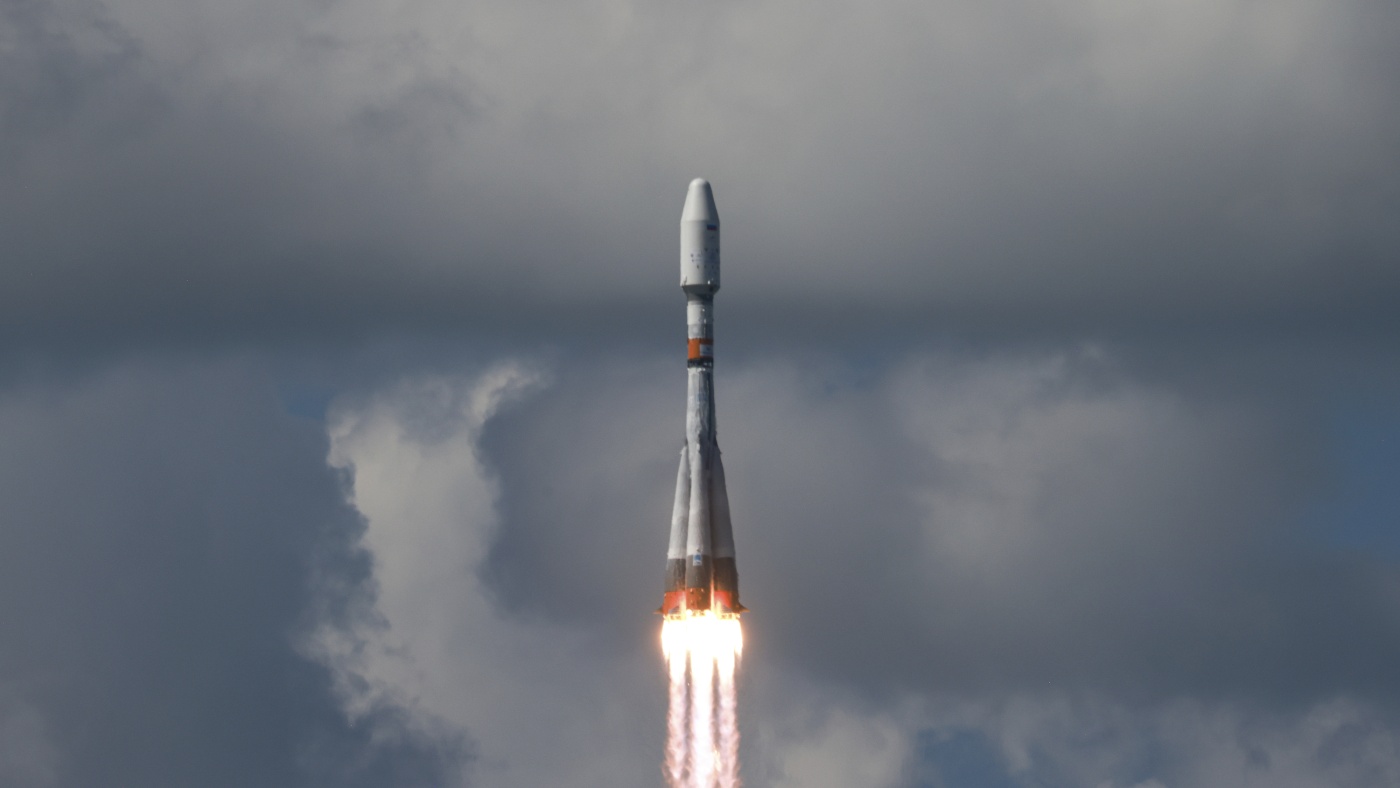
Russia sends 3 Iranian satellites into orbit, report says : NPR
In this photo released by Roscosmos State Space Corporate on Friday, July 25, 2025, a Soyuz rocket lifts off from a launch…
Continue Reading

Romsey farmers praise ‘amazing’ support for charity tractor run
Thousands of people have gathered to see more than 300 festively decorated tractors on a drive to raise money for charity.
Romsey young farmers tractor run saw the convoy travel from Broughton to Romsey to raise money for Hampshire and Isle of…
Continue Reading

Our Chicago: Dick Clark’s New Year’s Rockin’ Eve With Ryan Seacrest Comes To Chicago
CHICAGO (WLS) — For the first time in its history Dick Clark’s New Year’s Rockin’ Eve with Ryan Seacrest will have a countdown to midnight here in the central time zone.
And by here, we mean right here, in Chicago. While millions will watch the celebrations on TV, Chicagoans can be there. Kristen Reynolds has been President and CEO of Choose Chicago since May. She says Mayor Brandon Johnson told her right away that he wanted to put Chicago on the map on New Year’s Eve.
For the first time in its history Dick Clark’s New Year’s Rockin’ Eve with Ryan Seacrest will have a countdown to midnight here in the central time zone.
She says “we’re going to do just that.” The celebration will begin at 7 p.m.
“It’s going to be beautiful. There’s going to be a wonderful, custom, audio-visual production on the Merchandise Mart, Art on the Mart.” At 9pm, the entertainment starts. Reynolds says it’s really going to showcase “our vibe in Chicago.” The entertainment includes DJ Mike Dunn, DJ Mike P, poet and artist J. Ivy, Blues singer Shemekia Copeland and Grammy winner Chance the Rapper.
“If you think about the kinds of New Year’s Eve in Times Square, this is the vibe we’re going for.”
The stage will be at Wacker and Franklin. Those who want to attend will have to go through one of two entrances, one on Wells and one on Lake Street. For those who want to attend Reynolds says “you just show up”, they do not need to get tickets in advance.
“All you have to do is pack your patience, because it is going to be very tight security getting into the event, understandably. We want it to be a safe event for everyone who’s in attendance.” She recommends that people arrive early.
For the first time in its history Dick Clark’s New Year’s Rockin’ Eve with Ryan Seacrest will have a countdown to midnight here in the central time zone.
So, what does it mean that Chicago’s going to be in the national spotlight on New Year’s Eve, “If you think about it, there are three cities that are going to be featured on New Year’s Eve.
It starts with New York City which has established itself as this iconic New Year’s Eve. And then it’s wonderful to be in that same realm. Chicago should be exactly aligned with that.”
For more information:
https://www.choosechicago.com/articles/holidays/new-years-eve-celebrate-in-chicago/
Copyright © 2025 WLS-TV. All Rights Reserved.
Continue Reading
Unavailable for legal reasons
Unavailable for legal reasons
We recognise you are attempting to access this website from a country belonging to the European Economic Area (EEA) including the EU which enforces the General Data Protection Regulation (GDPR) and therefore…
Continue Reading