McNeese (10-2, 3-1 SLC) at #2/#1 Michigan (11-0, 2-0 B1G)
December 29, 2025 • Crisler Center • Ann Arbor, Michigan
Time: 6…
Author: admin
-

McNeese visits No. 2/1 Michigan on Monday night
-

Toreros Abroad: Looking Back at USD’s Big International Summer
SAN DIEGO — Every summer, collegiate student-athletes have a decision to make: do they take time off and relax? Or do they keep…
Continue Reading
-
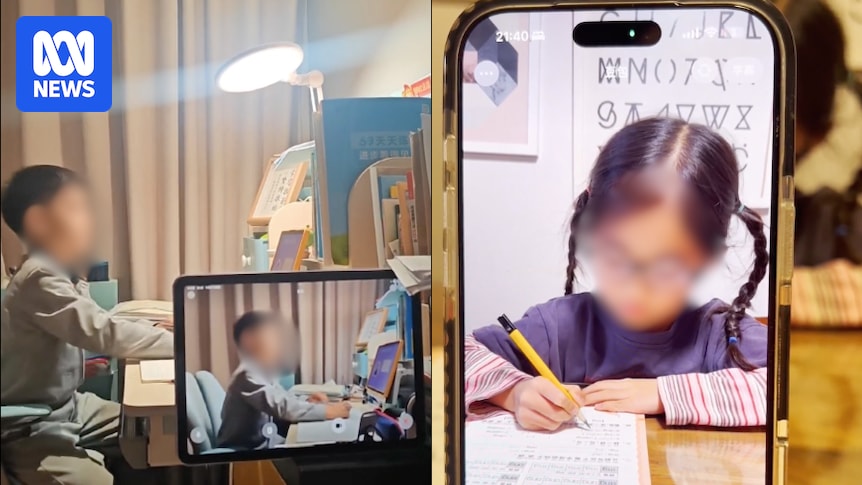
Parents in China use AI technology to monitor children’s homework
When she is busy, Lu Qijun places her phone on her son’s desk before he starts his homework.
The camera is on — and it stays on.
When Ms Lu’s son slouches, a calm voice on the phone reminds him to sit up. When he fidgets with his pen, the voice tells him to stop. And when his pace slows, the voice urges him to work faster.
Ms Lu, a television journalist in China’s southern province of Guangdong, is not in the room.
The voice belongs to Dola, a Chinese artificial intelligence chatbot developed by ByteDance, the company behind TikTok.
Ms Lu is one of about 172 million monthly users of the app, according to Chinese statistic platform QuestMobile.
In addition to homework monitoring, the app also acts like a tutor.
Ms Lu said AI could monitor her son doing homework when she was busy. (Supplied)
On social media, Ms Lu shares light-hearted videos of her son reacting to the chatbot’s instructions, attracting thousands of views from Chinese parents.
The appeal, she said, was not only convenience.
As China’s economic growth slows, many families are reassessing how much they can afford to spend on education.
Private tutoring, once common among China’s millions of urban middle-class households, has become harder to justify, even as many students continue to spend several hours a day on schoolwork and extracurricular classes.
“Dola can keep an eye on him for me,”
Ms Lu said.
“Parents are anxious about spending heavily, only to end up with a ‘rotten-tail kid,’” she said, referring to a popular Chinese meme used to describe jobless young adults despite years of investment in their education.
Dola is an AI app owned by TikTok’s parent company, ByteDance. (Reuters: Dado Ruvic/Illustration)
The app allows Ms Lu to upload parenting books and study materials she trusts so that it can tailor its guidance to her son’s needs.
Dola can also check her son’s homework, explain why his answers are incorrect, and generate similar questions based on his mistakes.
“It’s like having my own parenting bible,” she said.
“Now I can read a book or answer messages while he is doing his homework.”
AI used to sidestep conflict
Some parents say the app also helps them avoid conflict with their children. (Reuters: Anita Li)
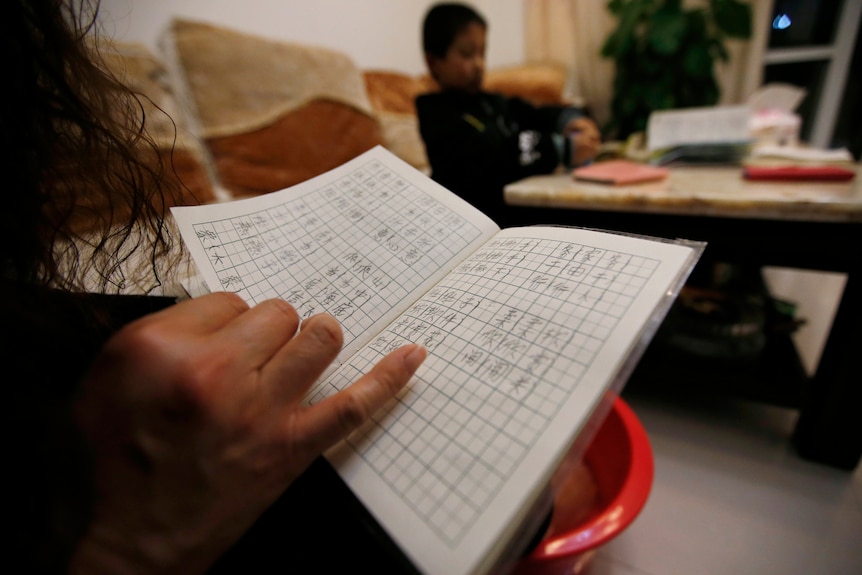
In most Chinese schools, parents are expected to remain closely involved long after the school day ends.
Homework and extra classes often fill the hours after school, with teachers assigning tasks and providing feedback through parent chat groups on social media platforms such as WeChat.
Parents are expected to respond, submit updates and report on their children’s progress.
For many working families, the demands can be constant.
Most parents raising children today belong to the generation shaped by China’s one-child policy, and need to support four aging parents while raising children of their own.
In traditional family settings, mothers are expected to have a job, manage the household and take primary responsibility for supervising children’s education after school.
Some parents say the app also helps them avoid conflict with their children.
Wu Yuting from the central province of Henan has two children in primary school.
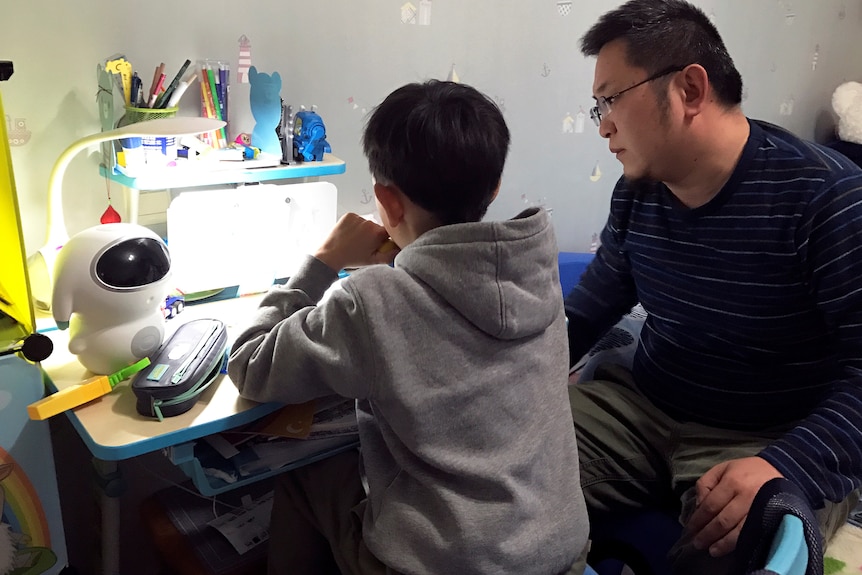
She and her husband used to sit beside their children while they completed their homework, a routine that often ended in frustration.
“My children behave better in front of AI,”
Ms Wu said.
“They think I talk too much.”
Parents believe completing homework diligently leads to academic success. (Reuters: Kim Kyung-Hoon)
Ms Wu said the AI bot spoke to their children in a calm tone — a contrast to the tension that can easily build between parents and children after a long day.
Dr Qi Jing, an associate professor at the Social Equity Research Centre at RMIT University, said the language used by artificial intelligence systems was designed to sound patient and encouraging.
“If parents use AI as part of children’s learning, they may be avoiding conflicts that need to be addressed,” she said.
“[Children’s] brain need conflict, struggle and challenges to develop properly.”
A tool, not a substitute
Education has long been central to Chinese family values and seen as the main pathway to social mobility and long-term security. (Reuters: Thomas Peter)
As AI becomes more widely used in education, learning-focused tools are attracting growing numbers of users.
Data from QuestMobile shows Dola’s learning app, Dola Aixue, has about 8.76 million monthly active users.
For parents like Ms Lu, the technology remains a tool — used carefully and adjusted as needed.
She limited how often it spoke, after finding too many prompts were distracting her son.
“I only use it when I’m too busy … If I have time, I still prefer to sit with him,” she said, citing concerns about emotional reliance.
“He’s still very young. I don’t want him to treat it as a companion.“
Parents wait anxiously outside exam centres while their children sit China’s university entry exam. (Reuters)
Elaine Zhou, a Shanghai-based mother who works in international education, said her two sons used AI tools to look up questions and check their homework.
However, she remained cautious about AI-led supervision and had concerns about overuse, privacy and exposure to content not suited to children.
“For children, AI is highly efficient and easy to use,” Ms Zhou said.
“But it can also reduce the process of thinking they do.“
Drawing the line
Experts say it’s essential to have clear boundaries.
Dr Qi Jing said artificial intelligence lacked the contextual understanding needed to replace the supervision of parents or teachers.
“AI can certainly be used, depending on how.”
Students in China are known for putting hours and hours into preparing for exams. (Reuters: China Dail)
She said behaviours such as playing with a pen or pausing briefly did not necessarily signal distraction, but could be part of a child’s thinking process.
Jeannie Paterson, co-director of the Centre for AI and Digital Ethics at the University of Melbourne, said AI products designed for children should include limits on usage time, age-appropriate language and safeguards against harmful content.
Professor Paterson warned that excessive interaction with AI could weaken children’s engagement with the real world and hinder the development of essential social skills.
“Developers should monitor performance carefully for signs that the AI is not aligned with the best interests of the child,” she said.
She also argued developers must be careful not to suggest to children that the technology was alive or had human emotions.
“AI is a tool, not a friend,”
she said.
“It can assist with some tasks but does not care or love the child.”
Continue Reading
-

The OncFive: Top Oncology Articles for the Week of 12/21
Welcome to OncLive®’s OncFive!
Every week, we bring you a quick roundup of the 5 top stories from the world of oncology—ranging from pivotal regulatory decisions to key pipeline updates to expert insights on breakthroughs that are moving the needle in cancer care. This resource is designed to keep you informed on the latest updates in the space, in just a matter of minutes.
Here’s what you may have missed this week:
On December 22, 2025, FDA approved a subcutaneous formulation of mosunetuzumab (Lunsumio VELO) for the treatment of adult patients with relapsed or refractory follicular lymphoma following 2 or more prior lines of systemic therapy.
The regulatory decision was based on data from the phase 1/2 GO29781 trial, (NCT02500407), which showed that patients treated with the fixed-duration subcutaneous formulation achieved an overall response rate (ORR) of 75% (95% CI, 64%-83%), including a complete response (CR) rate of 59% (95% CI, 48%-69%) and a median duration of response (DOR) of 22.4 months (95% CI, 16.8-22.8).
The FDA awarded breakthrough therapy designation to fam-trastuzumab deruxtecan-nxki (T-DXd; Enhertu) for the post-neoadjuvant treatment of adult patients with HER2-positive early breast cancer who have residual invasive disease in the breast and/or axillary lymph nodes following neoadjuvant treatment and who are at high risk of disease recurrence.
The designation was supported by findings from the phase 3 DESTINY-Breast05 trial (NCT04622319). Data presented at the
2025 ESMO Congress and published in The New England Journal of Medicine demonstrated that patients treated with T-DXd (n = 818) experienced a 3-year invasive disease–free survival (IDFS) rate of 92.4% (95% CI, 89.7%-94.4%) vs 83.7% (95% CI, 80.2%-86.7%) among those who received ado-trastuzumab emtansine (T-DM1; Kadcyla; n = 817; HR, 0.47; 95% CI, 0.34-0.66; P < .0001).The combination of ceralasertib (AZD6738) and durvalumab (Imfinzi) failed to improve overall survival (OS) vs docetaxel in patients with advanced non–small cell lung cancer (NSCLC) without actionable genomic mutations who experienced disease progression on prior immunotherapy and platinum-based chemotherapy, missing the primary end point of the phase 3 LATIFY trial (NCT05450692).
The combination regimen was generally well tolerated, and ceralasertib plus durvalumab displayed a safety profile consistent with the known toxicities of each agent. Data from LATIFY will be presented at a future medical meeting.
The biparatopic HER2-targeted antibody-drug conjugate JSKN003 received FDA breakthrough therapy designation for the treatment of adult patients with advanced or metastatic, platinum-resistant, recurrent epithelial ovarian cancer, primary peritoneal cancer, or fallopian tube cancers with a HER2 expression of 1+, 2+, and 3+ by immunohistochemistry who have received prior treatment with bevacizumab (Avastin).
Findings from a pooled analysis of the phase 1 JSKN003-101 (NCT05494918) and phase 1/2 JSKN003-102 (NCT05744427) clinical trials supported the regulatory decision, and the demonstrated that patients with platinum-resistant ovarian cancer who received JSKN003 (n = 46) achieved an ORR of 63.0% (95% CI, 47.5%-76.8%), with a CR rate of 4.3% and a disease control rate of 93.5% (95% CI, 82.1%-98.6%). At a median follow-up of 9.3 months, the median progression-free survival was 7.7 months (95% CI, 5.7-9.7), and the 9-month OS rate was 89.9% (95% CI, 75.0%-96.1%).
China’s National Medical Products Administration (NMPA) approved pimicotinib (ABSK021) as a systemic treatment for adult patients with symptomatic tenosynovial giant cell tumor for whom surgical resection is expected to result in functional limitation or relatively severe morbidity.
The approval was supported by data from the global phase 3 MANEUVER study (NCT05804045), which showed that patients treated with pimicotinib experienced an objective response rate (ORR) of 54.0% at week 25 per RECIST 1.1 criteria as assessed by a blinded independent review committee vs 3.2% for those given placebo (P < .0001).
Continue Reading
-
Interactions with bacteria shape diatom adaptation to carbon concentration changes
Field, C. B., Behrenfeld, M. J., Randerson, J. T. & Falkowski, P. Primary production of the biosphere: integrating terrestrial and oceanic components. Science 281, 237–240 (1998).
Falkowski,…
Continue Reading
-
A smart nail platform for wireless subsoil health monitoring via unmanned aerial vehicle-assisted radio frequency interrogation
Bindraban, P. S. & Rabbinge, R. Megatrends in agriculture-views for discontinuities in past and future developments. Glob. Food Secur. 1, 99–105 (2012).
Abdo, A. I. et al. Conventional agriculture increases global warming while decreasing system sustainability. Nat. Clim. Chang 15, 110–117 (2024).
Elferink, M. & Schierhorn, F. Global demand for food is rising. Can we meet it? Harv. Bus. Rev. 7, 04 (2016).
Corwin, D. L. & Lesch, S. M. Apparent soil electrical conductivity measurements in agriculture. Comput Electron Agric. 46, 11–43 (2005).
Valin, H. et al. The future of food demand: understanding differences in global economic models. Agric. Econ. 45, 51–67 (2014).
Cassman, K. G. What do we need to know about global food security?. Glob. Food Secur. 1, 81–82 (2012).
McLaughlin, D. & Kinzelbach, W. Food security and sustainable resource management. Water Resour. Res. 51, 4966–4985 (2015).
Qadir, M., Boers, T. M., Schubert, S., Ghafoor, A. & Murtaza, G. Agricultural water management in water-starved countries: challenges and opportunities. Agric. Water Manag. 62, 165–185 (2003).
Vergopolan, N. et al. High-resolution soil moisture data reveal complex multi-scale spatial variability across the United States. Geophys. Res. Lett. 49, e2022GL098586 (2022).
Li, J., Richter, D., de, B., Mendoza, A. & Heine, P. Effects of land-use history on soil spatial heterogeneity of macro- and trace elements in the Southern Piedmont, USA. Geoderma 156, 60–73 (2010).
Zhang, N., Wang, M. & Wang, N. Precision agriculture—a worldwide overview. Comput. Electron. Agric. 36, 113–132 (2002).
Stafford, J. V. Implementing precision agriculture in the 21st century. J. Agric. Eng. Res. 76, 267–275 (2000).
Yang, C., Everitt, J. H., Du, Q., Luo, B. & Chanussot, J. Using high-resolution airborne and satellite imagery to assess crop growth and yield variability for precision agriculture. Proc. IEEE 101, 582–592 (2013).
Di Gennaro, S. F. et al. Spectral comparison of UAV-based hyper and multispectral cameras for precision viticulture. Remote Sens. 14, 449 (2022).
Yu, H., Kong, B., Wang, G., Du, R. & Qie, G. Prediction of soil properties using a hyperspectral remote sensing method. Arch. Agron. Soil Sci. 64, 546–559 (2018).
Syrový, T. et al. Fully printed disposable IoT soil moisture sensors for precision agriculture. Chemosensors 8, 1–14 (2020).
Babaeian, E. et al. Ground, proximal, and satellite remote sensing of soil moisture. Rev. Geophys. 57, 530–616 (2019).
Albornoz, C. & Giraldo, L. F. Trajectory design for efficient crop irrigation with a UAV. In proc. IEEE 3rd Colombian Conference on Automatic Control (CCAC) 1–6 (IEEE, 2017).
Marios, S. & Georgiou, J. Precision agriculture: challenges in sensors and electronics for real-time soil and plant monitoring. In proc. IEEE Biomedical Circuits and Systems Conference (BioCAS) 1–4 (IEEE, 2017).
Walker, J. P., Willgoose, G. R. & Kalma, J. D. In situ measurement of soil moisture: a comparison of techniques. J. Hydrol. 293, 85–99 (2004).
Wu, X. & Liu, M. In-situ soil moisture sensing: measurement scheduling and estimation using compressive sensing. In Proc. ACM/IEEE International Conference on Information Processing in Sensor Networks 1–12 (IEEE, 2012).
Franko, U. & Mirschel, W. Integration of a crop growth model with a model of soil dynamics. Agron. J. 93, 666–670 (2001).
Marschner, P. & Rengel, Z. Nutrient availability in soils. in Mineral Nutrition of Higher Plants 315–330 Ch. 12 (Academic Press, 2012).
Lund, E. D., Colin, P. E., Christy, D. & Drummond, P. E. Applying soil electrical conductivity technology to precision agriculture. In Proc. Fourth International Conference on Precision Agriculture (eds Robert, P. C., Rust, R. H. & Larson, W. E.) (ASA, CSSA, and SSSA Books, 1999).
Visconti, F., de Paz, J. M., Martínez, D. & Molina, M. J. Laboratory and field assessment of the capacitance sensors Decagon 10HS and 5TE for estimating the water content of irrigated soils. Agric. Water Manag. 132, 111–119 (2014).
Segovia-Cardozo, D. A., Franco, L. & Provenzano, G. Detecting crop water requirement indicators in irrigated agroecosystems from soil water content profiles: an application for a citrus orchard. Sci. Total Environ. 806, 150492 (2022).
Xu, Z. et al. Flat thin mm-sized soil moisture sensor (MSMS) fabricated by gold compact discs etching for real-time in situ profiling. Sens. Actuators B Chem. 255, 1166–1172 (2018).
Gopalakrishnan, S. et al. Battery-less wireless chipless sensor tag for subsoil moisture monitoring. IEEE Sens. J. 21, 6071–6082 (2021).
Gopalakrishnan, S. et al. A biodegradable chipless sensor for wireless subsoil health monitoring. Sci. Rep. 12, 1–12 (2022).
Hasan, A., Bhattacharyya, R. & Sarma, S. E. Towards pervasive soil moisture sensing using RFID tag antenna-based sensors. In Proc. IEEE Int. Conf. RFID-Technology and Applications (RFID-TA), (IEEE, 2015).
Hasan, A. Bhattacharyya, R. & Sarma, S. E. A monopole-coupled RFID sensor for pervasive soil moisture monitoring. In Proc. IEEE Antennas and Propagation Society International Symposium (APSURSI) (IEEE, 2013).
Alsultan, M. A., Melià-Seguí, J., Parrón-Granados, J. & López-Soriano, S. A battery-less UHF RFID sensor for soil moisture monitoring. IEEE J. Radio Frequency Identif. 9, 286–294 (2025).
Zuffanelli, S. et al. Analysis of the Split Ring Resonator (SRR) antenna applied to passive UHF-RFID tag design. IEEE Trans. Antennas Propag. 64, 856–864 (2016).
Islam, M. R. et al. Tri circle split-ring resonator-shaped metamaterial with mathematical modeling for oil concentration sensing. IEEE Access 9, 161087–161102 (2021).
Jahan, I. et al. Two split rings resonator-based perfect metamaterial absorbers with the incident and polarization angle independent for sensing applications. J. Magn. Magn. Mater. 594, 171904 (2024).
Baena, J. D. et al. Equivalent-circuit models for split-ring resonators and complementary split-ring resonators coupled to planar transmission lines. IEEE Trans. Microw. Theory Tech. 53, 1451–1460 (2005).
Khan, M. I., Fraz, Q. & Tahir, F. A. Ultra-wideband cross polarization conversion metasurface insensitive to incidence angle. J. Appl. Phys. 121, 045103 (2017).
Kim, S. et al. An RFID-enabled inkjet-printed soil moisture sensor on paper for “smart” agricultural applications. In Proc. IEEE SENSORS 1507–1510 (IEEE, 2014).
da Fonseca, N. S. S. M., Freire, R. C. S., Batista, A., Fontgalland, G. & Tedjini, S. A passive capacitive soil moisture and environment temperature UHF RFID based sensor for low cost agricultural applications. In Proc. SBMO/IEEE MTT-S International Microwave and Optoelectronics Conference (IMOC) 1–4 (IEEE, 2017).
Budalal, A. A. H., Islam, M. R., Abdullah, K. & Abdul Rahman, T. Modification of distance factor in rain attenuation prediction for short-range millimeter-wave links. IEEE Antennas Wirel. Propag. Lett. 19, 1027–1031 (2020).
Ma, Z. & Chen, J. Adaptive path planning method for UAVs in complex environments. Int. J. Appl. Earth Obs. Geoinf. 115, 103133 (2022).
Olshevsky, V. & Sakhnovich, L. Matched filtering for generalized stationary processes. IEEE Trans. Inf. Theory 51, 3308–3313 (2005).
Alahnomi, R. A., Zakaria, Z., Ruslan, E., Ab Rashid, S. R. & Mohd Bahar, A. A. High-Q sensor based on symmetrical split ring resonator with spurlines for solids material detection. IEEE Sens J. 17, 2766–2775 (2017).
Li, L., Bai, Y., Li, L., Wang, S. & Zhang, T. A superhydrophobic smart coating for flexible and wearable sensing electronics. Adv. Mater. 29, 1702517 (2017).
Diao, J. & Warnick, K. F. Poynting streamlines, effective area shape, and the design of superdirective antennas. IEEE Trans. Antennas Propag. 65, 861–866 (2017).
Chen, S., Zhong, S., Yang, S. & Wang, X. A multiantenna RFID reader with blind adaptive beamforming. IEEE Internet Things J. 3, 986–996 (2016).
Huang, Z. et al. Frequency division multiple access extension of standard UHF RFID systems for multiple tags inventory with successive interference cancellation. IEEE Internet Things J. 12, 19615–19630 (2025).
Mamabolo, E. et al. Application of precision agriculture technologies for crop protection and soil health. Smart Agric. Technol. 12, 100808 (2025).
Ramesh, Y. et al. A smart nail platform for wireless subsoil health monitoring via unmanned aerial vehicle-assisted radio frequency interrogation. HARVEST Subsoil Health Monitoring, https://doi.org/10.5281/zenodo.17819189 (2025).
Continue Reading
-

PREVIEW: Panthers, Lightning return from break with Battle of Florida
SUNRISE, Fla. – No time to ease back into things.
In their first game back from a well-deserved holiday break, the Florida Panthers will battle the cross-state rival Tampa Bay Lightning at Amerant Bank Arena on Saturday at 7 p.m. ET.
With far…
Continue Reading
-
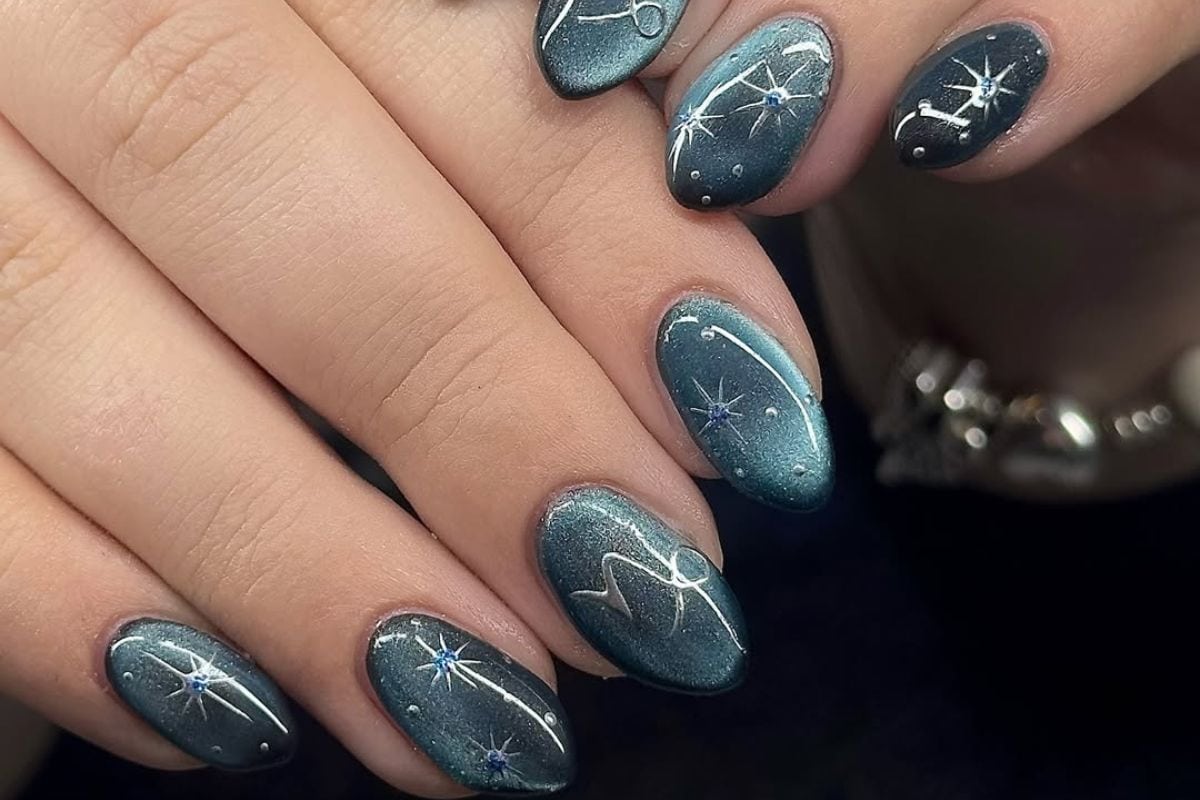
12 nail art ideas for Capricorn season – Scratch
Capricorn season is upon us! Let’s dive into birthday nails to celebrate the occasion…
Between 22 December and 19 January, Capricorn season is in full swing. Those born between these dates are said to showcase traits such as ambition,…
Continue Reading
-

Arsenal 2-1 Brighton: David Raya save keeps Gunners top of table
Arsenal’s victory over Brighton felt like a match that had been played multiple times already this season.
The Gunners dominated play, missed chances and had to deal with injuries to key players – something that has tested their squad since the…
Continue Reading
-
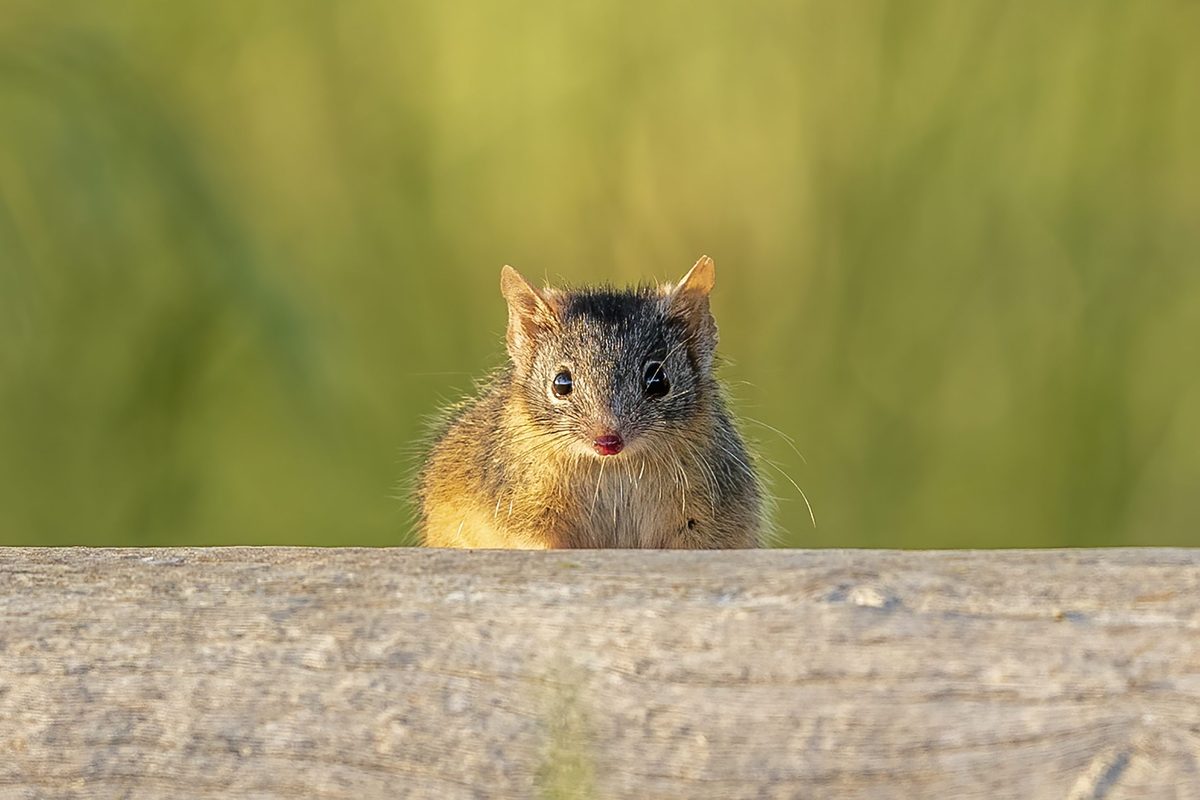
“Although the male doesn’t exactly die, it’s not much of a life either” – 8 deadliest mating rituals on the planet
Every species on earth reproduces. They do it in different ways, with different levels of success, but it’s the only strategy to ensure that the genes from one generation are passed to the next.
This makes reproduction about life, but for…
Continue Reading