In a Maryland operating room one day in November 2025, doctors made medical history by transplanting a genetically modified pig kidney into a living patient.
The kidney had been engineered to mimic human tissue and was grown in a pig, as an…
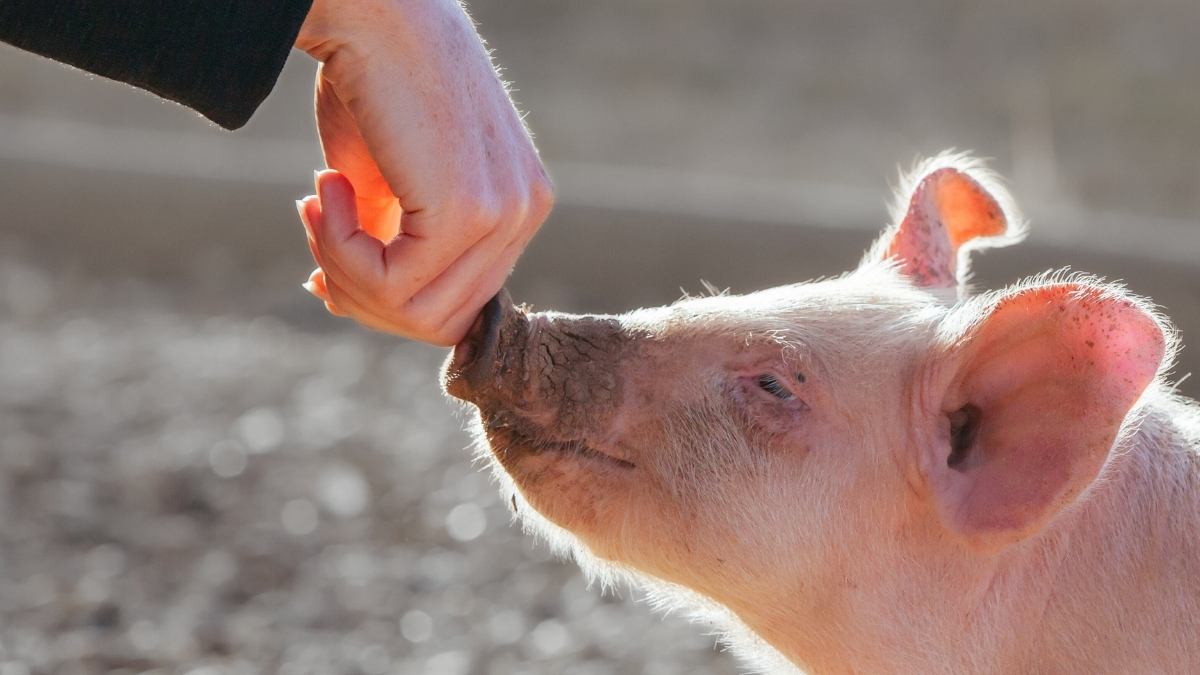
In a Maryland operating room one day in November 2025, doctors made medical history by transplanting a genetically modified pig kidney into a living patient.
The kidney had been engineered to mimic human tissue and was grown in a pig, as an…
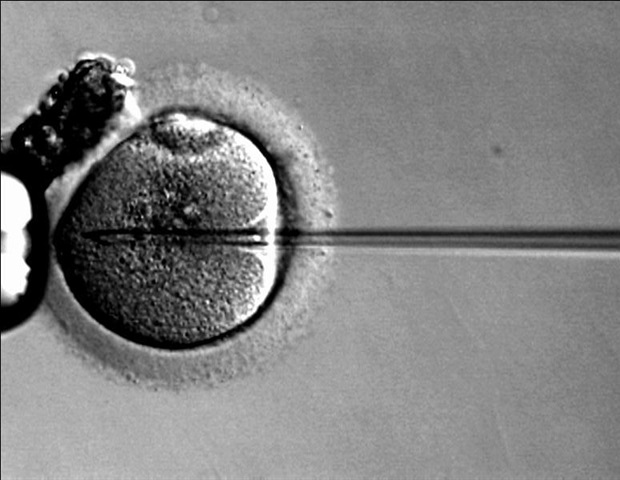
A groundbreaking new treatment using genome-edited immune cells, developed by scientists at UCL (University College London) and Great Ormond Street Hospital (GOSH), has shown promising results in helping children and adults fight a…
HONG KONG, Dec. 8, 2025 /PRNewswire/ — Akeso, Inc. (9926.HK) (“Akeso” or the “Company”) announced that at the 2025 ESMO Asia Congress, updated results from the pivotal Phase III HARMONi-6 study (AK112-306) were shared in an oral presentation by Professor Shun Lu from Shanghai Chest Hospital. The study evaluates ivonescimab (a first-in-class PD-1/VEGF bispecific antibody) combined with chemotherapy versus tislelizumab combined with chemotherapy in first-line treatment for advanced squamous non-small cell lung cancer (sq-NSCLC).
Beyond the previously reported efficacy data presented at the ESMO 2025 Presidential Symposium and simultaneously published in The Lancet, this presentation further disclosed patient-reported quality of life outcomes based on the EORTC QLQ-C30 questionnaire.
Both prolonging survival and improving quality of life are core indicators for evaluating cancer treatments. The results published at 2025 ESMO Asia demonstrate that, compared to the tislelizumab-based regimen, treatment with ivonescimab plus chemotherapy not only significantly prolongs progression-free survival (PFS) but also offers better tolerability, enables higher treatment adherence, and provides patients to maintain better overall health status and quality of life over a longer period. These findings highlight the comprehensive clinical value of the ivonescimab regimen in delivering both survival and quality-of-life benefits for patients.
The HARMONi-6 study enrolled 532 patients with well-balanced baseline characteristics. Among these patients, 92.3% had stage IV disease at enrollment. The squamous histology profile of the patients reflected real-world patterns, with approximately 63% of patients exhibiting the central squamous subtype (66.9% in the ivonescimab arm vs. 59.4% in the control arm). PD-L1 expression levels were also aligned with clinical expectations.
The results from the HARMONi-6 study further validate the breakthrough clinical value of the ivonescimab-plus-chemotherapy regimen compared to PD-1-plus chemotherapy regimen. The ivonescimab-plus chemotherapy regimen addresses a critical clinical gap when anti-angiogenic agents such as bevacizumab demonstrated severe safety considerations in the treatment of sq-NSCLC. Since ivonescimab’s initial approval in 2024, it has been evaluated in multiple clinical studies and used in real-world settings involving over 40,000 patients, where its transformative clinical benefits have been consistently demonstrated.
Across the immuno-oncology landscape, ivonescimab has shown clinical superiority to both PD-1 based treatments, which are currently the optimal standard of care for many cancers, and to also VEGF-targeted therapies in anti-angiogenesis based treatments.
In July 2025, based on the HARMONi-6 study results, the supplemental New Drug Application (sNDA) for ivonescimab in combination with chemotherapy as first-line treatment for sq-NSCLC was accepted for review by the Center for Drug Evaluation (CDE) of China’s National Medical Products Administration (NMPA). Akeso’s partner, Summit Therapeutics, is currently carrying out a global multicenter Phase III HARMONi-3 study, evaluating ivonescimab plus chemotherapy versus pembrolizumab plus chemotherapy as first-line therapy for advanced NSCLC (both squamous and non-squamous subtypes).
Forward-Looking Statement of Akeso, Inc.
This announcement by Akeso, Inc. (9926.HK, “Akeso”) contains “forward-looking statements”. These statements reflect the current beliefs and expectations of Akeso’s management and are subject to significant risks and uncertainties. These statements are not intended to form the basis of any investment decision or any decision to purchase securities of Akeso. There can be no assurance that the drug candidate(s) indicated in this announcement or Akeso’s other pipeline candidates will obtain the required regulatory approvals or achieve commercial success. If underlying assumptions prove inaccurate or risks or uncertainties materialize, actual results may differ materially from those set forth in the forward-looking statements.
Risks and uncertainties include but are not limited to, general industry conditions and competition; general economic factors, including interest rate and currency exchange rate fluctuations; the impact of pharmaceutical industry regulation and health care legislation in P.R.China, the United States and internationally; global trends toward health care cost containment; technological advances, new products and patents attained by competitors; challenges inherent in new product development, including obtaining regulatory approval; Akeso’s ability to accurately predict future market conditions; manufacturing difficulties or delays; financial instability of international economies and sovereign risk; dependence on the effectiveness of the Akeso’s patents and other protections for innovative products; and the exposure to litigation, including patent litigation, and/or regulatory actions.
Akeso does not undertake any obligation to publicly revise these forward-looking statements to reflect events or circumstances after the date hereof, except as required by law.
About Akeso
Akeso (HKEX: 9926.HK) is a leading biopharmaceutical company committed to the research, development, manufacturing and commercialization of the world’s first or best-in-class innovative biological medicines. Founded in 2012, the company has created a unique integrated R&D innovation system with the comprehensive end-to-end drug development platform (ACE Platform) and bi-specific antibody drug development technology (Tetrabody) as the core, a GMP-compliant manufacturing system and a commercialization system with an advanced operation mode, and has gradually developed into a globally competitive biopharmaceutical company focused on innovative solutions. With fully integrated multi-functional platform, Akeso is internally working on a robust pipeline of over 50 innovative assets in the fields of cancer, autoimmune disease, inflammation, metabolic disease and other major diseases. Among them, 26 candidates have entered clinical trials (including 15 bispecific/multispecific antibodies and bispecific ADCs. Additionally, 7 new drugs are commercially available. Through efficient and breakthrough R&D innovation, Akeso always integrates superior global resources, develops the first-in-class and best-in-class new drugs, provides affordable therapeutic antibodies for patients worldwide, and continuously creates more commercial and social values to become a global leading biopharmaceutical enterprise.
SOURCE Akeso, Inc.


Amazfit, known for its well-built but affordable smartwatches, has a new model in the works. The Amazfit Active Max has a clean look with a graduated bezel of the Active series paired with a larger display and a much larger battery.
The…
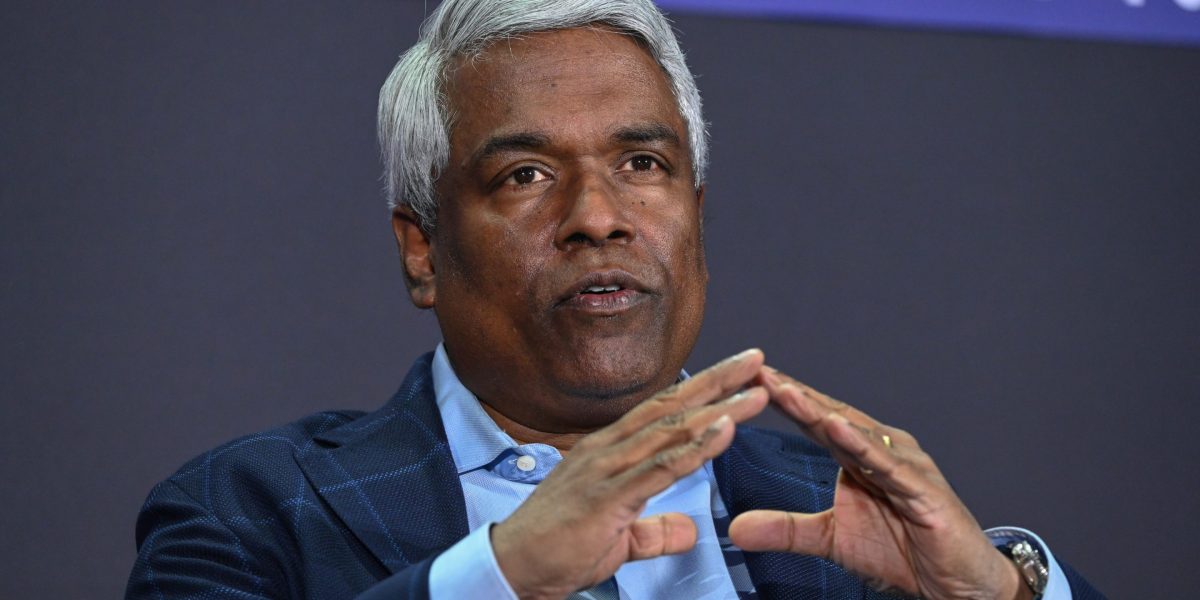
The immense electricity needs of AI computing was flagged early on as a bottleneck, prompting Alphabet’s Google Cloud to plan for how to source energy and how to use it, according to Google Cloud CEO Thomas Kurian.
Speaking at the Fortune Brainstorm AI event in San Francisco on Monday, he pointed out that the company—a key enabler in the AI infrastructure landscape—has been working on AI since well before large language models came along and took the long view.
“We also knew that the the most problematic thing that was going to happen was going to be energy, because energy and data centers were going to become a bottleneck alongside chips,” Kurian told Fortune’sAndrew Nusca. “So we designed our machines to be super efficient.”
The International Energy Agency has estimated that some AI-focused data centers consume as much electricity as 100,000 homes, and some of the largest facilities under construction could even use 20 times that amount.
At the same time, worldwide data center capacity will increase by 46% over the next two years, equivalent to a jump of almost 21,000 megawatts, according to real estate consultancy Knight Frank.
At the Brainstorm event, Kurian laid out Google Cloud’s three-pronged approach to ensuring that there will be enough energy to meet all that demand.
First, the company seeks to be as diversified as possible in the kinds of energy that power AI computation. While many people say any form of energy can be used, that’s actually not true, he said.
“If you’re running a cluster for training and you bring it up and you start running a training job, the spike that you have with that computation draws so much energy that you can’t handle that from some forms of energy production,” Kurian explained.
The second part of Google Cloud’s strategy is being as efficient as possible, including how it reuses energy within data centers, he added.
In fact, the company uses AI in its control systems to monitor thermodynamic exchanges necessary in harnessing the energy that has already been brought into data centers.
And third, Google Cloud is working on “some new fundamental technologies to actually create energy in new forms,” Kurian said without elaborating further.
Earlier on Monday, utility company NextEra Energy and Google Cloud said they are expanding their partnership and will develop new U.S. data center campuses that will include with new power plants as well.
Tech leaders have warned that energy supply is critical to AI development alongside innovations in chips and improved language models.
The ability to build data centers is another potential chokepoint as well. Nvidia CEO Jensen Huang recently pointed out China’s advantage on that front compared to the U.S.
“If you want to build a data center here in the United States, from breaking ground to standing up an AI supercomputer is probably about three years,” he said at the Center for Strategic and International Studies in late November. “They can build a hospital in a weekend.”
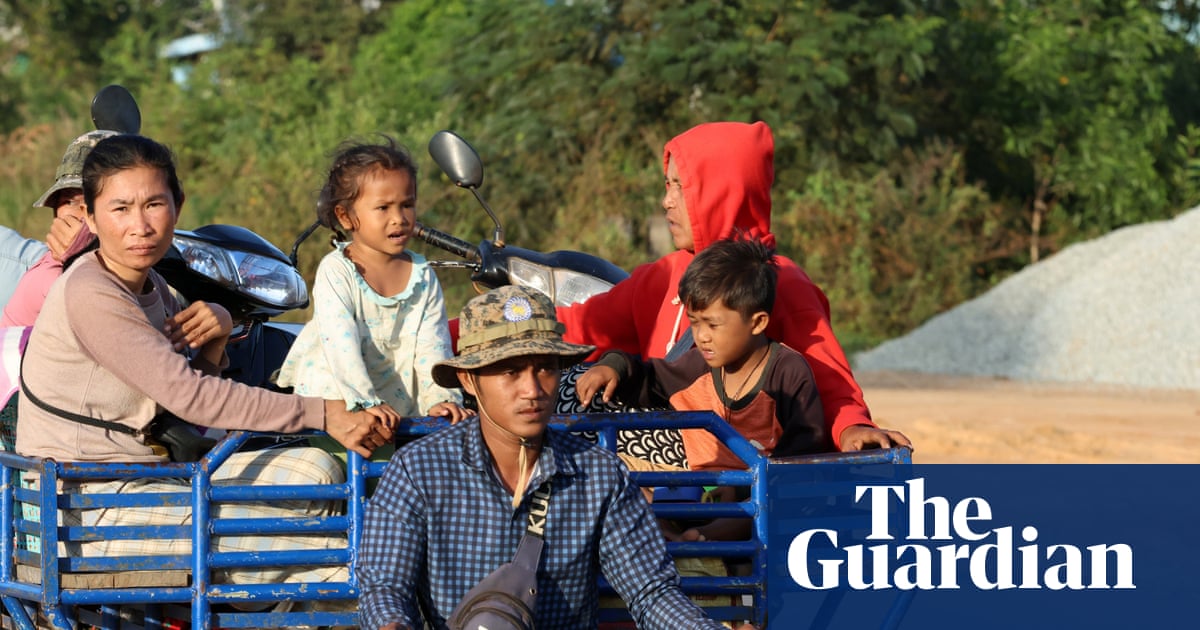
Thailand said it was taking action to expel Cambodian forces from its territory on Tuesday, as renewed fighting between the two South-east Asian neighbours spread along the disputed border.
Each side has blamed the other for the clashes, which…
The abstract in PubMed or at the publisher’s site is linked when available and will open in a new window.
A new clinical trial suggests that pairing bispecific antibodies and antibody-drug conjugates with CAR T-cell therapy may sharply boost one-year progression-free survival for people with aggressive lymphoma.
In just a few years, treatment options for aggressive lymphoma have rapidly advanced. However, many patients show a consistent pattern: powerful new therapies act quickly but often fail to keep the lymphoma at bay permanently, says Jay Spiegel, M.D., a transplant and cellular therapy physician at Sylvester Comprehensive Cancer Center, part of the University of Miami Miller School of Medicine.
Spiegel will present the early findings Dec. 8 at the 2025 American Society of Hematology (ASH) annual meeting in Orlando.
We have made huge improvements in lymphoma care. But there are still many patients where the current approaches are not curative.”
Jay Spiegel, M.D., a transplant and cellular therapy physician, Sylvester Comprehensive Cancer Center
That challenge inspired a new clinical trial – the researchers, led by senior author Lazaros Lekakis, M.D., professor of clinical medicine at the Miller School, combined three of the most promising lymphoma treatments, aiming to improve outcomes.
The clinical trial data indicate that combining these treatments may significantly enhance progression-free survival at one year.
Large B-cell lymphoma is the most common aggressive lymphoma in adults. Its most frequent subtype, diffuse LBCL, affects about 25,000 people in the U.S. each year. First-round treatments work for approximately 70% of patients.
For the 30% whose lymphoma comes back or never fully disappears, the next step is often CAR T-cell therapy, such as axicabtagene ciloleucel, approved in 2017. It trains a patient’s immune cells to target lymphoma.
“CAR T works incredibly well upfront,” Spiegel said, “but we’ve learned that it often falls short in the long-term – only about 40% of patients remain in remission after five years.”
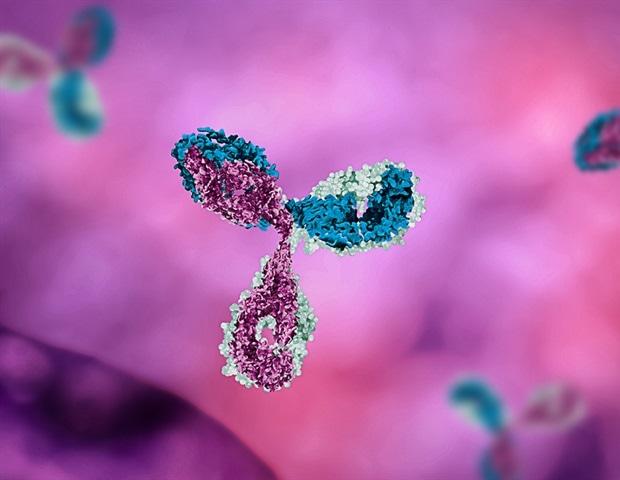
So, researchers have designed other new therapies. Mosunetuzumab is a two-headed bispecific antibody that links a T-cell to a lymphoma cell, activating the immune system to attack. Polatuzumab is an antibody–drug conjugate, meaning it delivers a small dose of chemotherapy directly into lymphoma cells. Both are effective initially but don’t reliably keep the disease away when used alone.
To boost the durability of these new treatments, the Sylvester team integrated all three approaches. “Attacking three different antigens at once could help overcome several of the reasons CAR T fails,” Spiegel said. “The hope was that combining them could really jump the efficacy, and so far, it has been quite something.”
The phase 2 study enrolled 25 adults with relapsed or refractory LBCL. They received mosunetuzumab and polatuzumab before and after the CAR T treatment. Of the 24 patients who reached day 90, 90% were in complete remission. At one year, about 80% were still in remission, a significant increase from an estimated 50% at one year with CAR T alone.
“I did not think it would work this well,” Spiegel said. “To take patients with this type of aggressive disease and have so many still in remission at one year, that really surprised me.”
The Sylvester trial might provide a way to achieve longer remissions. “We have an exciting result,” Spiegel said, “but now we need to show it can be done on a larger scale. That is the goal of the next study, to prove the juice is worth the squeeze.”
As encouraging as the findings are, they arrive in a field moving at an extraordinary pace as researchers are continually testing new immunotherapies, improving CAR T treatments, and exploring fresh drug targets. “Everything in lymphoma is happening all at once,” Spiegel said. “It makes the field exciting but also complicated.”
That pace presents both opportunity and complexity as clinicians work to understand how each advancement fits into the broader treatment landscape – and how they can work together. The current challenge is figuring out the best sequences and combinations for these new treatments – and how to use each without exhausting the immune system, Spiegel said.
In this surge of treatment options, the message for patients is increasingly hopeful. “If you have relapsed disease, even aggressive disease, there are multiple approaches now that can still cure your lymphoma,” Spiegel said. “That was not true seven years ago.”
Source:
University of Miami Miller School of Medicine