KARACHI: Royal Navy of Oman (RNO) flotilla, comprising vessels Al Rasikh and Al Shinas, visited Karachi to participate in the 12th edition of Bilateral Exercise Thamar Al Tayyib (TAT) 2025.
The exercise is aimed at strengthening maritime security…

KARACHI: Royal Navy of Oman (RNO) flotilla, comprising vessels Al Rasikh and Al Shinas, visited Karachi to participate in the 12th edition of Bilateral Exercise Thamar Al Tayyib (TAT) 2025.
The exercise is aimed at strengthening maritime security…

CHRISTCHURCH: An epic 202 not out by Justin Greaves and a stubborn support role by Kemar Roach saw the West Indies salvage a valiant draw in the first Test against New Zealand in Christchurch on Saturday.
Set a colossal target of 531, 113 more…

LAHORE: Monkeypox (Mpox) is a contagious viral disease and its prevention requires enhanced public awareness, timely diagnosis, effective treatment and comprehensive research.
Amiruddin Medical College (AMC) Principal Prof Farooq Afzal…
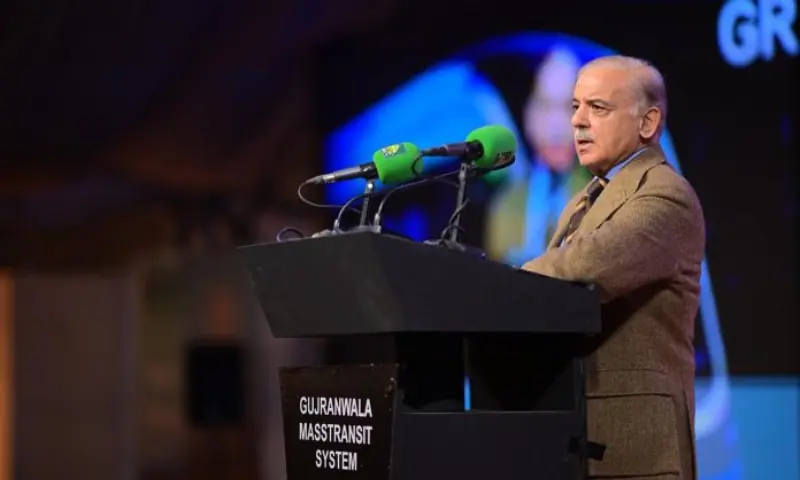
GUJRAT: Prime Minister Shehbaz Sharif on Saturday, while appreciating Punjab Chief Minister Maryam Nawaz for the successful launch of diverse, public-oriented mega projects across the province, said that after completing their current mandate,…

SYDNEY: Australia imposed financial sanctions and travel bans on four officials in Afghanistan’s Taliban government on Saturday over what it said was a deteriorating human rights situation in the country, especially for women and…

BRISDBANE: Mitchell Starc made a late-career bid for all-rounder status when he scored a…
• Board huddle follows staff-level deal in October
• Approval expected to boost investor confidence
• Islamabad under pressure to maintain fiscal discipline
WASHINGTON: The International Monetary Fund’s (IMF) Executive Board will…
• Board huddle follows staff-level deal in October
• Approval expected to boost investor confidence
• Islamabad under pressure to maintain fiscal discipline
WASHINGTON: The International Monetary Fund’s (IMF) Executive Board will…
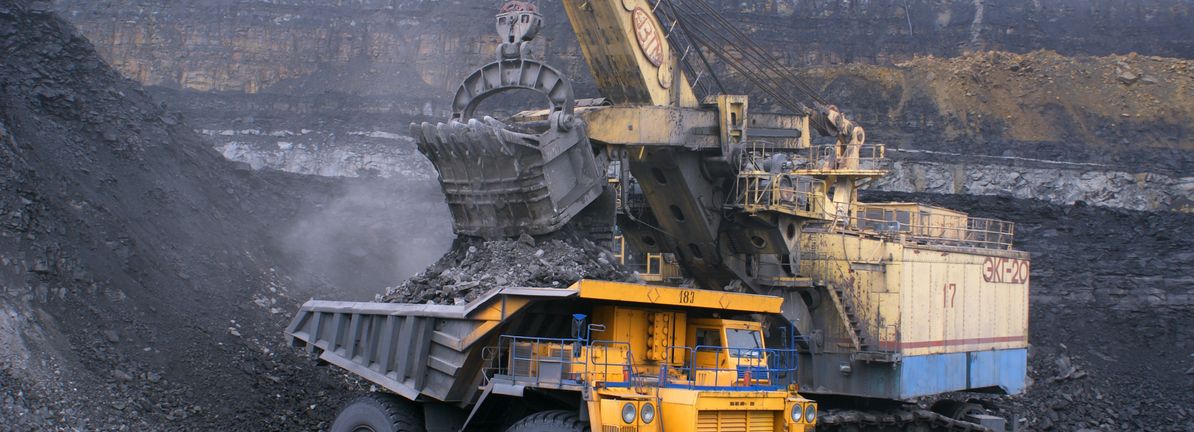
Cameco Corporation recently presented at the Mines and Money @ Resourcing Tomorrow conference in London, where Global Managing Director Dominic Kieran outlined the company’s role in the nuclear fuel supply chain.
The presentation highlighted how Cameco’s combination of uranium mining, fuel services, and its interest in Westinghouse is increasingly central to long-duration reactor projects and secure nuclear fuel sourcing.
We’ll now explore how Cameco’s expanding role across uranium supply and Westinghouse exposure could influence its investment narrative and long-term positioning.
AI is about to change healthcare. These 30 stocks are working on everything from early diagnostics to drug discovery. The best part – they are all under $10b in market cap – there’s still time to get in early.
Cameco mainly suits investors who believe in a long-lived nuclear buildout and tighter uranium supply, with Westinghouse broadening its role from mining into the wider fuel cycle. The London conference appearance reinforces that narrative but does not materially change the near term focus on utility contracting momentum as a key catalyst, or on production and supply chain reliability as the most immediate risk.
The recent binding term sheet with Brookfield Asset Management and the US Department of Commerce around Westinghouse reactors, with at least US$80 billion of proposed project financing support, is particularly relevant here. It underlines how Cameco’s exposure to Westinghouse could benefit if long duration reactor projects advance to final investment decisions, even as any delays or cancellations would still weigh on the broader thesis.
Yet against this expanding opportunity set, the risk that final investment decisions for new reactors slip further is something investors should be very aware of…
Read the full narrative on Cameco (it’s free!)
Cameco’s narrative projects CA$3.9 billion revenue and CA$1.2 billion earnings by 2028. This requires 2.6% yearly revenue growth and an earnings increase of about CA$666 million from CA$533.6 million today.
Uncover how Cameco’s forecasts yield a CA$151.75 fair value, a 20% upside to its current price.
Fourteen fair value estimates from the Simply Wall St Community span roughly CA$50.81 to CA$151.75, showing how differently retail investors weigh Cameco’s prospects. As you compare these views, keep in mind that many are anchored to expectations that long term reactor buildouts eventually unlock higher uranium and fuel services demand, which may or may not materialize on the timelines currently assumed.