Author: admin

  • New US seed ban risks driving cannabis genetics underground, growers warn | Cannabis

    New US seed ban risks driving cannabis genetics underground, growers warn | Cannabis

    For the first time since 2018, the sale of cannabis seeds in the US will be restricted due to a last-minute provision in the spending bill that ended the government shutdown last month – a move that experts say will kill the market in this country.

    Cannabis seed companies have enjoyed comparatively relaxed regulatory standards for the past several years because seeds themselves contain a negligible amount of THC, the compound that makes cannabis federally illegal.

    Sergio Martínez, chief executive officer and founder of Spain-based Blimburn Seeds, said that the 2018 farm bill eased restrictions on seeds by defining hemp as any product containing less than 0.3% delta 9 THC.

    “This definition was reinforced in 2022 when the DEA formally clarified that cannabis seeds meeting this threshold are legally considered hemp and therefore are not controlled substances under the Controlled Substances Act, even if the plants grown from them may exceed the THC limit,” Martínez said.

    Since then, most states have allowed seeds to be purchased and shipped without triggering any drug laws, and companies can sell and import seeds without special permits.

    But the provision in the spending bill that will ban most hemp products includes explicit language to ban seeds as well. The ban will restrict “any viable seeds from a Cannabis sativa L. plant that exceeds a total tetrahydrocannabinol concentration (including THCA) of 0.3% in the plant on a dry weight basis”, essentially restricting seeds based on the plants they might produce.

    Experts in the industry say this way of regulating seeds will destroy the market and doesn’t make logical sense.

    “All [seeds] look the same until you wait a minimum of three months to see what they really are. There is a misunderstanding about strains, even hemp plants registered in Europe as less than 0.3% THC if you are a good grower, you could get these numbers up,” Martínez said. “So how are you able to know what kind of seed is legal and what is not?”

    In the current legal landscape, seeds “can even be shipped internationally”, Martínez noted. While the US now has the world’s most robust cannabis seed market, Martínez expects that if the ban goes through, “other countries will take the lead”.

    The ban will be especially impactful for individual consumers who grow their own cannabis. In some states, growing cannabis is illegal even if seeds are not. In others, individuals can legally grow a limited amount – sometimes only with a medical cannabis card.

    Jamie Pearson, president and founder of the New Holland Group, an international cannabis consultancy, is especially concerned for consumers who grow their own plants for medical reasons. The legal seed market has allowed some companies to cultivate strains.

    “That work for epilepsy or that work for pain or that work for chemotherapy nausea. What these consumers are relying on is going to be gone,” Pearson said.

    Growing at home can be especially important for medical consumers and anyone concerned about their health.

    “To grow any kind of plant always makes you feel better, the act of growing is medicine for yourself already,” says Martínez, who also pointed out that homegrown cannabis can help the health of the planet as it eliminates many of the environmental costs of transporting and packaging products.

    Pearson agrees that homegrown cannabis allows consumers to avoid contaminants like pesticides, mold and heavy metals.

    “You’re in control of what you’re putting into the plant,” she said.

    It’s unclear how seed companies will be expected to prove that their products can only grow plants with low levels of THC in order to comply with the hemp ban, but Pearson thinks whatever these restrictions are, only a handful of the most well-resourced companies will be able to do it. She compares the variety of cannabis seeds available now to the varieties of wine available in stores.

    “These genetics are really the heart and soul of the cannabis industry. It’s sort of like when you talk about the difference between a pinot noir grape and a chardonnay grape,” Pearson said, adding that these grapes can make many subtly different varieties of wine, and that cannabis can have even more variety.

    But if the ban goes through, she noted, “it’s going to be a handful of the really large companies that have those right licenses. All those genetics, the good wine will go underground, and you’re just going to get Ernest and Julio Gallo, rather than all the varietals that we can get at our local wine store. And so it’s going to really impact the consumer experience.”

    Continue Reading

  • Italy’s market watchdog rules out secret pact in Mediobanca-Generali case, paper reports

    Italy’s market watchdog rules out secret pact in Mediobanca-Generali case, paper reports

    ROME, Dec 6 (Reuters) – Italy’s market regulator has found no evidence of a secret agreement involving Monte dei Paschi di Siena and some of its shareholders to gain control of Mediobanca and insurer Generali, Il Sole-24 Ore reported on Saturday.

    MPS, Italy’s oldest bank, completed a hostile takeover of Mediobanca in September, securing a majority stake. Mediobanca has historically been the main shareholder in insurance company Assicurazioni Generali.

    Sign up here.

    The Italian financial daily cited a document dated September 15 from Consob’s issuer supervision division and said it had found “no secret pact exists”.

    The regulator had addressed allegations of a “concerted effort” involving MPS’s CEO Luigi Lovaglio, Delfin’s chairman Francesco Milleri, and construction tycoon Francesco Gaetano Caltagirone, to gain control of Mediobanca and insurer Generali, while avoiding a mandatory takeover bid.

    A Consob spokesperson declined to comment.

    Milan prosecutors are investigating alleged market manipulation and the alleged obstruction of regulators in connection with the deal.

    Lovaglio, Milleri, and Caltagirone have denied any wrongdoing.

    Il Sole-24 Ore said the Consob document, which “completely diverges from the investigators’ hypotheses,” has been sent to the Milan prosecutor’s office.

    Reporting by Giselda Vagnoni; editing by Barbara Lewis

    Our Standards: The Thomson Reuters Trust Principles., opens new tab

    Continue Reading

  • No, it is not anxiety or fatigue: Heart doctor reveals the most overlooked sign that your body is under stress

    No, it is not anxiety or fatigue: Heart doctor reveals the most overlooked sign that your body is under stress

    In a fast-paced world where stress often hides behind exhaustion, irritability or anxious thoughts, a US based cardiologist is drawing attention to a simpler but widely ignored indicator. According to Dr Sanjay Bhojraj, the clearest sign that the…

    Continue Reading

  • Vertex Presents New Data on CASGEVY®, Including First-Ever Data in Children Ages 5-11 Years, at the American Society of Hematology Annual Meeting and Announces Plan for Global Regulatory Submissions

    – Data from pivotal studies of CASGEVY in children ages 5-11 years with severe sickle cell disease or transfusion-dependent beta thalassemia demonstrates the transformative potential of the therapy in younger patients –

    – Efficacy and safety data in children 5-11 years are consistent with the durable and positive benefit/risk profile established from clinical studies in patients 12 years of age and older –

    Vertex expects to initiate global regulatory submissions for CASGEVY in children 5-11 years in 1H 2026 –

    BOSTON–(BUSINESS WIRE)–Dec. 6, 2025–
    Vertex Pharmaceuticals Incorporated (Nasdaq: VRTX) today announced data from multiple studies demonstrating the clinical benefits of CASGEVY® (exagamglogene autotemcel) in people ages 5 years and older living with severe sickle cell disease (SCD) or transfusion-dependent beta thalassemia (TDT). The results, including the first presentation of clinical data from pivotal studies in children ages 5-11 years, and longer-term data from the pivotal studies of people with severe SCD and TDT ages 12 years and older, will be presented at the American Society of Hematology (ASH) Annual Meeting. CASGEVY is currently approved for eligible people ages 12 years and older with SCD or TDT in the United States, Great Britain, the European Union, the Kingdom of Saudi Arabia, the Kingdom of Bahrain, Kuwait, Qatar, Canada, Switzerland and the United Arab Emirates.

    “These results — the first clinical data ever presented on any genetic therapy for children ages 5-11 years with SCD — again demonstrate the transformative potential of CASGEVY,” said Carmen Bozic, M.D., Executive Vice President, Global Medicines Development and Medical Affairs, and Chief Medical Officer at Vertex. “With dosing completed in the 5-11 age group and the Commissioner’s National Priority Voucher for CASGEVY in this population in hand, we are excited to begin global regulatory filings in the first half of next year and bring this potentially transformative therapy to eligible children as soon as possible.”

    “As an investigator in the clinical program for patients 12 years and older and after having real-world experience with CASGEVY as an early commercial treatment center, I have seen firsthand the transformative impact this therapy has had on older patients with SCD or TDT. I am excited to hopefully be able to offer this option to my younger patients soon, early in life, before some of the most devastating impacts of these diseases begin,” said Haydar Frangoul, M.D., M.S., Medical Director of Pediatric Hematology and Oncology at Sarah Cannon Research Institute and HCA Healthcare’s TriStar Centennial Children’s Hospital, Member of Vertex’s SCD Program Steering Committee, and presenting author of the 5-11 years old CASGEVY data at ASH.

    First presentation of data in children ages 5-11 years treated with CASGEVY

    • In children with SCD, 11 patients have been dosed with CASGEVY in the Phase 3 CLIMB-151 clinical study, and all (4/4) patients with sufficient follow-up achieved the primary endpoint of being free from vaso-occlusive crises (VOCs) for at least 12 consecutive months (VF12).

      • No patient experienced a VOC following infusion with CASGEVY, with the longest duration of VOC-free of approximately two years (range 3.2–24.1 months).
    • In children with TDT, 13 patients have been dosed with CASGEVY in the Phase 3 CLIMB-141 clinical study, and all (6/6) patients with sufficient follow-up achieved the primary endpoint of transfusion independence for at least 12 consecutive months while maintaining a weighted average hemoglobin (Hb) of at least 9 g/dL (TI12).

      • Following CASGEVY infusion, 12/13 are transfusion free, with the longest duration of transfusion free just under two years (range 2.3–22.5 months).
      • One patient died from pneumonia in the setting of multi-organ failure due to severe veno-occlusive disease related to the busulfan conditioning.
    • The safety profile of CASGEVY in younger patients is consistent with myeloablative conditioning and autologous transplant in both SCD and TDT, as established in clinical studies in older patients.
    • Consistent with studies in older patients, children treated with CASGEVY have durable increases in fetal hemoglobin (HbF) and stable allelic editing.

    Longer-term data for people with SCD and TDT ages 12 years and older treated with CASGEVY

    New longer-term data from the pivotal clinical studies of CASGEVY in people 12 years and older will also be presented at ASH. These data, as of April 2025, continue to demonstrate the transformative, durable clinical benefits that CASGEVY provides to people living with SCD or TDT. In SCD, 100% of patients (45/45) achieved VF12 in either CLIMB-121 or the long-term follow-up study CLIMB-131, with a mean duration of VOC-free for 35.3 months (range 12.9–67.7 months). In TDT, 98.2% (55/56) achieved TI12 in either CLIMB-111 or CLIMB-131 with a mean duration of transfusion independence of 41.4 months (range 13–72.3 months). The safety profile remained consistent with myeloablative conditioning and autologous transplant in both SCD and TDT.

    About Sickle Cell Disease (SCD)

    SCD is a debilitating, progressive and life-shortening disease. It is an inherited blood disorder that affects the red blood cells, which are essential for carrying oxygen to all organs and tissues of the body. SCD causes severe pain, organ damage and shortened life span due to misshapen or “sickled” red blood cells. The clinical hallmark of SCD is vaso-occlusive crises (VOCs), which are caused by blockages of blood vessels by sickled red blood cells and result in severe and debilitating pain that can happen anywhere in the body at any time. SCD requires a lifetime of treatment and results in a reduced life expectancy. In the U.S., the median age of death for patients living with SCD is approximately 45 years. SCD patients report health-related quality of life scores well below the general population, and the lifetime health care costs in the U.S. of managing SCD for patients with recurrent VOCs is estimated between $4 and $6 million.

    About Transfusion-Dependent Beta Thalassemia (TDT)

    TDT is a serious, life-threatening genetic disease. It requires frequent blood transfusions and iron chelation therapy throughout a person’s life. Due to anemia, patients living with TDT may experience fatigue and shortness of breath, and infants may develop failure to thrive, jaundice and feeding problems. Complications of TDT can also include an enlarged spleen, liver and/or heart, misshapen bones and delayed puberty. TDT requires lifelong treatment and significant use of health care resources, and ultimately results in reduced life expectancy, decreased quality of life and reduced lifetime earnings and productivity. In the U.S., the median age of death for patients living with TDT is 37 years. TDT patients report health-related quality of life scores below the general population and the lifetime health care costs in the U.S. of managing TDT are estimated between $5 and $5.7 million.

    About CASGEVY® (exagamglogene autotemcel)

    CASGEVY is a non-viral, ex vivo CRISPR/Cas9 gene-edited cell therapy for eligible patients with SCD or TDT, in which a patient’s own hematopoietic stem and progenitor cells are edited at the erythroid specific enhancer region of the BCL11A gene through a precise double-strand break. This edit results in the production of high levels of fetal hemoglobin (HbF; hemoglobin F) in red blood cells. HbF is the form of the oxygen-carrying hemoglobin that is naturally present during fetal development, which then switches to the adult form of hemoglobin after birth. CASGEVY has been shown to reduce or eliminate VOCs for patients with SCD and transfusion requirements for patients with TDT.

    The use of CASGEVY in children ages 5-11 years is investigational.

    About the CLIMB Studies

    The Phase 1/2/3 open-label studies, CLIMB-111 and CLIMB-121, are designed to assess the safety and efficacy of a single dose of CASGEVY in patients ages 12-35 years with TDT or with SCD and recurrent VOCs. Patients will be followed for approximately two years after CASGEVY infusion in these studies. CLIMB-141 and CLIMB-151 are ongoing Phase 3 open-label studies, designed to assess the safety and efficacy of a single dose of exagamglogene autotemcel in patients ages 2-11 years with TDT or with SCD and recurrent VOCs. Enrollment and dosing are complete for the 5-11-years-old cohort in both studies with the plan to extend to ages 2-4 years.

    Each patient will be asked to participate in the ongoing long-term, open-label study, CLIMB-131. CLIMB-131 is designed to evaluate the long-term safety and efficacy of CASGEVY in patients with up to 15 years of follow up after CASGEVY infusion.

    Next steps for CASGEVY in children ages 5-11 years

    Enrollment and dosing are complete for the 5-11 years cohort in both studies. Vertex expects to initiate global regulatory filings for this age group, including a supplemental Biologics License Application (sBLA) in the U.S., in the first half of next year. Vertex recently received a Commissioner’s National Priority Voucher for CASGEVY in the 5-11 years age group from the U.S. Food and Drug Administration to accelerate the review of the sBLA once submitted. Products under the program will be subject to a 1–2-month review clock from the start of FDA’s review and will also benefit from enhanced communication opportunities with the agency.

    U.S. INDICATIONS AND IMPORTANT SAFETY INFORMATION FOR CASGEVY

    WHAT IS CASGEVY?

    CASGEVY is a one-time therapy used to treat people ages 12 years and older with:

    • sickle cell disease (SCD) who have frequent vaso-occlusive crises or VOCs
    • beta thalassemia (β-thalassemia) who need regular blood transfusions

    CASGEVY is made specifically for each patient, using the patient’s own edited blood stem cells, and increases the production of a special type of hemoglobin called hemoglobin F (fetal hemoglobin or HbF). Having more HbF increases overall hemoglobin levels and has been shown to improve the production and function of red blood cells. This can eliminate VOCs in people with sickle cell disease and eliminate the need for regular blood transfusions in people with beta thalassemia.

    IMPORTANT SAFETY INFORMATION

    What is the most important information I should know about CASGEVY?

    After treatment with CASGEVY, you will have fewer blood cells for a while until CASGEVY takes hold (engrafts) into your bone marrow. This includes low levels of platelets (cells that usually help the blood to clot) and white blood cells (cells that usually fight infections). Your doctor will monitor this and give you treatment as required. The doctor will tell you when blood cell levels return to safe levels.

    • Tell your healthcare provider right away if you experience any of the following, which could be signs of low levels of platelet cells:

      • severe headache
      • abnormal bruising
      • prolonged bleeding
      • bleeding without injury such as nosebleeds; bleeding from gums; blood in your urine, stool, or vomit; or coughing up blood
    • Tell your healthcare provider right away if you experience any of the following, which could be signs of low levels of white blood cells:

    You may experience side effects associated with other medicines administered as part of the treatment regimen for CASGEVY. Talk to your physician regarding those possible side effects. Your healthcare provider may give you other medicines to treat your side effects.

    How will I receive CASGEVY?

    Your healthcare provider will give you other medicines, including a conditioning medicine, as part of your treatment with CASGEVY. It’s important to talk to your healthcare provider about the risks and benefits of all medicines involved in your treatment.

    After receiving the conditioning medicine, it may not be possible for you to become pregnant or father a child. You should discuss options for fertility preservation with your healthcare provider before treatment.

    STEP 1: Before CASGEVY treatment, a doctor will give you mobilization medicine(s). This medicine moves blood stem cells from your bone marrow into the blood stream. The blood stem cells are then collected in a machine that separates the different blood cells (this is called apheresis). This entire process may happen more than once. Each time, it can take up to one week.

    During this step rescue cells are also collected and stored at the hospital. These are your existing blood stem cells and are kept untreated just in case there is a problem in the treatment process. If CASGEVY cannot be given after the conditioning medicine, or if the modified blood stem cells do not take hold (engraft) in the body, these rescue cells will be given back to you. If you are given rescue cells, you will not have any treatment benefit from CASGEVY.

    STEP 2: After they are collected, your blood stem cells will be sent to the manufacturing site where they are used to make CASGEVY. It may take up to 6 months from the time your cells are collected to manufacture and test CASGEVY before it is sent back to your healthcare provider.

    STEP 3: Shortly before your stem cell transplant, your healthcare provider will give you a conditioning medicine for a few days in hospital. This will prepare you for treatment by clearing cells from the bone marrow, so they can be replaced with the modified cells in CASGEVY. After you are given this medicine, your blood cell levels will fall to very low levels. You will stay in the hospital for this step and remain in the hospital until after the infusion with CASGEVY.

    STEP 4: One or more vials of CASGEVY will be given into a vein (intravenous infusion) over a short period of time.

    After the CASGEVY infusion, you will stay in hospital so that your healthcare provider can closely monitor your recovery. This can take 4-6 weeks, but times can vary. Your healthcare provider will decide when you can go home.

    What should I avoid after receiving CASGEVY?

    • Do not donate blood, organs, tissues, or cells at any time in the future

    What are the possible or reasonably likely side effects of CASGEVY?

    The most common side effects of CASGEVY include:

    • Low levels of platelet cells, which may reduce the ability of blood to clot and may cause bleeding
    • Low levels of white blood cells, which may make you more susceptible to infection

    Your healthcare provider will test your blood to check for low levels of blood cells (including platelets and white blood cells). Tell your healthcare provider right away if you get any of the following symptoms:

    • fever
    • chills
    • infections
    • severe headache
    • abnormal bruising
    • prolonged bleeding
    • bleeding without injury such as nosebleeds; bleeding from gums; blood in your urine, stool, or vomit; or coughing up blood

    These are not all the possible side effects of CASGEVY. Call your doctor for medical advice about side effects. You may report side effects to FDA at 1-800-FDA-1088.

    General information about the safe and effective use of CASGEVY

    Talk to your healthcare provider about any health concerns.

    Please see full Prescribing Information including Patient Information for CASGEVY.

    About Vertex

    Vertex is a global biotechnology company that invests in scientific innovation to create transformative medicines for people with serious diseases and conditions. The company has approved therapies for cystic fibrosis, sickle cell disease, transfusion-dependent beta thalassemia and acute pain, and it continues to advance clinical and research programs in these areas. Vertex also has a robust clinical pipeline of investigational therapies across a range of modalities in other serious diseases where it has deep insight into causal human biology, including neuropathic pain, APOL1-mediated kidney disease, IgA nephropathy, primary membranous nephropathy, autosomal dominant polycystic kidney disease, type 1 diabetes and myotonic dystrophy type 1.

    Vertex was founded in 1989 and has its global headquarters in Boston, with international headquarters in London. Additionally, the company has research and development sites and commercial offices in North America, Europe, Australia, Latin America and the Middle East. Vertex is consistently recognized as one of the industry’s top places to work, including 16 consecutive years on Science magazine’s Top Employers list and one of Fortune’s 100 Best Companies to Work For. For company updates and to learn more about Vertex’s history of innovation, visit www.vrtx.com or follow us on LinkedIn, Facebook, Instagram, YouTube and X.

    Vertex Special Note Regarding Forward-Looking Statements

    This press release contains forward-looking statements as defined in the Private Securities Litigation Reform Act of 1995, as amended, including, without limitation, statements made by Carmen Bozic, M.D., and Haydar Frangoul, M.D., M.S., and statements regarding expectations for the clinical benefits of CASGEVY, plans to initiate global regulatory submissions for children 5-11, including in the U.S., in the first half of 2026, expectations that the use of a Priority Voucher will accelerate the review of the sBLA, expectations for the design of the CLIMB studies, including plans to follow patients after infusion, expectations that each patient will be asked to participate in the CLIMB-131 study and expectations that the studies will be extended to children 2-4 years of age. While Vertex believes the forward-looking statements contained in this press release are accurate, these forward-looking statements represent the company’s beliefs only as of the date of this press release and there are a number of risks and uncertainties that could cause actual events or results to differ materially from those expressed or implied by such forward-looking statements. Those risks and uncertainties include, among other things, that data from the company’s research and development programs may not support registration or further development of its potential medicines in a timely manner, or at all, due to safety, efficacy or other reasons, that the company may be unable to make the anticipated regulatory submissions on the expected timeline, or at all, and other risks listed under the heading “Risk Factors” in Vertex‘s most recent annual report and subsequent quarterly reports filed with the Securities and Exchange Commission at www.sec.gov and available through the company’s website at www.vrtx.com. You should not place undue reliance on these statements, or the scientific data presented. Vertex disclaims any obligation to update the information contained in this press release as new information becomes available.

    (VRTX-GEN)

    Vertex Pharmaceuticals Incorporated

    Investors:

    InvestorInfo@vrtx.com or

    +1 617-341-6108

    Media:

    mediainfo@vrtx.com or

    617-341-6992

    Source: Vertex Pharmaceuticals Incorporated

    Continue Reading

  • Ressence and Marc Newson Just Unveiled the New Type 3 Marc Newson

    Ressence and Marc Newson Just Unveiled the New Type 3 Marc Newson

    Some collaborations feel inevitable in hindsight, and the new Type 3 Marc Newson from Ressence is one of them. Benôit Mintiens, CEO of the Belgian brand, whose wildly creative design looks unlike anything on the watch market has teamed up with…

    Continue Reading

  • The truth about the ‘gender care gap’: are men really more likely to abandon their ill wives? | Relationships

    The truth about the ‘gender care gap’: are men really more likely to abandon their ill wives? | Relationships

    Jess never dreamed that she was going to get sick, nor did she consider what it would mean for her love life if she did. When she first started dating her boyfriend, they were both in their late 20s, living busy, active lives. “Sport was…

    Continue Reading

  • Gen Z office survival guide: how to overcome telephobia and get up early | Young people

    Gen Z office survival guide: how to overcome telephobia and get up early | Young people

    If you are a millennial, part of gen X or a boomer, you probably do not give a second thought to picking up the phone to talk to someone or chit-chatting beside the office water cooler. But for gen Z, those common workplace moments are a huge source of anxiety.

    According to a study released this week, early mornings, working with older colleagues and making small talk are just some of the things employees born between 1997 and 2012 dread.

    The study, commissioned by Trinity College London, surveyed more than 1,500 people aged between 16 and 29 across the UK. It found that 38% of young people dread having to make small talk in the workplace. Almost 60% said they would struggle to work with older colleagues while 30% feared picking up the phone.

    Here, experts share their tips on how to overcome gen Z’s biggest anxieties.

    Telephobia

    “There’s a massive skill to learning to make calls,” says Liz Baxter, a careers adviser at Nottingham College who runs coaching sessions on phone confidence. She says demand for the college’s “telephobia” course is high.

    While previous generations grew up having no option but to pick up the phone, Baxter says texting, online booking platforms and AI customer service have made making a phone call one of the biggest generational divides.

    Baxter explains confidence comes with practice. She suggests calling friends and family first “to practise the ebb and flow of a two-way conversation in real time”.

    Baxter stresses the importance of sitting up straight, speaking slowly and smiling as “the caller will hear it in your voice”.

    Sophie Rains, a customer support and experience manager who manages a call centre, says that before dialling you should jot down “what the purpose of your call is and any relevant information. That way if you get nervous or confused you can refer back to your notes.”

    If someone is rude or angry, Rains says: “I usually let them vent and eventually they run out of steam and are often a bit calmer.”

    Rains says to remember not to take anything personally. “You don’t know what is going on in the caller’s life, or you might have caught them at a bad time.”

    Colleagues and office chit-chat

    Rather than fearing encounters with new people, Marie O’Riordan, an executive coach, suggests viewing it as an adventure, with many people making lifelong friends through work.

    The former editor-in-chief of Marie Claire and Elle UK, who now specialises in helping women transition into leadership roles, says small talk can often lead to other opportunities.

    She suggests starting with workplace topics such as how long someone has been with the company, rather than subjects such as someone’s home life, which could be considered too personal.

    “Gen Z often underestimate how flattering it is to be asked questions,” O’Riordan says. “It shows a generosity and you can learn so much from other people.”

    Early birds

    If you need to set an early alarm, Dr Radha Modgil, the author of Know Your Own Power: Inspiration, Motivation and Practical Tools for Life, suggests treating yourself as if you were a child going back to school after the summer holidays. In the weeks leading up to a new job, start by bringing your bedtime and getting-up time forward.

    For an efficient morning routine, take your start time and work backwards. “Look at travel timetables. Get your work clothes ready the night before. Lay out your breakfast,” Modgil says. “These are things that all sound very simple but they help prepare you and can reduce anxiety.”

    According to the report, 28% of gen Z favoured flexible working hours and no emails after 6pm, while 32% wanted mental health days as standard. A desire to work from home was expressed by 68% of the respondents. Modgil says a lot of trepidation stems from gen Z feeling like the workplace will be detrimental to their wellbeing.

    Modgil suggests treating each month like a marathon and coming up with a plan. “It helps to pace yourself so that you can be present and have the mental and emotional energy to work effectively.”

    Continue Reading

  • Surging gas prices worsen affordability crisis for Americans

    Surging gas prices worsen affordability crisis for Americans

    US natural gas prices are soaring as the country ships record amounts of the fuel overseas, contributing to an affordability crisis that is causing political problems for Donald Trump. 

    Wholesale prices have jumped more than 70 per cent in the past 12 months, with the US benchmark Henry Hub price settling at $5.29 on Friday, its highest level since December 21 2022 during the energy crisis sparked by Russia’s full-scale invasion of Ukraine.

    The price surge is contributing to a deepening sense of runaway costs in the US, and flies in the face of Trump’s claims to have driven down energy prices during his first year back in office.

    It comes alongside frigid temperatures across the US, pushing up demand for power generation to heat homes and businesses.

    Trump has prioritised boosting LNG exports overseas and gas production at home to fuel the AI boom, as part of a strategy to unleash “US energy dominance”.

    But he faces growing pushback from consumers and industry concerned that rising power prices are worsening a “cost of living crisis” and denting competitiveness.

    “As North America exports more natural gas, it imports higher and more volatile gas prices as a result,” said Clark Williams-Derry, analyst at the Institute for Energy Economics and Financial Analysis, a think-tank backed by environmental foundations.

    “This is great news for the gas industry, which has seen a bump in revenues. But it’s not so great if you’re a US consumer who relies on gas for heating or power,” he said.

    Analysts say it may also reflect a structural shift in gas pricing, as an increasing share of production is diverted to booming LNG exports and an anticipated rise in demand from energy-hungry artificial intelligence data centres.

    “During the coldest days of winter, LNG exports and local consumers are competing for the same supply molecules. In extreme weather scenarios, there may not be enough gas supply to satisfy both,” said Eric McGuire, analyst at Wood Mackenzie, an energy consultancy.

    Industrial Energy Consumers of America, a group representing large energy-consuming manufacturers, said US policymakers should prioritise domestic customers over LNG exports.

    “As export volumes grow, price and reliability risks increase for US consumers and directly impact manufacturing competitiveness,” said Paul Cicio, chief executive of the Industrial Energy Consumers of America. 

    “We do not have an alternative. We are stuck at the end of a pipeline.”

    Some content could not load. Check your internet connection or browser settings.

    A Yahoo/YouGov poll published last week found that by a two-to-one margin, respondents believed Trump had done more to raise prices (49 per cent) than lower them (24%). This week, the president described cost-of-living concerns as a “con job by the Democrats”.   

    During last year’s election campaign Trump promised to cut energy prices in half during his first 12 months in office — a message that resonated with voters stung by high inflation and energy costs during the Biden administration.

    But since his election the cost of electricity and gas piped into homes has continued to climb, with rates increasing by 5.1 per cent and 11.7 per cent respectively in September, compared to a year earlier, data published by the US Bureau of Labor Statistics shows.

    The average price of natural gas paid by electric power plants this year will increase by 37 per cent and the price paid by industrial sector customers will rise by 21 per cent compared to the 2024 averages, according to the Energy Information Administration, the US government’s statistical arm.

    Residential and commercial consumers are expected to pay 4 per cent more this year on average, compared to last year.

    In September the US exported a record 9.41mn metric tonnes of LNG, up nearly 20 per cent in the same month a year earlier, according to the EIA.

    US LNG helped supply Europe during the worst energy crisis in decades, as the continent tried to wean itself off Russian energy after Moscow ordered the full-scale invasion of Ukraine, with the primary destination for US cargoes including Spain, France, the UK and the Netherlands.

    The LNG industry and gas producers argue surging LNG exports are not to blame for rising retail prices, as there is no shortage of gas to drill in the US. Instead, they blame a political failure to enable the construction of new pipelines and gas storage facilities, to supply key markets.

    “It’s not AI, it’s not LNG exports. It’s very simple. It’s because political force has overwhelmed market forces and political force has shown up in the form of pipeline and energy infrastructure blockages,” said Toby Rice, chief executive of EQT, the largest gas producer in the US.

    A lack of infrastructure is causing markets in the US to become disconnected, according to EQT, which expects to sell gas for approximately $4 per million British thermal units this winter in Appalachia while Boston and parts of New England will pay a much higher rate of close to $14 per mmbtu for natural gas, owing to very limited pipeline capacity to the city.

    “This isn’t just the most expensive natural gas in the country, it’s the most expensive natural gas in the world,” said Rice.  

    But analysts say booming LNG supply, growing demand from data centres and rising cost of extracting gas from some US basins, such as the Haynesville, would maintain pressure on natural gas prices.

    “Between now and 2030, LNG export capacity in the US Gulf Coast will double what it is currently and that will definitely have an impact on price,” said Mathieu Utting, analyst at Rystad.

    Continue Reading

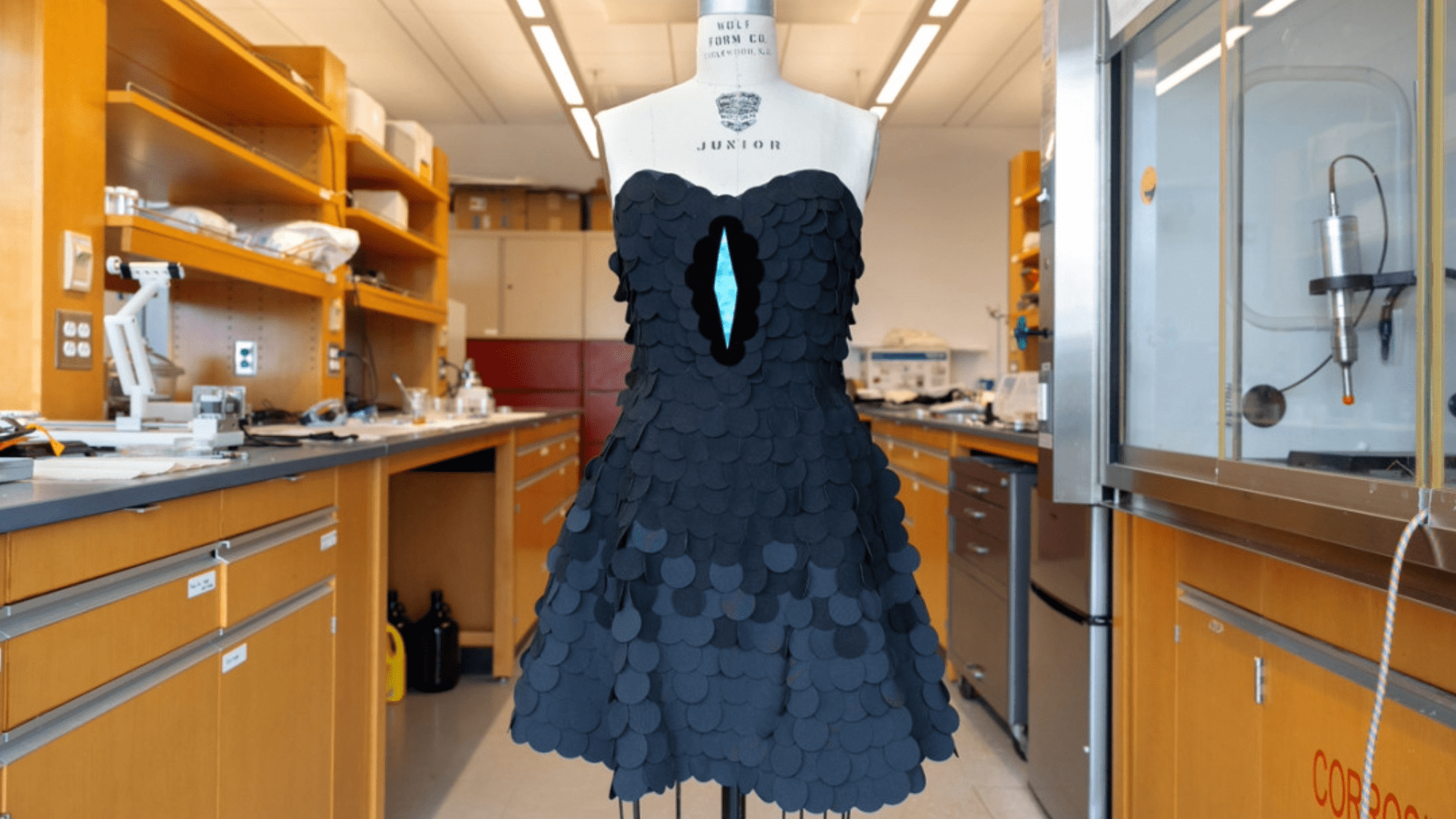
  • Scientists Created the World’s Darkest Fabric—and Made a Dress Out of It

    Scientists Created the World’s Darkest Fabric—and Made a Dress Out of It

    What happens when you’ve created an extraordinarily black fabric? That’s what scientists at Cornell had to figure out once they did exactly that. How do you practically apply something so niche?

    The researchers who created a fabric so…

    Continue Reading

  • Depression and insomnia mediate the link between problematic internet

    Depression and insomnia mediate the link between problematic internet

    Ildiko Radvanyi,1 Antal Tibold,1 Viktoria Herczeg,2 Viktor Paphazi,3 Szilvia Beke,2 Kornel Mák,2 Krisztian Hargitai-Kiss,1 Gergely Feher1

    1Centre for Occupational Medicine, Medical School, University of Pécs, Pecs, Hungary; 2Faculty of Health…

    Continue Reading