Author: admin

  • Hyundai Motor Company Joins Forces with HD KSOE and PNU to Develop Maritime Fuel Cell System

    Hyundai Motor Company Joins Forces with HD KSOE and PNU to Develop Maritime Fuel Cell System

    What is the Focus of Hyundai’s Maritime Fuel Cell System Collaboration?

    Under the MoU, the consortium will develop and demonstrate a maritime fuel cell system for mid- to large-scale liquefied hydrogen carriers. The key development goals include:

    • Hyundai Motor Company plans to develop a fuel cell system optimized for marine applications based on its existing fuel cell technology.
    • HD KSOE will carry out the integrated design of a hybrid electric propulsion system consisting of a hydrogen dual fuel engine and Hyundai Motor Company’s maritime hydrogen fuel cell.
    • PNU will conduct evaluation and demonstration of the system designed by HD KSOE.

    Why is Hyundai’s Propulsion System Collaboration Significant?

    The MoU paves the way for Hyundai Motor’s expansion into the maritime hydrogen fuel cell market. This partnership builds on Hyundai Motor’s established strength in hydrogen technology as the company takes its first step into the maritime sector, advancing cleaner and more sustainable marine mobility.

    What are the Goals of Hyundai’s Propulsion System Collaboration?

    The goal of this collaboration is to develop propulsion systems for the future shipping market that aligns with the carbon reduction targets set by the IMO. By adapting Hyundai Motor’s proven fuel cell technology for potential maritime applications, this partnership seeks to deliver practical hybrid propulsion solutions that help reduce emissions and support more sustainable shipping practices.

    By collaborating with HD KSOE, one of the world’s top shipbuilders, Hyundai Motor can:

    • Establish a technical foundation for the maritime fuel cell system.
    • Gain valuable market references through mid- to large-scale projects.
    • Strengthen its position in the burgeoning hydrogen economy.

    How Does the Collaboration Project Fit with Hyundai’s Vision?

    This partnership reflects Hyundai Motor’s vision of ‘Progress for Humanity’ as it works toward cleaner mobility solutions. By combining expertise across industries and leveraging Hyundai Motor Group’s HTWO hydrogen brand and business platform, the MoU creates opportunities for future collaboration with governments, industry stakeholders, and shipping companies to support efforts that reduce emissions in maritime operations.


    Continue Reading

  • How Starlink is connecting remote First Nations communities – and creating new divides

    How Starlink is connecting remote First Nations communities – and creating new divides

    In the Cape York community of Wujal Wujal, local service providers used to hold their breath every time a big storm rolled in. Cloud cover could knock out their satellite internet just when they needed it most.

    Since installing Starlink’s low Earth orbit (LEO) satellite service, however, everything from video calls to uploading files has become far more reliable – even in heavy rain. People report there is now no lag, whereas with the previous service, Sky Muster, even cloud cover could cause the internet to stop working.

    Reliable connectivity is crucial in an emergency. When nearly half the buildings in Wujal Wujal were destroyed by the December 2023 flood following Cyclone Jasper, and the fibre-optic cable was broken, Starlink provided the only reliable communications in the aftermath.

    Examples like this help explain why Starlink has grown so quickly in remote Australia. With high speeds, low latency and data that works in wet weather, it has become the preferred option for agencies and businesses frustrated with older technologies. There are now more than 200,000 Starlink subscriptions in Australia, compared with about 80,000 NBN Sky Muster services.

    But our research as part of the Mapping the Digital Gap project shows Starlink is creating a new kind of digital divide in remote First Nations communities – not just between cities and the bush, but within communities themselves. A small minority now enjoy fast, reliable Starlink, while First Nations households predominantly use prepaid mobile services, where mobile is available, with high-priced but limited data.

    Twice the rate of digital exclusion – and worse in remote communities

    The new Mapping the Digital Gap 2025 outcomes report finds First Nations Australians are twice as likely as other Australians to be digitally excluded.

    Nationally, using the Australian Digital Inclusion Index measure out of 100, First Nations score on average 63.4, where non–First Nations Australians average 73.9 – a “digital gap” of 10.5 points. In the very remote communities we visited, this gap more than doubles to 24.2, with three in four people digitally excluded.

    Access to reliable and affordable connectivity and devices is the biggest driver. Access scores in very remote First Nations communities sit 42.4 points below those of non-First Nations Australians – far larger than gaps for affordability or digital ability.

    There is some good news. Digital ability has improved by nearly nine points in two years, and daily internet use has risen from 44% to 62%. But this still lags far behind other Australians, 95% of whom go online daily.

    In short, people are trying harder than ever to get online – but face barriers of infrastructure, pricing and limited digital support.

    Starlink for agencies, prepaid mobiles for everyone else

    Starlink arrived in northern Australia in late 2022 and spread quickly across our research sites. Schools, councils, health services and police adopted it to get around mobile congestion and weather-related dropouts.

    As one coordinator in Wadeye said, “We used to just stop working at three … 1764719613 we’ve all been Elon Musked.”

    The rapid uptake shows remote communities are often early adopters. In Wilcannia, café owner Shona Cook says they “went straight to Starlink because we know that it works out in regional areas […] everything you need” now runs on it.

    But Starlink remains out of reach for most First Nations households. Across sites such as Wilcannia and Wujal Wujal, only 1–2% had adopted it by 2024. Upfront equipment costs of A$500 to A$600 and monthly fees of A$139 are simply unaffordable.

    Instead, nearly everyone relies on mobile phones. In 2024, 99% of First Nations mobile users in remote communities were on prepaid plans.

    Many households reported spending more than A$280 a month on data, with large households often exceeding A$400 – for slow speeds, data limits and patchy coverage. Those spending the most, relative to income, often get the worst internet.

    A new ‘elite’ infrastructure

    This pattern is creating a localised divide. Agencies, contractors and a few higher-income residents enjoy fast Starlink. At the same time, most others are left with congested 4G, legacy satellite services and costly, limited prepaid data.

    One Wilcannia resident can now send “massive files within two minutes” and stream reliably, but said: “If there was a cheaper way […] we’d definitely look at that.”

    Without intervention, Starlink risks becoming “elite” infrastructure: a premium service for those who can pay, while others juggle multiple prepaid services, share phones, and sacrifice speed and reliability just to stay connected.

    How to make Starlink part of the solution

    Other low Earth orbit satellite internet businesses are entering the market, too. From 2026, the NBN will be using Amazon’s satellites, and Telstra is providing Starlink services and small-cell mobile services via OneWeb. These may improve reliability, but risk widening the divide if plans aren’t affordable.

    The best way to avoid this is policies that treat connectivity as an essential service and design solutions around the realities of remote First Nations households. That could include:

    • targeted subsidies or concessional plans for low-income households

    • prepaid-style broadband products

    • community-based access models, such as mesh Wi-Fi or shared infrastructure

    • ongoing digital skills support within community organisations.

    The new First Nations Digital Inclusion Dashboard gives communities and policymakers a powerful tool to track progress and push for change.

    Closing the Gap Target 17 aims for equal digital inclusion by 2026. Starlink and other low Earth orbit services could play a transformative role – but only if the benefits are shared equitably, not reserved for the few who can pay.


    Continue Reading

  • Noninvasive approach to treating stroke by boosting the brain's lymphatic system – Medical Xpress

    1. Noninvasive approach to treating stroke by boosting the brain’s lymphatic system  Medical Xpress
    2. Scientists unlock brain’s natural clean-up system to develop new treatments for stroke and other neurological diseases  Monash University
    3. Unlocking…

    Continue Reading

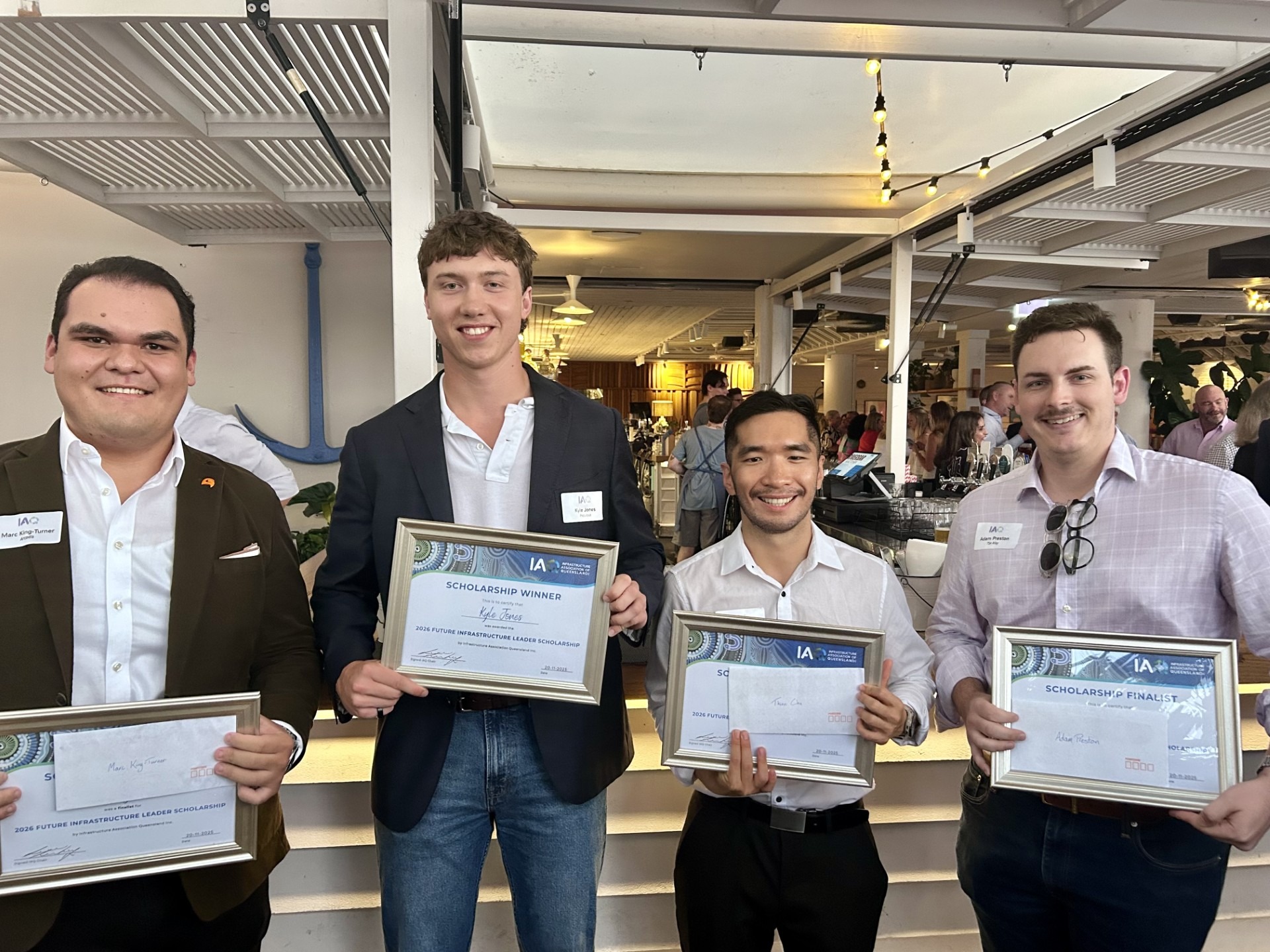
  • Kyle Jones named 2026 IAQ Future Infrastructure Leader

    Kyle Jones named 2026 IAQ Future Infrastructure Leader

    This outlook has guided his contribution to sport and entertainment venue design. 

    Kyle joined Populous in 2019 and is currently completing a Master of Architecture at the Queensland University of Technology. 

    Based in our Brisbane studio where he is an Architectural Assistant, Kyle is passionate about designing immersive spaces that elevate how people feel and experience live events. Outside of work, he’s all about sports and live music, chasing the same energy he aims to build into projects. 

    Chris Paterson, Senior Principal and Director at Populous, said Kyle has already begun to make an impact on venue design, not only in Australia but internationally, extending his expertise to projects such as the Las Vegas Sands Arena in Singapore and Kai Tak Sports Park in Hong Kong.  

    Continue Reading

  • A bitter dispute between China and Japan has moved to the cultural front – NPR

    A bitter dispute between China and Japan has moved to the cultural front – NPR

    1. A bitter dispute between China and Japan has moved to the cultural front  NPR
    2. ‘One Piece’ singer stopped mid-song in Shanghai show  The Express Tribune
    3. From J-Pop to jazz, it’s lights out for Japanese stars in China  The Times
    4. #SHOWBIZ: J-pop…

    Continue Reading

  • All The Queens Confirmed For MTV Competition

    All The Queens Confirmed For MTV Competition

    A new race is about to start as RuPaul’s Drag Race Season 18 kicks off on MTV, beginning Friday, January 2 at 8 p.m. ET.

    For the new season of the competition, 14 new queens will enter the Werk Room for a chance to be honored with the title of…

    Continue Reading

  • Tamar Adler’s New Book, ‘Feast on Your Life,’ Is an Ode to Cooking as a Habit, a Comfort, and an Everyday Joy

    Tamar Adler’s New Book, ‘Feast on Your Life,’ Is an Ode to Cooking as a Habit, a Comfort, and an Everyday Joy

    I’m not sure there’s another cook currently writing who has the power to transform her readers’ relationships to their own kitchens quite like Tamar Adler. The Vogue contributing editor’s last book, An Everlasting Meal: Cooking with…

    Continue Reading

  • San Francisco sues food companies over ultra-processed products

    San Francisco sues food companies over ultra-processed products

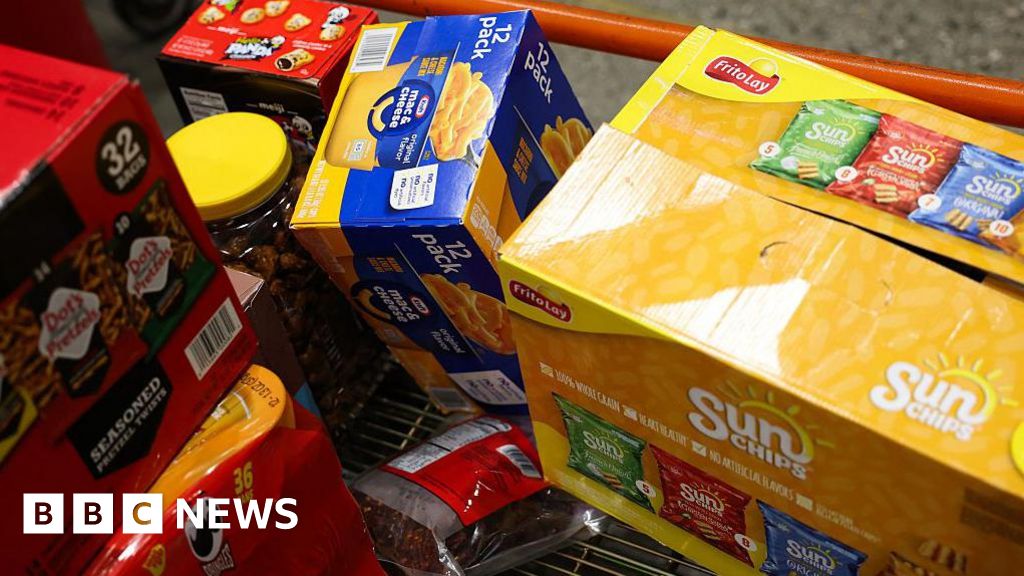
    The city of San Francisco on Tuesday sued ten leading food makers over their ultra-processed products, accusing the industry’s giants of knowingly selling foods that have been linked to a rise in serious diseases.

    City officials claim the companies’ tactics resemble those of the tobacco industry. Local governments, they argue, have to shoulder the public health care costs.

    Firms including Kraft Heinz, Mondelez and Coca-Cola have intentionally marketed addictive, unhealthy products in violation of California laws on public nuisance and unfair competition, according to the complaint.

    Kraft, Mondelez and the other companies named as defendants did not immediately respond to requests for comment

    Their products range from cookies and sweets to cereal and granola bars.

    “These companies engineered a public health crisis, they profited handsomely, and now they need to take responsibility for the harm they have caused,” said San Francisco City Attorney David Chiu said in a statement.

    Sarah Gallo, senior vice president of product policy at the Consumer Brands Association, an industry trade group, said an “agreed upon scientific definition” of ultra-processed foods does not exist.

    “Attempting to classify foods as unhealthy simply because they are processed, or demonizing food by ignoring its full nutrient content, misleads consumers and exacerbates health disparities,” Ms Gallo said in a statement.

    Food and beverage manufacturers, she added, are introducing new products with more protein and fibre, less sugar and sodium and without synthetic colour additives.

    The lawsuit, filed in San Francisco Superior Court and one of the first of its kind, argues that the growing availability of ultra-processed foods has coincided with a “dramatic increase” in obesity, diabetes, heart disease, cancers and other chronic illnesses.

    “This case is about food products with hidden health harms,” the complaint states.

    The city is requesting monetary penalties and a statewide order forcing the food giants to change their “deceptive” marketing tactics.

    Concern about ultra-processed foods has emerged as an area of consensus among some left-leaning officials and the Trump administration, even as they remain divided over Health Secretary Robert F Kennedy Jr’s other positions, including his scepticism of vaccines.

    In April, Kennedy announced that the US would, for example, ban eight commonly used artificial food dyes.

    The US health secretary and his Make America Healthy Again movement have also called for companies to remove ingredients such as corn syrup, seed oils and artificial dyes from their products, linking them to health problems.

    Some food companies have announced changes to their products since Trump’s return to the White House. Coca-Cola this summer agreed to use real cane sugar in its drinks sold in the US.

    San Francisco’s lawsuit is the first filed by a government entity over food companies’ intentional marketing of ultra-processed foods.

    But this year, a judge in Pennsylvania dismissed a separate complaint brought by an individual who claimed ultra-processed foods contributed to his diabetes and liver disease diagnoses.

    Continue Reading

  • Hong Kong Fire Draws Fury Over Ignored Warnings – Bloomberg.com

    1. Hong Kong Fire Draws Fury Over Ignored Warnings  Bloomberg.com
    2. Hong Kong leader orders independent probe into fire that killed 151  Dawn
    3. Hong Kong leader vows ‘justice’ as apartment inferno investigators focus on unsafe netting  CNN
    4. China cracks…

    Continue Reading

  • Coral reefs have orchestrated Earth’s climate for 250 million years

    Coral reefs have orchestrated Earth’s climate for 250 million years

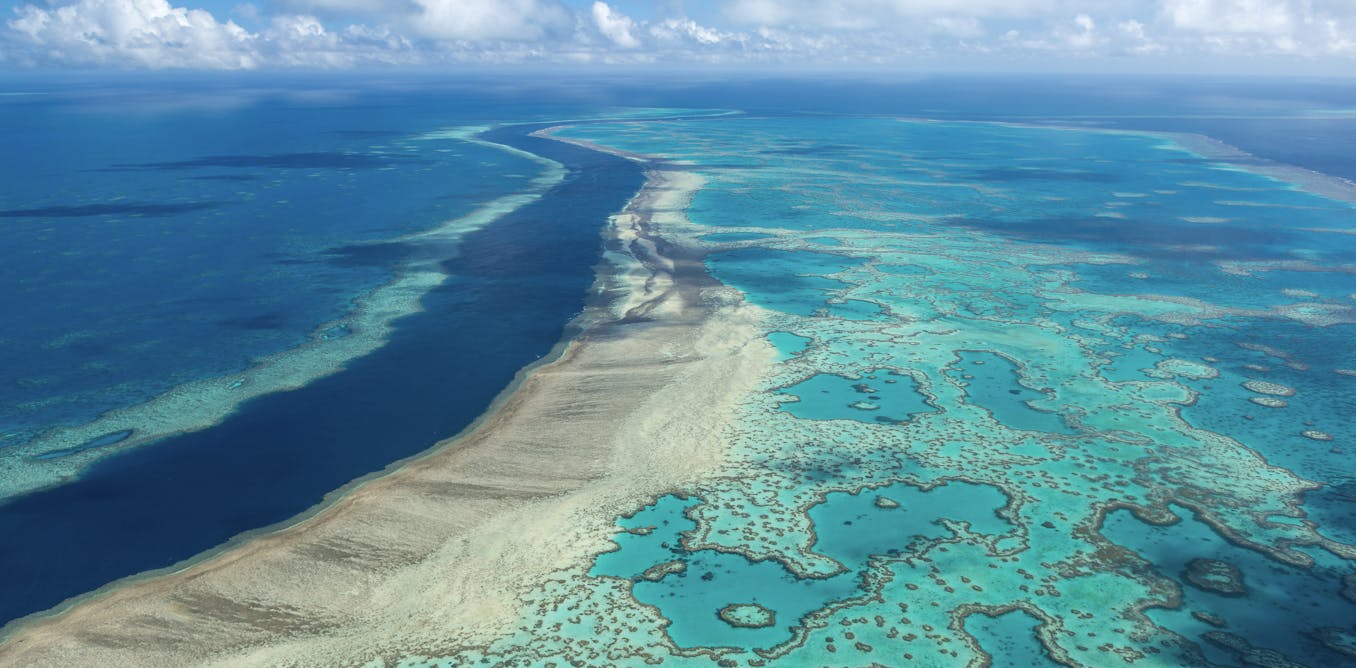
    When we think of coral reefs, we picture bright fish, clear water and colourful corals. But reefs have also shaped the planet in deeper ways.

    Our new study, published in Proceedings of the National Academy of Sciences, shows reefs have…

    Continue Reading