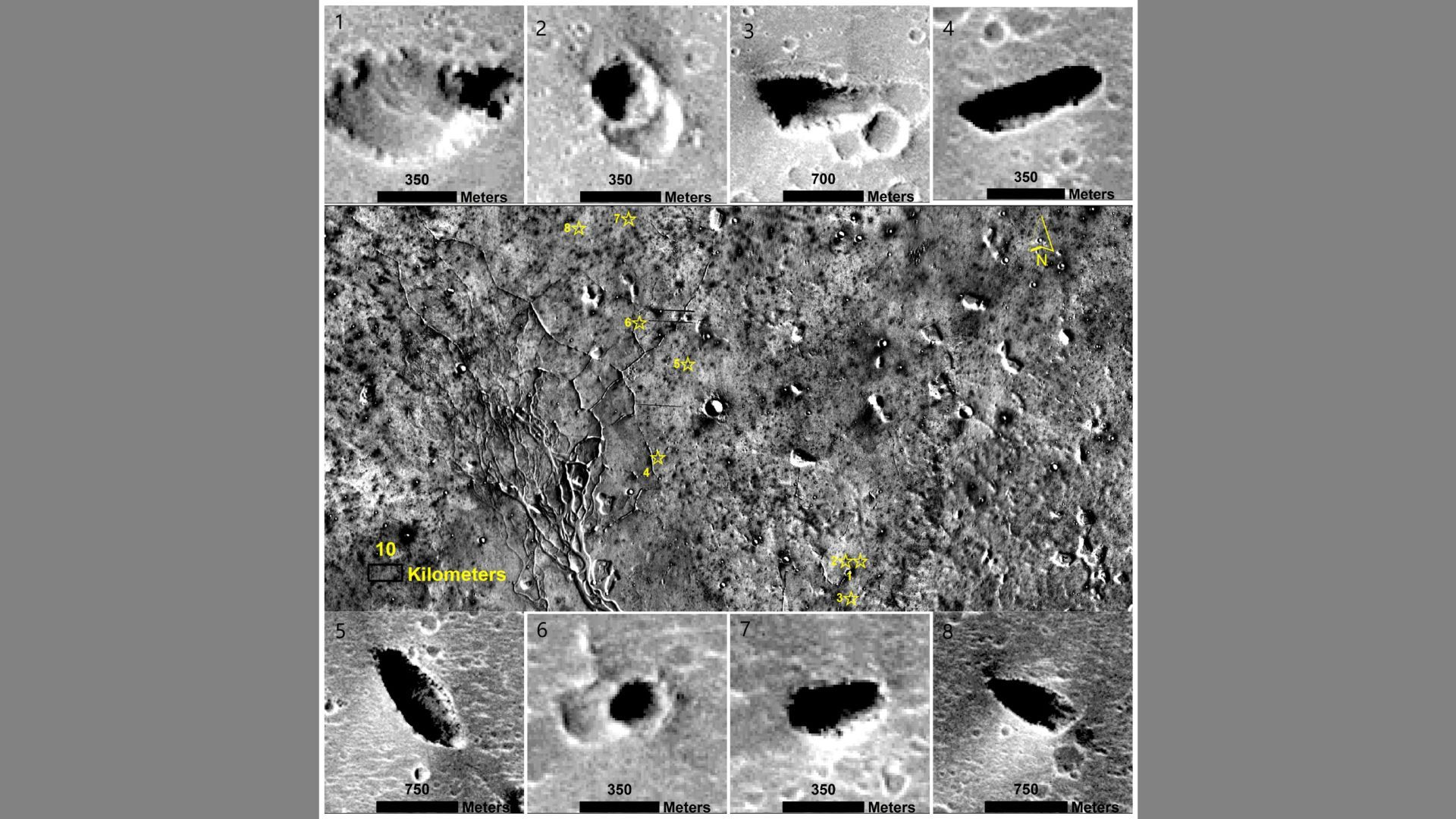
Possible giant “karstic” caves that formed when slightly acidic water dissolved bedrock have been identified on Mars and hailed as one of the best locations on the Red Planet to search for preserved biosignatures.
“With the expected technological…

Possible giant “karstic” caves that formed when slightly acidic water dissolved bedrock have been identified on Mars and hailed as one of the best locations on the Red Planet to search for preserved biosignatures.
“With the expected technological…

“The Morning Show” has a knack for covering current events — the MeToo movement, space travel and in Season 4, AI. And that reflection of what’s happening in the real world will likely continue into Season 5.
“I think we will be…


The SIOG 2025 Annual Conference brought together experts from medical oncology, geriatrics, surgery, nursing, and digital health to examine one of the most challenging and increasingly common scenarios in oncology: managing cancer treatment toxicities in older adults with multimorbidity, frailty, complex social circumstances, and limited access to care. Using a single case presentation to structure the discussion, speakers explored the nuances of immune-related adverse events (irAEs), the impact of surgery in older populations, the central role of nursing, and the emerging promise of wearable technologies to support real-world monitoring.
Speaker: Colm Mac Eochagain (Dublin, Ireland)
The case presented—a 78-year-old older adult treated with immunotherapy and living with comorbidities, polypharmacy, and functional decline—served as a catalyst for discussion across all talks. Gonzalez-Senac underscored that the toxicities often considered “mild” in clinical trials can have far more profound consequences in real-world older adults. Although multiple organizations have published guidelines for managing immune checkpoint inhibitor (ICI)–related toxicities, most assume physiologically robust patients and rarely address how to adapt management for baseline organ impairment, frailty, or vulnerability.
A key finding highlighted was that grade 3–4 toxicity rates are not necessarily higher in older adults, but the impact of toxicities is far greater. Older patients face increased risks of hospitalization, prolonged recovery, and permanent treatment discontinuation. Multi-organ irAEs appear more common with advancing age, possibly due to immunoregulation changes or polypharmacy interactions.
Frailty—not chronological age—emerged as the strongest predictor of unplanned hospitalization and early mortality. Toxicity-prediction tools commonly used in oncology (such as CARG) were designed for chemotherapy and are not validated for ICIs. Combination immunotherapy regimens nearly double the rate of high-grade toxicity compared with monotherapy and are especially difficult to complete in older adults.
Pre-existing autoimmune disease, once a strict contraindication, is now considered manageable. About half of older adults with autoimmune conditions experience disease flare, most commonly in rheumatologic or GI disorders. Rechallenge after ICI toxicity carries a recurrence risk of around 40%, though recurrent events tend to be of similar or lower grade. Decisions must be individualized around the patient’s comorbidities, functional status, and goals.
Fatigue remains one of the most pervasive and underreported toxicities affecting about one-fifth of older patients. It may signal endocrine irAEs such as hypothyroidism or adrenal insufficiency, and requires careful assessment for depression, anemia, sleep disturbance, and nutritional deficits.
Colitis, particularly with CTLA-4 agents, poses disproportionate risks for frail adults due to dehydration, acute kidney injury, and cognitive impairment. A low threshold for hospitalization is essential. Rash, though often perceived as minor, can significantly impair self-care in patients with fragile skin. Neurotoxicity, though rare, can masquerade as delirium, requiring baseline cognitive assessments and broad differential diagnosis.
Musculoskeletal irAEs such as inflammatory arthritis or myositis frequently compromise independence. Distinguishing degenerative osteoarthritis from immunotherapy-induced rheumatologic toxicity often requires comparison of baseline and updated imaging.
Endocrine toxicities such as hypothyroidism may present atypically in older adults—fatigue, cognitive slowing, or depressive symptoms. Thyroid replacement should be titrated carefully with attention to cardiovascular risk.
Corticosteroids remain first-line therapy for most irAEs, yet their toxicity profile—myopathy, bone loss, infection risk, psychiatric complications—is especially problematic in older adults. Frailty increases vulnerability, and prolonged courses require additional precautions including bone density monitoring, vitamin D supplementation, PJP prophylaxis, and careful tapering. Other immunosuppressants such as methotrexate or hydroxychloroquine may be tolerated but require renal-based dose adjustments. Biologics like infliximab or vedolizumab can be effective in steroid-refractory cases but increase infection risk. Agents such as JAK inhibitors must be used with caution due to cardiovascular and malignancy signals in older populations.
The overarching message emphasized individualized, geriatric-informed decision-making. Chronological age should never be the reason to deny ICIs; instead, the real-world functional impact of toxicity should guide management. Multidisciplinary collaboration—oncology, geriatrics, pharmacy, and supportive care—is central to safe and effective treatment.
Speaker: Barbara van Leeuwen (Groningen, Netherlands)
Van Leeuwen explored the profound complexities of offering major cancer surgery to older adults who have responded well to immunotherapy. She illustrated the dilemma with the same 78-year-old patient, whose tumor had nearly disappeared after treatment. Although the response to immunotherapy is impressive, recent evidence suggests that patients with complete responses may fare worse if they proceed with surgery. Surgery may shorten—not extend—life expectancy if performed in the wrong patient.
She emphasized that surgeons tend to overestimate the benefits of surgery and underestimate its harms. In this case, several factors amplify risk: rectal cancer surgery (a technically demanding procedure), prolonged operative times, and the use of corticosteroids to treat immunotherapy-related toxicities, which impair healing and increase anastomotic leak risk.
Van Leeuwen noted that postoperative complications significantly worsen survival in older adults. Data show that up to 20% of octogenarians die within one year of rectal surgery. Quality-of-life studies capture only those who survive long enough to participate, masking the full burden of complications.
The decision whether to form a stoma further complicates discussions. While 60% of patients adapt well, 40% experience depression in the first month, and one-third struggle to accept the stoma for years—or never do. For a patient living two hours from the hospital with limited social support, self-care challenges take on heightened importance.
She emphasized that truly shared decision-making requires understanding not only the disease, but the patient’s values, support system, and living environment. Physicians must openly share uncertainties and ensure the patient understands possible outcomes before planning next steps.
Speaker: Alex Fauer (Sacramento, United States)
Fauer provided the nursing perspective, highlighting nurses’ central role as the bridge between patients and the cancer care system. For many older adults, the question is not only whether they will survive treatment, but whether they will regain the ability to return to their daily lives and preserve independence.
Nurses are deeply involved in assessing toxicities, implementing management plans, coordinating supportive services, and monitoring changes in quality of life and functional status. In the presented case, concerns would immediately include gastrointestinal toxicity from immunotherapy, risk of functional decline, dehydration, falls, neutropenia, and thrombocytopenia.
He emphasized that nurses often rely on tools such as the CARG and CRASH scores—not because they are specific to immunotherapy, but because they bring structure to identifying toxicity risk. Although these tools are imperfect for ICIs, nurses use them to guide holistic assessments of vulnerability.
The rural context of the case was highlighted as a major clinical challenge. Nurses would explore telemedicine support, home-based symptom monitoring, nutritional counseling, stoma education, and caregiver involvement—whether through family, neighbors, or community health workers.
Nursing care also includes continuous assessment of quality of life. Fauer stressed that longitudinal tracking is more meaningful than single timepoints. Even simple tools such as visual analog scales can help clinicians recognize declining functional well-being before deterioration becomes irreversible.
Speaker: Enrique Soto Perez de Celis (Denver, United States)
Soto explored the emerging role of wearables in monitoring recovery and detecting toxicity. While still not routine in cancer care, wearables are increasingly used to complement patient-reported outcomes by providing continuous, objective data on physical activity, sleep, and physiological patterns.
A systematic review undertaken by Soto’s group found that older adults are underrepresented in wearable studies, and most trials involve younger, healthier populations. Nonetheless, when older adults do participate, adherence is typically high—provided the devices are supported with adequate guidance.
Most current research uses step counts from consumer-grade devices such as Fitbits. Despite their simplicity, step counts have proven highly informative. In older adults recovering from major surgery, step counts decline sharply at discharge and gradually rise over three months. Restoration of 90% of baseline activity strongly correlates with improved recovery, while persistently low activity may signal complications or emerging toxicity.
Soto emphasized that wearables hold particular promise for patients living far from cancer centers—such as the patient in this case—by enabling clinicians to detect changes early and intervene before hospitalization is required.
Improving digital health research in geriatric oncology requires systematically measuring adherence and acceptability, using broader biometric data, standardizing reporting methods, and including vulnerable older adults from diverse backgrounds and rural settings. Remote monitoring, he concluded, is not a replacement for clinical care, but a powerful tool to support safer treatment and recovery in real-world older populations.
Across all four perspectives—oncology, surgery, nursing, and digital health—the SIOG 2025 session underscored a central theme: care for older adults with cancer must be deeply individualized, proactive, and grounded in geriatric principles. Immune-related toxicities, surgical risks, functional decline, social vulnerability, and digital inequities all shape the real-world outcomes for this population.
The speakers emphasized that chronological age alone should never determine access to treatment. Instead, functional status, comorbidity, frailty, environment, and patient values must drive decision-making. Multidisciplinary collaboration remains the cornerstone of safe and effective care—and new technologies, including wearables, may soon add an additional layer of support for this growing and vulnerable patient population.
For more information click here.

The addition of lutetium-177–labeled PSMA-617 (vipivotide tetraxetan; 177Lu-PSMA-617), a targeted radionuclide therapy, to standard-of-care androgen-deprivation therapy and an androgen receptor pathway inhibitor appeared to significantly improve radiographic progression–free survival in patients with prostate-specific membrane antigen (PSMA)-positive metastatic hormone-naive prostate cancer. Presented during the European Society for Medical Oncology (ESMO) Congress 2025, these results mark the first time a targeted radionuclide therapy has demonstrated benefit in this patient population, suggesting a potential paradigm shift in early-line treatment strategies.1
The phase III PSMAddition trial met its primary endpoint, showing a statistically significant improvement in radiographic progression–free survival with the combination (P = .002), which was consistent across various patient subgroups. Although overall survival data are still maturing, a positive trend was observed, and the treatment appeared to be associated with a safety profile that was predominantly low grade without detrimentally impacting patients’ quality of life.
“The addition of 177Lu-PSMA-617 to standard-of-care androgen-deprivation therapy plus an androgen receptor pathway inhibitor resulted in a 28% improvement in radiographic [disease] progression or death, which was statistically significant based on the preplanned analysis design,” said presenting author Scott T. Tagawa, MD,MS, FACP, FASCO, Professor of Medicine and Urology at Weill Cornell Medicine in New York City. “Taken together, these findings support the clinical benefit of the early addition of 177Lu-PSMA-617 to the backbone of androgen-deprivation therapy plus an androgen receptor pathway inhibitor.”
Scott T. Tagawa, MD,MS, FACP, FASCO
As Dr. Tagawa explained, metastatic hormone-naive prostate cancer is a challenging disease where, despite androgen-deprivation therapy and androgen receptor pathway inhibitors being standard of care, outcomes remain suboptimal, and patients are at risk for disease progression. 177Lu-PSMA-617 is a targeted radionuclide therapy that delivers targeted radiation to PSMA-expressing cancer cells.
Previous studies (VISION, PSMAfore) have demonstrated its efficacy in later lines of treatment for metastatic hormone-resistant prostate cancer. The PSMAddition study represents the first phase III investigation of any targeted radionuclide therapy in the metastatic hormone-naive prostate cancer setting, exploring its utility as an upfront intensification strategy.
Study Methods
The PSMAddition study was a global, randomized, open-label phase III trial. Eligible adult patients had treatment-naive or minimally treated (≤ 45 days of hormonal therapy) metastatic hormone-naive prostate cancer, an Eastern Cooperative Oncology Group performance status score of 0 to 2, and confirmed PSMA-positive metastatic lesions on a [68Ga]Ga-PSMA-11 PET/CT scan (defined as at least one lesion with uptake greater than liver).
Patients were randomly assigned in a 1:1 ratio to receive either 177Lu-PSMA-617 (7.4 GBq every 6 weeks for up to six cycles) combined with androgen-deprivation therapy plus an androgen receptor pathway inhibitor of the physician’s choice (177Lu-PSMA-617 arm) or androgen-deprivation therapy plus an androgen receptor pathway inhibitor alone with the option to crossover to receive 177Lu-PSMA-617 at confirmed radiographic progression (control arm). Stratification factors included disease volume (high/low), age, and androgen receptor pathway inhibitor choice.
The primary endpoint was radiographic progression–free survival, defined by radiographic disease progression (per centrally assessed PCWG3 RECIST 1.1 criteria) or death. Key secondary endpoints included overall survival, objective response rate, safety/tolerability, and patient reported quality of life.
The presented data represent interim analysis 2 for radiographic progression–free survival (the first efficacy interim analysis) and the first planned interim analysis for overall survival, with a median study follow-up of 23.6 months. Patients in the control arm with confirmed radiographic disease progression were allowed to cross over to receive 177Lu-PSMA-617 on study.
A total of 1,144 patients were randomized (50.0% with de novo metastatic hormone-naive prostate cancer; 68.1% with high-volume disease on CT/bone scan). Baseline characteristics were well balanced between the arms, including a median age of 68 years, most patients having bone metastases, high Gleason scores, and high tumor volume by CHAARTED/LATITUDE criteria. Abiraterone was the most common androgen receptor pathway inhibitor used.
Of the 152 patients in the control arm with centrally confirmed radiographic disease progression, 59.9% crossed over to receive 177Lu-PSMA-617, representing approximately 16% of the overall control arm intention-to-treat population.
Significant Improvement in Radiographic Progression–Free Survival
As Dr. Tagawa reported, the primary endpoint was met, with the addition of 177Lu-PSMA-617 to androgen-deprivation therapy plus an androgen receptor pathway inhibitor significantly improving radiographic progression–free survival (hazard ratio [HR] = 0.72; P = .002).
“The radiographic progression–free survival benefit was consistent across all predefined subgroups, including high vs low disease volume and de novo vs recurrent disease,” said Dr. Tagawa.
At this first interim analysis for overall survival, the data are still immature. However, a positive trend favoring early 177Lu-PSMA-617 was observed, with a hazard ratio (HR = 0.84) whose confidence interval currently crosses one. Other secondary efficacy endpoints also appeared to favor 177Lu-PSMA-617, including time to symptomatic skeletal events, time to hormonal resistance, and investigator-assessed progression-free survival.
Patients who began the study with RECIST measurable disease in the 177Lu-PSMA-617 arm also showed higher objective response rates, including complete responses. More patients achieved a prostate-specific antigen (PSA) level of less than 0.2 ng/mL at all prespecified time points in the 177Lu-PSMA-617 arm.
The overall incidence of adverse events was reported to be slightly higher with the addition of 177Lu-PSMA-617, including more serious adverse events. However, no treatment-related adverse events led to death in either arm. The safety findings were found to be consistent with the known profiles of all study components.
Dry mouth was the most common adverse event, with 46% of patients in the 177Lu-PSMA-617 arm reporting grade 1 (41%) to 2 (5%) events, as compared with 3.4% in the control arm. Fatigue and gastrointestinal toxicity was also more common in the 177Lu-PSMA617 arm.
Composite grade 3 or higher cytopenias (anemia, neutropenia, thrombocytopenia) were more frequent with added 177Lu-PSMA-617 (14.4% vs 5.0%), said Dr. Tagawa, but the majority were low-grade.
“Despite the increased incidence of adverse events, there was no meaningful difference in patient-reported outcomes, indicating that quality of life was not adversely affected,” said Dr. Tagawa.
“These findings support the clinical benefit of integrating 177Lu-PSMA-617 earlier into the treatment paradigm for metastatic hormone-naive prostate cancer,” Dr. Tagawa concluded.
DISCLOSURE: Dr. Tagawa reported financial interests with Lilly, Convergent Therapeutics, Ambrx, Telix Pharmaceuticals, Blue Earth Diagnostics, POINT Biopharma, Myovant, Bayer, 4D Pharma, Gilead, Pfizer, Janssen, Astellas, AbbVie, Novartis, Seagen, Clarity, Merck, EMD Serono, Regeneron, Daiichi Sankyo, General Electric, Abdera, AIkido Pharma, Boston Scientific, and Promontory.
REFERENCE
1. Tagawa ST, Sartor O, Piulats JM, et al: Phase 3 trial of [177Lu]Lu-PSMA-617 combined with ADT + ARPI in patients with PSMA-positive metastatic hormone-sensitive prostate cancer (PSMAddition). ESMO Congress 2025. Abstract LBA6. Presented October 19, 2025.
EXPERT POINT OF VIEW
Invited discussant Arun Azad, MBBS, PhD, FRACP, Medical Oncologist and Translational Researcher at Peter MacCallum Cancer Centre in Melbourne, Australia, acknowledged the significance of the PSMAddition trial as the “first randomized phase III evidence of lutetium PSMA [therapy] in metastatic hormone-[naive] prostate cancer” but raised several critical concerns about its broad applicability.
Dr. Azad noted several of the study’s strengths, including its large, randomized design with an active control arm, and confirmed that the primary endpoint of radiographic progression–free survival was met by the experimental treatment. However, he questioned whether lutetium-177–labeled PSMA-617 (vipivotide tetraxetan; 177Lu-PSMA-617) is “ready for prime time in metastatic hormone-[naive] prostate cancer” without addressing several key issues.
Arun Azad, MBBS, PhD, FRACP
Dr. Azad’s primary concern was the lack of an overall survival benefit at the first interim analysis. He postulated that because of the trial’s crossover design, overall survival benefit would likely be diluted with longer follow-up, drawing parallels to metastatic hormone-resistant prostate cancer trials (PSMAfore, PR21) where early 177Lu-PSMA-617 use was not found to improve overall survival.
Dr. Azad advocated for optimizing patient selection using biomarkers, despite PSMAddition showing radiographic progression–free survival benefit across all subgroups. He emphasized that 177Lu-PSMA-617 is a targeted therapy, and that leveraging quantitative prostate-specific membrane antigen (PSMA) biomarkers—such as PSMA SUVmean, as used in studies like VISION—may help identify patients who truly benefit from higher tumor radiation delivery. He presented dosimetry data illustrating how patients with low PSMA uptake receive significantly less radiation to their tumors and more to normal tissues, suggesting that some patients might be “overtreated.”
Dr. Azad challenged the fixed six-cycle treatment duration, proposing that a PSMA PET scan after two to four cycles should guide treatment discontinuation for patients with complete metabolic responses. Overtreatment, he argued, leads to the “sink effect,” in which patients with low disease burden absorb more 177Lu-PSMA-617 in normal organs such as the salivary glands, resulting in increased toxicity without added benefit.
Regarding toxicity, Dr. Azad highlighted that although severe adverse events were uncommon, chronic grade 1 and 2 dry mouth and gastrointestinal toxicities could still impair quality of life. He also expressed concern about long-term toxicities observed in metastatic hormone-resistant prostate cancer, including secondary myeloid neoplasms and renal impairment, noting that in the 177Lu-PSMA-617 arm of PSMAddition—even with short follow-up—there was a twofold increase in grade 3 or higher second primary cancers and renal events.
“The PSMAddition’s goal to make patients ‘live longer and live better’ was not achieved,” Dr. Azad concluded. “I would not recommend widespread use of 177Lu-PSMA-617 in metastatic hormone-[naive] prostate cancer at this stage but would reserve it for patients with ‘bad’ disease or ‘bad’ scans.”
“Delivering the best outcomes in metastatic hormone-[naive] prostate cancer will take a patient-centered approach focused on identifying predictive biomarkers, avoiding overtreatment, and minimizing late toxicities,” he added.
DISCLOSURE: Dr. Azad reported financial relationships with Aculeus Therapeutics, Amgen, Arvinas, Astellas, AstraZeneca, Bayer, Bristol Myers Squibb, Daiichi Sankyo, Ipsen, Janssen, Merck Serono, Merck Sharp & Dohme, Novartis, Noxopharm, Pfizer, Sanofi, Telix, Tolmar, HiNova, Aptevo Therapeutics, Bionomics, Eli Lilly, Exelixis, Gilead Sciences, GlaxoSmithKline, MedImmune, Sanofi-Aventis, and Synthorx.