Author: admin

  • Anesthetic Management for Giant Abdominal Paraganglioma Resection in a Patient After Extracorporeal Membrane Oxygenation: A Case Report

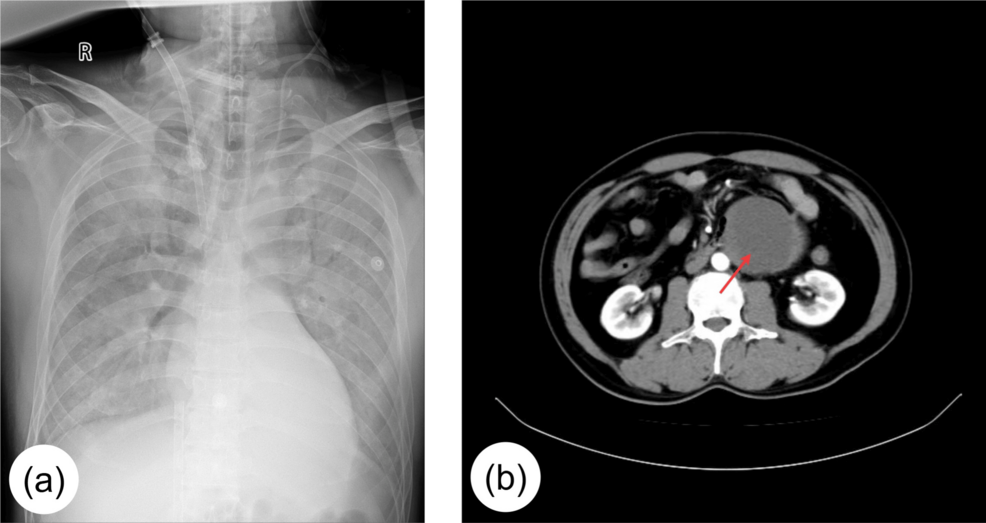
    Anesthetic Management for Giant Abdominal Paraganglioma Resection in a Patient After Extracorporeal Membrane Oxygenation: A Case Report

    Continue Reading

  • Sequential ICV/IV C7R-GD2 CAR T-Cell Therapy Is Better Tolerated in Pediatric CNS Tumors

    Sequential ICV/IV C7R-GD2 CAR T-Cell Therapy Is Better Tolerated in Pediatric CNS Tumors

    The sequential intracerebroventricular (ICV) and intraventricular (IV) administration of CR7-GD2 CAR T-cell therapy was found to be better tolerated vs concurrent administration in pediatric patients with central nervous system (CNS) tumors, according to data from a phase 1 study (NCT04099797) presented at the 2025 Society of Neuro-Oncology Annual Meeting.1

    During the study, investigators at Baylor College of Medicine in Houston, Texas, evaluated 3 administration techniques for the CR7-GD2 CAR T-cell therapy: IV only; concurrent ICV and IV; and sequential ICV and IV.

    Findings showed that in patients treated with IV-only administration (n = 8) at 10 million cells/m2 (n = 3) or 30 million cells/m2 (n = 6), no dose-limiting toxicities (DLTs) were reported, and instances of tumor inflammation–associated neurotoxicity (TIAN) were low grade, occurring in 7 patients. One patient experienced transient grade 4 cytokine release syndrome (CRS); 5 experienced grade 1 CRS. Among patients treated via IV alone who had preexisting neurological defects (n = 7), 6 achieved clinical improvement, including 2 partial responses on imaging, which 1 patient maintained for more than 2 years.

    ICV/IV Administration of CAR T-Cell Therapy in Pediatric CNS Tumors

    • Sequential ICV and IV administration was found to be better tolerated compared with combined ICV and IV treatment.
    • Two DLTs were reported in the combined administration group vs none in patients given sequential treatment.
    • In the sequential cohort, patients experienced only low-grade TIAN/CRS and had clinical stability.

    In patients who received concurrent ICV/IV administration (n = 3), with doses given 1 week apart, 2 experienced DLTs secondary to grade 3 TIAN, including 1 patient with concurrent grade 3 CRS. These DLTs persisted for several weeks and required intervention with anakinra and dexamethasone. In this group, 1 patient achieved a mixed response with transient clinical improvement and stable disease burden. The remaining 2 patients had clinical and radiographic progression.

    The neurotoxicity observed with concurrent administration prompted investigators to adopt a sequential strategy, with ICV administration given 4 weeks after IV treatment. In patients treated with this strategy (n = 3), treatment was well tolerated for at least 3 cycles each, with no DLTs reported; these patients experienced low-grade TIAN/CRS and clinical stability.

    “While back-to-back ICV/IV dosing resulted in increased toxicity compared [with] IV-only therapy, sequential dosing was better tolerated, potentially indicative of the negative sequelae of compounded inflammation,” lead study author Jasia Mahdi, MD, and colleagues wrote in a poster presentation of the data. Mahdi is a pediatric neurologist and neuro-oncologist, and director of Neuro-Oncology for the Division of Pediatric Neurology at Texas Children’s Hospital, as well as an assistant professor of pediatrics-neurology at Baylor College of Medicine.

    How was the phase 1 study conducted?

    The single-center trial enrolled 2 cohorts of patients between 12 months and 22 years of age.2 The first included patients with histologically confirmed, GD2-expressing or H3K27-altered, diffuse midline glioma (DMG) or high-grade glioma (HGG) that was newly diagnosed, defined as prior to radiographic progression or recurrence; patients with histologically confirmed, GD2-expressing or H3K27-altered, recurrent, refractory, or progressive DMG/HGG; and those with recurrent, refractory, or progressive high-grade CNS tumors with confirmed GD2-expression. Cohort 2 included patients with recurrent, refractory, or progressive pontine HGG with confirmed GD2-expression or H3K27-altered DMG.

    All patients needed to have tumors less than 5 cm in maximum dimension, measurable disease on at least 2 dimensions per MRI, and a Karnofsky/Lansky performance status of at least 50.

    The C7R-GD2 CAR T-cell therapy was administered after lymphodepleting chemotherapy in all arms and cohorts, comprising 2 days of cyclophosphamide and 3 days of fludarabine.1 In patients who received combined dosing, the CAR T-cell therapy was given at 5 x 10⁶ cells/m2 ICV, followed by 15 x 106 cells/m2 IV, then another IV dose at the same level. In the sequential cohort, patients received an IV dose at 10 million cells/m2, followed by an ICV dosing in cycle 2 and beyond, starting at 2 million cells and escalating to 5 million cells.

    In both ICV arms, patients remained for inpatient monitoring for 6 to 10 days, followed by close outpatient follow-up. Disease evaluation occurred at week 6.

    The incidence of DLTs was the trial’s primary end point.2 Response rate was a secondary end point.

    In the combined ICV/IV arm, 1 male patient and 2 female patients had a median age of 15 years (range, 4-17).1 Tumor locations included thalamus and midbrain (n = 1), pons (n = 1), and C1-C7/T1 (n = 1). All had H3K27-altered DMG. Patients had a median time since diagnosis before enrollment of 9.4 months, and they had a median time from the end of radiation to enrollment of 6.5 months. These patients received a median of 1 ICV infusion.

    In the sequential cohort, all 3 patients were male with a median age of 16 years (range, 14-17). Tumor locations comprised the thalamus (n = 2) and the temporal lobe (n = 1). Tumor types included H3K27-altered DMG (n = 2) and H3 wild-type, IDH wild-type diffuse HGG (n = 1). Patients had a median time from diagnosis to enrollment of 7.4 months, and a median time from the end of radiation to enrollment of 2.3 months. This group received a median of 3 ICV infusions.

    What were the toxicity profiles of combined and sequential ICV/IV CAR T-cell therapy administration?

    In the combined ICV/IV arm, adverse effects included CRS (grade 1, n = 2 infusions; grade 3, n = 1 infusion), immune effector cell–associated neurotoxicity syndrome (ICANS; grade 0, n = 3 infusions), and TIAN (grade 1, n = 1 infusion; grade 3, n = 2 infusions). Two patients received tocilizumab (Actemra), and all 3 were given dexamethasone, which continued upon hospital discharge.

    In the sequential group, toxicities included CRS (grade 0, n = 13 infusions; grade 1, n = 3 infusions), ICANS (grade 0, n = 16), and TIAN (grade 0, n = 2 infusions; grade 1, n = 14 infusions). All patients required tocilizumab, but no patients received dexamethasone.

    What was reported from a trial case study?

    Investigators highlighted a 16-year-old male patient with H3K27-altered thalamic and periventricular occipital lobe DMG who underwent 9 cycles of treatment in the sequential ICV/IV arm, including 1 IV infusion and 8 ICV infusions. This patient remained on treatment as of data cutoff, and he has experienced CRS and TIAN at a maximum grade of 1. MRI revealed stable disease, and the patient was also stable on a neurological exam.

    References

    1. Mahdi J, Stuckert A, Tat C, et al. Phase I study of intravenous and intracerebroventricular C7R-GD2.CAR T cell therapy for pediatric central nervous system (CNS) tumors. Presented at 2025 Society of Neuro-Oncology Annual Meeting; November 19-23, 2025; Honolulu, HI. Abstract CTP-07.
    2. C7R-GD2.CAR T cells for patients with GD2-expressing brain tumors (GAIL-B). ClinicalTrials.gov. Updated September 4, 2025. Accessed November 23, 2025. https://clinicaltrials.gov/study/NCT04099797

    Continue Reading

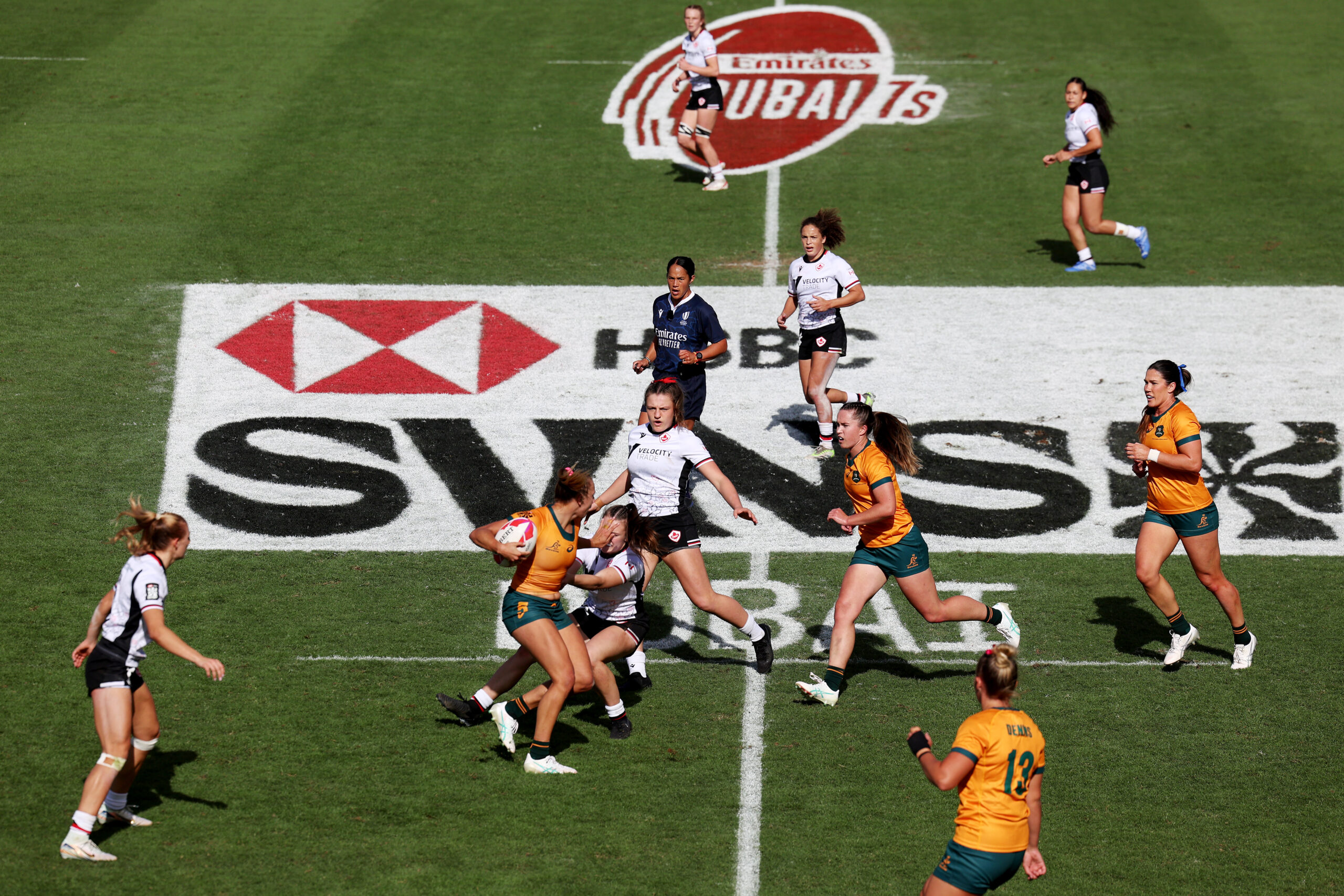
  • Competitive fire sparks early in Dubai

    Competitive fire sparks early in Dubai

    The HSBC SVNS season opener provides the first glimpse of who is going to light up the men’s and women’s HSBC SVNS Series this year. 

    The international teams normally arrive a week before the tournament to adjust to the…

    Continue Reading

  • IMF Executive Board Concludes 2025 Article IV Consultation with Republic of Korea – International Monetary Fund

    1. IMF Executive Board Concludes 2025 Article IV Consultation with Republic of Korea  International Monetary Fund
    2. Korea Institute Projects 1.9% Growth as Domestic Demand Fuels Economy  조선일보
    3. The International Monetary Fund (IMF) advised the Lee Jae-myung government, which has set up a “supe..  매일경제
    4. Korean economy forecast to grow 1.9 percent next year, but exports will slip 0.5 percent: KIET  The Korea Times
    5. [Monetary Policy Committee Poll] ② Expectations for 2% Growth Next Year Rise… “Bank of Korea Likely to Raise Its Forecast”  아시아경제

    Continue Reading

  • Research links social determinants of health to rural-urban disparities in colorectal cancer mortality rates

    Research links social determinants of health to rural-urban disparities in colorectal cancer mortality rates

    New research reveals that certain social determinants of health-such as socioeconomic status, household characteristics, and racial/ethnic minority status-have significant effects on rural–urban disparities in colorectal cancer…

    Continue Reading

  • Dorset breast cancer survivor urges young people to get checked

    Dorset breast cancer survivor urges young people to get checked

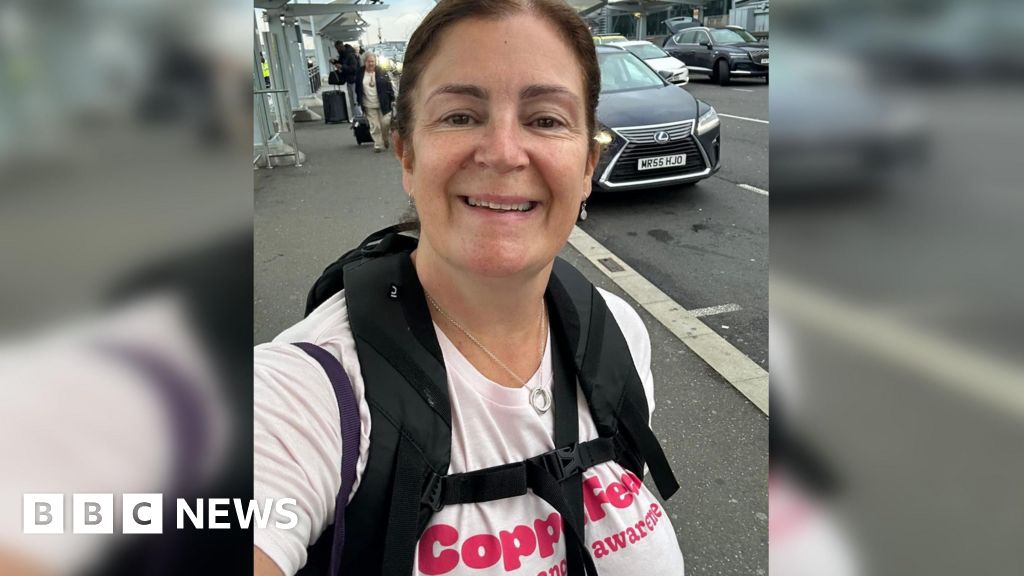
    A woman who was diagnosed with breast cancer twice has said she did not think a lump she found was life threatening because she was too young.

    Rachael Kershaw, from Dorset, took part in a 100km (62 miles) trek across the Saharan Desert to raise…

    Continue Reading

  • Lahore Qalandars, Peshawar Zalmi renew PSL franchise rights for next decade – Dawn

    1. Lahore Qalandars, Peshawar Zalmi renew PSL franchise rights for next decade  Dawn
    2. Lahore Qalandars and Peshawar Zalmi agree to extend PSL ownership rights for another ten years  ESPNcricinfo
    3. Lahore Qalandars, Peshawar Zalmi and Quetta Gladiators…

    Continue Reading

  • PAW PRINTS: The Week Ahead in Ohio Athletics

    PAW PRINTS: The Week Ahead in Ohio Athletics

    FOLLOW OHIO ATHLETICS: Facebook | Twitter | Instagram

    ATHENS, Ohio – Ohio football wraps up the 2025…

    Continue Reading

  • Upgrade Now? AMD GPU Prices Expected to Increase by 10% in 2026 – PCMag

    1. Upgrade Now? AMD GPU Prices Expected to Increase by 10% in 2026  PCMag
    2. AMD rumored to raise GPU prices just as Radeon RX 9070 XT finally reaches MSRP  VideoCardz.com
    3. Nvidia and AMD may consider discontinuing their cheaper GPUs due to memory…

    Continue Reading

  • Advanced Micro Devices, Inc. (AMD)

    Advanced Micro Devices, Inc. (AMD)


    News Highlights:

    • Zyphra ZAYA1 becomes the first large-scale Mixture-of-Experts model trained entirely on AMD Instinct™ MI300X GPUs, AMD Pensando™ networking and ROCm open software.
    • ZAYA1-base outperforms Llama-3-8B and OLMoE across multiple benchmarks and rivals the performance of Qwen3-4B and Gemma3-12B.
    • Memory capacity of AMD Instinct MI300X helped Zyphra simplify its training capabilities, while achieving 10x faster model save times.

    SANTA CLARA, Calif., Nov. 24, 2025 (GLOBE NEWSWIRE) — AMD (NASDAQ: AMD) announced that Zyphra has achieved a major milestone in large-scale AI model training with the development of ZAYA1, the first large-scale Mixture-of-Experts (MoE) foundation model trained using an AMD GPU and networking platform. Using AMD Instinct™ MI300X GPUs and AMD Pensando™ networking and enabled by the AMD ROCm™ open software stack, the achievement is detailed in a Zyphra technical report published today.

    Results from Zyphra show that the model delivers competitive or superior performance to leading open models across reasoning, mathematics, and coding benchmarks—demonstrating the scalability and efficiency of AMD Instinct GPUs for production-scale AI workloads.

    “AMD leadership in accelerated computing is empowering innovators like Zyphra to push the boundaries of what’s possible in AI,” said Emad Barsoum, corporate vice president of AI and engineering, Artificial Intelligence Group, AMD. “This milestone showcases the power and flexibility of AMD Instinct GPUs and Pensando networking for training complex, large-scale models.”

    “Efficiency has always been a core guiding principle at Zyphra. It shapes how we design model architectures, develop algorithms for training and inference, and choose the hardware with the best price-performance to deliver frontier intelligence to our customers,” said Krithik Puthalath, CEO of Zyphra. “ZAYA1 reflects this philosophy and we are thrilled to be the first company to demonstrate large-scale training on an AMD platform. Our results highlight the power of co-designing model architectures with silicon and systems, and we’re excited to deepen our collaboration with AMD and IBM as we build the next generation of advanced multimodal foundation models.”

    Efficient Training at Scale, Powered by AMD Instinct GPUs
    The AMD Instinct MI300X GPU’s 192 GB of high-bandwidth memory enabled efficient large-scale training, avoiding costly expert or tensor sharding, which reduced complexity and improving throughput across the full model stack. Zyphra also reported more than 10x faster model save times using AMD optimized distributed I/O, further enhancing training reliability and efficiency. With only a fraction of the active parameters, ZAYA1-Base (8.3B total, 760M active) matches or exceeds the performance of models such as Qwen3-4B (Alibaba), Gemma3-12B (Google), Llama-3-8B (Meta), and OLMoE.1

    Building on prior collaborative work, Zyphra worked closely with AMD and IBM to design and deploy a large-scale training cluster powered by AMD Instinct™ GPUs with AMD Pensando™ networking interconnect. The jointly engineered AMD and IBM system, announced earlier this quarter, combines AMD Instinct™ MI300X GPUs with IBM Cloud’s high-performance fabric and storage architecture, providing the foundation for ZAYA1’s large-scale pretraining.

    For further details on the results, read the Zyphra technical report, the Zyphra blog, and the AMD blog, for comprehensive overviews of the ZAYA1 model architecture, training methodology, and the AMD technologies that enabled its development.

    Supporting Resources

    About AMD
    For more than 50 years AMD has driven innovation in high-performance computing, graphics, and visualization technologies. Billions of people, leading Fortune 500 businesses, and cutting-edge scientific research institutions around the world rely on AMD technology daily to improve how they live, work, and play. AMD employees are focused on building leadership high-performance and adaptive products that push the boundaries of what is possible. For more information about how AMD is enabling today and inspiring tomorrow, visit the AMD (NASDAQ: AMD) website, blog, LinkedIn, and X pages.

    Contact:
    David Szabados
     AMD Communications
    +1 408-472-2439
    david.szabados@amd.com

    Liz Stine
    AMD Investor Relations
    +1 720-652-3965 
    liz.stine@amd.com

    _________________________
    1 Testing by Zyphra as of November 14, 2025, measuring the aggregate throughput of training iterations across the full Zyphra cluster measured in quadrillion floating point operations per second (PFLOPs). The workload was training a model comprised of a set of subsequent MLPs in BFLOAT16 across the full cluster of (128) compute nodes, each containing (8) AMD Instinct™ MI300X GPUs and (8) Pensando™ Pollara 400 Interconnects running a proprietary training stack created by Zyphra. Server manufacturers may vary configurations, yielding different results. Performance may vary based on use of the latest drivers and optimizations. This benchmark was collected with AMD ROCm 6.4.

    Source: Advanced Micro Devices, Inc.


    Continue Reading