Verra has published VMR0016 Flaring or Use of Landfill Gas, v1.0 in the Verified Carbon Standard (VCS) Program. This constitutes a revision to the Clean Development Mechanism (CDM) methodology ACM0001: Flaring or use of landfill gas (external).
VMR0016 applies to project activities that involve the destruction of methane emissions and the replacement of fossil fuels. Projects achieve this by capturing landfill gas and flaring the methane, using it to produce electricity or thermal energy, and/or supplying it to consumers through natural gas distribution networks, dedicated pipelines, or trucks. The methodology is globally applicable.
Both ACM0001 and AMS-III.G.: Landfill methane recovery will be inactivated as standalone methodologies under the VCS Program as of December 1, 2026, and replaced by VMR0016.
French publisher Ubisoft has unveiled an R&D experiment called ‘Teammates‘ that leverages generative AI technology to turn NPCs into what it calls “living companions.”
During a behind-closed-doors briefing at Ubisoft’s Paris studio attended by…
Nano-sized medicine boosts anti-cancer immune response, eradicates tumors in mice
Image courtesy Alexander Stegh
Researchers at WashU Medicine have developed a noninvasive medicine delivered through the nose that successfully eliminated deadly brain tumors in mice. The medicine is based on a spherical nucleic acid, a nanomaterial (labeled red) that travels along a nerve (green) from the nose to the brain, where it triggers an immune response to eliminate the tumor.
Researchers at Washington University School of Medicine in St. Louis, along with collaborators at Northwestern University, have developed a noninvasive approach to treat one of the most aggressive and deadly brain cancers. Their technology uses precisely engineered structures assembled from nano-size materials to deliver potent tumor-fighting medicine to the brain through nasal drops. The novel delivery method is less invasive than similar treatments in development and was shown in mice to effectively treat glioblastoma by boosting the brain’s immune response.
The findings were published this month in PNAS.
Glioblastoma tumors form from brain cells called astrocytes and are the most common kind of brain cancer, affecting roughly three in 100,000 people in the U.S. Glioblastoma generally progresses very quickly and is almost always fatal. There are no curative treatments for the disease, in part because delivering medicines to the brain remains extremely challenging
“We wanted to change this reality and develop a noninvasive treatment that activates the immune response to attack glioblastoma,” said Alexander H. Stegh, PhD, a professor and vice chair of research in the WashU Medicine Taylor Family Department of Neurosurgery and co-corresponding author of the study. Stegh also is research director of The Brain Tumor Center at Siteman Cancer Center, based at Barnes-Jewish Hospital and WashU Medicine. “With this research, we’ve shown that precisely engineered nanostructures, called spherical nucleic acids, can safely and effectively activate powerful immune pathways within the brain. This redefines how cancer immunotherapy can be achieved in otherwise difficult-to-access tumors.”
Cold tumors warmed with STING
Glioblastoma tumors are known as “cold tumors” because they do not induce the body’s natural immune response as do so-called “hot tumors” that are easier to treat with immunotherapies. Researchers have developed ways to spark an immune reaction against tumors by stimulating a pathway within cells called STING, which stands for stimulator of interferon genes. STING is triggered when a cell detects foreign DNA and activates the immune system to respond to the threat.
Past studies have shown that drugs activating STING in glioblastoma tumors can prime the body’s immune system to better fight the cancer. However, these agents break down quickly in the body and must be delivered directly into the tumor to work. Because repeated dosing is required for sustained benefit, relying on direct intratumoral administration requires highly invasive procedures.
“We really wanted to minimize patients having to go through that when they are already ill, and I thought that we could use the spherical nucleic acid platforms to deliver these drugs in a noninvasive way,” said Akanksha Mahajan, PhD, a postdoctoral research associate in Stegh’s lab and the first author on the study.
To overcome the problem, the Stegh team collaborated with co-corresponding author Chad A. Mirkin, PhD, director of the International Institute for Nanotechnology and the Rathmann Professor of Chemistry at Northwestern University, and his team. Mirkin invented spherical nucleic acids, a class of nanostructures that arrange DNA or RNA densely around a nanoparticle core, and he has shown that they have greater therapeutic potency compared to the standard delivery methods. The WashU Medicine and Northwestern researchers prepared a new class of spherical nucleic acids with gold cores studded with short snippets of DNA to trigger activation of the STING pathway in specific immune cells. To deliver these drugs to the brain, the team turned to the nose.
Intranasal therapy has been explored as a potential delivery method for medications targeting the brain, but no nanoscale therapies had yet been developed using this method to activate immune responses against brain cancers.
“This is the first time that it has been shown that we can increase immune cell activation in glioblastoma tumors when we deliver nanoscale therapeutics from the nose to the brain,” Mahajan said.
The team wanted to show that this approach could be used to deliver the medicine selectively to the brain, and that it would act on the appropriate cells once it got there. For the first objective, they used a molecular tag on the spherical nucleic acid that was visible under near-infrared light. They found that the nanomedicine, when delivered as droplets into the nasal passages of mice with glioblastoma, traveled along the path of the main nerve that connects facial muscles to the brain. The immune response evoked in the brain by the medicine was concentrated in the specific immune cells, especially those in the tumor itself, and triggered some helpful responses in the lymph nodes. The medicine did not spread to other parts of the body where it might cause unwanted side effects.
Examinations of immune cells in and near the tumor showed that the therapy successfully activated the STING pathway and armed the immune system to fight the tumor.
When applied in combination with drugs designed to help activate T lymphocytes, another type of immune cell, the new therapy eradicated the tumors with just one or two doses and induced long-term immunity against their recurrence. Taken together, the results were much better than those of current STING-activating immune therapies.
Stegh cautioned that firing up the STING pathway isn’t capable of curing glioblastomas without reinforcement from other therapeutic approaches. Turning on the STING pathway by itself isn’t enough to fight glioblastoma, because the tumor has many ways to block or shut down the immune response that STING is meant to activate. His team is looking to add capabilities to their nanostructure that activate other immune responses. This could allow physicians to double or triple the therapeutic targets all in a single therapy.
“This is an approach that offers hope for safer, more effective treatments for glioblastoma and potentially other immune treatment-resistant cancers, and it marks a critical step toward clinical application,” said Stegh.
Simply sign up to the Investments myFT Digest — delivered directly to your inbox.
Advertising agency WPP has struggled to stem an exodus of customers at the same time that it is tailoring its business model to address the changes which have been wrought across the industry through digitalisation and artificial intelligence.
Takeover speculation gave the company’s shares a small boost this week, but its market valuation remains almost two-thirds lower over the past 12 months.
Clearly, the commercial challenges it faces required fresh perspectives. Philip Jansen joined as non-executive chair towards the end of 2024, while Cindy Rose was appointed as chief executive in September of this year.
Between them, the two principals collectively acquired £286,900 worth of shares on November 13. Rose recently reassured shareholders that “in [her] first 60 days we are already moving at pace, with some initiatives already announced and more to come”.
Your guide to what Trump’s second term means for Washington, business and the world
The writer is the former chair of the FDIC and author of the upcoming book ‘How Not to Lose a Million Dollars’
Smarting from recent election losses and growing voter discontent over the high cost of living, the Trump administration has renewed its assault on the Federal Reserve for keeping mortgage rates “too high”.
The administration is right to blame the Fed for the high costs of housing, but this is not because it has kept mortgage rates too high. It is because it kept them too low and for too long in years past. Housing affordability continues to be driven by supply shortages. Lower rates will increase demand, making housing inflation worse.
The great financial crisis led to a collapse in home prices and housing construction. In a desperate attempt to revive the economy and property market, the Fed resorted to the controversial practice of quantitative easing to lower longer-term rates on mortgages and US Treasuries.
It purchased vast amounts of mortgage-backed securities, driving up their prices and thus lowering yields. The Fed gradually amassed $1.7tn in MBS — representing about 30 per cent of the total market. Mortgages trended down to the 4 per cent range. Pre-crisis they had hovered about 6 to 7 per cent (about where they are now).
The Fed’s efforts initially made sense. However, it kept QE going far too long. Over the ensuing years demand rose, but supply did not keep pace, creating upward pressure on home prices. Then the pandemic hit. In March 2020, the Fed again embarked on massive purchases of mortgage-backed securities, reaching peak holdings of $2.7tn in 2021. Mortgage rates plunged, sinking as low as 2.65 per cent. Combined with the growing popularity of remote work, this led to a steep increase in the demand for homes, in a still supply-constrained market. The result was average annual home prices spiking by double digits. Home prices increased by 47 per cent between 2020 and 2024.
While ultra-low mortgage rates juiced new demand for housing, it had an even a bigger impact on refinance activity with homeowners rushing to secure lower rates. About one-third of outstanding mortgage debt was refinanced between 2020 and 2021.
But this exacerbated supply constraints. As mortgage rates have normalised, housing inflation has moderated, but it is still too high at about 4 per cent. A major problem is the resale market, which has suffered from chronic undersupply. Homeowners do not want to give up their cheap mortgages by moving. So, the Fed’s actions had a double whammy: they produced red-hot housing inflation while worsening supply imbalances.
This whole sorry history demonstrates the folly of using demand-side stimulus in supply-constrained markets. Yet, the administration continues to prioritise demand-side measures to address housing affordability. It has proposed a 50-year mortgage which, by extending the loan term, would lower monthly payments. This could draw more buyers into housing markets, but only with mortgages that double their interest costs over the standard 30-year mortgage and take decades to build significant equity.
The proposal confuses home affordability with mortgage payment affordability. Working families need homes at prices they can manage and mortgages that help them build wealth.
Blue-state Democrat leadership — which contributed to shortages with restrictive zoning and permitting requirements — has finally caught on that supply is the key problem. California, Colorado, Massachusetts, Maryland and Washington are all states that have embraced more permissive zoning and permitting requirements to expand the supply of low-cost, affordable homes.
Bipartisan legislation, co-sponsored by senators Tim Scott and Elizabeth Warren to cut red tape and provide financial incentives for new housing, has passed the Senate, but it needs a boost from the administration to pass the House. This would be far more productive than Fed bashing.
Fed chair Jay Powell has laudably committed to a continued run-off of the central bank’s portfolio of MBS and vowed that the Fed would not again intervene in that market with purchases.
Will the Fed’s next, Trump-appointed chair succumb to pressure and resume them, though? It would be ironic if, as Democrats finally embrace deregulation to address housing supply, Republicans embrace the failed demand-side approaches that caused the very inflation which helped elect President Donald Trump.
The GOP should own housing affordability as an issue, but to do so it must focus on building more homes, not the illusionary quick fix of monetary policy.
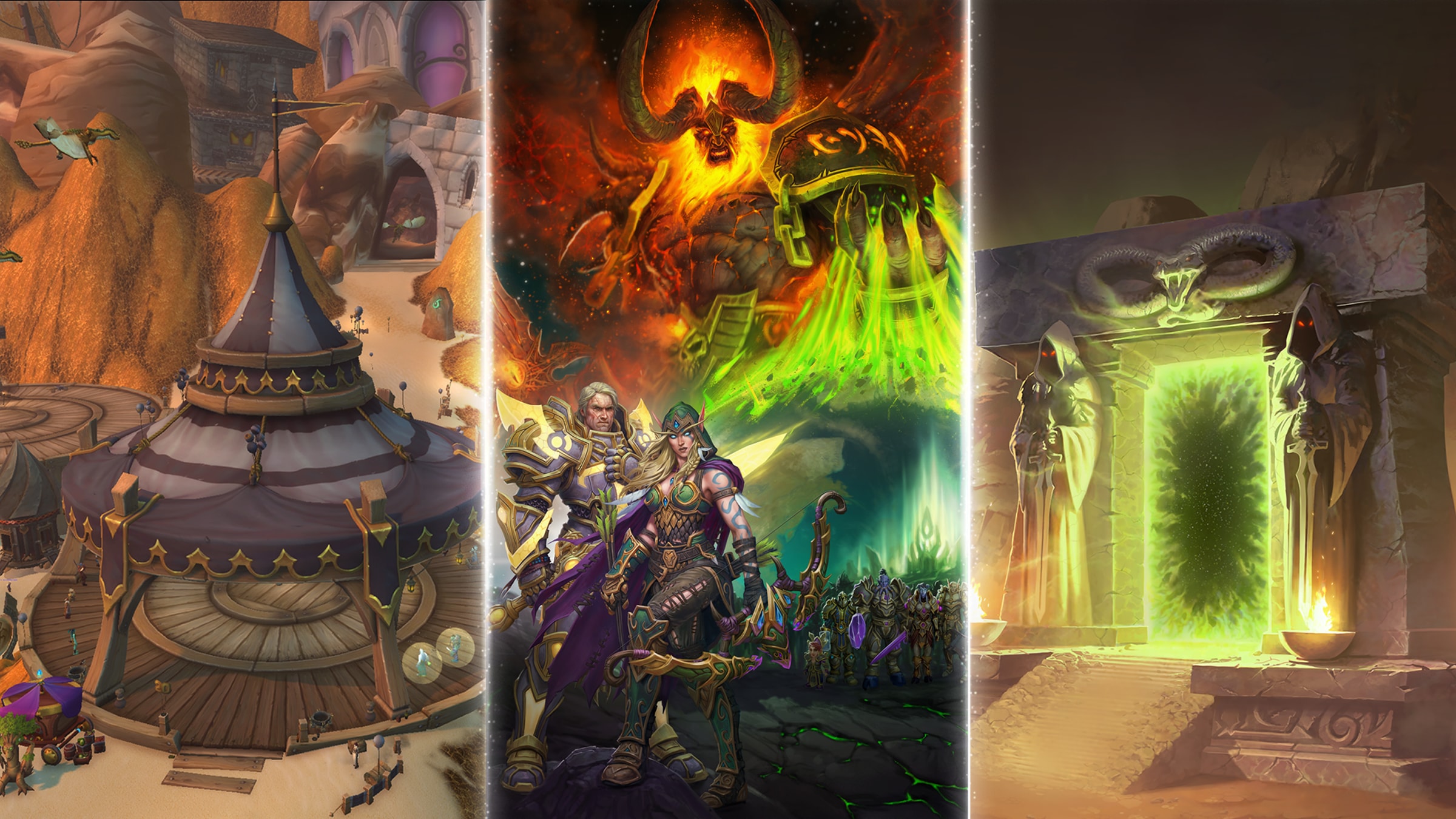
The Burning Throne awaits you in Legion Remix, hop over to Tanaris for the 21st Anniversary in-game event fun, prepare for the WoW®: Burning Crusade Classic Anniversary Edition Pre-Expansion Patch arriving January 13, and more! Every week brings thrilling new adventures and loot, so rally your allies and forge your legend in Azeroth.
Legion Remix: Argus Eternal Now Live!
Get ready for fast frenetic fun in Legion Remix as you meet up with the infinite dragonflight once more, level new characters, and earn a variety of items to add to your collection.
Replay the Argus campaign across three deadly zones. Take on the Seat of the Triumvirate and Antorus, the Burning Throne.
Legion Remix is available to everyone, and no expansion purchase is needed, but a World of Warcraft Subscription or Game Time is required to begin this fast-paced adventure through the Broken Isles. This means that Classic players can also participate in the Fel frenzy by simply installing the modern (live) World of Warcraft client.
Head over to our previously published article to learn more. We can’t wait to see you on the Broken Isles in Legion Remix!
Join the World of Warcraft 21st Anniversary Celebration
Join the celebration as World of Warcraft celebrates its 21st Anniversary with a variety of activities and a myriad of ways to earn currency to purchase a plethora of items—and this year, you can don the intrepid threads of the Loyal Watchman ensemble.
When: November 16–December 7
Where: Caverns of Time in Tanaris
Grab the quest from any Holiday Celebrants and hitch a ride to the Caverns of Time through portals located in Orgrimmar and Stormwind.
Joyous Journeys also abound for Mists of Pandaria Classic and WoW Classic Anniversary Edition Realms:
Mists of Pandaria Classic: November 18–December 9
The mystical lands of Pandaria are swirling with danger. For our stalwart champions in World of Warcraft Classic progression (currently Mists of Pandaria Classic), take advantage of the Joyous Journey’s experience buff to enhance your odyssey through Azeroth, increasing experience gains by 50% up to level 90!
WoW Classic Anniversary Edition Realms: November 16–23
Take advantage of the Unrelenting Rallying Cry of the Dragonslayer buff with an increase to critical chance to your spells by 10%, melee, and ranged by 5% and grants 140 attack power. This buff does not stack with Rallying Cry of the Dragonslayer and cannot be Chronobooned.
Learn more about this celebration—including rewards and available quests—from our previously published article.
WoW®: Burning Crusade Classic Anniversary Edition Pre-Patch Arrives January 13
Prepare to tread once again through the Dark Portal and into the fel-scarred realm of Outland with the WoW®: Burning Crusade Classic Anniversary Edition, launching early next year and included with your WoW Subscription or Game Time.
Beginning January 13, after each regional scheduled maintenance, the Pre-expansion Patch will be released, and each character must choose whether to advance onward to WoW: Burning Crusade Classic Anniversary Edition or move to a Classic Era realm.
For those Classic Anniversary players who do not want their characters to continue to WoW: Burning Crusade Classic Anniversary Edition, we will open up free character transfers from Anniversary Realms to Classic Era realms for a limited time starting November 25. This choice to move Classic Anniversary characters to Classic Era realms will last until January 12, 2026.
After January 12, 2026, the transfer option will no longer be available, and you will not be able to transfer your Classic Anniversary characters to Classic Era realms. Any characters remaining on Classic Anniversary realms will continue to Burning Crusade Classic Anniversary.
Learn more about what else is coming with Burning Crusade Classic Anniversary Edition from our previously published article.
Enhance Your WoW®: Burning Crusade Classic Anniversary Edition Experience
Are you prepared to tread once again through the Dark Portal and into the Fel-scarred realm of Outland? The WoW Burning Crusade Classic Anniversary Edition pre-expansion patch arrives on January 13. As with WoW Classic, Burning Crusade Classic Anniversary Edition will be included with every WoW player’s subscription or Game Time at no additional cost.
Harness the power of the Nether and embark on your adventure with item-filled packs that include Burning Crusade-themed cosmetics, mounts, pets, and more!
Outland Epic Pack: includes everything in the Heroic Bundle, along with a Level 58 Character Boost (Anniversary) and 30 Days of World of Warcraft Game Time.
Outland Heroic Pack: includes a Netherdrake Flying Mount, a Phase-Hunter Ground Mount, a Whelping Pet, an Exodar Toy, and a Naaru-themed Hearthstone Effect for various WoW collections, and more!
Choose Your Edition
Take a Ride on Turbulent Timeways Starting December 2
Once more, the Bronze Dragonflight has discovered growing disturbances in the timeways, with several rapidly intersecting our own!
When: December 2–February 3
Timewalk through a previous expansion each week for 10 consecutive weeks, beginning and ending with the Shadowlands. This grand tour through World of Warcraft’s past delivers six new Timewalking Dungeons for players to undertake—De Other Side, Spires of Ascension, Plaguefall, Necrotic Wake, Sanguine Depths, and Halls of Atonement.
Master the Timeways for a new Mount! This season, you’ll be granted Ta’readon’s Mount Voucher for completing the “Master of the Turbulent Timeways IV” achievement awarded to those distinguished champions who maintain “Mastery of the Timeways” for any five weeks during the event.
The voucher will grant the “Ta’readon’s Mount Voucher” quest, directing you to Overseer Ta’readon in the Hall of Curiosities, where you’ll choose one of the four Shadowlands mounts—Bronze Wilderling, Bronze Corpsefly, Bronze Gravewing, or Bronze Aquilon—for free, and the ability to purchase the other three mounts from the Timewalking vendor for Timewarped Badges.
To learn more about Turbulent Timeways, including a dungeon schedule and list of rewards, read through our previously published article.
Mists of Pandaria Classic: The Thunder King Arrives December 9
Gather heroes, sound the drums, the Thunder King comes! The time is nigh to spearhead an assault on the Thunder King’s stronghold. This update delivers two new zones—Isle of Thunder and Isle of Giants, a new gear upgrade system—Thunderforging, a new legendary chapter, two new world bosses—Oondasta and Nalak, and the Throne of Thunder 12-encounter raid.
When: December 9 at 3:00 pm PST
In addition, this content update ushers in the continuation of the Legendary questline— continue your journey with Wrathion to earn a Legendary meta gem, introduces new Scenarios, an update to the Challenge Mode system, and includes the latest updates to Celestial Dungeons.
The Throne of Thunder content update is currently being tested on the PTR—feel free to join. Until then, head over to our previously published overview for all the details about the next content update coming to Mists of Pandaria Classic.
Now Available! World of Warcraft: Blood Ties by Christie Golden
Officially licensed by Blizzard Entertainment, World of Warcraft: Blood Ties is an original prequel novel to the highly anticipated World of Warcraft: Midnight game expansion, the second chapter in the Worldsoul Saga.
Read the Chapter Excerpt
Written by revered World of Warcraft author Christie Golden, this novel chronicles the journey of Arator the Redeemer, son of High Exarch Turalyon and the legendary Alleria Windrunner, as he embarks on a journey investigating rumors of a strange glow emanating from the ruins of a long abandoned Legion base, which leads him to uncover more about himself, his parents, and their heroic legacy.
World of Warcraft®: Blood Ties is now available wherever books are sold.
Get Your Copy Now
Now Available on the Shop: The Trader’s Gilded Brutosaur Mount
“Morten and Killia never realized how much their new trading partnership across faction lines would pay off. That is until the day they were able to purchase this fine creature to aid them in their travels. And of course do it in gilded style.”
Celebrate camaraderie between the Alliance and the Horde with the return of the awe-inspiring Trader’s Gilded Brutosaur, adorned with an Anniversary themed harness encrusted with gems representing World of Warcraft’s expansions. Brave the world of Azeroth on this magnificent Zandalari beast with Morten and Killia, bringing the auction house and the mail to you on the go!
Add this new mount to your collection by visiting the Battle.net Shop or in-game shop through January 5, 2026.
Visit the Shop
Don’t forget you can invest in your new gilded age with WoW Tokens. WoW Tokens purchased from the Auction house for gold can be redeemed for Battle.net Balance. Learn more in our support article.
Let us adventure alongside you, regaling you with tales of valor, casting a light on epic loot, and directing your eyes to legendary raids. Return each week to the World of Warcraft news site, where together, we’ll forge your destinies in Azeroth and beyond. Lok’tar Ogar!
Ortblad’s R01 project aims to solve a vexing problem: the fact that individuals at risk of exposure to HIV (the virus that causes AIDS), or who have been recently exposed to the virus, can sometimes fail to receive, or to use, medications…
Sam Altman, the co-founder and CEO of OpenAI, the company that developed ChatGPT, recently announced his plans on X to introduce a new adult-only version of ChatGPT.
While the details have not yet been made public, it is speculated that ChatGPT’s erotica will allow verified adult users to generate sexually explicit content, most likely in the form of video, photos, and text-based communication.
ChatGPT has over 800 million active users who engage with the chatbot for everyday tasks such as practical guidance, information seeking, and writing. Besides helping people with these tasks, ChatGPT has transformed how people interact with each other by introducing social companions. These AI generative chatbots can become friends or romantic partners, providing synthetic intimacy for users.
ChatGPT erotica goes one step further than these social chatbot companions by providing a new way to access sexually explicit material. ChatGPT’s erotica is set to launch in December of 2025, according to Altman’s X post.
In a few weeks, we plan to put out a new version of ChatGPT. If you want your ChatGPT to respond in a very human-like way, or use a ton of emoji, or act like a friend, ChatGPT should do it…and we will allow even more, like erotica for verified adults.
This announcement comes right after Altman tightened the restrictions and put up guardrails to protect users after receiving multiple lawsuits claiming that these chatbots contributed to several suicides and acts of self-harm. These restrictions were put into place to protect minors as well as people struggling with mental health disorders; however, it seems that Altman is ready to loosen these restrictions and is now focused on “treating adults like adults.”
“There will still be some controls, of course. No one will see or get erotica unless they ask for it, and the reason OpenAI hasn’t rolled out something like this in the past is concern over people with mental health issues. Now that we have been able to mitigate the serious mental health issues and have new tools, we are going to be able to safely relax the restrictions in most cases,” according to Altman.
Will ChatGPT Lead The Industry In AI Porn?
ChatGPT is not the first AI interface to roll out with AI-generated porn; Elon Musk’s Grok has been the most non-restrictive of the large AI players, allowing users to create AI companions designed for sexual roleplay. Meta has also been in the news after revealing it paid certain celebrities to use their voices in AI companion sexual role play, sexual banter, and romantic fantasies with users.
Without any age restrictions, this may create a dangerous online world for underage users. ChatGPT is the most commonly used chatbot, and launching erotica may open up a whole new world of AI-generated porn to users who know nothing about this concept.
Addressing Concerns About ChatGPT Erotica And Minors
There are many concerns about the rollout of ChatGPT’s erotica. Many critics have expressed their concern, from flaws in the age verification systems, potentially allowing children to access AI porn or become victims of AI-generated images, to the social implications of humans forming intimate relationships with AI chatbots, the potential increase in AI porn addiction, and the adverse effects on mental health. These concerns have been strongly voiced across multiple internet sources.
American business and television personality, Mark Cuban, responded to Altman’s post with major concerns, primarily about the safety of America’s youth. In a response post, he stated, “I’ll say it again. This is not about porn. This is about kids developing ‘relationships’ with an LLM that could take them in any number of very personal directions.”
Cuban believes that the controversy with AI porn and erotica is not about adults, but rather the dangers that erotica can have on underage minors forming emotional relationships with AI without their parents’ knowledge. There has already been a string of heartbreaking suicides involving teenagers and adolescents who developed unhealthy relationships with AI chatbot companions that have resulted in lawsuits against OpenAI. Hence, many think the concern about the relationship between minors’ safety and AI erotica is valid.
There is also concern that children will be able to crack the “age gating”, whether through fake identification or other means. This can be viewed through a similar lens as underage drinking. Even if purchasing alcohol is “age-gated” by means of a government identification, underage drinking still takes place.
Cuban continued on X, “This is going to backfire. Hard. No parent is going to trust that their kids can’t get through your age gating. They will just push their kids to every other LLM. Why take the risk? A few seniors in HS are 18 and decide it would be fun to show the hardcore erotica they created to the 14-year-olds. What could go wrong?”
The Dangers Of Online Age Verification
It is assumed that users will need to scan their government ID to access ChatGPT erotica for age verification and “age gatekeeping”; however, sharing a government ID online could expose users to significant risk of identity theft, especially in the event of a breach of personal information.
This age verification process could make uploading an ID feel routine, but verifying identity online involves third-party verifiers and brokers who link a person’s real identity to everything they do online, including search history, conversations, and even erotica fantasies. This form of surveillance can become a detailed record that cybercriminals can exploit. Critics are concerned that teenagers will find ways to bypass this “age gate” within minutes if they want to, unintentionally revealing their own or someone else’s private information.
Will Human Relationships Take A Back Burner To AI Erotica?
In addition to safety concerns, many people are wary of the effects that AI porn can have on relationships. Questions surrounding relationships and the ethical dilemma of erotica AI, include:
What happens if people are engaging in AI porn without their spouse’s knowledge?
Is it considered cheating?
Will these synthetic relationships with chatbots alter the standards for dating and romance in real life?
Will human romantic relationships fail because a person would rather live out their sexual fantasies with a chatbot?
Will marriages fail?
Will relationships with AI chatbots become an addiction?
While the answers to these questions are yet to be seen, the potential dangers and social implications of how AI porn and erotica could affect human relationships and mental health need to be considered individually before users participate with AI erotica.
ChatGPT’s New Restrictions To Mitigate Mental Health Issues
There has been a lot of conversation from Altman about loosening the restrictions to benefit verified adult users with the upcoming erotica rollout. Still, there was not a lot of talk about the restrictions and tools that were put into place after the string of suicides that were associated with the dangers of AI chatbots.
“We made ChatGPT pretty restrictive to make sure we were being careful with mental health issues. We realize this made it less useful/enjoyable to many users who had no mental health problems, but given the seriousness of the issue, we wanted to get this right,” Altman posted on X.
OpenAI formed an expert council centered around mental well-being and AI. This council consisted of experts in mental health, youth development, and artificial intelligence who collaborated with a network of over 250 physicians, spanning 60 countries, to help develop parental control and safety guidelines, commonly referred to as “guardrails”.
In September 2025, OpenAI introduced a new safety guardrail feature allowing parents to link their ChatGPT accounts with their teens’ (ages 13-17) profiles to allow parents to safeguard their teens’ accounts. This account linking allows parents to:
Adjust AI behavior for age-appropriateness
Disable memory and chat history
Receive alerts if the AI detects signs of acute mental health distress
Block age-inappropriate content such as inappropriate graphics, sexual roleplay, and extreme beauty ideals
Disable image generation to help prevent minors from creating sexually graphic images
Set quiet hours to restrict when their teens can engage with ChatGPT
Opt in to non-personalized feeds and other restrictions in the hopes that this safeguards teens’ mental well-being
OpenAI also programmed ChatGPT to produce healthier, safer responses when user conversations become problematic, including allusions to mental health crises.
Previously, if a user confided in ChatGPT about their mental health struggles, including suicidal ideations and delusions, ChatGPT would sometimes make mistakes and, instead of referring the user to a suicide or mental health hotline, it would offer inappropriate, suggestive advice that would allude to the encouragement of self-harm and suicide, resulting in users taking their own lives. With these updated guidelines, if a user alluded to the fact that they were experiencing delusional beliefs or suicidal tendencies, then the chatbot would offer calming responses that attempted to calm the user and direct them to emergency services.
Another guardrail that was put in place protects users from the overuse of chatbots, which are replacing human relationships. If a user stated that they enjoyed speaking with ChatGPT more than with real people, the chatbot would begin to encourage real-world connections.
AI Erotica’s Role In Porn Addiction
AI erotica not only poses dangers for the mental health and safety of minors but also has the potential to increase the probability of developing a porn addiction. AI porn addiction is an emerging topic in the world of behavioral addictions and mental health. Porn addiction is not yet considered a diagnosable mental health disorder under the Diagnostic and Statistical Manual of Mental Disorders, Fifth Edition (DSM-5).
However, porn addiction is considered a type of compulsive sexual behavior disorder (CSBD), which is included in the DSM-5 and is recognized as a mental health disorder. It is characterized by significant distress and impairment due to excessive focus on sexual fantasies, including masturbation, use of pornography, having multiple sex partners, or paying for sex.
Porn addiction can create tension and turmoil in people’s everyday lives, causing financial strain, relationship conflicts, a decline in work performance, and social isolation. Mental health experts believe that porn addiction is deeply rooted in unresolved trauma. Therefore, treatment aims to uncover this trauma and help users develop healthy coping skills that can address this trauma when triggers appear in the future. Additionally, many users compulsively engage in porn as a way to cope with and control their feelings of depression, shame, isolation, or anxiety.
Get Help For Porn And AI Porn Addiction
While the effects of ChatGPT’s erotica rollout are yet to be seen, it is anticipated to increase the risk of porn addiction. If you find yourself struggling with a porn addiction, treatment for porn addiction is available, with therapy often being the first step forward. If you’re ready to get started, explore your online therapy options today.