Northwestern Medicine scientists have uncovered a surprising link between a tiny cellular engine and the way cancer cells build the DNA…
Author: admin
-

How a Cellular ‘Engine’ Controls Building Blocks of DNA
Issam Ben-Sahra, PhD, the Thomas D. Spies Professor of Genetic Metabolism, was senior author of the study. -

Whose usage and time of possession is up (or down) this season?
Dillon Brooks and Nickeil Alexander-Walker have seen some of the biggest usage rate increases in 2025-26.
A new season brings new roles, with many players asked to do more (or less) for their teams than they’ve done in the…
Continue Reading
-

Can theatre performance skills can help teachers in the classroom? URI researchers weigh in – Rhody Today
KINGSTON, R.I. – Nov. 20, 2025 – Most people can recall a favorite class or teacher who left an indelible mark on their lives. While subject matter plays a role, the deeper connection often stems from how that teacher made students feel.
Fictional characters such as Mr. Miyagi in The Karate Kid or John Keating in Dead Poets Society have inspired generations of teachers with their seemingly effortless, unconventional approaches to learning.
Teaching, however, is far from effortless. Meticulous planning is required to deliver lectures with confidence and clarity, while managing a room containing anywhere from 30 to 200 different personalities.
One of the authors is Mehmet Yalcin, an associate professor of supply chain management in the University of Rhode Island’s College of Business. (URI) “In the classroom you’re up on a stage, and students are looking at you waiting for you to do something,” says Mehmet Yalcin, an associate professor of supply chain management in the University of Rhode Island’s College of Business.
As any teacher will attest, the classroom shares a striking similarity with the big stage. The performative nature of teaching, especially when it comes to presence and delivery, can shape learning experiences as much as the content itself.
Viewing the classroom as a stage and teaching as a form of performance served as the foundation for a paper co-authored by several URI faculty members, including Yalcin and fellow College of Business Associate Professor of Accounting Anis Triki. Their paper, published in the Journal on Excellence in College Teaching, looks at the relationship between theatre skills and those assuming new teaching roles.

Another author is Anis Triki, an associate professor of accounting in the University of Rhode Island’s College of Business. (URI) “I took an acting course with our Theatre Department,” said Yalcin. “In fact, I had written a proposal about getting folks trained because I trained myself during my Ph.D. years to become a better instructor.”
As part of the initiative that led to this research project, a multidisciplinary team collaborated to explore graduate students’ experiences in the classroom. The project team consisted of colleagues Rachel Walsh and Max Ponticelli from the Theater Department; Anna Santucci, from the Office for the Advancement of Teaching & Learning, Rabia Hos and Stefanie Argus from the College of Education; and Triki and Yalcin from the College of Business.
The team hosted a workshop introducing graduate teaching assistants to theatre-based strategies. With the lead of Hos, the project team surveyed and interviewed graduate students about their confidence and preparedness before they stepped into the classroom.
In the authors’ findings, many graduate teaching assistants reported feeling unprepared, citing challenges in classroom management, content delivery and even language barriers. The assistants felt they needed training on managing a classroom. Their remarks reflected the abrupt transition from student to teacher that many graduate assistants face. Nearly a third felt they needed some form of professional development. One respondent expressed concern their anxiety would impact students’ ability to learn.
“What we saw was a lot of students felt a need to be better prepared in the classroom,” said Triki. “It’s like you’re a TA, and then you’re all of a sudden pushed into a student facing role.”
Yalcin says that theatrical techniques can enhance classroom engagement and instructor confidence. And the research bears that out.
Based on surveys following the workshop, students expressed a greater level of security in their ability. The authors’ research suggests that even brief exposure to performance-based techniques can significantly boost self-assurance.
The workshop primarily centered on incorporating essential theatre performance skills to create better instructors. This included adlibbing, a skill essential in adapting to unpredictable classroom environments, as well as leadership skills to command a room when necessary. Students who applied some of these theatre performance skills therefore felt significantly more confident in their teaching ability to “perform” on stage in the classroom.
“Using a loud voice so that the back row can hear or using gestures in thoughtful way are the skills that you’re gaining at the end of the day,” said Yalcin.
Building on insights gained through the research, the College of Business and the Harrington School of Communication and Media have begun integrating theatre modules into graduate-level teaching practicums. The next phase of research will examine the financial implications of implementing theatre training programs for graduate assistants preparing to teach.
Continue Reading
-

Scientists grow a tiny human “blood factory” that actually works
Our body’s “blood factory” is made of highly specialized tissue containing bone cells, nerves, blood vessels and several other cell types. Researchers have now recreated this complex network in the laboratory using only human cells, marking a…
Continue Reading
-
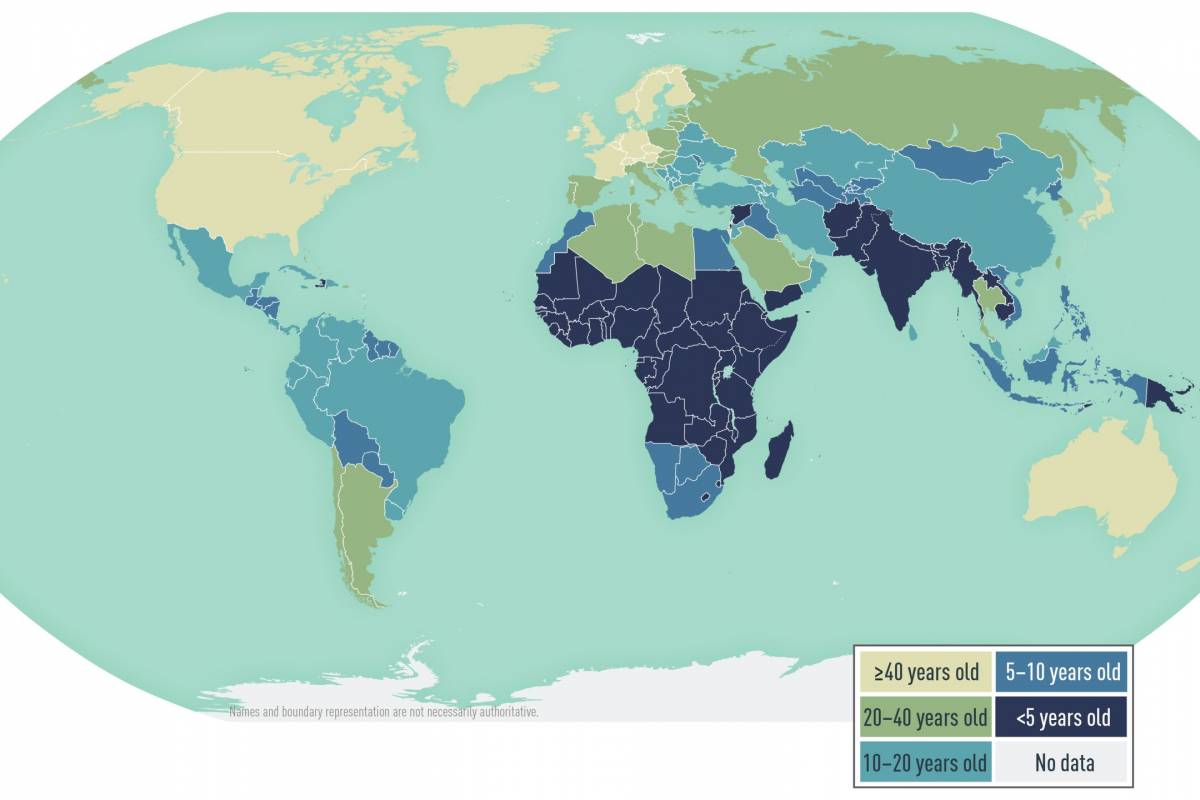
Hepatitis A Vaccine Breakthrough Infections Are Rare — Vax-Before-Travel
Austin (Vax-Before-Travel News)A new study recently stated Hepatitis A (HepA) breakthrough infections after full hepatitis A vaccination are rare and appear more common in immunocompromised individuals (ICP).
Published in the December 2025…
Continue Reading
-
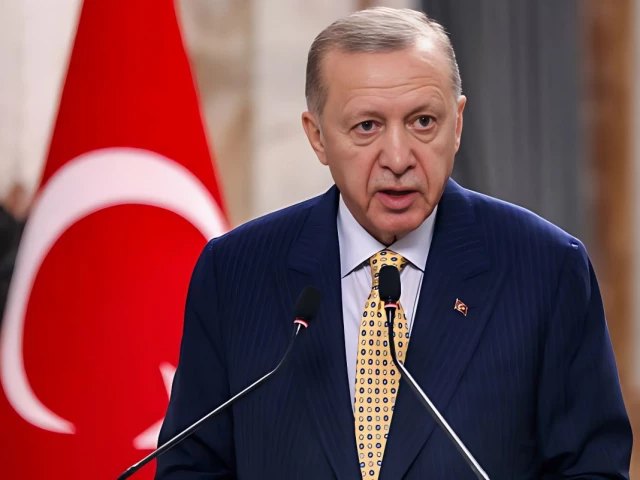
Erdogan warns of demographic ‘disaster’ as Turkiye’s fertility rate falls to 1.48
He said global capitalism, cultural imperialism and “digital encirclement” as pressures undermining values
Turkey’s President Recep Tayyip Erdogan speaks during a joint statement to the media in Baghdad, Iraq April 22, 2024. PHOTO: REUTERS
…Continue Reading
-
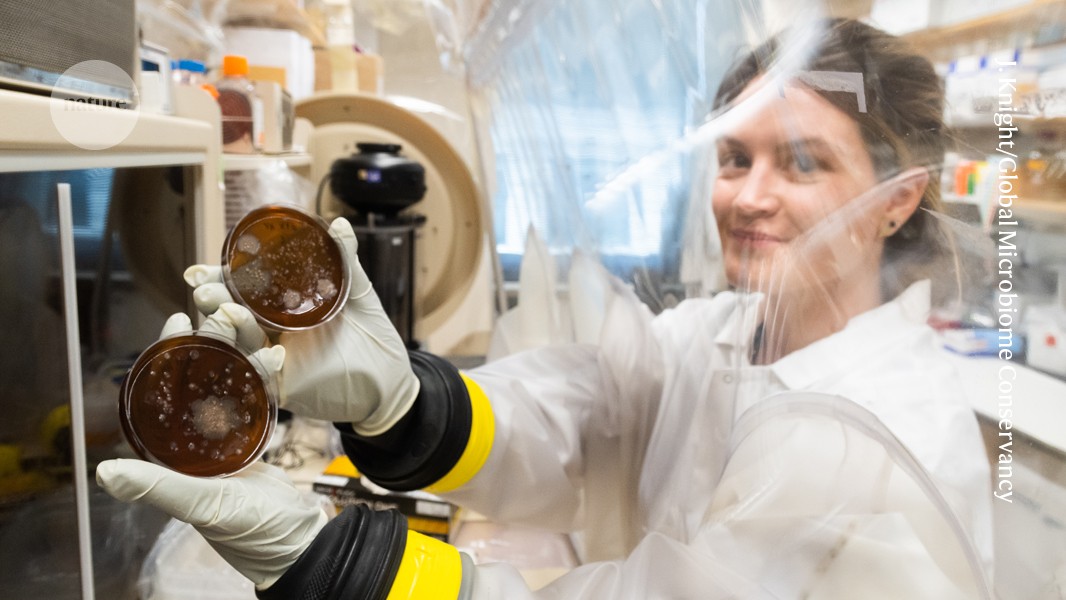
how researchers harness pee and poo for science
As Mathilde Poyet ushers me through the Global Microbiome Conservancy’s laboratory in Kiel, Germany, I’m met with all sorts of state-of-the-art equipment. It’s an impressive facility, with typical lab apparatus, such as incubators, the…
Continue Reading
-
The 27th Amendment and Pakistan’s Emerging Military Posture – South Asian Voices
- The 27th Amendment and Pakistan’s Emerging Military Posture South Asian Voices
- Pakistan’s Army Chief, Trump’s ‘Favorite Field Marshal,’ Cements Power The Wall Street Journal
- Pakistan Will Regret Letting the Army Back In Bloomberg.com
Continue Reading
-

Scientists Capture Genome’s Structure In Unprecedented Detail
Using a new technique called MCC ultra, the team, including researchers from the University of Cambridge, mapped the human genome down to a single base pair, unlocking how genes are controlled, or, how the body decides which genes to turn on or…
Continue Reading