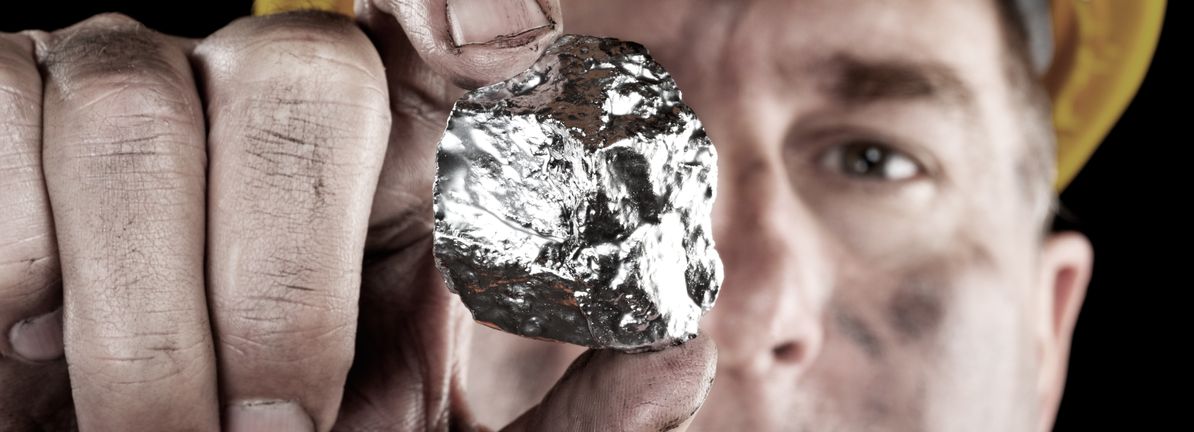
Hochschild Mining’s fair value estimate has seen a slight downward shift, with its price target moving marginally lower in response to recent analyst updates. This adjustment reflects a combination of increased caution and renewed optimism tied to evolving long-term gold price forecasts and company-specific performance metrics. As the outlook for Hochschild Mining remains dynamic, readers are encouraged to follow ongoing updates to stay informed about how the valuation narrative continues to develop.
Analyst Price Targets don’t always capture the full story. Head over to our Company Report to find new ways to value Hochschild Mining.
Recent analyst notes on Hochschild Mining reveal a mix of optimism and caution, with several price target revisions from leading investment banks. These updates reflect evolving views around the company’s valuation, operational execution, and sensitivity to changes in long-term gold prices.
🐂 Bullish Takeaways
JPMorgan significantly increased its price target for Hochschild Mining to 610 GBp from 370 GBp and maintained an Overweight rating. Analyst Patrick Jones highlighted a substantial boost in their long-term gold price forecast, which underpins their bullish stance.
This bullish revision signals renewed confidence in Hochschild’s ability to capitalize on favorable gold market conditions. Analysts are rewarding the company for growth potential and its upside relative to current valuations.
JPMorgan also expressed ongoing bullishness toward European gold miners overall and indicated that they see over 50% upside to fair values by December 2027.
🐻 Bearish Takeaways
Berenberg, while raising its price target to 380 GBp from 280 GBp, continues to maintain a Hold rating. This suggests that much of the potential upside may already be reflected in the current share price.
In late August, both Berenberg and Canaccord revised their price targets downward, citing a more measured outlook. Berenberg lowered its target to 280 GBp from 300 GBp, while Canaccord reduced its target to 350 GBp from 365 GBp, despite keeping a Buy recommendation.
These adjustments indicate underlying reservations regarding valuation and highlight concerns around near-term risks and execution quality.
Together, these mixed revisions underscore a valuation debate among analysts. Some analysts are rewarding Hochschild Mining for its long-term potential, while others are adopting a more cautious approach as the share price factors in future growth hopes. Investors should monitor further analyst commentary for signals of shifting sentiment tied to gold price forecasts and company-specific developments.
Do your thoughts align with the Bull or Bear Analysts? Perhaps you think there’s more to the story. Head to the Simply Wall St Community to discover more perspectives or begin writing your own Narrative!
LSE:HOC Community Fair Values as at Nov 2025
Hochschild Mining reported its Q3 2025 production results, with silver output totaling 2,291 thousand ounces, down from 2,658 thousand ounces a year earlier. Gold production also fell to 58.01 thousand ounces compared to 78.15 thousand ounces last year. Total gold equivalent production for the quarter declined to 85.61 thousand ounces from 110.18 thousand ounces.
The company reaffirmed its full-year 2025 production guidance and is maintaining a target range of 291,000 to 319,000 gold equivalent ounces despite the lower third-quarter results.
Hochschild revised the 2025 production target for its Mara Rosa mine downward to 35,000 to 45,000 ounces, a significant decrease from previous guidance of 94,000 to 104,000 ounces. The overall attributable production target for 2025 was also reduced in light of this update.
First-half 2025 results showed group gold production increased to 131.74 thousand ounces from 120.16 thousand ounces in the prior year, while silver output dipped to 4,624 thousand ounces from 5,016 thousand ounces. Total attributable gold equivalent production for the first half rose to 161.60 thousand ounces from 152.79 thousand ounces.
The Fair Value estimate has declined marginally, moving from 4.49x to 4.47x.
The Discount Rate has increased, rising from 8.01 percent to 8.55 percent.
Revenue Growth projections have risen slightly, increasing from 8.22 percent to 8.28 percent.
The Net Profit Margin forecast has edged up minimally, from 16.79 percent to 16.80 percent.
The projected Future P/E ratio is higher, moving from 16.67x to 16.86x.
Narratives are straightforward stories investors build around a company, linking its business strategy and outlook to financial estimates like future revenue, earnings, and fair value. On Simply Wall St’s Community page, millions use Narratives to make smarter investment decisions by quickly comparing fair value with price and seeing forecasts update dynamically as news or earnings change. Narratives help you decide when to buy or sell by providing clear insights that evolve as new information arrives.
If you’re interested in the real story behind Hochschild Mining’s valuation and future outlook, read the original Narrative on Simply Wall St to stay ahead of the curve. Here’s why you should follow along:
See how long-term gold forecasts and operational improvements could drive substantial upside for Hochschild Mining through 2027.
Understand the balance between production catalysts, reserve growth, and key execution risks influencing the company’s fair value.
Get real-time updates as analyst outlooks, industry conditions, and company news shift the narrative and valuation.
This article by Simply Wall St is general in nature. We provide commentary based on historical data and analyst forecasts only using an unbiased methodology and our articles are not intended to be financial advice. It does not constitute a recommendation to buy or sell any stock, and does not take account of your objectives, or your financial situation. We aim to bring you long-term focused analysis driven by fundamental data. Note that our analysis may not factor in the latest price-sensitive company announcements or qualitative material. Simply Wall St has no position in any stocks mentioned.
Companies discussed in this article include HOC.L.
Have feedback on this article? Concerned about the content? Get in touch with us directly. Alternatively, email editorial-team@simplywallst.com
Japan’s economy contracted by a smaller-than-expected 0.4% in the quarter ended September compared to the previous three months, helped by both private and government consumption.
Economists polled by Reuters had expected a 0.6% decline.
On an annualized basis, Japan’s GDP for the third quarter of 2025 fell 1.8%, a softer decline compared with estimates of a 2.5% contraction.
Exports of goods and services shrank 1.2% compared to the second quarter when they had risen by 2.3%. Net exports contributed to a 0.2 percentage point drop in GDP.
Japan’s shipments had seen contractions for four straight months since May as U.S. tariffs hurt exports, although September saw a rebound to growth. Tokyo in July clinched a trade deal with Washington, bringing down tariffs on its exports to the U.S. to 15% from 25%. The 15% tariffs took effect on Aug. 7.
Domestic consumption helped slow the economic contraction, with government and private consumption up 0.5% and 0.1%, respectively, compared to the second quarter.
Private demand proved to be the largest drag on GDP this quarter, declining 0.4% compared to the quarter before and pulling the economy down by 0.3 percentage point owed to a sharp plunge in residential investment, down 9.4%.
Public demand was a bright spot, growing 0.5% quarter on quarter and contributing 0.1 percentage point to the Japanese economy.
This is breaking news, please check back for updates.
S.COUPS and MINGYU, two members of best-selling K-Pop group, SEVENTEEN, released their unit project, “Hype Vibes,” in September 2025. The two members chose to produce and record a majority of the mini album in Los Angeles and Hawaii.
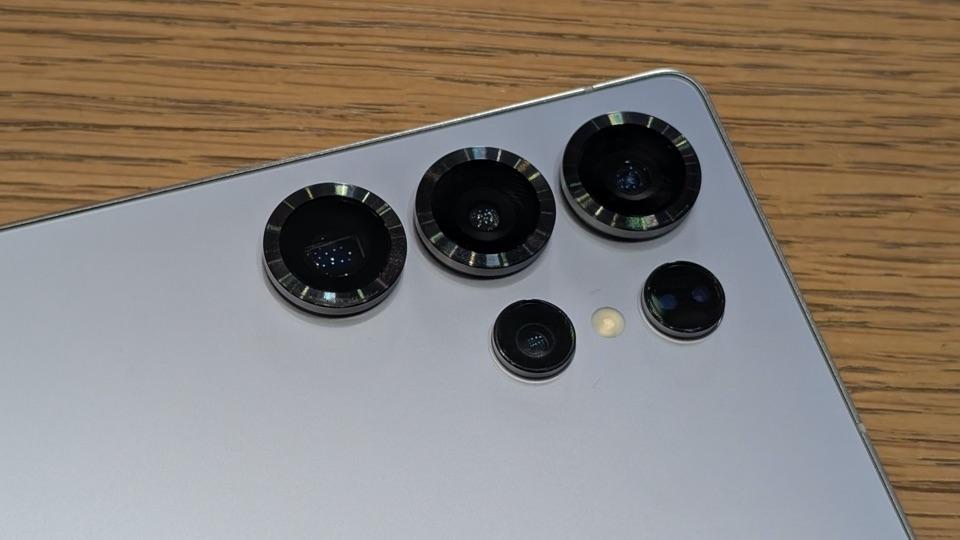
Samsung will set the tone for the smartphone world when it launches the Galaxy S26 Ultra, Galaxy S26+ and Galaxy S26 early in 2026. That launch now appears to be coming earlier than expected, with leaks…
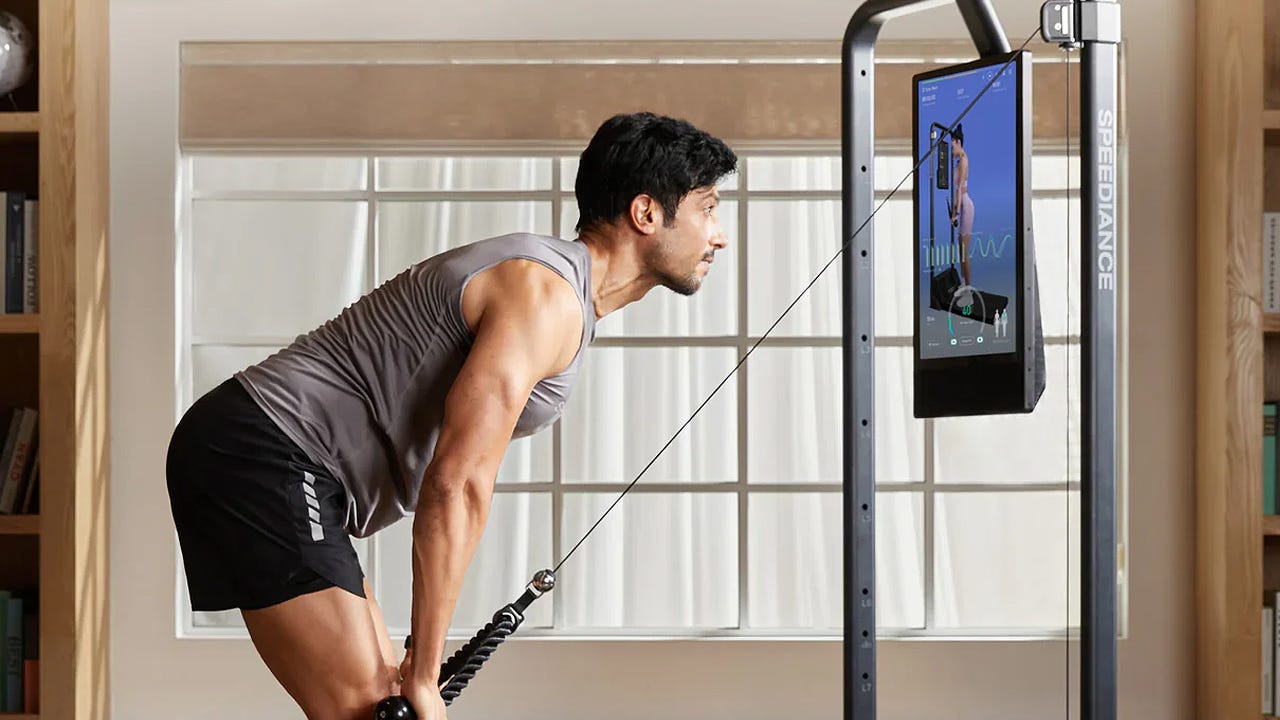
Get a jump start on your 2026 New Year’s resolution to get fit or build muscle with Speediance. Speediance is a revolutionary fitness brand offering AI-powered gym systems designed to keep you on top of your goals, all from the comfort of your…
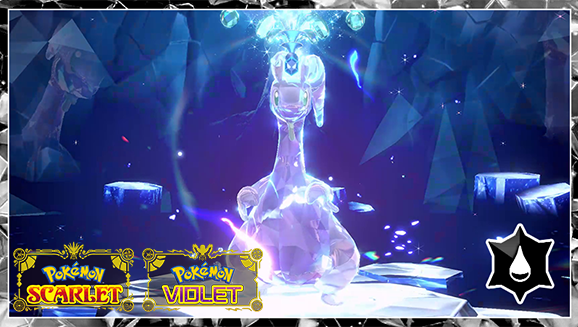
The normally mellow Pokémon Goodra is going on a gooey rampage in Pokémon Scarlet and Pokémon Violet 7-star Tera Raid Battles. The Dragon Pokémon will appear at black Tera Raid crystals from Friday,…
We make no claims to be an expert on anything, but we do know that rule number one of working with big, expensive, mission-critical equipment is: Don’t break the big, expensive, mission-critical equipment. Unfortunately, though,…