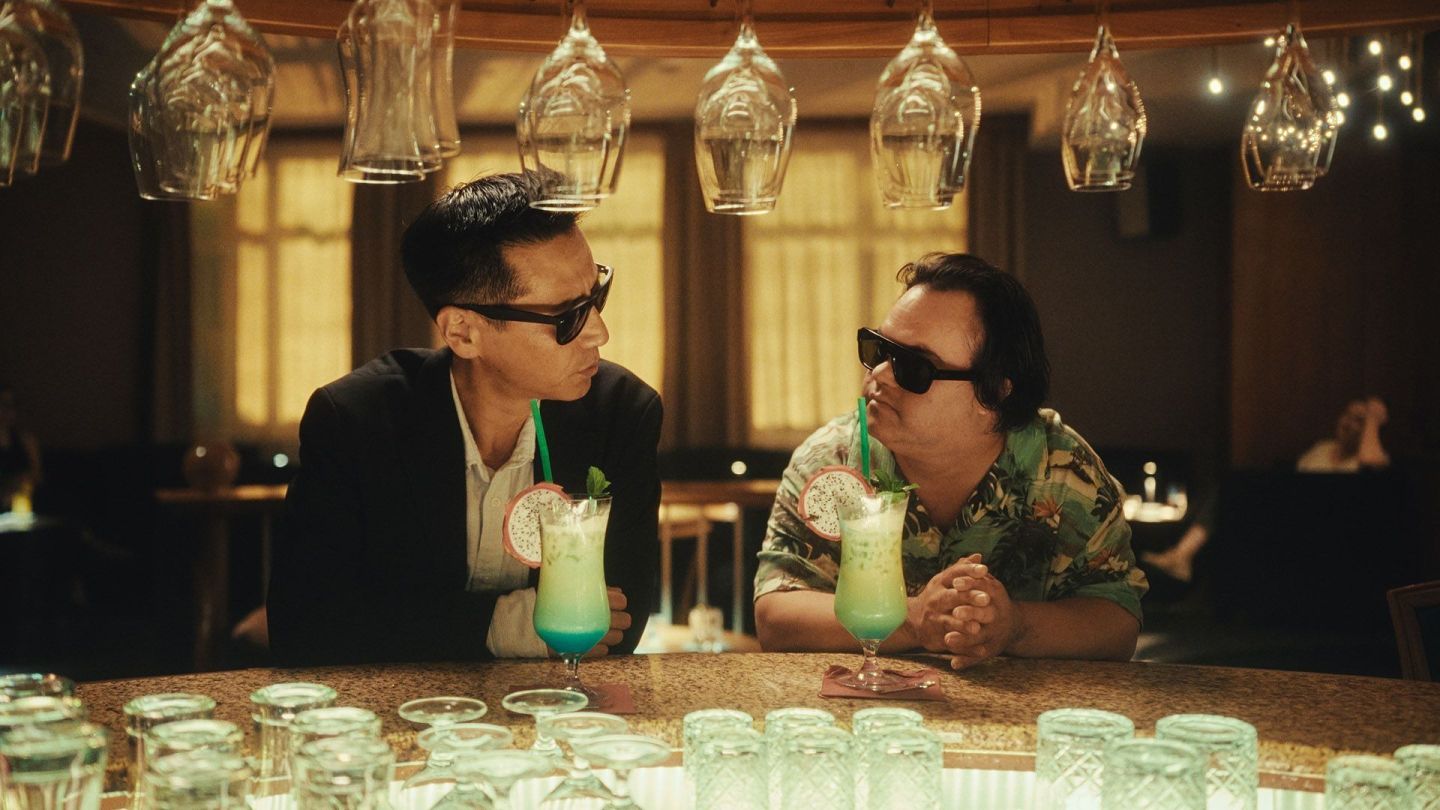
A young German man with Down syndrome, who chooses not to speak, and a Japanese tourist on a journey of his own cross paths in Germany and go on a journey together, forming an unexpected bond that goes beyond words. That is the set-up for The…
TDK Corporation (TSE:6762) announces that it has won the “Best IR Award” at the IR Excellent Companies Conference 2025, at the 2025 IR Award, organized by the Japan Investor Relations Association (JIRA). This marks the first time TDK has received this award in 20 years, the previous award win took place in 2005.
The IR Award is designed to recognize companies which have been highly accredited in the investment community for their understanding and promotion of IR activities. This year marks the 30th year since the first IR Award. Of the JIRA member companies, 371 publicly-traded companies applied for the 2025 IR Award and a total of 13 companies were selected and received awards: the “IR Grand Prix” was given to two companies, the “Best IR Awards” to six, the “IR Special Awards” to three, and the “Best IR Awards for Encouragement” to two.
Major Reasons TDK was Selected for the Award
In recent years, the company has expanded opportunities for dialogue between management and investors and has strengthened its IR activities
The company has worked to deepen investors’ understanding in various ways through hosting events including factory tours combined with business strategy briefings and meetings with outside directors
The company demonstrates a strong consciousness of cost of capital and stock price. By disclosing business-segment ROIC and explaining management policies derived by backcasting from its long-term vision, the company makes it easier for investors to understand its business-portfolio optimization and medium- to long-term projections
Through its Integrated Report and “Pre-Financial Capital Briefings,” the company is actively explaining how human capital and corporate culture contribute to enhancing its corporate value
TDK continues to place importance on active information disclosure and mutual communication with stakeholders to enhance its corporate value.
More details about the awards can be found at the website below: Japan Investor Relations Association https://www.jira.or.jp/english/
About TDK Corporation
TDK Corporation (TSE:6762) is a global technology company and innovation leader in the electronics industry, based in Tokyo, Japan. With the tagline “In Everything, Better” TDK aims to realize a better future across all aspects of life, industry, and society. For over 90 years, TDK has shaped the world from within; from the pioneering ferrite cores to cassette tapes that defined an era, to powering the digital age with advanced components, sensors, and batteries, leading the way towards a more sustainable future. United by TDK Venture Spirit, a start-up mentality built on visions, courage and mutual trust, TDK’s passionate team members around the globe pursue better—for ourselves, customers, partners, and the world. Today, the state-of-the-art technologies of TDK are in everything, from industrial applications, energy systems, electric vehicles, to smartphones and gaming, at the core of modern life. TDK’s comprehensive, innovative-driven portfolio includes cutting-edge passive components, sensors and sensor systems, power supplies, lithium-ion and solid-state batteries, magnetic heads, AI and enterprise software solutions, and more—featuring numerous market-leading products. These are marketed under the product brands TDK, EPCOS, InvenSense, Micronas, Tronics, TDK-Lambda, TDK SensEI, and ATL. Positioning the AI ecosystem as a key strategic area, TDK leverages its global network across the automotive, information and communication technology, and industrial equipment sectors to expand its business in a wide range of fields. In fiscal 2025, TDK posted total sales of USD 14.4 billion and employed about 105,000 people worldwide.
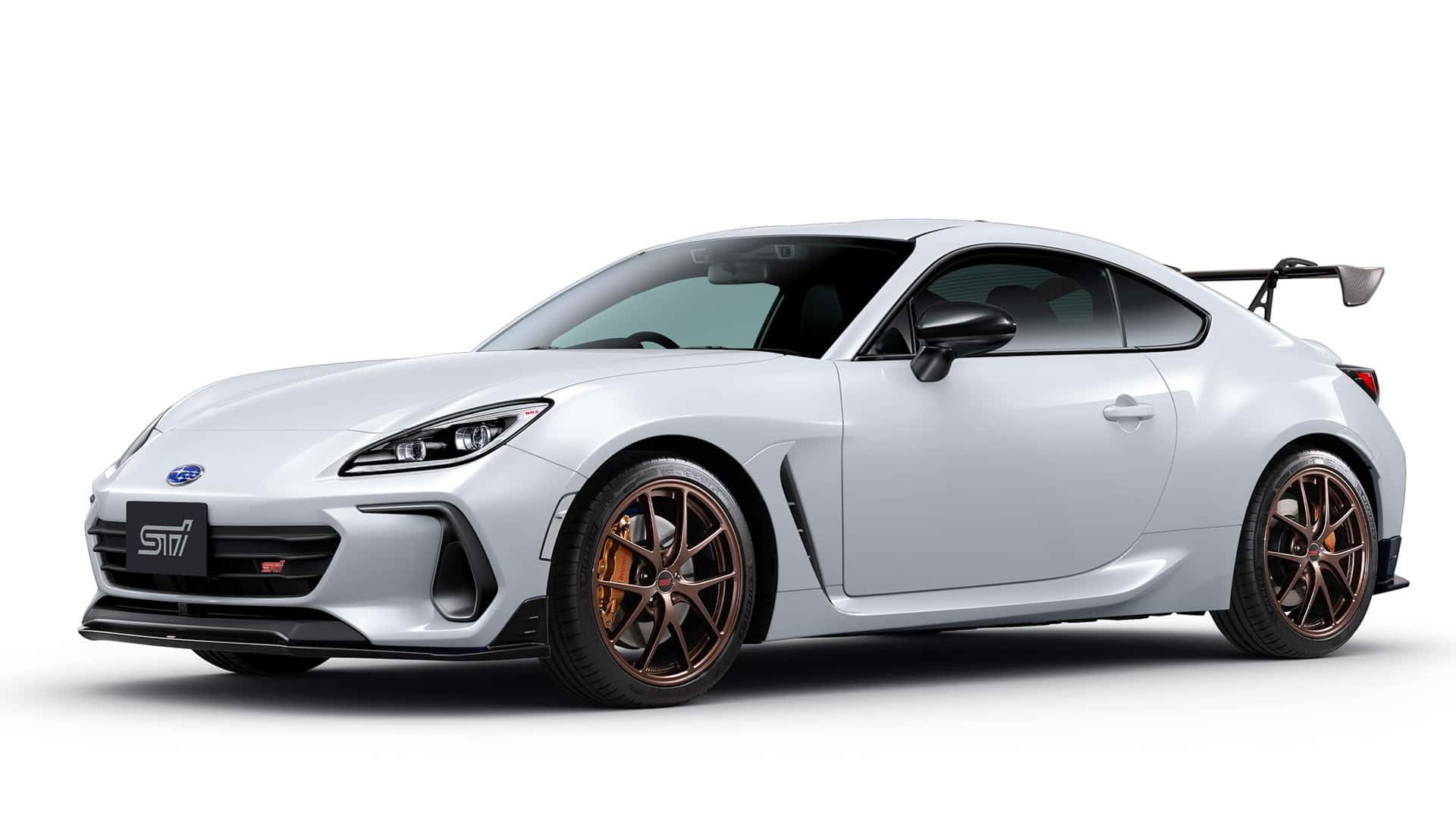
Although it’s been five years since the current-generation BRZ debuted, Subaru is still finding ways to keep its sports coupe fresh. As with most desirable special…
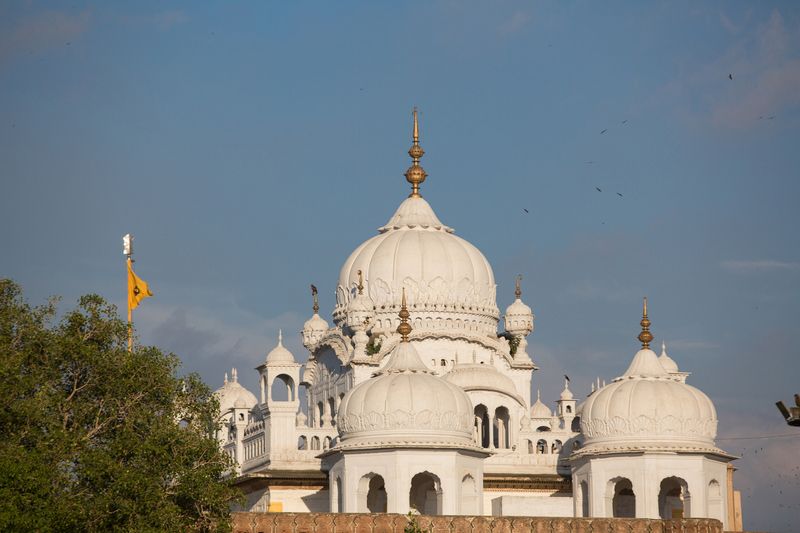
As the Sikh jatha from India prepares to return from Pakistan after celebrating the 556th birth anniversary of Guru Nanak Dev, a “cultural programme” purportedly held near Gurudwara Sri Dehra Sahib in Lahore on Wednesday evening has sparked…
A bitter battle over the future of a Chinese-owned chipmaker in the Netherlands that threatened to cripple the global car industry is a “wake-up call to Europe and the west”, the minister at the heart of the row has warned.
The six-week standoff between the EU and Beijing over Nexperia and its vital supplies of automotive semiconductors has served up a sobering lesson to world leaders over their dependency on China, says Vincent Karremans.
The Dutch economy minister says he has no regrets about the tussle and would not change his actions even with the benefit of hindsight. “There’s a lot of interest in exactly what happened,” he says. “It’s like an economic thriller.”
Detailing for the first time how the trade war unfolded, he recalls high-level exchanges with his German counterpart, the car industry and the US, as well as conversations with critical intelligence that he claims showed Nexperia was moving parts of its physical operations in Hamburg to China.
The dispute started on 30 September when the Netherlands took supervisory control of Nexperia, alleging risks to “European economic security”. The decision to invoke a never-used-before cold war law had been taken two days earlier at the highest level of the Dutch government and was enacted after detailed legal checks.
Karremans says it had nothing to do with a US move on 29 September to put Nexperia on a list of companies facing import controls. “We were absolutely not pushed or pressurised or whatever by the Americans to take action on this,” he says.
“What we heard from the Americans was they were going into [government] shutdown and they wanted to ensure Nexperia was on the list.”
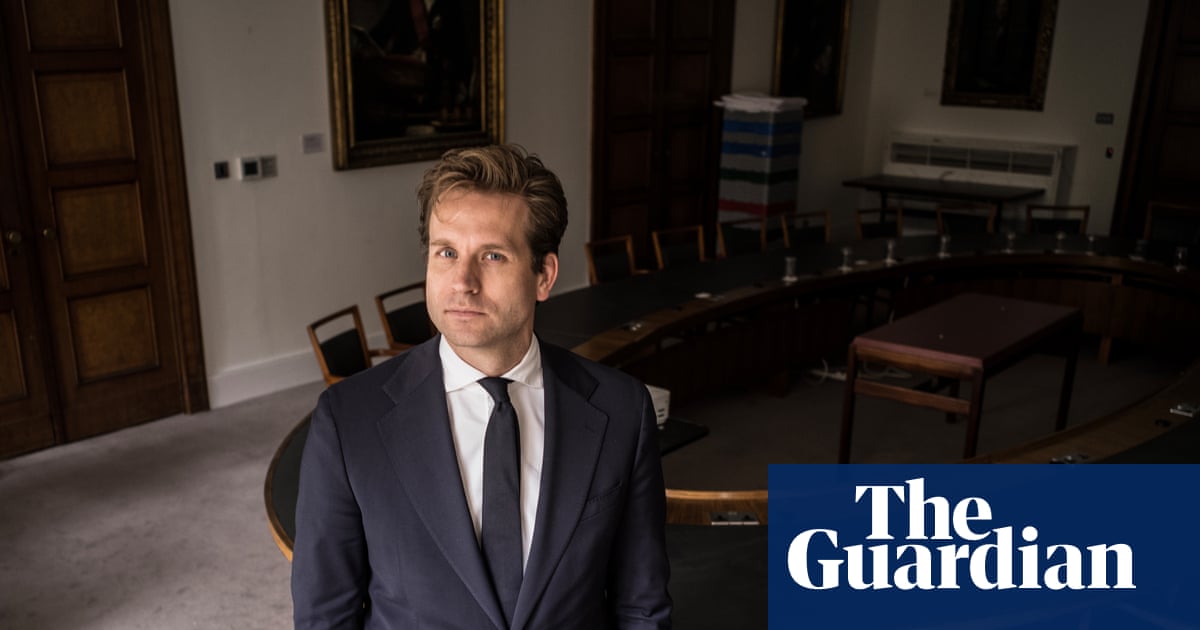
Vincent Karremans: ‘If I had been in the same position, with the knowledge I know now, I would have done the same thing again.’ Photograph: Koen van Weel/EPA
The Dutch intervention triggered a furious reaction from Beijing, which for four days banned the export of Nexperia’s chips from China, most of which are finished. That in turn threw carmakers’ supply chains in to chaos, leading to production pauses in Mexico and warnings from EU manufacturers that they were “days away” from stoppages.
After the deal between Donald Trump and Chinese president, Xi Jinping, in South Korea at the end of last month cleared the way for Beijing to resume chip supplies to Europe, the crisis appears to be over. For now.
“Now, for the short term, there’s a solution … and we’re very grateful for the steps that the Chinese authorities have taken on this.” However, Karremans stresses: “If I had been in the same position, with the knowledge I know now, I would have done the same thing again.”
The Dutch chipmaker, once part of the Philips electronics group, was bought by China’s Wingtech in 2018. Concerns about its future ability to export to the US emerged in 2023 when the US notified the Dutch that they were considering putting Wingtech on an “affiliate list” of companies that could pose a threat to national security.
“These restrictions were immense, so it was in our best interests to work with the American and Chinese governments and the Nexperia Chinese shareholder to work out a solution.”
The Dutch then entered a dialogue with Zhang Xuezheng, the founder of Wingtech and chief executive of Nexperia in the Netherlands, to ensure the company’s independence. Demands included the establishment of an independent supervisory board and a requirement that Zhang no longer act as both CEO and head of human resources.
“I spoke to Mr Zhang about this in the ministry last summer,” says Karremans. “It was one of the first meetings I had as minister for economic affairs. He was telling me they were very much on board. We had a list of measures to be taken and then we would engage with the Americans and say this is a Dutch company.”
But in September, things took a dramatic turn.
skip past newsletter promotion
after newsletter promotion
“I had people coming to my office saying: ‘Minister, we need to talk to you,’ and they told me what Zhang was doing. They said he was moving away intellectual property rights, they were firing people, and they were looking to relocate production from [Hamburg] to China.”
Asked who these people were, he says: “I can’t tell you who they were … but we have physical evidence that this [relocation] was happening.”
He argues that if Wingtech had moved its semiconductor wafer production to China, then “this interdependence that Europe had [with China] would have changed into a full dependency. That … would have been very dangerous for Europe.”
After the situation with the Chinese escalated in the aftermath of the Nexperia intervention, Karrenmans spoke to Germany’s economy minister, Katherina Reiche. “She supported our action. She was very concerned about what this meant, obviously, for the car industry.” Leaders in the EU, US, China, France and elsewhere around the world were also kept informed.
“We weren’t intending to go public on this. We wanted to solve this swiftly and silently,” Karremans says.
Beijing’s move to restore chip supplies at the weekend came after the US decided to pause sanctions for companies on its affiliate list. But the Dutch have yet to reverse out of Nexperia, with Karremans hinting nothing will happen until the first chips arrive on European shores.
“We are in direct touch with the German car industry and with other car manufacturers and clients of Nexperia. They will let us know when they receive the chips. And once the supply resumes and we are confident it will continue, then … we’ll take the appropriate steps that are needed by the Dutch government to resolve this issue.”
Karremans hopes this “will serve as a wake-up call” over the dangers of depending on one country for essential tech or raw materials. Although his VVD party finished third in last month’s general election, he will remain economy minister until a new government is formed, which could take a year.
When Wingtech was asked about the allegations that it was planning to move part of its physical production line in Hamburg to China, the company said it was pressing ahead with an investment rollout in Germany with 150 new jobs created, including 100 in R&D and 50 in production.
A spokesperson said: “Wingtech’s $200m investment plan for the Hamburg wafer fabrication facility, announced in 2024, is progressing steadily … As the new production lines start to ramp up, we were expecting to continue the expansion of our operational team, a development which has since been sidelined due to the Dutch government’s intervention.”