Author: admin

  • Elafibranor Benefits Fatigue-Related Pathways Linked to Mitochondrial Function in PBC

    Elafibranor Benefits Fatigue-Related Pathways Linked to Mitochondrial Function in PBC

    New research is shedding light on a significant association between changes in the expression of 10 proteins with a potential role in fatigue or mitochondrial function and the severity of fatigue in patients with primary biliary cholangitis (PBC) treated with elafibranor.1

    The data were presented at the American Association for the Study of Liver Diseases (AASLD) The Liver Meeting 2025 by Mark Swain, MD, a professor of medicine at Cumming School of Medicine and full member of The Calvin, Phoebe and Joan Snyder Institute for Chronic Diseases at the University of Calgary, and highlight expression changes of proteins linked to fatigue or mitochondrial function following treatment with elafibranor. Of note, these changes significantly correlated with each other and with fatigue improvement, suggesting that PPARα/δ agonism beneficially impacts fatigue-associated pathways linked to mitochondrial function.1

    “Fatigue, a common, debilitating symptom in patients with primary biliary cholangitis, has poorly understood pathophysiology,” Swain and colleagues wrote.1 “Elafibranor, a PPAR α/δ agonist approved for PBC second-line treatment, has shown clinically meaningful improvements in fatigue.”

    In a previous analysis presented at the European Association for the Study of the Liver (EASL) Congress 2025, expression levels of 10 proteins associated with a potential role in fatigue or mitochondrial function were found to be impacted in patients treated with elafibranor, including ATAD3B, BAX, CA14, CA5A, ECI1, GRPEL1, HPD, KYNU, MECR, and SOD2.2

    To build upon this research and examine the relationship between changes in expression of these proteins and fatigue severity with elafibranor, investigators assessed serum samples collected from patients in the phase 3 ELATIVE trial at baseline and week 52 and analyzed them using the Olink® Explore HT proteomic panel. Spearman correlations were evaluated between Patient-Reported Outcome (PRO) Measurement Information System (PROMIS) Fatigue Short Form 7a (PFSF 7a), PBC-40 Fatigue domain (PBC-40 F), and expression levels of the 10 proteins impacted by elafribanor treatment.1

    Analyses were conducted in the overall population and in patients with baseline moderate-to-severe fatigue, defined as PFSF 7a T-score ≥60 or PBC-40 F score ≥29.1

    Of 161 patients in ELATIVE, samples were included from 119. Of these patients, 46 and 63 had baseline moderate to severe fatigue according to PFSF 7a and PBC-40 F, respectively.1

    At baseline, in the overall population, significant moderate-to-strong correlations were observed between the expression of all proteins (r=0.29–0.89; P <.05). In patients with baseline moderate to severe fatigue according to both PROs, expression of CA5A, ECI1, GRPEL1, KYNU, MECR, and SOD2 were significantly correlated with fatigue at baseline (r=0.25–0.39; P <.05). Of these patients treated with elafribanor (baseline moderate to severe fatigue, PFSF 7a, n = 33; PBC-40 F, n = 41), moderate-to-strong correlations (r=0.27–0.88) were observed between expression changes from baseline to week 52 of all proteins, which were all significant (P <.05) except for CA5A and ATAD3B, and MECR and CA14.1

    In the 33 elafibranor-treated patients with baseline moderate to severe fatigue according to PFSF 7a, significant correlations between CfB to W52 in BAX, ECI1, GRPEL1, HPD, KYNU, MECR, and SOD2 expression and PFSF 7a were observed (r=0.35–0.54; P <.05). Changes from baseline to week 52 in SOD2 and PBC-40 F were significantly correlated in the 41 patients with baseline moderate to severe fatigue according to PBC-40 F (r=0.32; P <.05).1

    “Elafibranor treatment led to expression changes of proteins linked to fatigue or mitochondrial function, significantly correlated with each other and with fatigue improvement,” investigators concluded.1 “This suggests that PPARα/δ agonism beneficially impacts fatigue-associated pathways linked to mitochondrial function, providing a foundation for further research into the mechanistic contribution of PPARα/δ agonism to fatigue improvement in PBC.”

    References

    1. Swain M, del Pilar Schneider M, Plas P, et al. Elafibranor-associated changes in proteins linked to mitochondrial function correlate with fatigue improvement: Proteomic results from the ELATIVE® trial. Presented at the American Association for the Study of Liver Diseases (AASLD) The Liver Meeting 2025. Washington, DC. November 7-11, 2025.
    2. Swain M, Plas P, del Pilar Schneider M, et al. LBP-025 Elafibranor impacts inflammatory, fibrotic and symptom-associated markers in patients with primary biliary cholangitis: Proteomic results from the ELATIVE® trial. Journal of Hepatology. doi:10.1016/S0168-8278(25)00444-1

    Continue Reading

  • Strong pace all weekend goes unrewarded

    Strong pace all weekend goes unrewarded

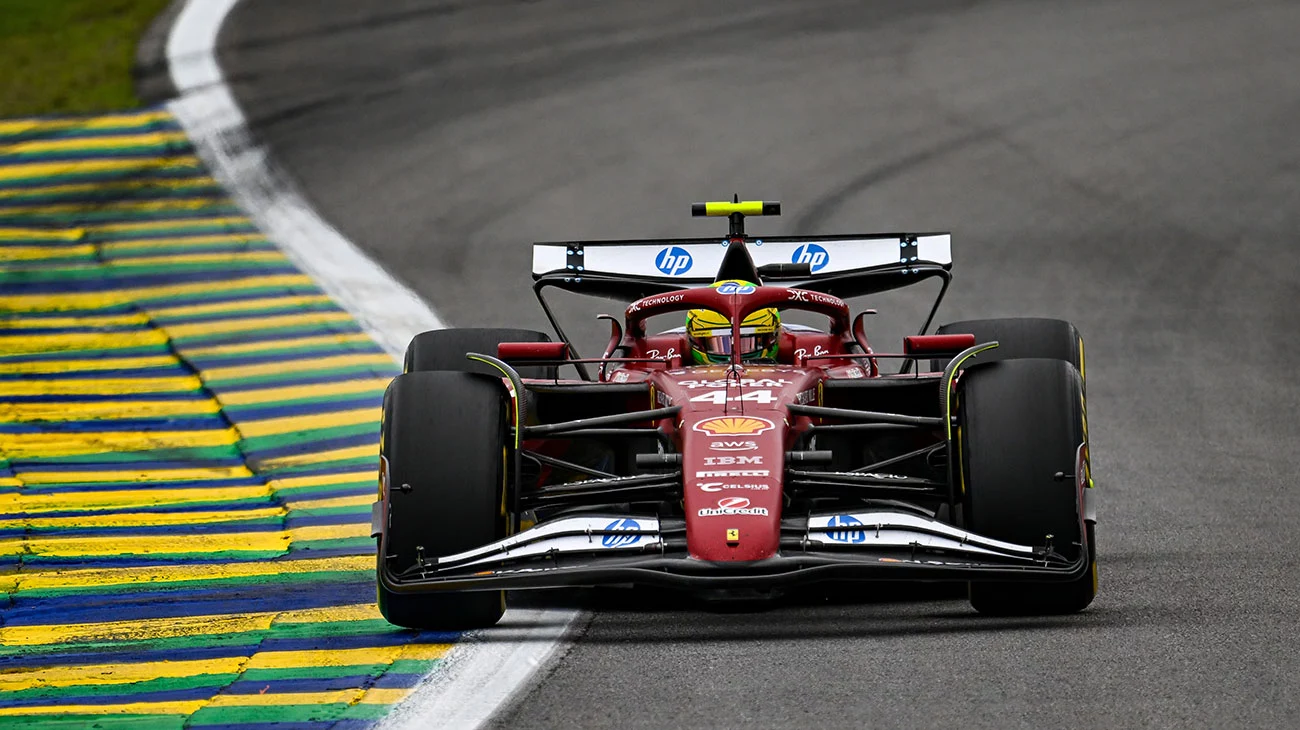
    • Neither Scuderia Ferrari HP driver saw the chequered flag today. Charles was caught up in a multiple collision, taken out of the race by Kimi Antonelli in the very early stages and Lewis Hamilton had to retire the car on lap 37,…

    Continue Reading

  • Man City deliver ominous statement on Pep Guardiola’s landmark day as Liverpool suffer

    Man City deliver ominous statement on Pep Guardiola’s landmark day as Liverpool suffer

    Doku is a transformative symbol of this new City.

    The 23-year-old has gone from being an unquestionably talented winger, but sometimes maddeningly inconsistent, to the brilliant catalyst behind so much of their best moments this season.

    He gave…

    Continue Reading

  • Today’s NYT Strands Hints, Answer and Help for Nov. 10 #617

    Today’s NYT Strands Hints, Answer and Help for Nov. 10 #617

    Looking for the most recent Strands answer? Click here for our daily Strands hints, as well as our daily answers and hints for The New York Times Mini Crossword, Wordle, Connections and Connections: Sports Edition puzzles.


    Today’s NYT 

    Continue Reading

  • I finally started using Linux-style package management on Windows, and I should have sooner

    I finally started using Linux-style package management on Windows, and I should have sooner

    In my two decades of experience using Windows computers, I’ve always installed software the usual way. Hop into a web browser, search for the software, download it, and then install it. It’s worked fine for the most part and is probably the…

    Continue Reading

  • Today’s NYT Connections Hints, Answers for Nov. 10 #883

    Today’s NYT Connections Hints, Answers for Nov. 10 #883

    Looking for the most recent Connections answers? Click here for today’s Connections hints, as well as our daily answers and hints for The New York Times Mini Crossword, Wordle, Connections: Sports Edition and Strands puzzles.


    Today’s NYT 

    Continue Reading

  • 4 ways the Apple TV 4K could change to make it a gaming destination

    4 ways the Apple TV 4K could change to make it a gaming destination

    Apple renamed Apple TV+ to Apple TV not long ago, a decision that was buried in a press release about the movie F1, but was still received with a fair bit of fanfare. A simple name change shouldn’t necessarily upset anyone, but people cared…

    Continue Reading

  • Pembrolizumab Regimen May Show Synergy in Melanoma Populations

    Pembrolizumab Regimen May Show Synergy in Melanoma Populations

    Promising progression-free survival (PFS) outcomes were observed among patients with HLA-A*02:01–negative and HLA-A*02:01–positive uveal melanoma who received pembrolizumab (Keytruda) plus lenvatinib (Lenvima), according to data from the phase 2 PLUME trial (NCT05282901) presented at the European Society for Medical Oncology (ESMO) Congress 2025.1

    The study met its primary end point in both patient cohorts, with an observed PFS rate of 31.8% at 27 weeks (95% CI, 13.9%-54.9%) in patients who were HLA-A*02:01–negative and naïve for treatment with tebentafusp (Kimtrak). In patients who were HLA-A*02:01–positive and were pretreated with tebentafusp, the PFS rate at 27 weeks was 60.7% (95% CI, 40.6%-78.5%).

    “It was observed in phase 3 studies of tebentafusp2 that treatments administered after tebentafusp might display improved activity compared [with] historical data,” said Manuel Rodrigues, MD, medical oncologist at Institut Curie and presenter of the PLUME data.1

    The combination of lenvatinib and pembrolizumab “showed encouraging activity, especially in patients previously treated with tebentafusp, suggesting potential synergy between these treatments,” Rodrigues added.

    Regarding safety, the overall profile was consistent with prior trials involving pembrolizumab and lenvatinib. There were no treatment-related deaths. With lenvatinib, 76% of patients held the dose, 26% had dose reductions, and 4% discontinued. With pembrolizumab, 22% of patients held the dose and 4% discontinued.

    The most common any-grade treatment-related adverse events were fatigue (81.8% in the tebentafusp-naive cohort vs 69% in the pretreated cohort), hypertension (77.3% vs 69%), diarrhea (45.5% vs 65.5%), hypothyroidism (45.5% vs 65.5%), arthralgia (40.9% vs 58.6%), cytolytic hepatitis (40.9% vs 58.6%), mucositis (45.5% vs 41.4%), dysphonia (31.8% vs 44.8%), and abdominal pain (27.3% vs 44.8%).

    While the findings were promising, Rodrigues urged caution when interpreting the results, due to the small sample size and single-arm design. Rodrigues noted that biomarker analyses and real-world comparisons were ongoing to further refine patient selection.

    What Was the Design of the PLUME Study?

    PLUME was an academic, monocentric, single-arm phase 2 trial conducted at the Institut Curie in Paris, France.A total of 51 patients who were naïve to immune checkpoint inhibitors were enrolled and split into 2 cohorts by HLA-A*02:01–negative (n = 22) and –positive/pretreated with tebentafusp (n = 29).

    Treatment consisted of pembrolizumab 200 mg intravenously every 3 weeks for a maximum of 35 cycles and lenvatinib 20 mg orally daily until progression. Chest, abdomen, and pelvic CT scans and liver MRIs were mandatory every 9 weeks. The primary end point was 27-week PFS (after 9 cycles).

    What Was the Rationale for the PLUME Study?

    As Rodrigues explained in his presentation, uveal melanoma has a unique biology to melanoma of the skin, with one-third of patients developing metastases and over 90% of those patients developing liver metastases. The current median overall survival (OS)is about 20 months.

    Tebentafusp, a bispecific TCR–anti-CD3 fusion protein targeting gp100, was the first therapy to improve OS in patients with metastatic uveal melanoma; however, the benefit is limited to patients who are HLA-A*02:01–positive, which is about 45% of patients. Further, checkpoint inhibitors like pembrolizumab have shown limited efficacy due to low mutational burden and an immunosuppressive microenvironment.

    The rationale of adding lenvatinib lies in its VEGFR/FGRF blockade that can normalize vasculature, reduce tumor-associated macrophages, and enhance T-cell infiltration. The combination of lenvatinib and pembrolizumab has shown promise in endometrial and renal cancers, where the combination has outperformed monotherapy.

    DISCLOSURES: Rodrigues declared personal financial interests with Immunocore, GSK, AstraZeneca, and Abbvie; institutional financial interests with Johnson & Johnson, Merck, and Daiichi-Sankyo; and nonfinancial interests with Merck, which provided product samples for the PLUME trial.

    References

    1. Rodrigues M. PLUME: A single-arm phase II trial of pembrolizumab plus lenvatinib in metastatic uveal melanoma (mUM). Presented at: 2025 ESMO Congress; October 17–20, 2025; Berlin, German. Abstract LBA58.
    2. Nathan P, Hassel JC, Rutkowski P, et al. Overall Survival Benefit with Tebentafusp in Metastatic Uveal Melanoma. N Engl J Med. 2021 Sep 23;385(13):1196-1206. doi: 10.1056/NEJMoa2103485.

    Continue Reading

  • Edwards Champions American Heart Association Initiative to Reduce Deaths, Improve Care for Patients With Heart Valve Disease – Company Announcement – FT.com – Financial Times

    1. Edwards Champions American Heart Association Initiative to Reduce Deaths, Improve Care for Patients With Heart Valve Disease – Company Announcement – FT.com  Financial Times
    2. New effort launched to support earlier diagnosis, treatment of aortic…

    Continue Reading

  • Penalty-hit Oscar Piastri assesses ‘tough afternoon’ in Sao Paulo as he admits to ‘things we need to sort out’

    Penalty-hit Oscar Piastri assesses ‘tough afternoon’ in Sao Paulo as he admits to ‘things we need to sort out’

    Oscar Piastri has given his take on what proved to be a “tough afternoon” for him at the Sao Paulo Grand Prix, the Australian having to settle for fifth after a 10-second time penalty for an early collision impacted his race.

    After an early…

    Continue Reading