![Atlas Paraíso, hoje. [Paradise, today.] – Announcements](https://afnnews.qaasid.com/wp-content/uploads/2025/11/72f7ee04-86d4-434f-aeca-d645e2ebfb32.jpeg)
Paraíso, hoje. [Paradise, today.] becomes an Atlas: the curatorial team of the Pavilion of Portugal at the 19th International Architecture Exhibition—The Venice Biennale invites to a series of conversations in Lisbon and Venice, marking the…
Author: admin
-
Huawei HiSec Endpoint Earns Perfect Score in AV-TEST Advanced Threat Protection (ATP) Evaluation
[Beijing, China, November 5, 2025] Leading independent network security evaluation organization AV-TEST, based in Germany, has released its latest results for the Advanced Threat Protection (ATP) test. Huawei’s HiSec Endpoint intelligent endpoint security system achieved a perfect score across all 10 core test items, earning certification with outstanding performance. This result not only confirms HiSec Endpoint’s technological leadership in advanced threat detection, but also provides a trusted endpoint security solution for critical scenarios such as enterprise environments.
The AV-TEST ATP evaluation centers on simulating real-world attack scenarios, focusing on stealthy and highly evasive malware. The 10 test items span the entire attack lifecycle, each with stringent performance and effectiveness thresholds. Huawei HiSec Endpoint passed with full marks thanks to four core technical strengths that enable precise detection and prevention of hidden threats:
• Dual-engine collaborative detection. HiSec Endpoint adopts a hybrid architecture combining static virus detection and dynamic analysis. The static engine, powered by Huawei’s proprietary next-generation Content-based Detection Engine (CDE), deeply verifies file integrity. The dynamic engine leverages the exclusive Graph Streaming Process Engine (GSP) to monitor memory loading situation in real time, capturing hidden malicious module injection. The synergy between the two engines enables precise blocking of malicious programs.
• Full-link memory tracing. HiSec Endpoint builds a comprehensive capability combining full-stack data recording and dual-mode memory inspection. On one hand, kernel-level probes track process creation and code injection to pinpoint abnormal memory writes. On the other, an innovative endpoint-cloud collaborative memory inspection system uses AI clustering for memory fingerprinting on endpoints, while the server aggregates global samples for continuous AI training and model optimization. This evolving memory threat awareness effectively exposes even fileless execution situations.
• Intent analysis. The built-in high-performance GSP engine constructs a “shadow graph” within protected memory, covering standard operations such as processes, files, registry access, and HTTPS communication. It also accurately detects covert situations like memory access, thread hijacking, and process injection.
• In-depth threat handling. Upon threat detection, the GSP engine generates a real-time threat propagation subgraph and executes deep remediation along the graph. Beyond basic actions like terminating malicious processes and isolating suspicious files, it supports fine-grained operations such as restoring critical registry keys, deleting malicious scheduled tasks, and uninstalling persistent services, thoroughly eliminating traces of long-term malware presence while maintaining system stability.
Huawei’s perfect score in the AV-TEST ATP evaluation is a direct testament to the technical strength of HiSec Endpoint. Looking ahead, as AI-driven attack techniques continue to evolve, Huawei will keep advancing its security capabilities, making every endpoint a fortress of security in the digital world.
Continue Reading
-
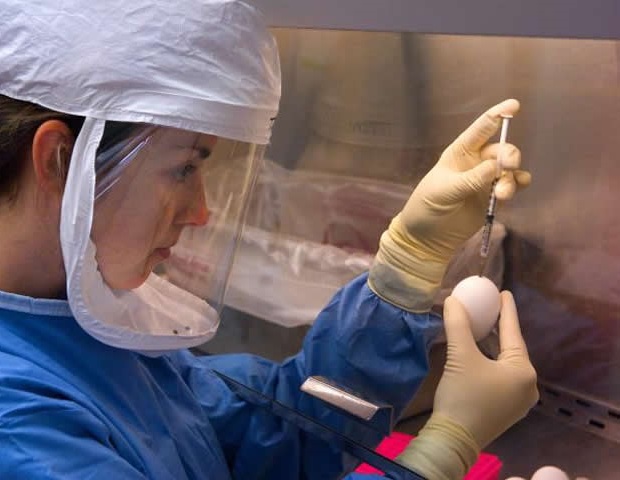
Researchers develop new checklist to prevent fraud in online clinical trials
The rise in virtual research since the COVID-19 pandemic has created opportunities for researchers to expand and diversify clinical trials, but it has also opened up avenues for fraudulent participation in these studies. A new study…
Continue Reading
-
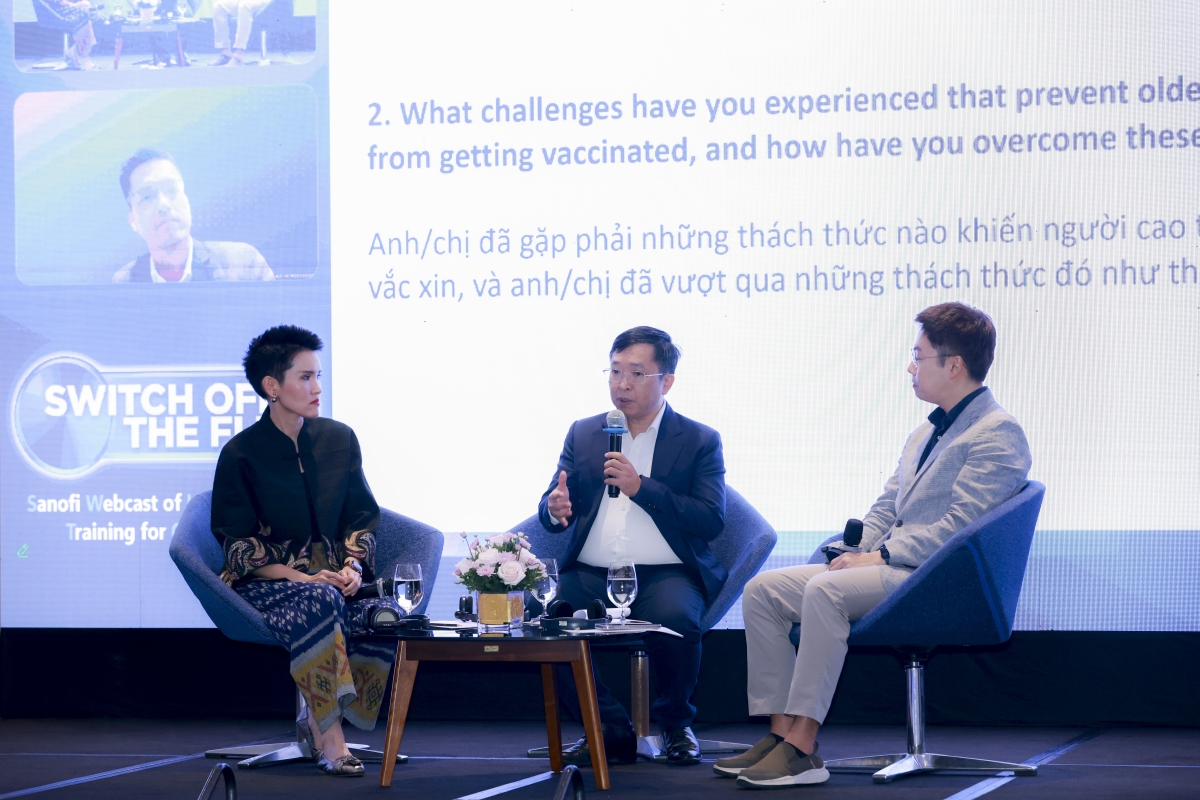
Flu wave hits Southeast Asia, highlighting gaps in protection for the elderly
Many countries in Asia are reporting a sharp rise in flu cases. The intensified rainy season is fuelling transmission and creating ideal conditions for the virus to spread.
In a single week, Thailand recorded more…
Continue Reading
-

Troubled New Zealand wildlife park euthanises two lions
A New Zealand wildlife park has been forced to euthanise two of their lions, following the closure of the park amid ongoing financial difficulties.
The privately owned Kamo Wildlife Sanctuary, located in the northern city of Whangārei on New…
Continue Reading
-

Investor Attestor reviews strategic options for Condor, airline’s CEO says
FRANKFURT, Nov 6 (Reuters) – Investment firm Attestor is reviewing strategic options, including a partial sale, of German charter airline Condor and has hired Barclays (BARC.L) to that effect, the carrier’s CEO Peter Gerber said.“Attestor recently initiated a process to identify strategic options for Condor,” Gerber told Reuters.
Sign up here.
Attestor declined to comment.
In 2021, Attestor bought 51% of Condor from the German government, which had bailed out the airline after the collapse of former parent Thomas Cook and provided further financial support during the pandemic.
Condor plans to repay the granted state aid to state-backed lender KfW (KFW.UL) by the end of 2026, by which point Attestor could take over the government’s remaining stake at a previously agreed price.
“It is important for Condor that it can continue to invest as much as possible and expand its reach,” said Gerber.
Bloomberg last week reported that Attestor was seeking a partner for its aviation business, which includes Condor and Marabu Airlines, and that it was working with Barclays, citing people familiar with the matter.
Reporting by Ilona Wissenbach; Writing by Christoph Steitz; Editing by Rod Nickel
Our Standards: The Thomson Reuters Trust Principles.
Continue Reading
-
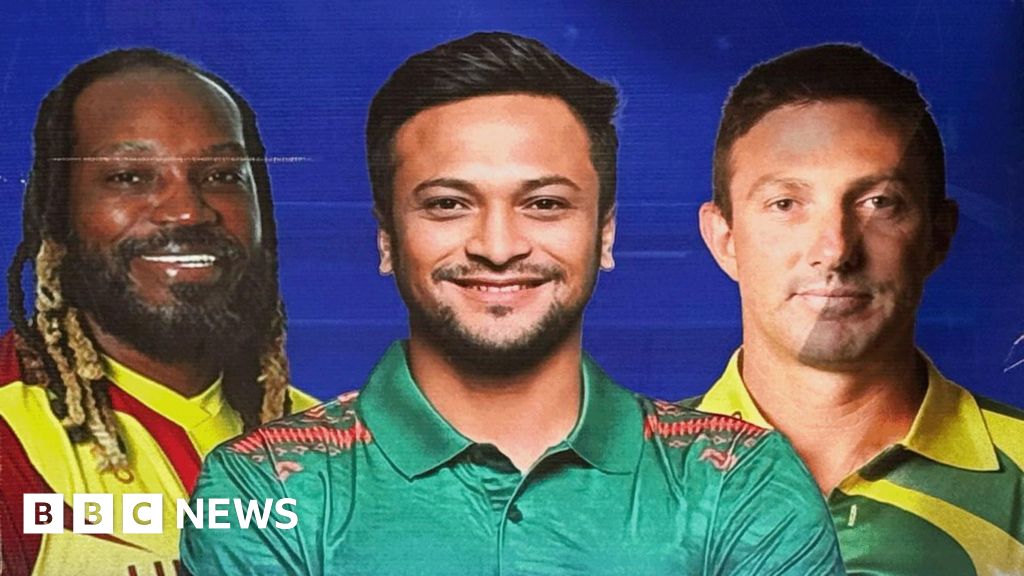
How Kashmir’s ambitious cricket league turned into a fiasco
A controversy has erupted over a private cricket league in Indian-administered Kashmir after its organisers allegedly left the tournament mid-way, without paying the players, support staff and hotel bills.
The Indian Heaven Premier League (IHPL) -…
Continue Reading
-
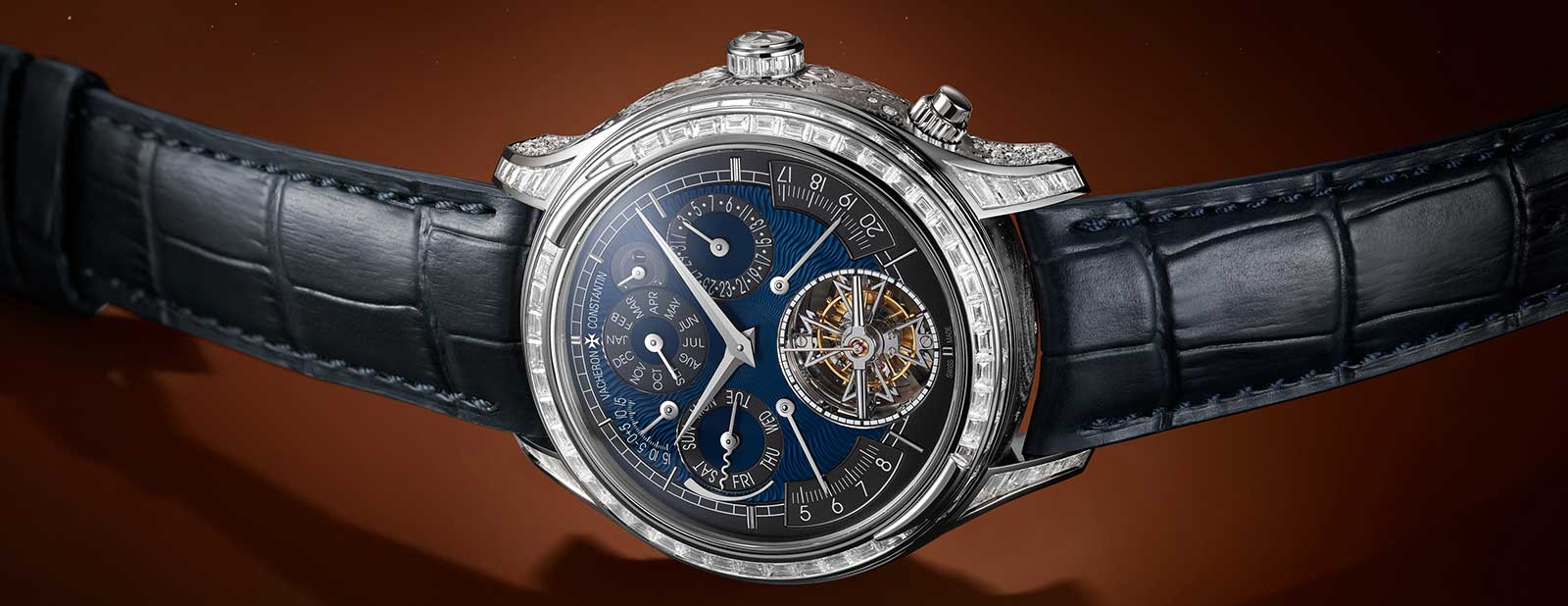
The latest Vacheron Constantin Les Cabinotiers watches celebrate art, science and myth
In the lexicon of high watchmaking, Les Cabinotiers occupies a near mystical status. The name itself refers to the 18th-century “cabinets” of Geneva’s most gifted horologers – tiny attic workshops where solitary craftsmen devoted a…
Continue Reading
-
The UK breakthrough fuelling a $10bn bidding war
One scoop to start: Charles Schwab is expected to announce a deal to acquire Forge Global, the private share marketplace, with an offer valued as high as $600mn as it seeks to broaden investor access to closely held Silicon Valley unicorns.
Welcome to Due Diligence, your briefing on dealmaking, private equity and corporate finance. This article is an on-site version of the newsletter. Premium subscribers can sign up here to get the newsletter delivered every Tuesday to Friday. Standard subscribers can upgrade to Premium here, or explore all FT newsletters. Get in touch with us anytime: Due.Diligence@ft.com
In today’s newsletter:
-
The Imperial College drug behind a $10bn mega-deal
-
Wall Street comes to grips with its socialist mayor
-
In Hong Kong, US finance executives proclaim China bullishness
The British biotech behind the biggest hostile deal in a decade
London isn’t exactly known for minting biotech unicorns, unless you count the occasional Oxford spinout or the odd gene-therapy darling.
But an Imperial College professor may have accidentally sparked the most thrilling hostile pharma battle in years.
Back in 2023, US biotech Metsera quietly picked up a British obesity drug start-up spun out of Imperial, paying up to $114mn for the professor’s life’s work. Tidy exit, British science wins, and everyone goes home for tea.
Fast-forward two years and those Imperial antibodies have turned into the belle of Big Pharma’s ball and the world’s most coveted weight-loss drug since Novo Nordisk’s Ozempic and Eli Lilly’s Zepbound remade the industry and investor waistlines alike.
Today, Novo Nordisk and Pfizer are locked in a $10bn fight for Metsera. This is after Pfizer already sealed a deal, prompting Novo to crash the party with an unsolicited offer and prompting a legal challenge that’s now playing out in Delaware courtrooms and White House corridors.
On Wednesday evening, Pfizer matched Novo’s offer in an effort to remain in the game. Meanwhile, scrutiny from the US Federal Trade Commission over Novo’s bid has added another twist.
But what is the fuss actually over? Metsera claims it has next-gen weight-loss tech, including longer-lasting injections and drugs using satiety hormone amylin.
Behind Metsera sit biotech powerhouses Arch Venture Partners and Population Health Partners, which find themselves presiding over the weight-loss equivalent of a Sotheby’s bidding war.
As one fund manager put it: Big Pharma needs new hits before their current blockbusters go generic. Cue boardroom bruising, court filings, political arm-twisting and CEO text message diplomacy.
The ultimate lesson here? While Europe is best at coming up with the most innovative weight-loss drugs, it’s American investors and dealmakers who are the kings of converting that science into multibillion-dollar windfalls.
Wall Street comes to terms with Mamdani
Wall Street is nothing if not pragmatic. That’s even the case when the financial capital of the world elects a democratic socialist for mayor.
Zohran Mamdani’s win on Tuesday night was all but certain, with virtually every poll showing that not only would he be the next mayor, but he would win by a wide margin.
But within hours of his victory, Wall Street changed its tone. Even hedge fund billionaire Bill Ackman — notoriously one of Mamdani’s biggest critics — congratulated him on X.
Mamdani’s campaign was laser-focused on affordability, a plan that includes raising taxes. Yet they comforted themselves knowing he would need governor Kathy Hochul’s backing to do any serious damage, such as the much-feared implementation of a 2 per cent tax on incomes over $1mn.
Of course, some donors on Wall Street of Mamdani’s rival, Andrew Cuomo, were counting voter turnouts in certain neighbourhoods earlier in the day as if the former New York governor could pull off an eleventh-hour coup.
“The early voting numbers are off the charts. That makes every poll that you’ve seen just wrong,” one hedge fund investor told DD late in the afternoon on Tuesday, a prediction that didn’t age well.
But the majority of Wall Street had accepted Mamdani would be the city’s next leader, with many calculating that donating to Cuomo’s campaign was much like throwing more money at a company in a downward spiral. And as the mantra goes, never throw good money after bad.
Some Wall Street veterans have embraced the mayor-elect. Ralph Schlosstein, chair emeritus of investment bank Evercore, told the FT he voted for Mamdani. “He offered hope and opportunity,” he said.
At least one doesn’t seem to mind the taxes so much. The veteran financier Antonio Weiss said a “small tax increase paired with a real effort to make government more efficient” is a hard thing to argue against.
But how did they feel when they found out Lina Khan, former head of the Federal Trade Commission, has taken a role in the transition team? We’ll soon see how much they can stomach.
Masters of the Universe descend on Hong Kong
America’s titans of high finance landed in the former British territory this week to pay their tributes to their investor and regulator, the Hong Kong Monetary Authority.
They came to the HKMA’s Global Financial Leaders’ Investment Summit bearing one key message: China is back on global finance’s agenda.
The subtext being China and Asia will benefit from increased caution around US exposure from global allocators.
“What you’ve seen over the course of the last year was, after a shift away, a little bit of a shift back [to China] from global capital allocators and my guess is that will continue,” said Goldman Sachs chief executive David Solomon, who later flew to Beijing to meet with vice-premier He Lifeng.
“Hong Kong and China is where it begins and ends,” added Ted Pick of Morgan Stanley. “If you believe in a market where investors will reward great companies, where dispersion matters. AI, robotics, [electric vehicle] biotech — where you have not just national champions but global winners . . . you start here.”
They also came promising a revival in Chinese dealmaking. Jeffrey Perlman, chief executive of Warburg Pincus, said as investors “rethink” their US exposure and look to bring it down by “5 to 7 per cent . . . China is an interesting opportunity”.
Jean Eric Salata, the incoming chair of EQT, was more circumspect in his optimism. “The buyout market is relatively immature,” he cautioned, although he said the venture capital and growth industries were performing well and the role of Hong Kong as an exit venue and for liquidity was key.
“A lot of clients that we talk to, particularly non-US clients, feel like they’re over-allocated dollar assets. They’re looking at diversification . . . and one of the big beneficiaries of that, I think, is going to be Asia. And it’s going to be Hong Kong and China,” he said.
Job moves
-
António Horta-Osório has joined France’s Crédit Commercial de France as deputy chair, his most prominent frontline banking role since resigning from Credit Suisse for breaching Covid-19 quarantine rules almost four years ago.
-
BNP has tapped John Bigham to be head of investment banking for UK corporates. Simon Gates will take over UK corporate coverage and transaction banking.
Smart reads
A checkered history A little-known Italian businessman, who also happens to be one of the UK’s top-paid oil executives, could soon own a vital UK energy asset, Bloomberg reports. But allegations of forgery during previous dealmaking are following him closely.
Some kings Arizona insurance entrepreneur and conservative media figure Chris Buskirk led a coalition of donors who helped re-elect Donald Trump, the Washington Post writes. Now his organisation, Rockbridge, believes an “aristocracy” is needed for the country to progress.
Missing millions Moshe Silber, 32, owned two Gulfstream jets, three multimillion-dollar homes, luxury cars and jewellery. Now, after being sentenced in a mortgage fraud scheme, bondholders have been left searching for their missing $200mn, The Real Deal reports.
News round-up
Citadel Securities and Fortress take stakes in Ripple at $40bn valuation (FT)
Reform UK treasurer Nick Candy wins fraud claim against tech boss (FT)
Olivier Amar sentenced to more than five years for defrauding JPMorgan (FT)
Unilever says Ben & Jerry’s chair no longer suitable for board role (FT)
BDO nears merger of UK and Irish firms (FT)
Apple nears deal to pay Google roughly $1bn a year for Siri AI model (Bloomberg)
OpenAI isn’t yet working toward an IPO, CFO says (WSJ)
Due Diligence is written by Arash Massoudi, Ivan Levingston, Ortenca Aliaj, Alexandra Heal and Robert Smith in London, James Fontanella-Khan, Sujeet Indap, Eric Platt, Antoine Gara, Amelia Pollard, Kaye Wiggins, Oliver Barnes and Jamie John in New York, George Hammond and Tabby Kinder in San Francisco, Arjun Neil Alim in Hong Kong. Please send feedback to due.diligence@ft.com
Recommended newsletters for you
The AI Shift — John Burn-Murdoch and Sarah O’Connor dive into how AI is transforming the world of work. Sign up here
Unhedged — Robert Armstrong dissects the most important market trends and discusses how Wall Street’s best minds respond to them. Sign up here
Continue Reading
-