Terms
While we only use edited and approved content for Azthena
answers, it may on occasions provide incorrect responses.
Please confirm any data provided with the related suppliers or
…

Terms
While we only use edited and approved content for Azthena
answers, it may on occasions provide incorrect responses.
Please confirm any data provided with the related suppliers or
…
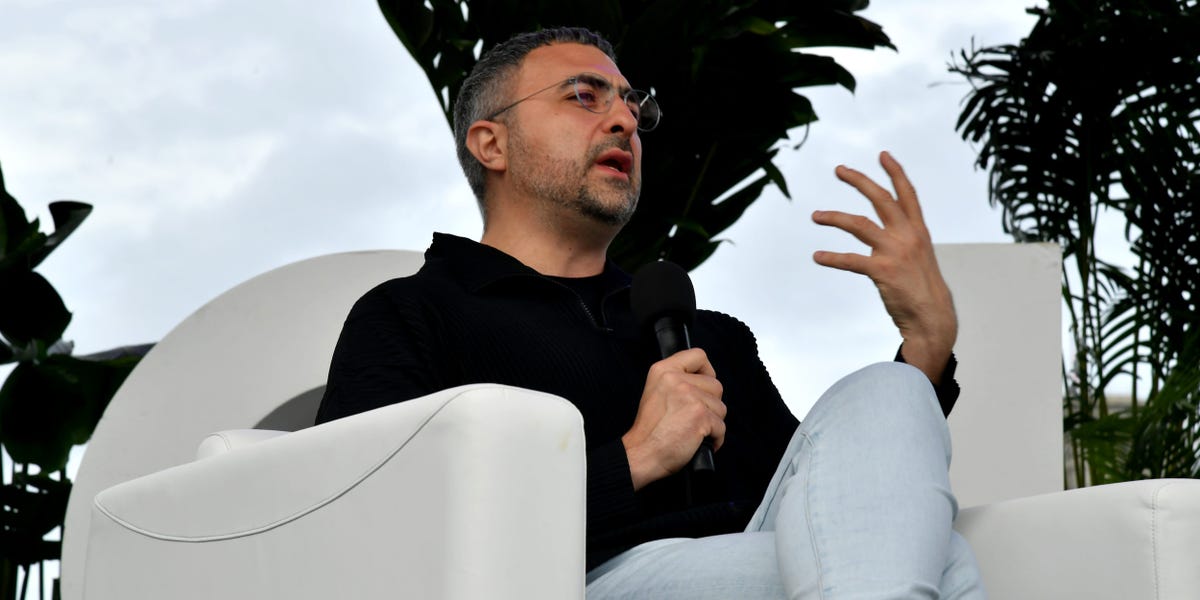
While much of Silicon Valley races to build godlike AI, Microsoft’s AI chief is trying to pump the brakes.
Mustafa Suleyman said on an episode of the “Silicon Valley Girl Podcast” published Saturday that the idea of artificial superintelligence shouldn’t just be avoided. It should be considered an “anti-goal.”
Artificial superintelligence — AI that can reason far beyond human capability — “doesn’t feel like a positive vision of the future,” said Suleyman.
“It would be very hard to contain something like that or align it to our values,” he added.
Suleyman, who cofounded DeepMind before moving to Microsoft, said his team is “trying to build a humanist superintelligence” — one that supports human interest.
Suleyman also said that granting AI anything resembling consciousness or moral status is a mistake.
“These things don’t suffer. They don’t feel pain,” Suleyman said. “They’re just simulating high-quality conversation.”
Suleyman’s comments come as some industry leaders speak about building artificial superintelligence. Some say that it could arrive this decade.
OpenAI CEO Sam Altman has repeatedly described artificial general intelligence — AI that can reason like a human — as the company’s core mission. Altman said earlier this year that OpenAI is already looking beyond AGI to superintelligence.
“Superintelligent tools could massively accelerate scientific discovery and innovation well beyond what we are capable of doing on our own, and in turn massively increase abundance and prosperity,” Altman said in January.
Altman also said in an interview in September that he’d be very surprised if superintelligence doesn’t emerge by 2030.
Google DeepMind’s cofounder, Demis Hassabis, offered a similar timeline. He said in April that AGI could be achieved “in the next five to 10 years.”
“We’ll have a system that really understands everything around you in very nuanced and deep ways and kind of embedded in your everyday life,” he said.
Other leaders have urged skepticism. Meta’s chief AI scientist, Yann LeCun, said we may still be “decades” away from achieving AGI.
“Most interesting problems scale extremely badly,” LeCun said at the National University of Singapore in April. “You cannot just assume that more data and more compute means smarter AI.”

It starts with a slight scratchiness at the back of your throat.
Then, a sneeze.
Then coughing, sniffling, and full-on congestion, with or without fever, for a few insufferable days.
Viral upper respiratory tract infections – also known as…
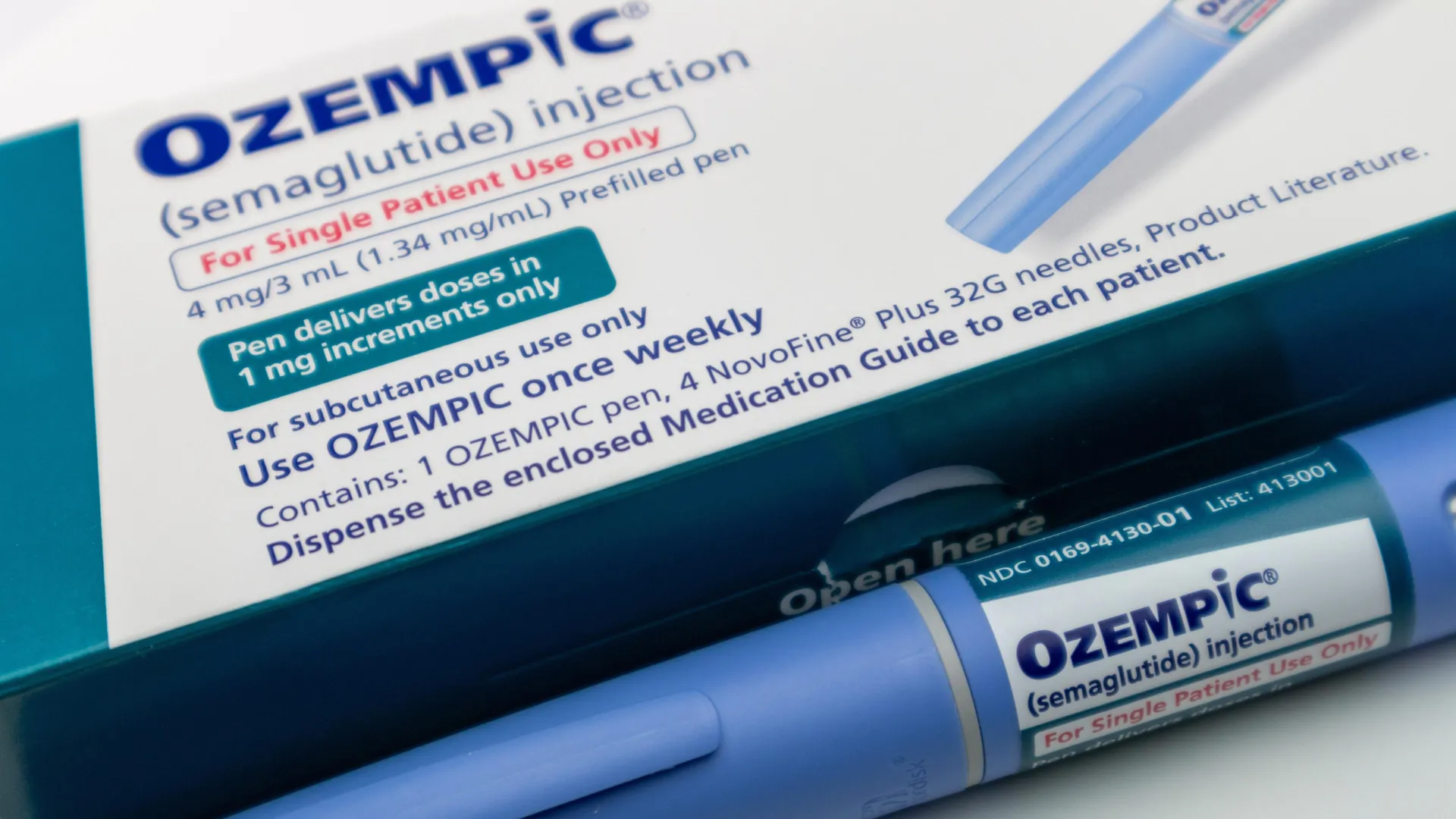
Three new Cochrane reviews report that GLP-1 drugs can lead to meaningful weight loss, although the strong involvement of pharmaceutical companies in many studies raises concerns. The World Health Organization (WHO) requested these reviews to…

Looking for the most recent regular Connections answers? Click here for today’s Connections hints, as well as our daily answers and hints for The New York Times Mini Crossword, Wordle and Strands puzzles.
Today’s Connections: Sports Edition is…

Indian digital star and actor Anushka Sen is expanding her creative portfolio with her first foray into music, with debut single “Chameleon.”
The pop track pairs Sen’s vocal debut with the production expertise of Ken Lewis, a…

THE STORY: The numbers ultimately felt hollow.
There were records and personal bests for the Cardinals Sunday at State Farm Stadium, stats that sometimes mean victory. But there were some that often mean defeat, and the game never…

BEIJING — Scientists using China”s Large High Altitude Air Shower Observatory (LHAASO) found that black holes, devouring material from their companion stars and producing jets, act as powerful particle accelerators and…