Long-duration space missions to the Moon or Mars present one of humanity’s greatest scientific and logistical challenges: how to ensure astronauts receive a sustainable and nutritious food supply without relying on resupply missions from…
We’re still in the waning phase of the moon’s cycle, which means the moon is getting smaller each night. We’re not quite at the Third Quarter, we’re just before it, so you’ll see a fading…
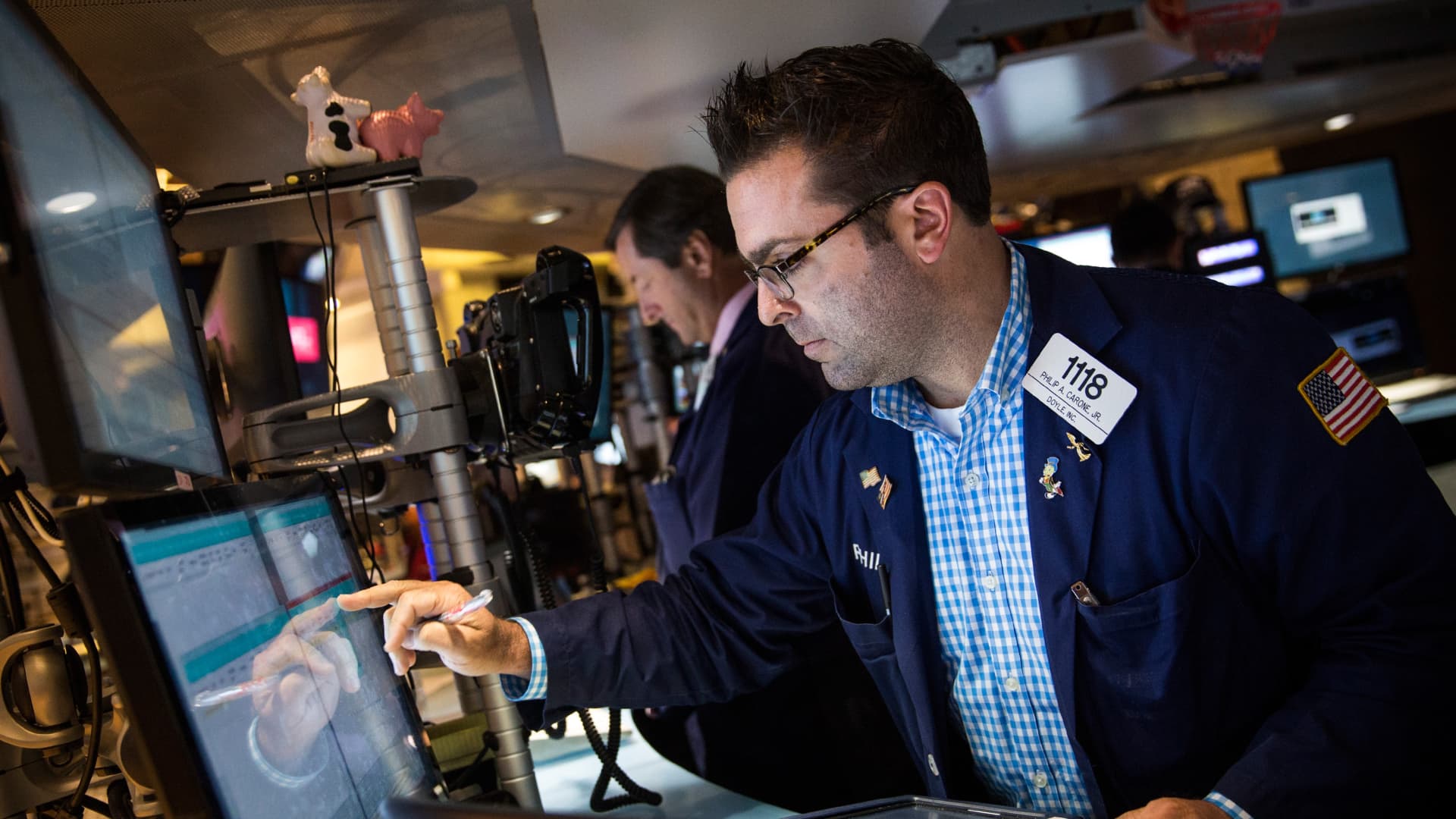
The benchmark 10-year Treasury yield rose Tuesday as markets grew optimistic that a prolonged government shutdown could soon be resolved.
The yield on the 10-year Treasury advanced more than 2 basis points to 4.122%, while the 2-year note yield added less than 1 basis point to 3.595%. Meanwhile, the 30-year bond yield rose more than 1 basis point to 4.712%.
One basis point is equal to 0.01%, and yields and prices share an inverse relationship.
Investors are monitoring developments in Washington as bipartisan negotiations advance toward a spending deal to end the shutdown, which has partially closed the federal government since Oct. 1.
Late Sunday, the Senate passed a procedural vote to move the deal forward, backed by 60 senators after eight Democrats crossed party lines.
The shutdown has stalled major economic data releases, including last week’s jobs report and this week’s scheduled inflation figures. In the absence of official data, investors and officials have turned to limited private-sector indicators for guidance.
A risk-on tone contributed to a modest cheapening in Treasuries as stocks rallied on hopes that the U.S. government shutdown could come to an end as soon as this week, said Ian Lyngen, managing director and head of U.S. rates strategy in the BMO Capital Markets’ fixed income strategy team.
Markets will also be keeping an eye on a speech by Fed Governor Michael Barr later in the day.
The new directive, issued on 26 October, is grounded in Law No. 12 of 1972 on compulsory pricing and profit margins. It requires commercial, industrial and public establishments inacross Qatar to submit accurate and timely data on the prices of goods and services, in a move that Sarah Khasawneh of Pinsent Masons said reinforced the state’s commitment to consumer protection and market transparency.
“This initiative is part of Qatar’s broader digital transformation strategy, which aims to modernise regulatory frameworks and enhance data-driven governance,” she said. “By mandating online price registration, MoCI is not only reinforcing transparency but also laying the groundwork for a more data-driven and accountable commercial environment,” she said.
“Companies, particularly in the retail and manufacturing sectors, will need to adapt internal compliance protocols to ensure timely and accurate reporting. It’s also a signal to international investors that Qatar is serious about digital governance and consumer protection.”
“Businesses should treat this as an opportunity to enhance operational credibility in the Qatari market.”
The directive is expected to have a ripple effect across sectors, prompting companies to reassess their pricing strategies and compliance workflows, Khasawneh said. It also aligns with Qatar’s efforts to attract foreign investment by demonstrating regulatory maturity and a commitment to fair market practices.
Baker McKenzie Switzerland advised Gétaz-Miauton SA, a Blackstone Group company, on the sale of the Usiniers Site in Bulle (FR) to Orllati Real Estate SA in a sale-and-leaseback transaction.
This strategic site will support the development of a major residential project, contributing to the region’s urban transformation while securing operational continuity for Gétaz-Miauton.
Baker McKenzie advised Gétaz-Miauton on all legal and tax aspects of the transaction.
The team was led by Partner Charles Gschwind and included Associates Kim Jean Dachtler and Alexandra Rayroux, all from the Real Estate Practice in Geneva.