The stage is set for the biggest urban cycling event of the year as the best BMX freestyle and trials riders vie to be crowned number 1 in the world for 2025.
This year’s battle for the world titles will take place at the 2025 UCI Urban Cycling…

The stage is set for the biggest urban cycling event of the year as the best BMX freestyle and trials riders vie to be crowned number 1 in the world for 2025.
This year’s battle for the world titles will take place at the 2025 UCI Urban Cycling…
BEIJING, Nov. 4 — This year’s China International Import Expo (CIIE), scheduled to run from Nov. 5 to 10, is the first important economic event that China hosts after the fourth plenary session of the 20th Central Committee of the Communist Party of China. It once again demonstrates China’s determination to promote high-standard opening up and shared development with the rest of the world.
In the recommendations for formulating the 15th Five-Year Plan (2026-2030) adopted at the session concluded in late October, China reaffirmed its commitment to continuing to expand opening up at the institutional level, safeguarding the multilateral trading system, and promoting broader international economic flows. “We should draw momentum from opening up to propel reform and development, and share opportunities with the rest of the world and promote common development,” according to the recommendations.
Eight years since its inception, the CIIE has stood as a vital gateway for foreign companies to tap new partnership opportunities with China, linking international enterprises with China’s super-sized market.
The 8th CIIE features the largest exhibition space in its history and brings together a record 4,108 enterprises from 138 countries and regions. American companies have ranked the first in terms of exhibition space for seven consecutive years. These have reflected the international community’s enduring confidence in China’s economy.
For businesses that have set their sights on China’s growth opportunities, the CIIE is an unmissable event. Some 461 new products, new technologies and new services will be introduced at this year’s expo, covering humanoid robots, digital consumption, silver economy and low-altitude economy. It will provide rich opportunities to share the fruits of innovation and access China’s expanding consumer market.
Through attending the CIIE, foreign companies can gain more knowledge about China’s market development, consumption trends and habits. More importantly, they are able to meet their Chinese partners and consumers face to face, which facilitates exchanges and the discovery of cooperation opportunities.
Notably, this year’s expo expands the dedicated section for products from African countries with diplomatic ties to China, allowing their businesses to fully leverage zero-tariff policies.
The CIIE has been successfully held for seven consecutive years, with a cumulative intended transaction volume exceeding 500 billion U.S. dollars, helping enterprises across the globe tide over market fluctuations.
China’s gross domestic product grew 5.2 percent year on year in the first three quarters. With a solid foundation, strong resilience and vast potential, the Chinese economy will continue to serve as a powerhouse of the global economy, as it continues its pursuit of high-quality development.
Throughout these years, China’s sincerity in sharing development opportunities has been plain for all to see. Looking into the future, China is ready to work with all parties to further contribute to shared prosperity.
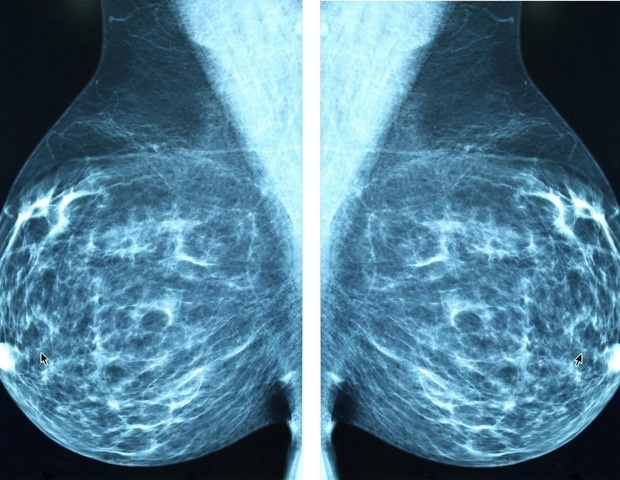
As breast cancer survival rates continue to climb – 4.3 million women in the U.S. are currently living with a history of the disease and in the next 10 years that number is expected to rise by another million – heart health has…
Lily JamaliNorth America Technology Correspondent, San Francisco
 Getty Images
Ahead of Tesla’s annual general meeting (AGM) on Thursday there’s been one key message the electric car-maker has been hammering home to shareholders: the boss is worth $1tn.
It has taken out digital ads to make the case for Elon Musk’s proposed bumper pay package, while Votetesla.com features a video of board chair Robyn Denholm and director Kathleen Wilson-Thompson praising him, as triumphant music crescendos in the background.
It’s not clear that everyone is singing from the same hymn sheet though, meaning the AGM in Austin, Texas is set to become a referendum on Musk himself, after a rightward political turn which has made him one of the most polarising chief executives in recent memory.
Musk himself has taken to X – which he owns – to raise the stakes higher still, saying the fate of Tesla “could affect the future of civilization.”
He’s also used his social media megaphone to amplify some of the deal’s high-profile backers, including Dell Technologies’ Michael Dell, Ark Invest CEO Cathie Wood, and his brother, Kimbal, who sits on the Tesla board.
“There is no one remotely close to my brother,” Kimbal said, extolling his sibling’s leadership qualities.
“Thanks bro ❤️,” Musk replied.
Not everyone agrees.
For some, the focus on Musk and the soap opera around his pay is symptomatic of how the car firm – which has seen sales slide – has lost its way under his leadership.
“What’s amazing to me is a company struggling to sell cars spends money on advertising to sell a pay package,” said Ross Gerber, CEO of Gerber Kawasaki Wealth and Investment Management.
Mr Gerber has pared back his Tesla holdings in recent years – and turned up his criticism of the direction it’s heading in.
“[Tesla] needs to change the focus of the company back to its core – to selling EVs again,” he said.
The deal Tesla wants shareholders to back is not a salary of a one followed by twelve zeroes.
Instead, it sets Musk the target of raising Tesla’s market value to $8.5tn, from $1.4tn at the time of writing.
He would also have to oversee a massive boom in the company’s self-driving “Robotaxi” cars, getting a million of them into commercial operation – no small deal given their underwhelming launch.
Do that, among meeting other benchmarks, and Musk would be given 423.7 million new shares, which would be worth nearly $1tn if the target valuation is reached.
Tesla did not respond to the BBC’s requests for comment about its strategy to garner support from shareholders.
Of course, this is not the first pay controversy Musk and Tesla have become embroiled in.
Previously, Tesla got shareholders to twice ratify a pay package for Mr Musk that was worth tens of billions of dollars if he achieved a tenfold increase in Tesla’s market value.
He met that milestone but, in 2024, a Delaware judge rejected the deal on the grounds that Tesla’s board members were too personally and financially enmeshed with the company’s boss.
The Delaware Supreme Court is reviewing that decision – even as deliberations continue over this even larger pay package.
“The strategy is more of the same from Tesla, which is not to say that this is normal. Nothing about Tesla is normal,” Dorothy Lund, a professor at Columbia Law School told BBC News.
“They’re not a poster child for good corporate governance.”
Professor Lund said get-out-the-vote campaigns like this sometimes take place when a company is worried, for example. about an activist shareholder forcing significant changes to how it operates, such as who is on its board of directors.
“[But] never in my life have I seen something like that happen in the context of a compensation decision,” Professor Lund said.
And unlike the vote on that earlier compensation package, Elon and Kimbal Musk will both get to vote as they push to reach the majority threshold required to seal the deal.
Mr Musk is already the world’s richest man, becoming the first known half-trillionaire earlier this year.
 Getty Images
Tesla’s argument in support of the pay package rests on the idea that Musk might leave the company if shareholders don’t follow the board’s recommendation and approve the pay package.
It says it can’t afford to lose him, and that he “singularly possesses the leadership characteristics necessary to… realize its long-term mission”.
In the video posted to votetesla.com, Ms Wilson-Thompson said the board undertook a seven month process using legal and compensation experts to devise the compensation deal.
On last month’s earnings call, Musk minimised the focus on the payout, saying the real issue was ensuring he had adequate control in order to properly steer Tesla.
But – aside from the question of whether Musk, with his preoccupations with autonomous cars and humanoid robots, is the setting the right course – there is also the matter of whether championing the boss is the board’s job.
“The role of a board is to have fiduciary responsibility to shareholders and not to be advocating for a CEO,” said Yale School of the Environment’s Matthew Kotchen, an economics professor who co-authored a recent study attempting to quantify damage Mr Musk has done to Tesla of late.
It’s clear a number of key decision-makers are unpersuaded the deal represents value for money.
Proxy advisers Glass Lewis and Institutional Shareholder Services (ISS), which advise asset managers on how to vote on major corporate proposals, have recommended investors reject the pay package, saying it’s excessive and would dilute shareholder value.
Norway’s sovereign wealth fund, the world’s largest national wealth fund, has followed suit, as has the largest public pension fund in the US, CalPERS.
New York State Comptroller Thomas DiNapoli has urged investors to also reject directors up for re-election to the board, saying they’ve failed “to provide independent oversight and accountability.”
As some institutions balk, that might leave Mr Musk more reliant on Tesla’s unusually large volume of retail investors – who tend to support him – to get his wish.
It all means, in the words of Morgan Stanley analyst Adam Jonas, that Thursday’s vote is set to be one of “most important events” in Tesla’s history – with a “distinct possibility” the pay package won’t pass.
It doesn’t help Musk’s cause that protesters continue to organise anti-Tesla rallies, months after his controversial turn as US President Donald Trump’s government efficiency tsar crashed and burned in May.
“It’s hard for me to imagine that Elon Musk, in the very near term, shakes off the damage that he’s done to this brand,” said Mr Kotchen.
Others though would say Musk’s extraordinary track record of entrepreneurship would make it unwise to bet against him, even when the sum being staked is as dizzyingly high as $1tn.
“It’s hard to deny that Elon Musk’s larger-than-life personality has helped drive more interest and awareness for his organisation than almost any other corporate leader in the modern era,” said Edmunds’ head of insights Jessica Caldwell.
“He’s become a more polarizing figure over time, but there’s still a belief in his ability to deliver on bold, unconventional ideas,” she added.
The trillion dollar question now is – do Tesla shareholders agree?

 Getty Images
Popular forum site Reddit has been added to Australia’s world-first social media ban for children under 16 that starts next month.
Live-streaming platform…

Researchers have found that women who consume more ultra-processed foods exhibit widespread differences in DNA methylation, suggesting early biological changes that may explain how diet leaves a molecular imprint on health.
Brief…
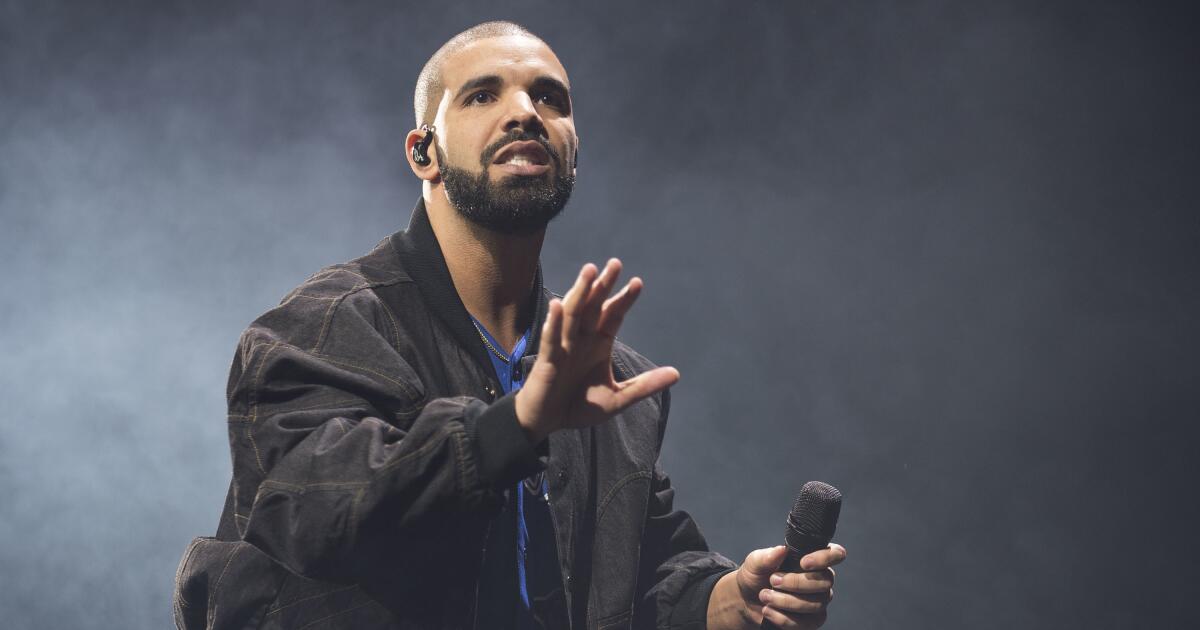
Rapper RBX has sued Spotify, alleging that the Swedish audio company has failed to stop the artificial inflation of music streams for artists like Drake and is hurting the revenue other rights holders receive through the platform.
RBX, whose…