Adviser says armed men stormed his residence in Zintan; death may reshape Libya’s stalled political landscape
Saif al-Islam Gaddafi, a son of Libya’s…

Adviser says armed men stormed his residence in Zintan; death may reshape Libya’s stalled political landscape
Saif al-Islam Gaddafi, a son of Libya’s…


In 2025, the Taliban deepened their repression by intensifying restrictions on the rights of women and girls and adding new regulations to curb media freedom.
Afghanistan’s humanitarian crisis worsened. Large-scale forced returns from…
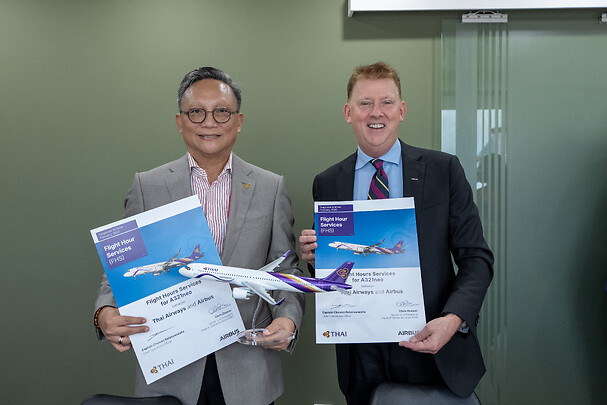
Singapore, 4 February 2026 – Airbus and Thai Airways International (THAI) have strengthened their long-standing partnership with an agreement to extend their FHS component support to cover the airline’s new A321neo fleet, which has progressively been joined THAI operations from 2025.
The long-term agreement covers a wide range of component services, including on-site stock, pool access and component repair services at their main base in Bangkok, Thailand. In addition, THAI will benefit from Airbus’ engineering expertise and dedicated FHS regional representatives, providing close operational support for the airline’s daily maintenance activities and enhancing fleet availability and cost predictability.
THAI’s first FHS agreement came in 2012, signing a component support to cover 20 A320ceo aircraft. The two parties have now agreed to extend the scope of the agreement to include 32 A321neo aircraft, reflecting Thai Airways’ continued confidence in Airbus’ comprehensive and reliable maintenance support solutions.
“Extending our FHS agreement with THAI to support their A321neo fleet demonstrates the strength of our long-standing relationship and our commitment to supporting the airline’s fleet modernisation strategy,” said Anand Stanley, President Airbus Asia-Pacific. “Through comprehensive component support and local engineering presence, we are helping THAI optimise operations as it introduces the next generation of single-aisle aircraft.”
Airbus FHS provides flexible, comprehensive maintenance solutions designed to help airlines maximise fleet performance while minimising total operating costs. Drawing on Airbus’ global expertise, advanced digital capabilities and data-driven insights, FHS enhances operational efficiency and reliability. Airbus FHS is a worldwide leader in Power-by-the-Hour component support, supporting airlines with predictable, long-term maintenance solutions.
@THAI @Airbus #A321neo #FHS

The past seven months have been “unreal” for Will Cartwright, with the young flier going from club rugby in Queensland to shining on the global HSBC SVNS series. A high-flying progression that he has no intention of…
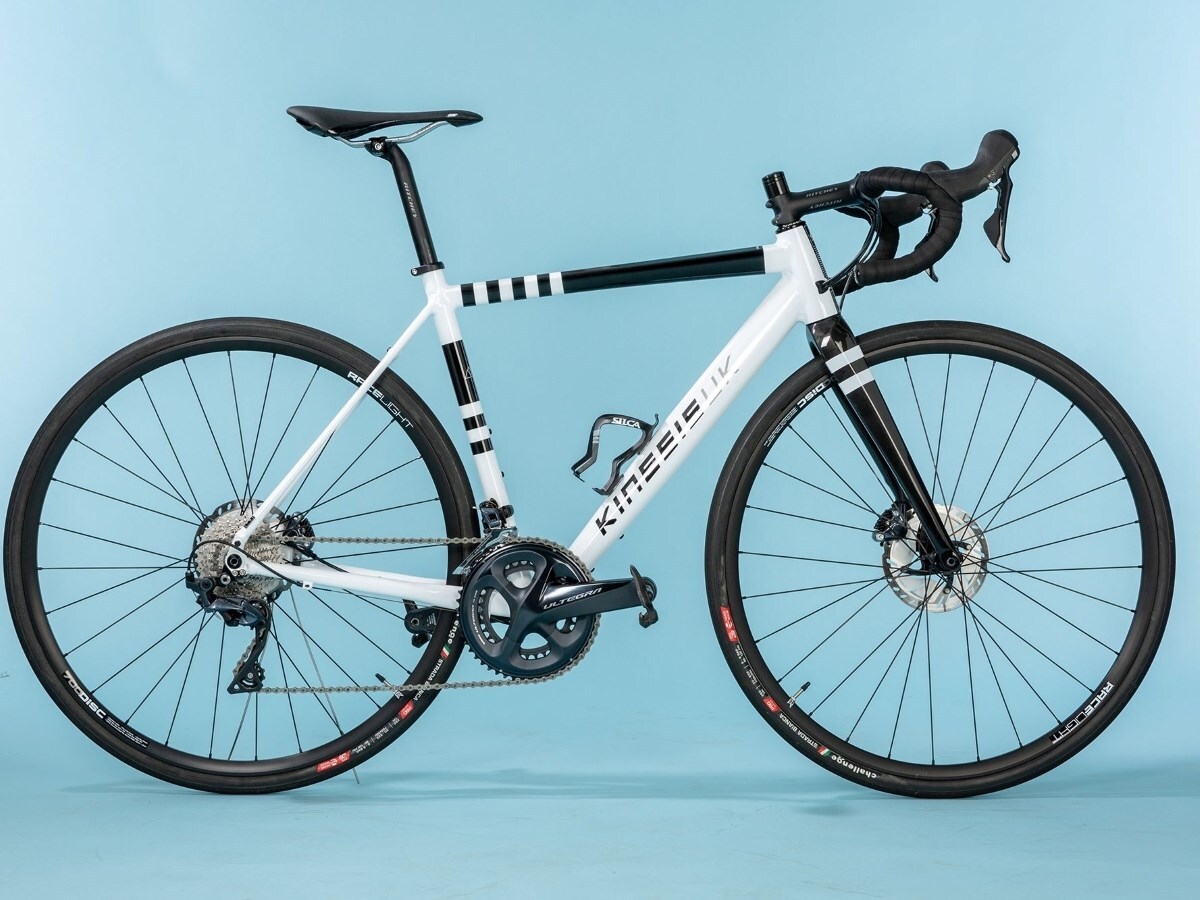
Are you a rider who wants comfort blended with adorability? Then this is your time to read and act. Kinesis, a major Taiwan-based manufacturer specialising in the design and production of high-quality aluminium bicycle frames,…
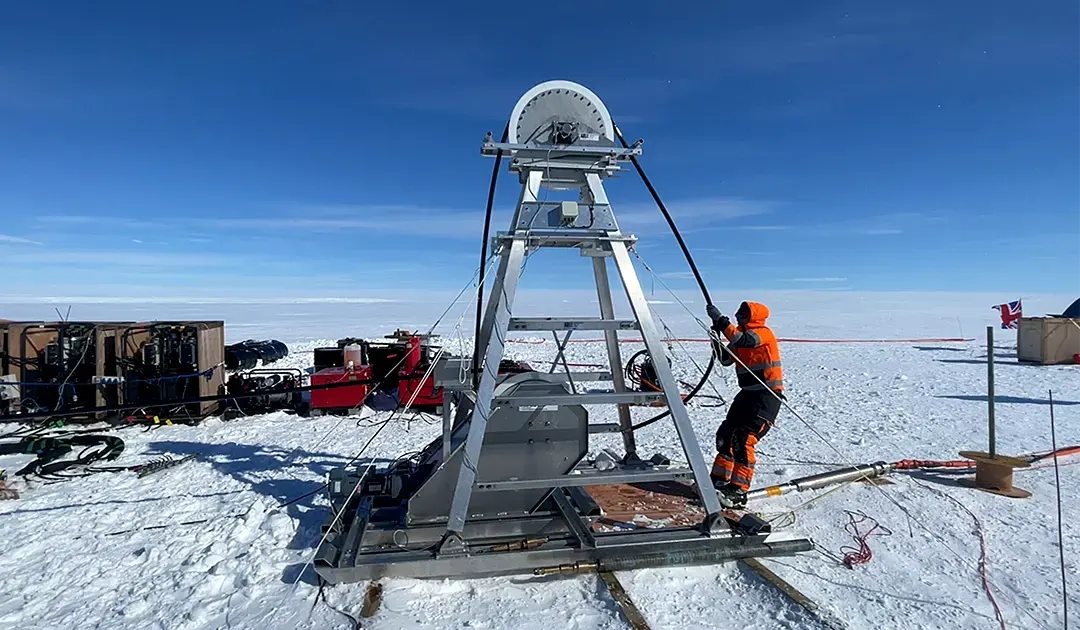

Railway authorities have announced that train services from Quetta to other parts of the country, as well as to Chaman, will remain suspended on Monday due to the prevailing situation in Balochistan.
According to Pakistan Railways, the Bolan…

Tokyo – Mitsubishi Heavy Industries, Ltd. (MHI, TSE Code: 7011) announced that order intake increased 12.6% year-on-year to ¥5,029.1 billion in the three quarters ended December 31, 2025. Revenue rose 9.2% year-on-year to ¥3,326.9 billion, resulting in profit from business activities (business profit) of ¥301.2 billion, a 25.5% increase over the previous fiscal year, which represented a business profit margin of 9.1%. Profit attributable to owners of parent (net income) was ¥210.9 billion, an increase of 22.6% year-on-year, with a net income margin of 6.3%. EBITDA was ¥393.1 billion, a 21.0% increase over Q1-3 FY2024, with an EBITDA margin of 11.8%.
(billion yen, except where otherwise stated)
| Q1-3 FY2025 Financial Results | Q1-3 FY2024 (Note) | Q1-3 FY2025 | YoY | YoY% |
|---|---|---|---|---|
| Order Intake | 4,468.1 | 5,029.1 | +561.0 | +12.6% |
| Revenue | 3,047.0 | 3,326.9 | +279.9 | +9.2% |
|
Profit from Business Activities Profit Margin |
240.1 7.9% |
301.2 9.1% |
+61.1 +1.2 pts |
+25.5% – |
|
Profit Attributable to Owners of Parent Profit Margin |
172.1 5.6% |
210.9 6.3% |
+38.8 +0.7 pts |
+22.6% – |
|
EBITDA EBITDA Margin |
324.9 10.7% |
393.1 11.8% |
+68.1 +1.1 pts |
+21.0% – |
| FCF | -143.7 | 167.6 | +311.4 | – |
(billion yen, except where otherwise stated)
| Q1-3 FY2025 Financial Results by Segment | Order Intake | Revenue | Business Profit | |||
|---|---|---|---|---|---|---|
| Q1-3 FY2025 |
YoY (Note) | Q1-3 FY2025 |
YoY (Note) | Q1-3 FY2025 |
YoY (Note) | |
| Energy Systems (Energy) | 2,857.0 | +889.9 | 1,354.7 | +75.9 | 146.7 | -7.7 |
| Plants & Infrastructure Systems (P&I) | 891.3 | +77.7 | 633.9 | +47.4 | 64.9 | +25.2 |
| Logistics, Thermal & Drive Systems (LT&D) | 444.3 | -46.6 | 437.0 | -27.6 | 18.4 | +1.2 |
| Aircraft, Defense & Space (ADS) | 837.0 | -345.0 | 891.2 | +201.6 | 105.3 | +35.6 |
| Others, Corporate & Eliminations (OC&E) | -0.6 | -15.0 | 9.9 | -17.4 | -34.2 | +6.8 |
| Total | 5,029.1 | +561.0 | 3,326.9 | +279.9 | 301.2 | +61.1 |
In Energy, order intake increased by ¥889.9 billion YoY mainly due to continued strong demand in Gas Turbine Combined Cycle (GTCC). Contracts for 31 large frame gas turbine units—up 15 units YoY—were concluded during Q1-3, the majority of which were from customers in North America and Asia. Revenue increased by ¥75.9 billion YoY; the largest gains were seen in GTCC, which continued to execute its sizeable backlog. Segment business profit decreased by ¥7.7 billion YoY mainly due to one-time expenses in Steam Power, which offset strong performance in GTCC from higher revenue and improved margins.
In P&I, order intake increased by ¥77.7 billion YoY due to the booking of a large project in Engineering. Revenue grew by ¥47.4 billion. Improved margins in Metals Machinery and Machinery Systems helped to raise segment business profit by ¥25.2 billion YoY.
In LT&D, revenue decreased by ¥27.6 billion YoY due to a decline in units sold in Turbochargers and Heating, Ventilation & Air Conditioning (HVAC). Steady performance in Engines on the back of strong demand in Asia, combined with the rebound from one-time expenses associated with a supply chain disruption in Turbochargers during the previous fiscal year, resulted in a ¥1.2 billion YoY increase in segment business profit.
In ADS, order intake decreased by ¥345.0 billion YoY due to a high base effect from large orders booked in Defense & Space during the previous fiscal year. Revenue increased by ¥201.6 billion YoY, mainly in Defense & Space, where steady progress in backlog execution continued. Increased revenue and higher margins in Defense & Space and Commercial Aviation served to increase segment business profit by ¥35.6 billion YoY.
FY2025 Earnings Forecast
MHI revised its guidance for the period ending March 31, 2026, increasing the forecasts for order intake, business profit, net income, EBITDA, and FCF over the previous announcement made November 7, 2025, based on stronger-than-anticipated performance through Q3. The full-year dividend forecast of 24 yen per share was unchanged.
(billion yen, except where otherwise stated)
| FY2025 Earnings Forecast | FY2024 Actual (Note) |
FY2025 Forecast (Previous) |
FY2025 Forecast (Revised) |
Revised vs. Previous |
|---|---|---|---|---|
| Order Intake | 6,405.1 | 6,100.0 | 6,700.0 | +600.0 |
| Revenue | 4,361.1 | 4,800.0 | 4,800.0 | – |
|
Profit from Business Activities Profit Margin |
354.9 8.1% |
390.0 8.1% |
410.0 8.5% |
+20.0 +0.4 pts |
|
Profit Attributable to Owners of Parent Profit Margin |
245.4 5.6% |
230.0 4.8% |
260.0 5.4% |
+30.0 +0.6 pts |
| ROE | 10.7% | 10% | 10% | – |
|
EBITDA EBITDA Margin |
469.9 10.8% |
510.0 10.6% |
530.0 11.0% |
+20.0 +0.4 pts |
| FCF | 342.7 | 0.0 | 200.0 | +200.0 |
| Dividends | 23 yen | 24 yen | 24 yen | – |
(billion yen, except where otherwise stated)
| FY2025 Earnings Forecast by Segment | Order Intake | Revenue | Business Profit | |||
| Previous | Revised | Previous | Revised | Previous | Revised | |
|---|---|---|---|---|---|---|
| Energy | 3,200.0 | 3,600.0 | 2,000.0 | 2,000.0 | 240.0 | 240.0 |
| P&I | 900.0 | 1,100.0 | 850.0 | 850.0 | 70.0 | 80.0 |
| LT&D | 600.0 | 600.0 | 600.0 | 600.0 | 20.0 | 20.0 |
| ADS | 1,400.0 | 1,400.0 | 1,350.0 | 1,350.0 | 140.0 | 140.0 |
| OC&E | 0.0 | 0.0 | 0.0 | 0.0 | -80.0 | -70.0 |
| Total | 6,100.0 | 6,700.0 | 4,800.0 | 4,800.0 | 390.0 | 410.0 |
CFO Message
“In the first three quarters of this fiscal year, we continued to build on the strong performance I shared with you in our last release, with all major financial indicators up year-on-year, especially order intake and business profit,” MHI Chief Financial Officer Hiroshi Nishio commented. Nishio continued, “Looking at individual businesses, GTCC drove strong order intake performance, booking 31 large frame gas turbine units mainly in North America and Asia. Demand for gas turbines remains high, particularly in the U.S., as communicated previously. Revenue was up especially in GTCC and Defense & Space, which are both executing some of the largest backlogs ever seen in our history. We also achieved remarkable growth in business profit as we offset one-time expenses in Steam Power with success in other businesses.”
“On the back of this excellent progress through Q3,” Nishio went on, “we have made upward revisions to our full-year order intake, business profit, net income, and FCF guidance. We are entering the final stretch of this fiscal year with renewed confidence, leveraging our historically high backlog to grow profit while continuing to win new orders—the source of future earnings expansion. As we aim to meet these updated targets, we ask our shareholders and other stakeholders to look forward to our next release later this year.”
Attachment 1: Q1-3 FY2025 Financial Results
Attachment 2: Presentation Materials of Financial Results
Downloadable PDF of this press release
Note regarding forward looking statements:
Forecasts regarding future performance outlined in these materials are based on judgments made in accordance with information available at the time they were prepared. As such, these projections include risk and uncertainty. Investors are recommended not to depend solely on these projections when making investment decisions. Actual results may vary significantly from these projections due to a number of factors, including, but not limited to, economic trends affecting the Company’s operating environment, fluctuations in the value of the Japanese yen to the U.S. dollar and other foreign currencies, and trends in Japan’s stock markets. The results projected here should not be construed in any way as a guarantee by the Company.
In response to U.S. tariff policy, the Company is pursuing mitigation strategies focused on cost passthroughs. As of the date of this release, the Company expects any impact on performance to be limited in nature.