Author: admin

  • Methane Regulator-to-Regulator Network | Climate & Clean Air Coalition

    Methane Regulator-to-Regulator Network | Climate & Clean Air Coalition

    The Methane Regulator-to-Regulator (MR2R) Network is a peer-to-peer platform created by the Climate and Clean Air Coalition (CCAC) and the International Energy Agency (IEA) to help fossil fuel regulators share experience, develop best practices, and strengthen methane regulation through trusted collaboration.


    About the Network

    The Methane Regulator-to-Regulator (MR2R) Network is designed for government regulators responsible for methane emissions from the oil, gas, and coal sectors. As countries implement commitments under the Global Methane Pledge and respond to rising expectations for low-emissions energy, regulators are increasingly required to design and enforce new methane frameworks, often with limited access to peers or tested regulatory models.

    The MR2R Network, established by the Climate and Clean Air Coalition (CCAC) and the International Energy Agency (IEA) through the CCAC Fossil Fuel Hub and the IEA’s Global Methane Engagement Programme, provides a trusted, closed-door environment where regulators can connect, learn, and collaborate. The network complements the Fossil Fuel Regulatory Programme (FFRP) and builds on the IEA’s regional roundtables by focusing specifically on practical regulatory exchange.

    Through MR2R, regulators can engage in continuous dialogue with peers at different stages of the regulatory journey, share real-world experiences, discuss challenges, and co-develop solutions to accelerate the effective design and implementation of methane regulations. The network supports regulators through activities such as annual in-person meetings, technical webinars, mentorships, panel participation, co-authored publications, and a rapid peer-support hotline, enabling members to strengthen regulatory capacity and leadership in methane abatement.  


    About the CCAC and IEA

    The Climate and Clean Air Coalition (CCAC) is a global partnership working to reduce short-lived climate pollutants, including methane, in order to protect the climate and improve air quality.

    The International Energy Agency (IEA) is the world’s leading authority on global energy data, analysis, and policy.

    The MR2R Network is jointly delivered by the CCAC Fossil Fuel Hub and the IEA’s Global Methane Engagement Programme. CCAC leads coordination with governments and alignment with the Fossil Fuel Regulatory Programme (FFRP), while the IEA provides technical analysis, regulatory expertise, and support through its existing regulatory roundtables. Together, they co-convene the network, support its activities, and ensure it delivers practical value to participating regulators.


    Continue Reading

  • Two terrorists killed in an exchange of fire with Police in Bannu – RADIO PAKISTAN

    1. Two terrorists killed in an exchange of fire with Police in Bannu  RADIO PAKISTAN
    2. Gunmen kill 4 members of peace committee in KP’s Bannu  Dawn
    3. Police repel militant attack on Bannu post  The Express Tribune
    4. Four peace commitee members killed in…

    Continue Reading

  • Technology Priorities

    Technology Priorities

    As NASA prepares for long-duration missions to the Moon that will pave the way for human exploration on Mars, the agency is tapping into America’s expanding space economy to help guide its strategic technology investments. This initiative, led…

    Continue Reading

  • Hubble Spies Stellar Blast Setting Clouds Ablaze

    Hubble Spies Stellar Blast Setting Clouds Ablaze

    Explore Hubble

    • Hubble Home
    • Overview
    • Impact & Benefits
    • Science
    • Observatory
    • Team
    • Multimedia
    • News
    • More

    Jets of ionized gas streak across a cosmic landscape from a newly forming star.

    NASA, ESA, and B. Reipurth (Planetary…

    Continue Reading

  • People put off giving CPR by unrealistic TV depictions, researchers say | Health

    People put off giving CPR by unrealistic TV depictions, researchers say | Health

    Cardiopulmonary resuscitation (CPR) is a dramatic intervention, but researchers say TV portrayals are often misleading – potentially influencing whether viewers feel able to carry it out themselves.

    According to the British Heart Foundation…

    Continue Reading

  • Mattel adds an autistic Barbie to doll line devoted to showcasing diversity and inclusion

    Mattel adds an autistic Barbie to doll line devoted to showcasing diversity and inclusion

    NEW YORK — Mattel Inc. is introducing an autistic Barbie on Monday as the newest member of its line intended to celebrate diversity, joining a collection that already includes Barbies with Down syndrome, a blind Barbie, a Barbie and a Ken with…

    Continue Reading

  • Pakistan confers second-highest civilian award on Saudi commerce minister for strengthening ties

    Pakistan confers second-highest civilian award on Saudi commerce minister for strengthening ties


    RIYADH: Experts from more than 50 international and local organizations in education, employment, and artificial intelligence will gather in Riyadh from Jan. 28-29 for the International Conference on Data and AI Capacity…

    Continue Reading

  • Maine’s first state law to regulate light pollution and protect dark skies goes into effect this year

    Maine’s first state law to regulate light pollution and protect dark skies goes into effect this year

    A new state law would require outdoor lighting across Maine to be dimmed at night in an effort to protect the state’s wildlife and dark skies.

    Maine Audubon’s Francesca Gundrum said the measure helps…

    Continue Reading

  • Vaccines and Their Role in Natural Immunity

    Vaccines and Their Role in Natural Immunity

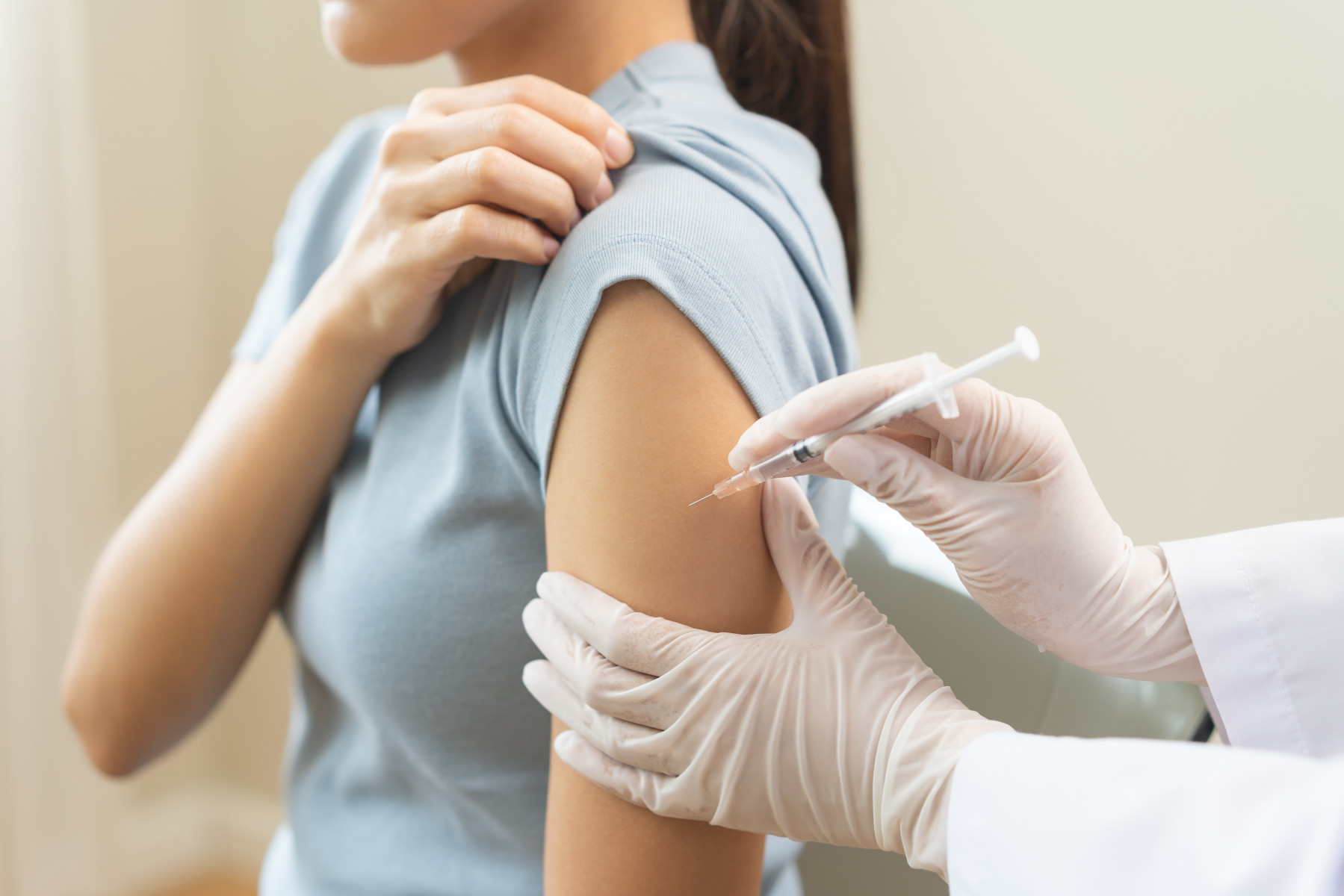
    For many adults, especially those who grew up in an era when measles, chickenpox or the flu were simply “childhood illnesses,” it can feel natural to believe that getting sick is how the body builds strong immunity.

    While…

    Continue Reading

  • Why don’t planets fall into the stars they orbit?

    Why don’t planets fall into the stars they orbit?

    From the January 2026 issue

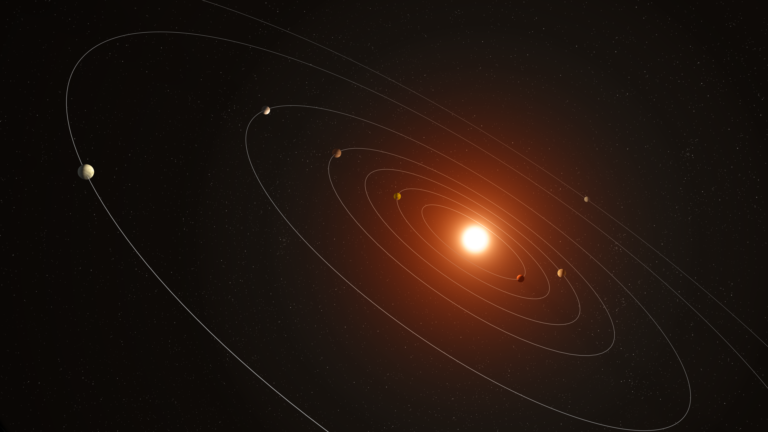
    The planets are moving fast enough and at a great enough distance that the Sun will never intersect with their orbital path.