Author: admin

  • ‘Stark warning’: pesticide harm to wildlife rising globally, study finds | Pesticides

    ‘Stark warning’: pesticide harm to wildlife rising globally, study finds | Pesticides

    Ecological harm from pesticides is growing globally, a study has found, with bugs, fish, pollinators and land-based plants among six species groups hit hardest.

    Insects suffered the greatest increase in harm from synthetic farm chemicals between 2013 and 2019, the study shows, with “applied” toxicity rising by 42.9%, followed by soil organisms, which faced an increase of 30.8%.

    Aquatic plants and land-based vertebrates were the only two groups for which the danger fell.

    World leaders promised to halve the risks from pesticides by the end of the decade at a 2022 UN summit. Last year, the UN adopted an indicator of progress known as total applied toxicity (TAT), which factors in the different levels of harm that chemicals cause different species.

    To monitor progress toward the biodiversity pledge, the researchers used the TAT framework and safety thresholds from seven regulatory authorities around the world to develop a globally consistent measure of damage from 625 pesticides.

    Jakob Wolfram, an ecotoxicologist at RPTU University Kaiserslautern-Landau and lead author of the study, said he was “highly concerned” by the trend, especially in developing countries and regions with high biodiversity.

    “It should be a stark warning that applied toxicities are still increasing in many regions, particularly for species groups that serve vital ecological functions,” he said.

    The study, which examined 65 countries representing almost 80% of farmland on the planet, found total applied toxicity fell in Europe, which began to phase out neonicotinoids in 2013, and China, which introduced a zero-growth-pesticide policy in 2015.

    However, toxicity increased considerably in much of Africa, India, the US, Brazil and Russia. Chile is the only country on track to meet the UN target of reducing pesticide risk by 50% by 2030, the study found.

    Insects have suffered the greatest increase in harm from synthetic farm chemicals between 2013 and 2019, the study shows. Photograph: Sean Gallup/Getty Images

    Mónica Martínez Haro, a wildlife toxicologist at Spain’s National Research Council, who was not involved in the study, described the research as “highly relevant and high-quality” but said the results may be partly underestimated given limitations in the data.

    She said pesticides were designed to act lethally on target organisms but could also act “sub-lethally and silently” on other organisms, masking some of their effects on ecological health.

    Martínez Haro said: “This is a key study that highlights the urgent need for substantial measures at a global level – such as agricultural diversification, less intensive soil management, greater conversion to organic farming, and the switch to less toxic pesticides – if the United Nations’ goal of safeguarding biodiversity is to be achieved.”

    Synthetic chemicals that kill pests have increased the productivity of farmland, allowing more food to be grown on the same area, but have harmed the ecosystems in which they are used.

    The researchers studied 2013 to 2019 because it had the best global data coverage, but said applied toxicity had probably continued to rise as pesticide application trends have continued. Farmers around the world spray about 4m tons of pesticides each year, nearly double what they did in the 1990s.

    Wolfram said the global rise in applied toxicities of pesticides for most species groups suggested that ecosystems had become “increasingly impaired” by pesticides. “[This] directly counteracts the risk reduction target set out by the UN’s Global Biodiversity Framework.”

    While the new tool allowed the world to gauge progress towards the target, Wolfram added, the pesticide application data needed was sparsely available for most countries, and often of insufficient quality. “One central call from our study is that long-term, high-quality data is needed globally to assess the current status and trends of applied toxicities.”


    Continue Reading

  • Streaming-Only Super Bowl Commercials Open New Tier for Marketers With Fewer Dollars for Big Game

    Streaming-Only Super Bowl Commercials Open New Tier for Marketers With Fewer Dollars for Big Game

    While other Super Bowl sponsors like Instacart, Pringles and Bud Light will trot out famous faces like Ben Stiller, Sabrina Carpetner and Post Malone, Tecovas will do nothing of the sort.

    Instead, the small leather-apparel company will run…

    Continue Reading

  • Touchscreens, OLED, and M6 Chips: Apple’s Bold MacBook Pro Overhaul Takes Shape – TechRepublic

    1. Touchscreens, OLED, and M6 Chips: Apple’s Bold MacBook Pro Overhaul Takes Shape  TechRepublic
    2. M5 Pro and M5 Max MacBook Pro Launch Imminent as Reseller Stock Dwindles  MacRumors
    3. Apple’s latest software moves hint at a powerful surprise just…

    Continue Reading

  • India game not in our control, it’s government’s decision: Pakistan skipper Salman Agha

    India game not in our control, it’s government’s decision: Pakistan skipper Salman Agha

    Echoing his cricket board’s stance, Pakistan skipper Salman Ali Agha on Thursday stressed that the decision to boycott the T20 World Cup match against India was taken by their government and was “not in our control”.

    Pakistan on Sunday announced a…

    Continue Reading

  • Research Unveils Rare Deep Earthquake Activity

    Research Unveils Rare Deep Earthquake Activity

    Stanford researchers have created the first-ever global map of a rare earthquake type that occurs not in Earth’s crust but in our planet’s mantle, the layer sandwiched between the thin crust and Earth’s molten core. The new map will…

    Continue Reading

  • Iran's foreign minister heads to Muscat for nuclear talks with US – Reuters

    1. Iran’s foreign minister heads to Muscat for nuclear talks with US  Reuters
    2. US and Iran agree to hold nuclear talks in Oman on Friday  BBC
    3. Iran-US talks  Dawn
    4. Mediators propose framework for crucial Iran-US talks this week  Al Jazeera
    5. Pakistan’s…

    Continue Reading

  • Access Denied


    Access Denied

    You don’t have permission to access “http://www.olympics.com/en/milano-cortina-2026/news/winter-olympics-2026-freeskiing-slopestyle-alex-hall-not-here-defend-title-here-to-ski/” on this server.

    Reference…

    Continue Reading

  • AI Learns Best When Maximising Data Diversity, New Theory Confirms

    AI Learns Best When Maximising Data Diversity, New Theory Confirms

    Researchers have increasingly applied von Neumann entropy (VNE) as a spectral measure of diversity within machine learning, yet a robust theoretical framework mirroring the classical maximum entropy principle has remained elusive. Youqi Wu and…

    Continue Reading

  • Reprogrammed neutrophils promote tumor growth

    Reprogrammed neutrophils promote tumor growth

    Predicting tumor progression is one of the major challenges in oncology. Scientists at the University of Geneva (UNIGE) and the Ludwig Institute for Cancer Research have discovered that neutrophils, a type of immune cell, undergo…

    Continue Reading

  • Today in Energy – U.S. Energy Information Administration (EIA)

    Today in Energy – U.S. Energy Information Administration (EIA)

    Filter by article type:


    In-brief analysis

    Feb 5, 2026


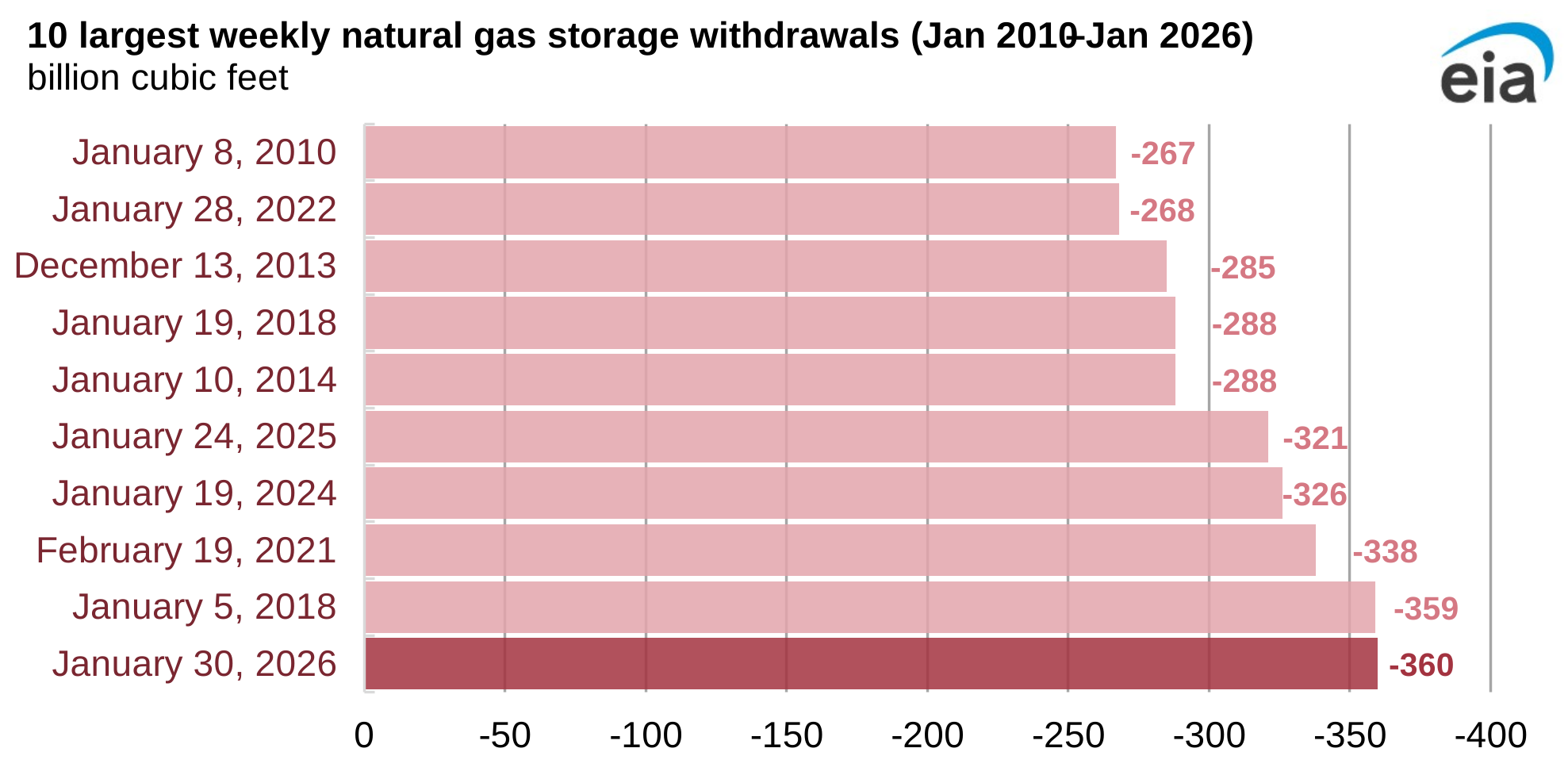
    Working natural gas stocks fell 360 billion cubic feet (Bcf) in the Lower 48 states for the week ending January 30, 2026, amid Winter Storm Fern—the largest weekly net withdrawal reported in the history of the Weekly Natural Gas Storage Report. The withdrawal exceeded the five-year average for the same week by 89% (170 Bcf). The large withdrawals resulted from increased heating demand for natural gas and natural gas production curtailments because of severe winter weather. Working gas stocks are now 1.1% below the five-year average for this time of year.

    Read More ›


    In-brief analysis

    Feb 2, 2026


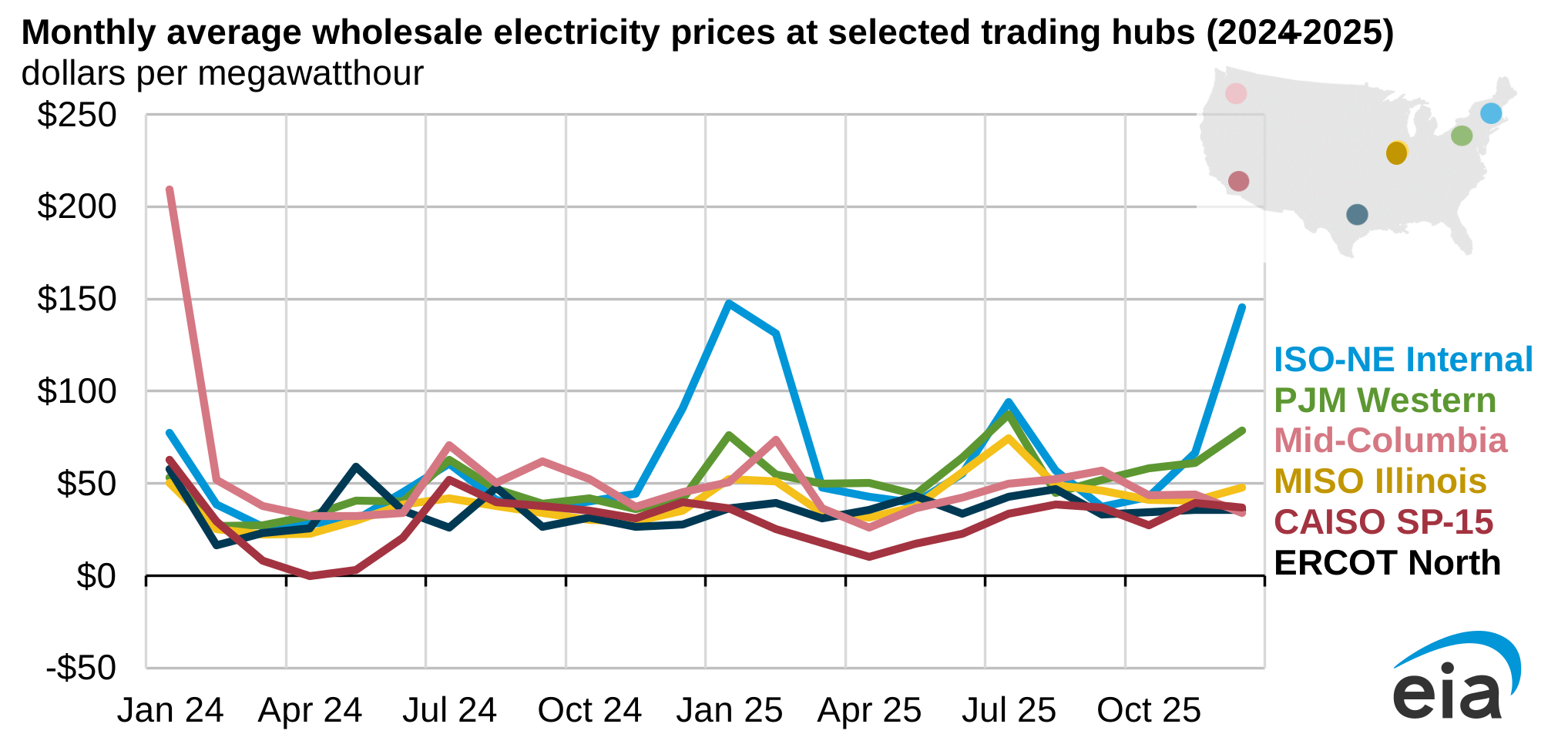
    monthly average wholesale electricity prices at selected trading hubs


    Data source: U.S. Energy Information Administration estimates, based on Hitachi Velocity Suite


    Average wholesale day-ahead electricity prices at most major trading hubs in the Lower 48 states were higher in 2025 than in 2024, driven largely by higher natural gas prices to electric generators. The largest increase in price was $29 per megawatthour (MWh) in New England’s Independent System Operator (ISO-NE), and the largest decrease was $14/MWh in the upper Northwest’s Mid-Columbia.

    Read More ›


    In-brief analysis

    Jan 30, 2026


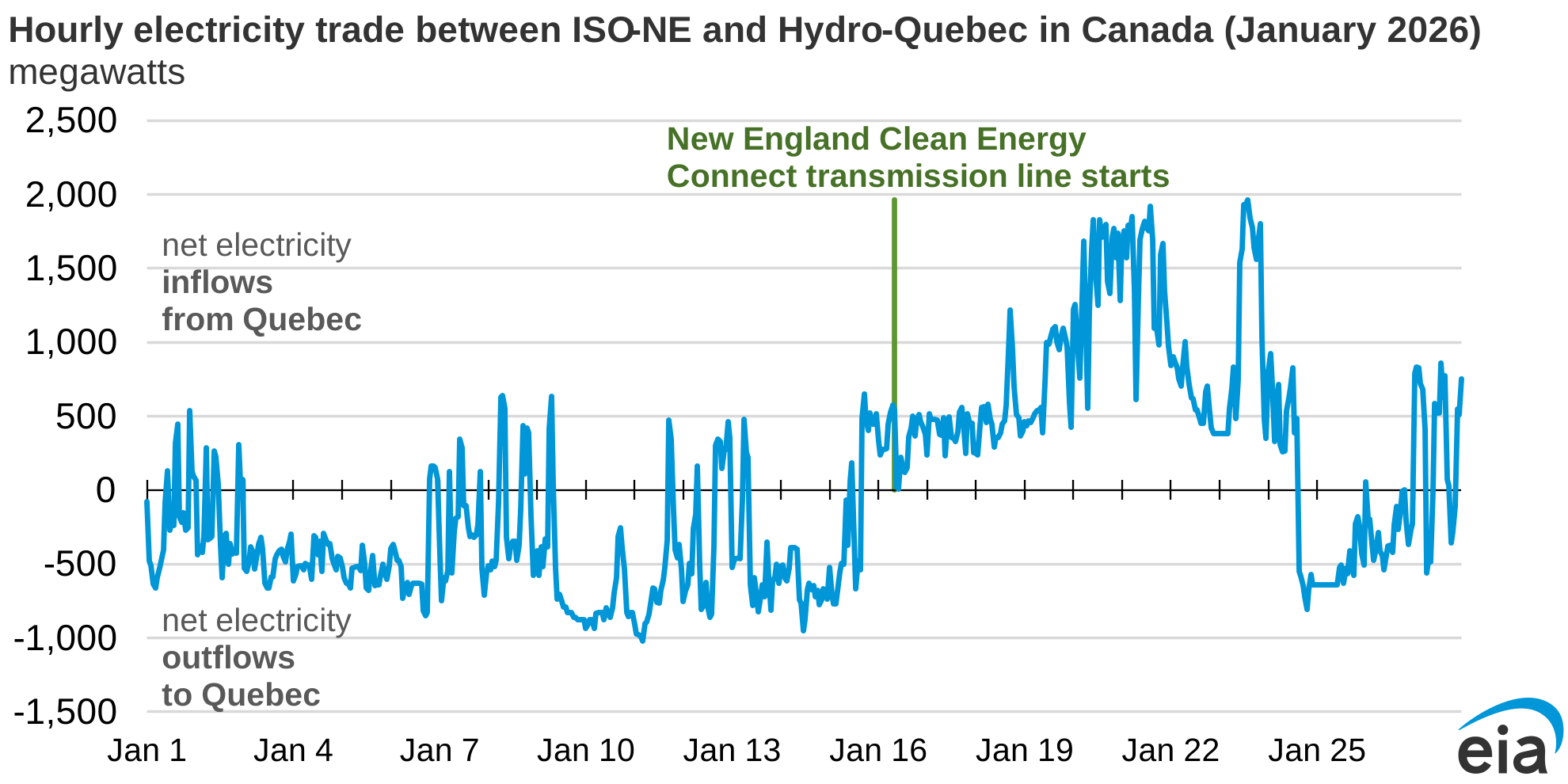
    hourly electricity trade between ISO-NE and Hydro-Quebec in Canada


    Data source: U.S. Energy Information Administration, Hourly Electric Grid Monitor
    Note: Data show net electricity inflows and outflows for the hours beginning at midnight January 1, 2026, to 11:00 p.m. on January 27, 2026, eastern time. Hydro-Quebec trade flows occur at these interfaces: Highgate, Phase 2, and the New England Clean Energy Connect.


    Over the past few years, Independent System Operator-New England (ISO-NE) has relied less on Canada for electricity. On January 16, 2026, the New England Clean Energy Connect (NECEC), a 1,200 megawatt (MW) transmission line project, began commercial operation. The new high-voltage direct current NECEC transmission line is primarily intended to increase the amount of hydroelectric power exported from Canada to New England. However, during Winter Storm Fern, New England exported more electricity to Canada than it imported.

    Read More ›


    In-brief analysis

    Jan 29, 2026


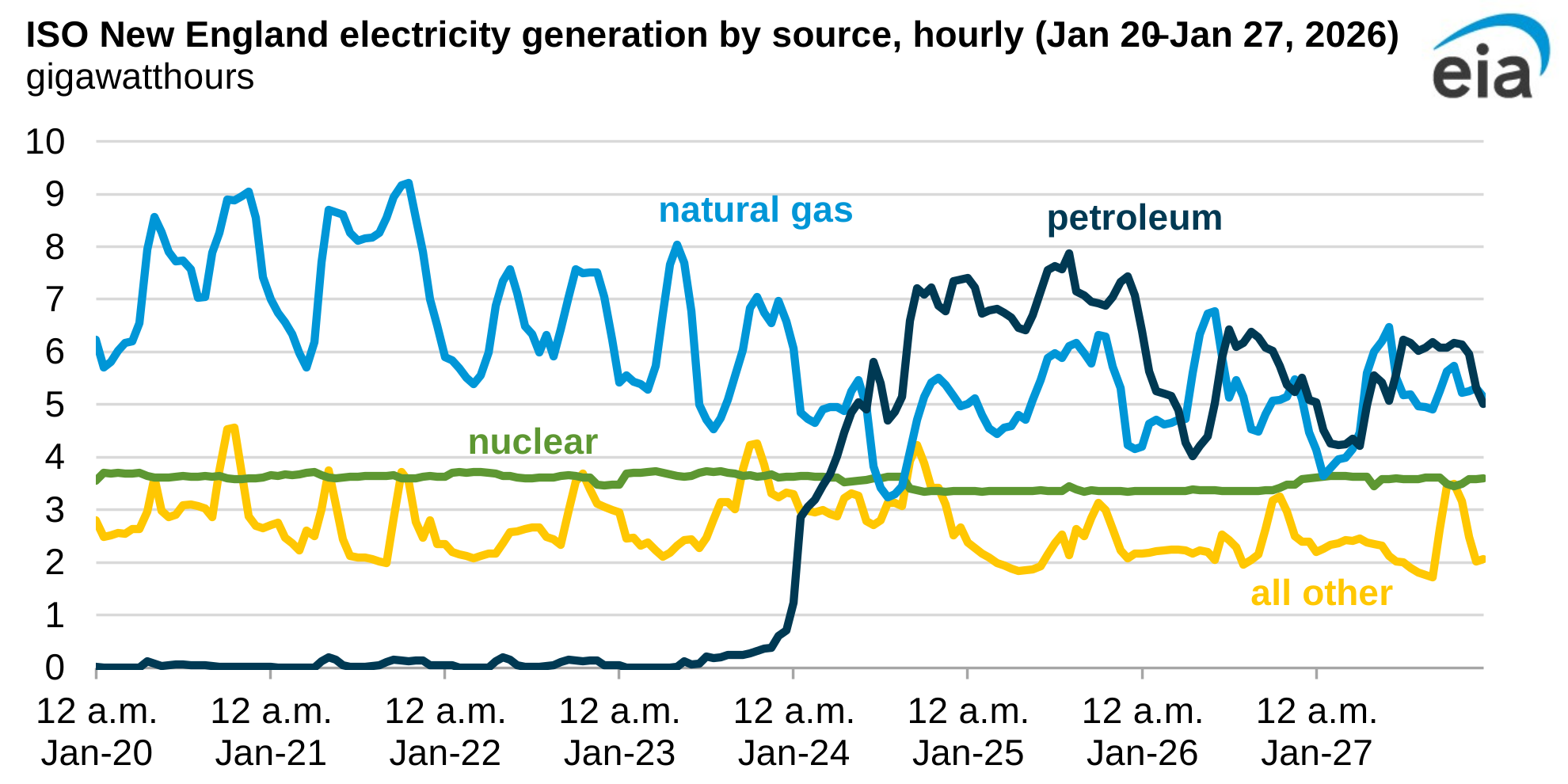
    ISO New England electricity generation by source


    Data source: U.S. Energy Information Administration, Hourly Electric Grid Monitor


    Although petroleum accounts for less than 1% of total U.S. utility-scale electric power generation, regions such as New England rely on oil-fired units during winter periods when cold weather creates high demand. When Winter Storm Fern affected New England this week, petroleum was the predominant energy source starting around midday on January 24 and lasting until early morning on January 26. Since then, petroleum and natural gas have been fluctuating as the primary energy source.

    Read More ›


    In-brief analysis

    Jan 28, 2026


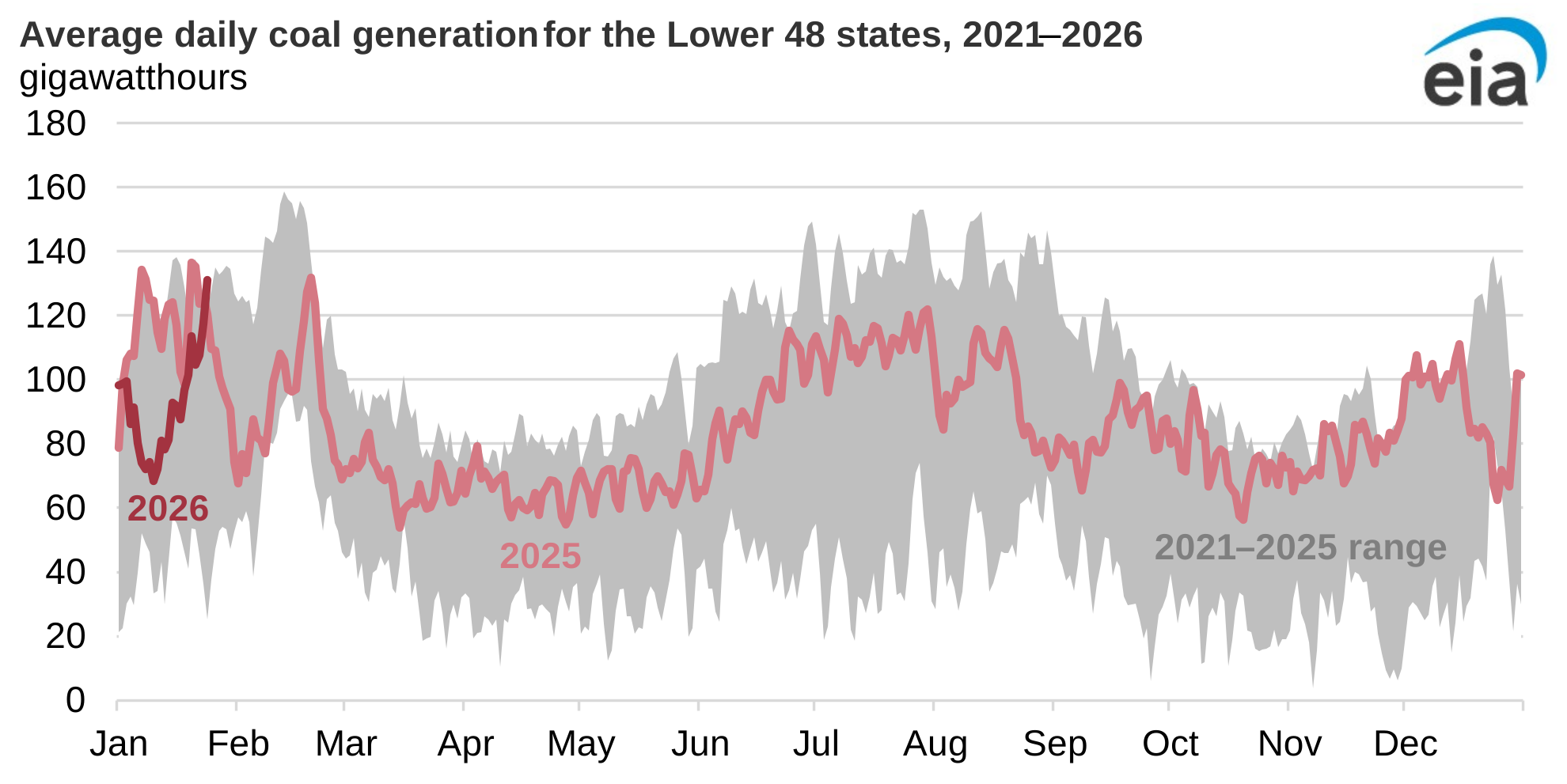
    average daily coal generation for the lower 48 states


    Data source: U.S. Energy Information Administration


    In the week ending January 25, 2026, as Winter Storm Fern affected significant portions of the country, coal-fired electricity generation in the Lower 48 states increased 31% from the previous week. The increase contrasts with coal use in the earlier part of January, which had milder weather and consequently lower coal-fired generation compared with the same period in 2025.

    Read More ›


    In-brief analysis

    Jan 27, 2026


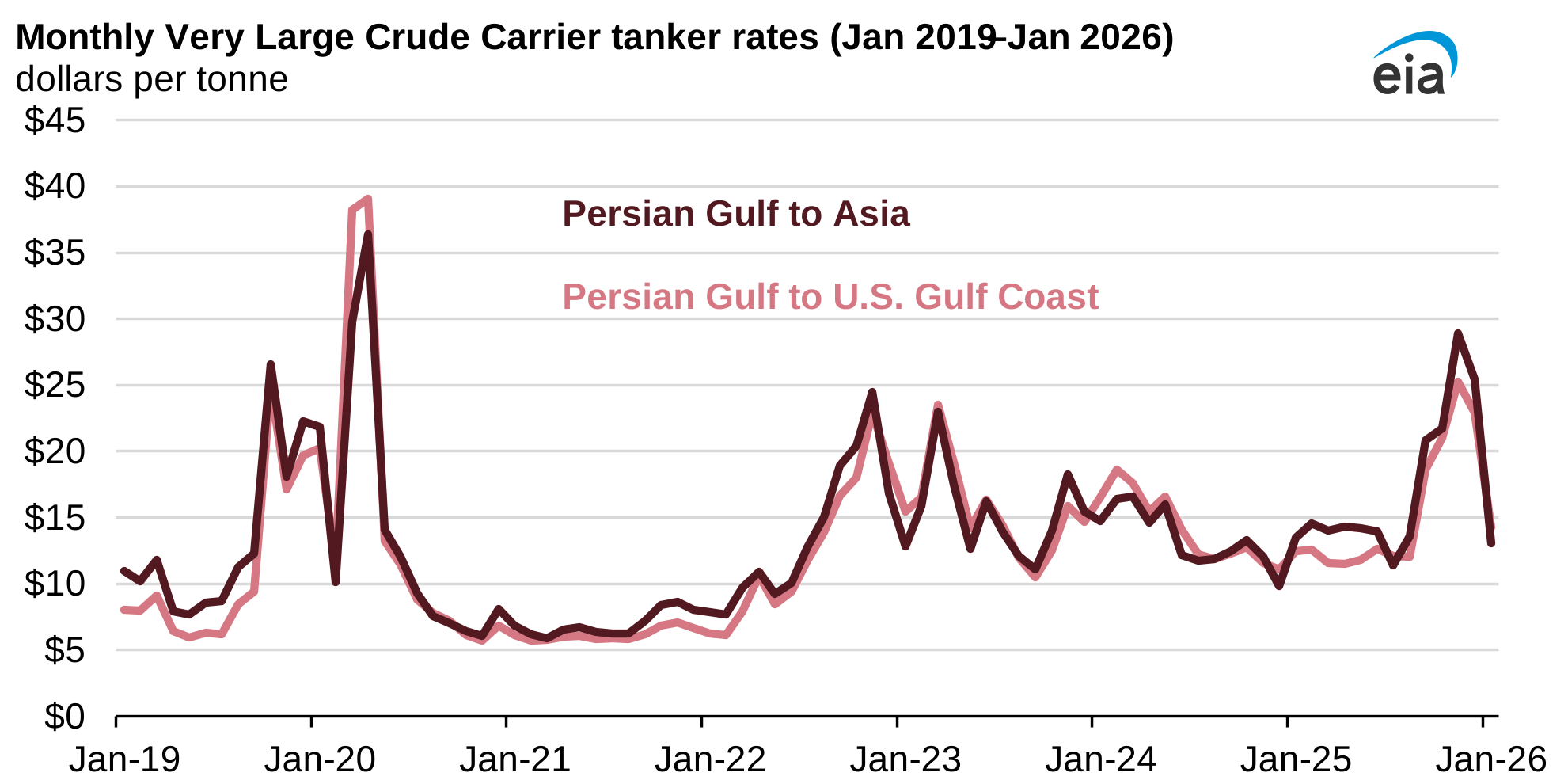
    monthly very large crude carrier tanker rates


    Data source: Argus Freight


    Shipping rates for crude oil tankers were at multi-year highs at the end of 2025 before falling in early 2026. Rates climbed in the fall of 2025 because of increased demand for crude oil shipments, particularly from buyers in East Asia, limiting the number of vessels available for bookings. In this analysis, we look at several key global tanker routes for Very Large Crude Carriers (VLCCs) and Suezmax tankers, including the Persian Gulf-to-Asia route and the U.S. Gulf Coast-to-Europe route.

    Read More ›


    In-brief analysis

    Jan 26, 2026


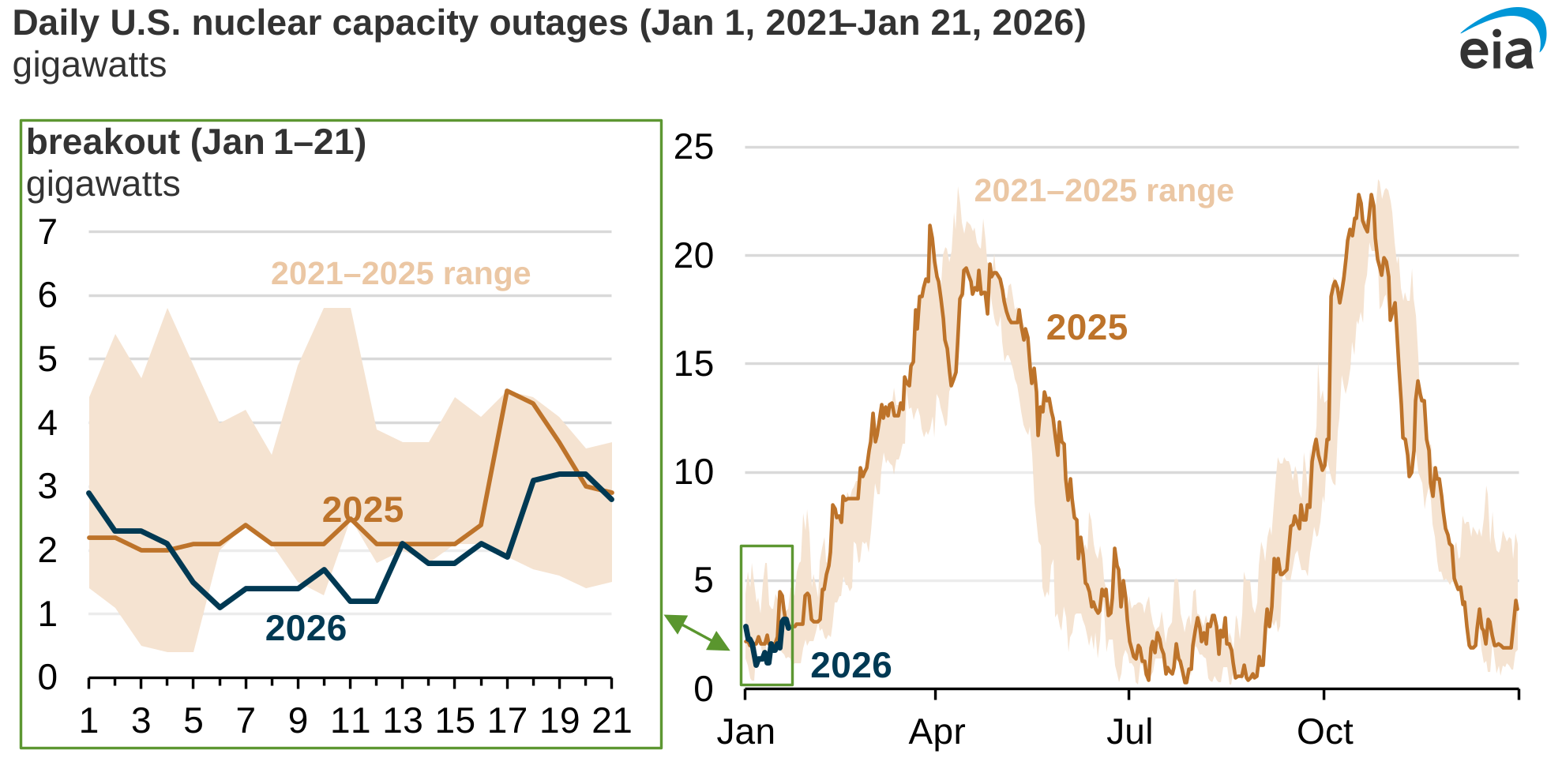
    daily U.S. nuclear capacity outages


    • Between January 1, 2026, and January 21, 2026, nuclear power plant outages averaged 2.0 gigawatts (GW), 20% less than in the same period in 2025 and below the previous five-year range (2021–25) for 7 out of 21 days.

    • Data from our Status of U.S. Nuclear Outages dashboard indicate that nuclear power plant outages in the United States fell to 1.1 GW on January 6, 2026, the lowest since September 2, 2025, and 1.0 GW below the outages on January 6, 2025.

    • A large portion of current outages are from the Palisades Nuclear Plant in Michigan, which is in the process of restarting. In March 2025, the U.S. Department of Energy approved a loan to support restarting Palisades, and on September 9, 2025, the Nuclear Regulatory Commission changed the status of the Palisades plant from decommissioning to restarting. The Palisades plant has been operating at 0% since then, and we count it as an outage in our Status of U.S. Nuclear Outages dashboard. On January 6, 2026, the Palisades plant outage accounted for nearly three-quarters of the total U.S. nuclear outages.

    • Nuclear power plants in the United States typically serve base load electricity demand, which occurs more or less continuously throughout the day and across seasons.

    • Nuclear power plants undergo both planned outages, usually for maintenance and refueling, and unplanned outages, which include weather-related disruptions and early retirements. Planned nuclear power plant outages are seasonal with higher outages in the spring and fall, when electricity demand declines.

    Read More ›


    In-brief analysis

    Jan 23, 2026


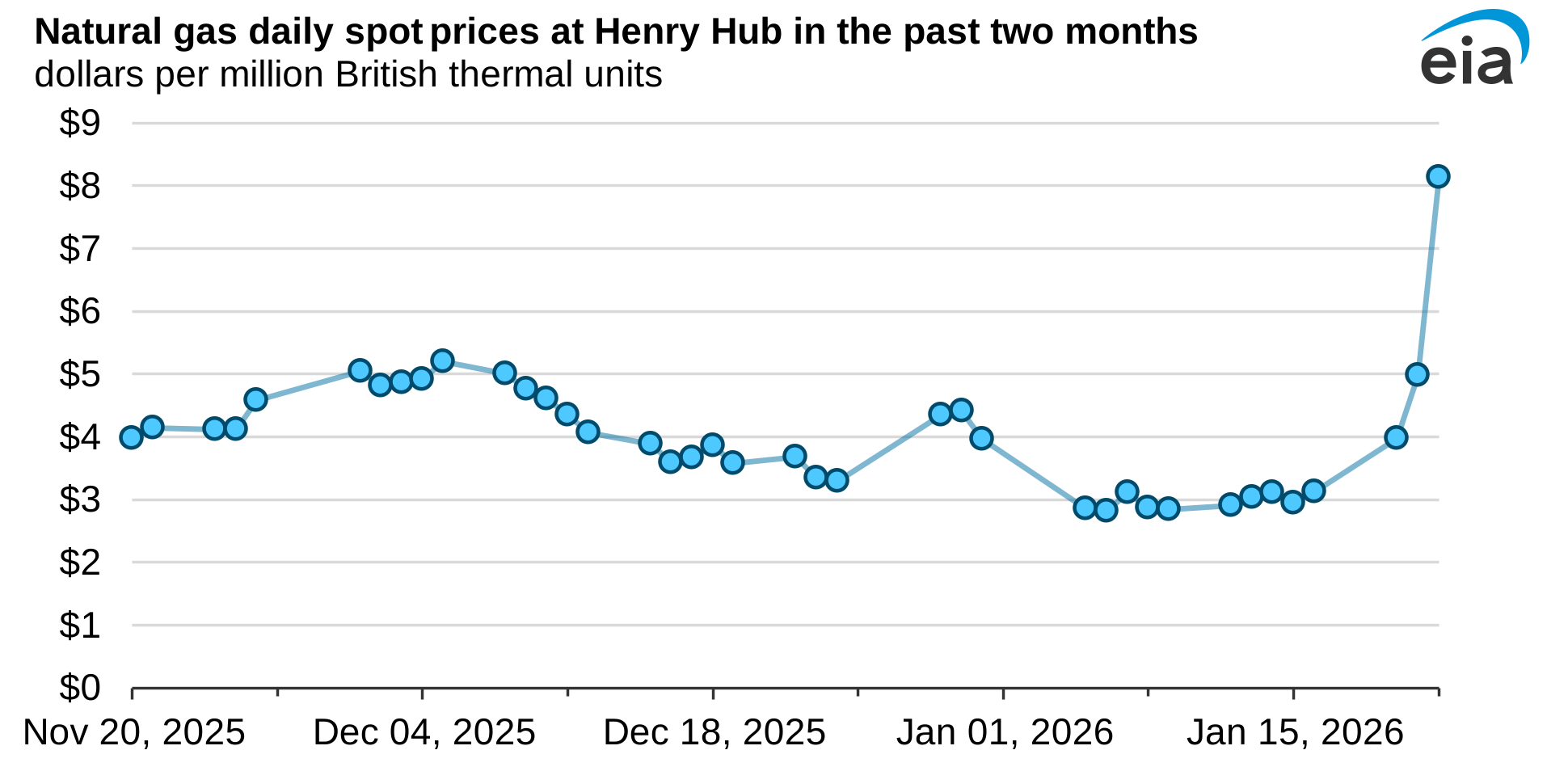
    natural gas daily spot prices at Henry Hub in the past two months


    Data source: U.S. Energy Information Administration and Natural Gas Intelligence


    Natural gas daily spot prices at the benchmark Henry Hub rose sharply over the past week, reaching nearly $8.15 per million British thermal units on January 22 as colder weather increased demand for space heating across the country. Higher wholesale natural gas prices generally contribute to higher wholesale electricity prices.

    Read More ›


    In-brief analysis

    Jan 22, 2026


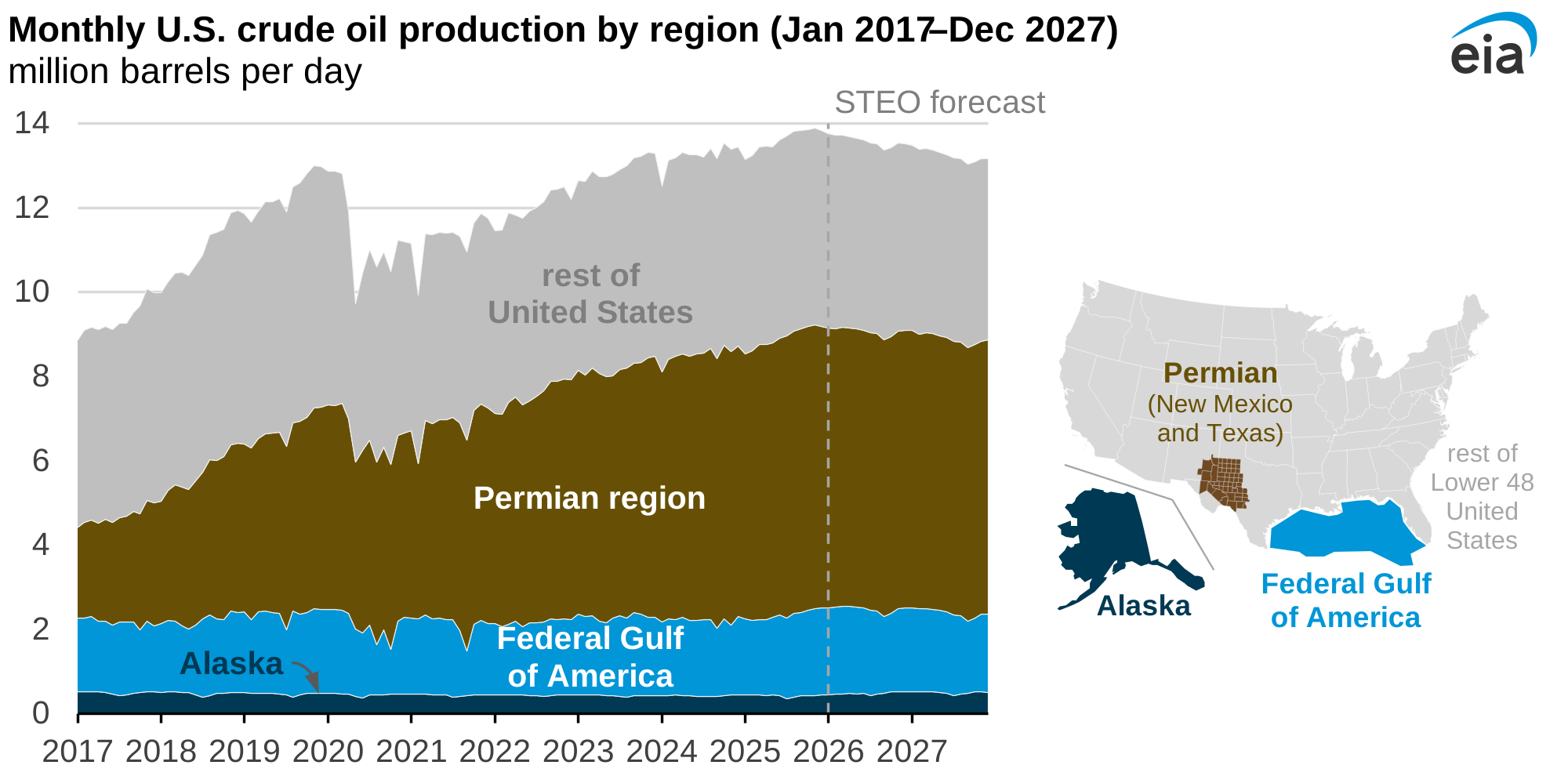
    monthly U.S. crude oil production by region


    In our January 2026 Short-Term Energy Outlook, we forecast U.S. crude oil production next year will remain near the record 13.6 million barrels per day (b/d) produced in 2025 before decreasing 2% to 13.3 million b/d in 2027. If realized, a fall in annual U.S. crude oil production will mark the first since 2021.

    Read More ›


    In-brief analysis

    Jan 21, 2026


    photo of airfield


    When military aircraft are retired, they live out their days in the sunbelt at the U.S. Air Force’s facility on Davis-Monthan Air Force Base in Arizona, otherwise known as the Boneyard.

    Read More ›


    In-brief analysis

    Jan 20, 2026


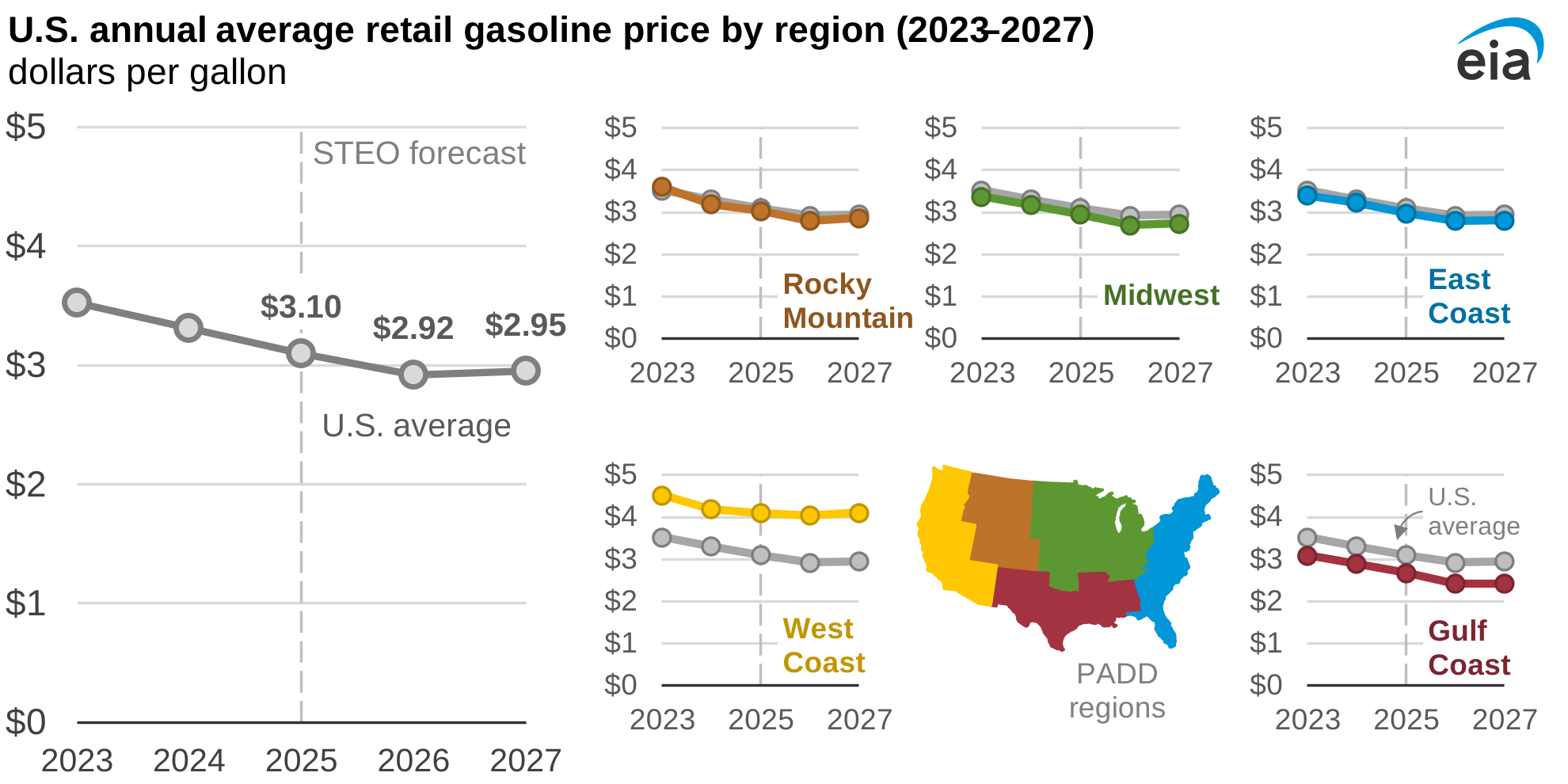
    U.S. annual average retail gasoline price by region


    In our latest Short-Term Energy Outlook, we forecast retail U.S. gasoline prices will be lower the next two years than in 2025, falling 6% in 2026 and then increasing 1% in 2027. Our gasoline price forecast generally follows a similar path as global crude oil prices, but decreasing U.S. refinery capacity this year may offset some of the effects of lower crude oil prices on gasoline, especially in the West Coast region.

    Read More ›


    In-brief analysis

    Jan 16, 2026


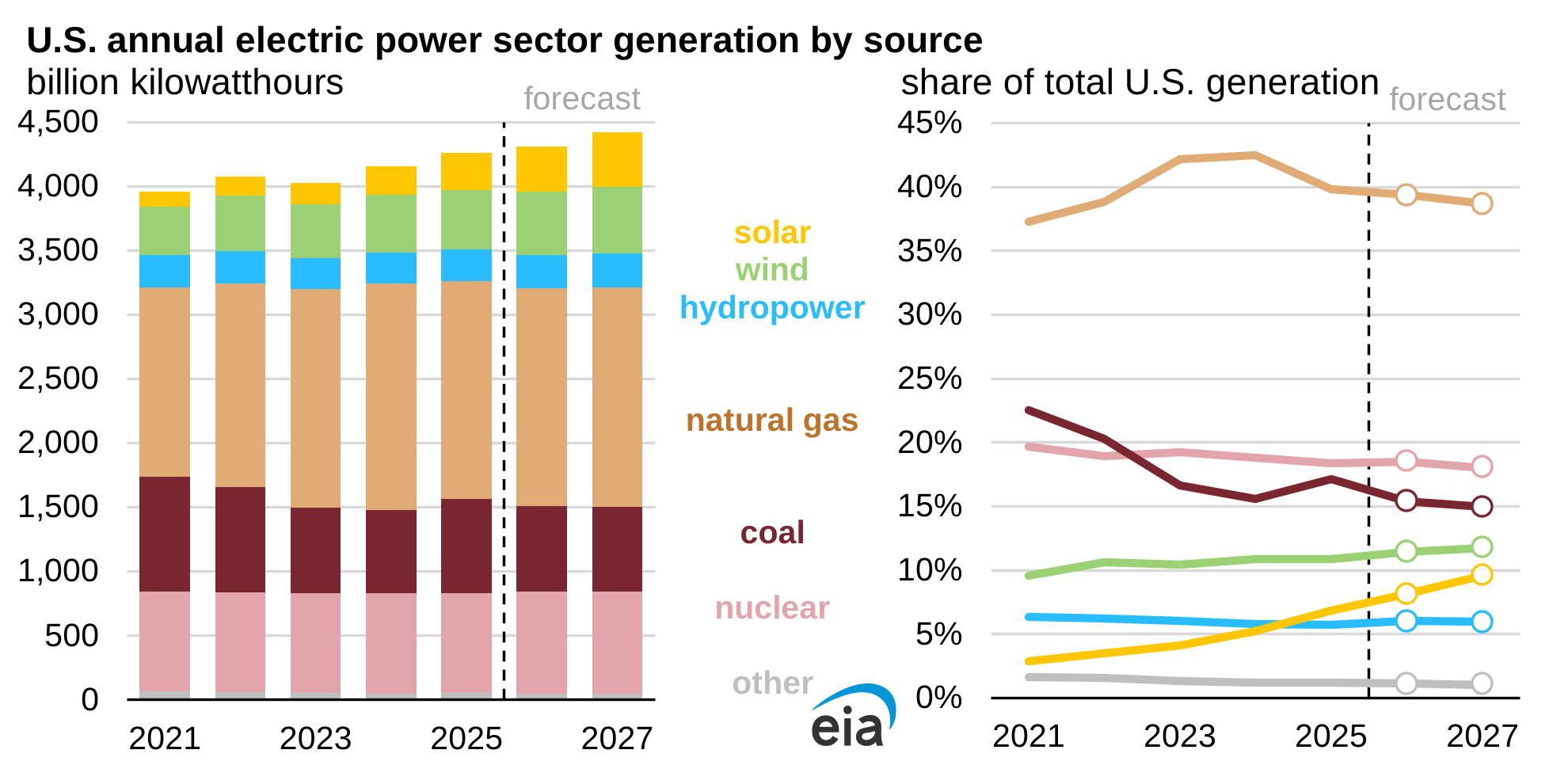
    U.S. annual electric power sector generation by source


    Electricity generation by the U.S. electric power sector totaled about 4,260 billion kilowatthours (BkWh) in 2025. In our latest Short-Term Energy Outlook (STEO), we expect U.S. electricity generation will grow by 1.1% in 2026 and by 2.6% in 2027, when it reaches an annual total of 4,423 BkWh. The three main dispatchable sources of electricity generation (natural gas, coal, and nuclear) accounted for 75% of total generation in 2025, but we expect the share of generation from these sources will fall to about 72% in 2027. We expect the combined share of generation from solar power and wind power to rise from about 18% in 2025 to about 21% in 2027.

    Read More ›


    In-brief analysis

    Jan 14, 2026


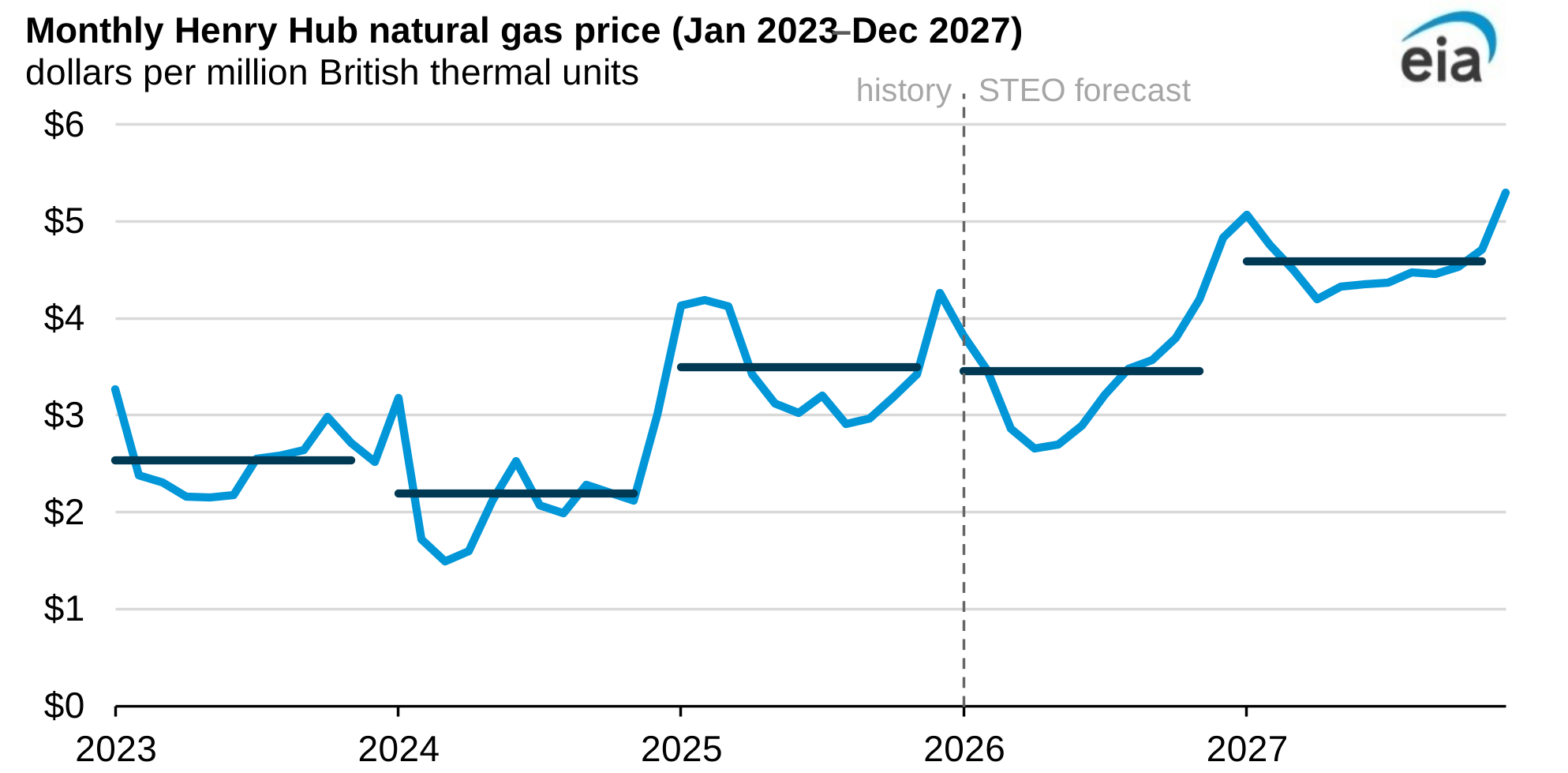
    monthly Henry Hub natural gas price


    We expect the U.S. benchmark natural gas spot price at the Henry Hub to decrease about 2% to just under $3.50 per million British thermal units (MMBtu) in 2026 before rising sharply in 2027 to just under $4.60/MMBtu, according to our January Short-Term Energy Outlook (STEO). We expect the annual average Henry Hub price in 2026 to decrease slightly as annual supply growth keeps pace with demand growth over the year. However, in 2027, we forecast demand growth will rise faster than supply growth, driven mainly by more feed gas demand from U.S. liquefied natural gas (LNG) export facilities, reducing the natural gas in storage. We forecast annual average spot prices will decrease by 2% in 2026 and then increase by 33% in 2027.

    Read More ›


    In-brief analysis

    Jan 9, 2026


    annual average Henry Hub natural gas spot price


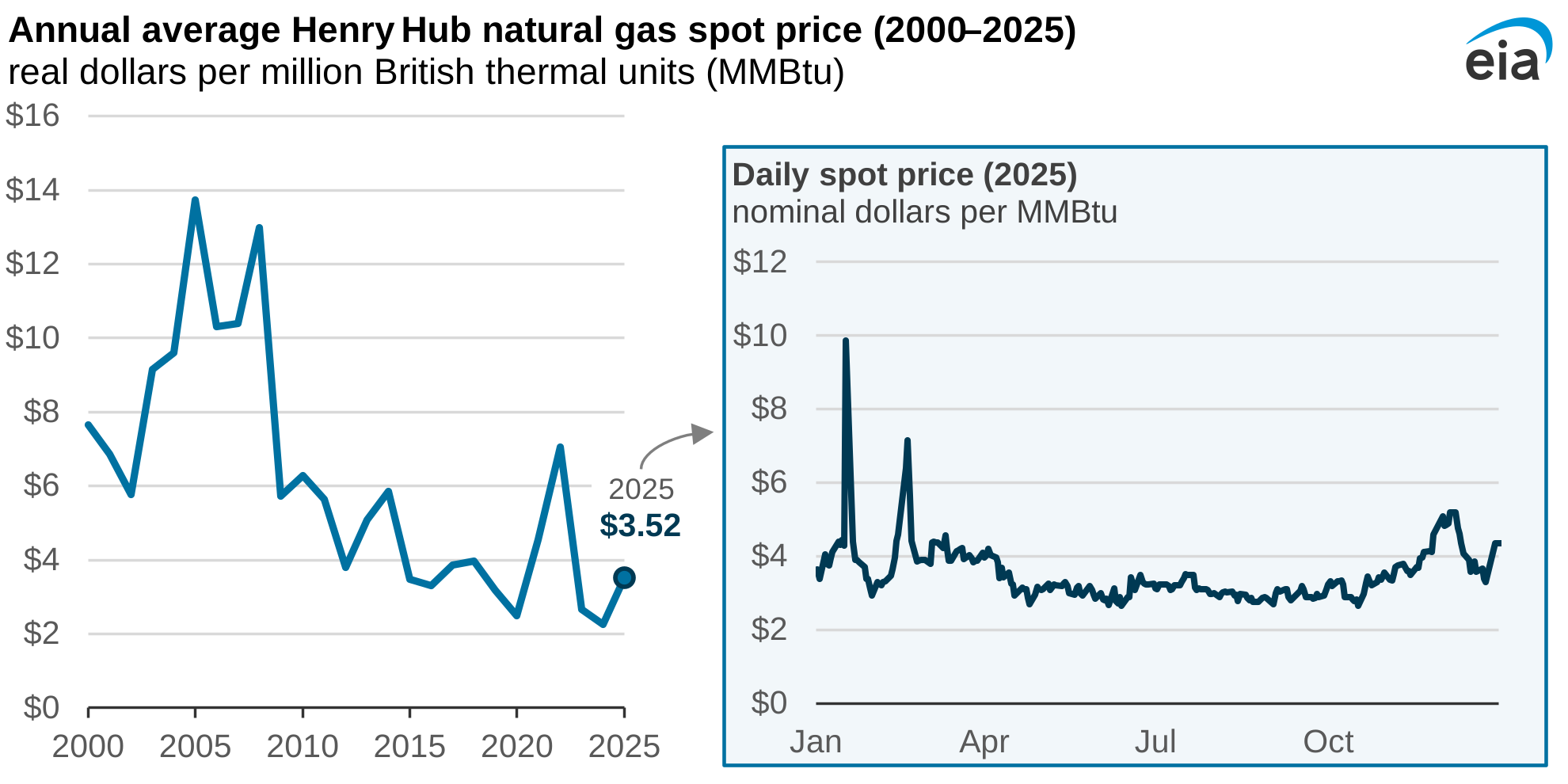
    In 2025, the wholesale U.S. natural gas spot price at the national benchmark Henry Hub in Louisiana averaged $3.52 per million British thermal units (MMBtu), based on data from LSEG Data. The 2025 average Henry Hub natural gas spot price increased 56% from the 2024 annual average, which—when adjusted for inflation—was the lowest on record. On a daily basis, the Henry Hub natural gas spot price ranged from $2.65/MMBtu to $9.86/MMBtu, reflecting a narrower range of daily prices compared with the previous year.

    Read More ›


    In-brief analysis

    Jan 7, 2026


    U.S. average weekly retail gasoline price


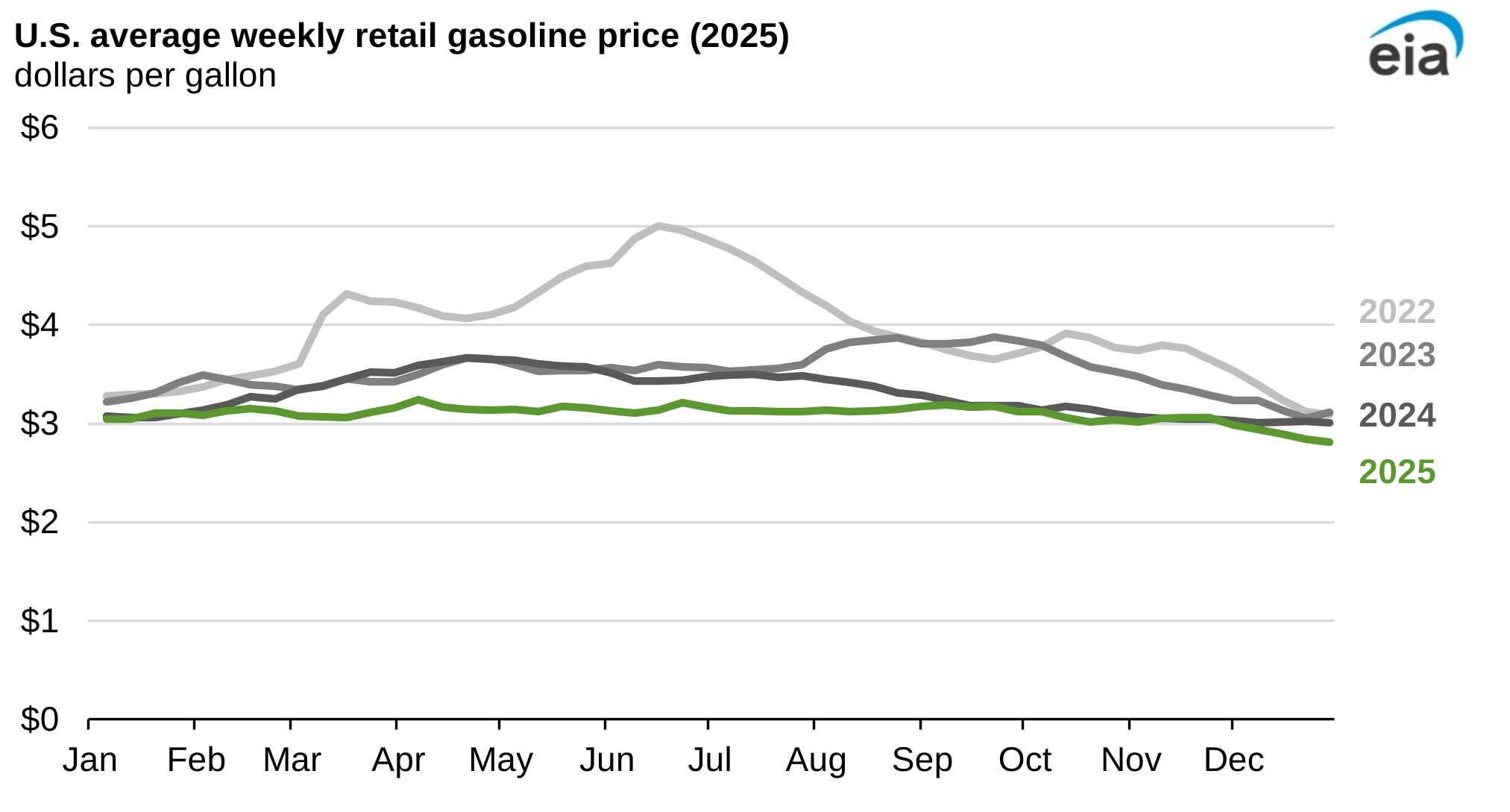
    The U.S. retail price for regular grade gasoline averaged $3.10 per gallon (gal) in 2025, $0.21/gal less than in 2024. This year marks the third consecutive year of declining nominal retail gasoline prices, according to data from our Gasoline and Diesel Fuel Update.

    Read More ›

    Continue Reading