Victor Wembanyama.
37 points in one half. Fully unreal.
After an Alien domination, Wemby’s back at it tonight as the Spurs visit the Warriors (10 ET, ESPN) to cap a stacked 14-game slate.

5 STORIES IN TODAY’S EDITION 🏀
Tuesday…

Victor Wembanyama.
37 points in one half. Fully unreal.
After an Alien domination, Wemby’s back at it tonight as the Spurs visit the Warriors (10 ET, ESPN) to cap a stacked 14-game slate.
Tuesday…
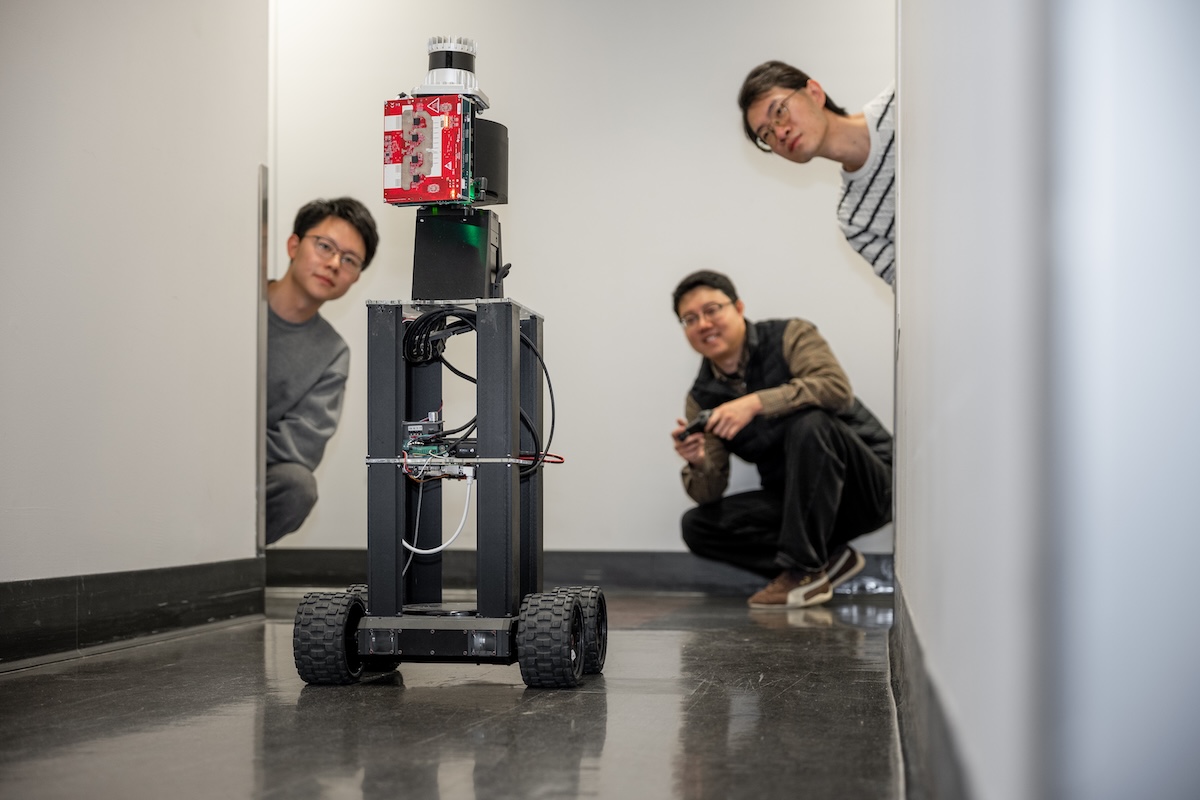
Penn Engineers have developed a system that lets robots see around corners using radio waves processed by AI, a capability that could improve the safety and performance of driverless cars as well as robots operating in cluttered…
Auburn Hills, Michigan, February 11, 2026 – BorgWarner has secured a new electric cross differential (eXD) program with a leading Chinese original equipment manufacturer (OEM). The eXD solution is designed for a 48V system and is integrated with the customer’s 48V electrical and electronic (E/E) architecture. This program represents BorgWarner’s first 48V eXD application within its global portfolio and expands the company’s torque management capabilities for electric vehicles.
As the electric vehicle market continues to evolve, E/E architectures are transitioning toward higher efficiency and greater integration. A 48V electrical architecture offers advantages including improved energy efficiency, optimized wiring and component costs, and support for higher-power applications. Leveraging this architecture, BorgWarner’s eXD is built to dynamically control torque distribution between wheels, enhancing vehicle handling and traction while maintaining a balance between performance, safety, and system efficiency.
“We believe BorgWarner’s eXD technology enhances handling and vehicle stability across a wide range of driving conditions,” said Isabelle McKenzie, Vice President of BorgWarner Inc. and President and General Manager, Drivetrain and Morse Systems. “Securing our first 48V eXD program demonstrates our ability to adapt proven torque management technologies to new electrical architectures. By leveraging a 48V system, the eXD is expected to improve energy utilization, system efficiency, and reliability, which will elevate the driving experience for electric vehicle users.
BorgWarner’s eXD is engineered to dynamically adjust slip control based on real-time driving conditions and vehicle status, supporting vehicle stability during high-speed driving, rapid acceleration, and sharp turns. The eXD is also intended to deliver consistent handling performance across varying friction conditions. On dry roads, higher friction enables improved grip, and we expect this will allow the eXD to transfer more torque to the outer wheels for enhanced cornering performance. In low-friction environments such as ice, snow, or mud, the system is designed to rapidly detect wheel slip and limit torque transfer to slipping wheels, which will reallocate drive force to wheels with better traction to maintain stability and control.

Iranian president says will resist aggression while pursuing dialogue with neighbours to promote regional peace
Iranian President Masoud Pezeshkian speaks during a meeting in Ilam, Iran, June 12, 2025.PHOTO: REUTERS

Since making its debut in Season 5, Saudi Arabia has delivered plenty of racing action across two different venues: the Riyadh Street Circuit in Diryah, and the Jeddah Corniche…

We Gotta Groove – The Brother Studios Years, a new 73-track box set, picks up the story of the Beach Boys at a deeply peculiar juncture in their career. On the face of it, they were back on top. Their commercial fortunes had been revived by the…

South Asian adults in the U.S. report doing many of the right things for heart health, yet they show significantly higher rates of prediabetes, diabetes and hypertension than white and Chinese adults, and higher than or roughly…
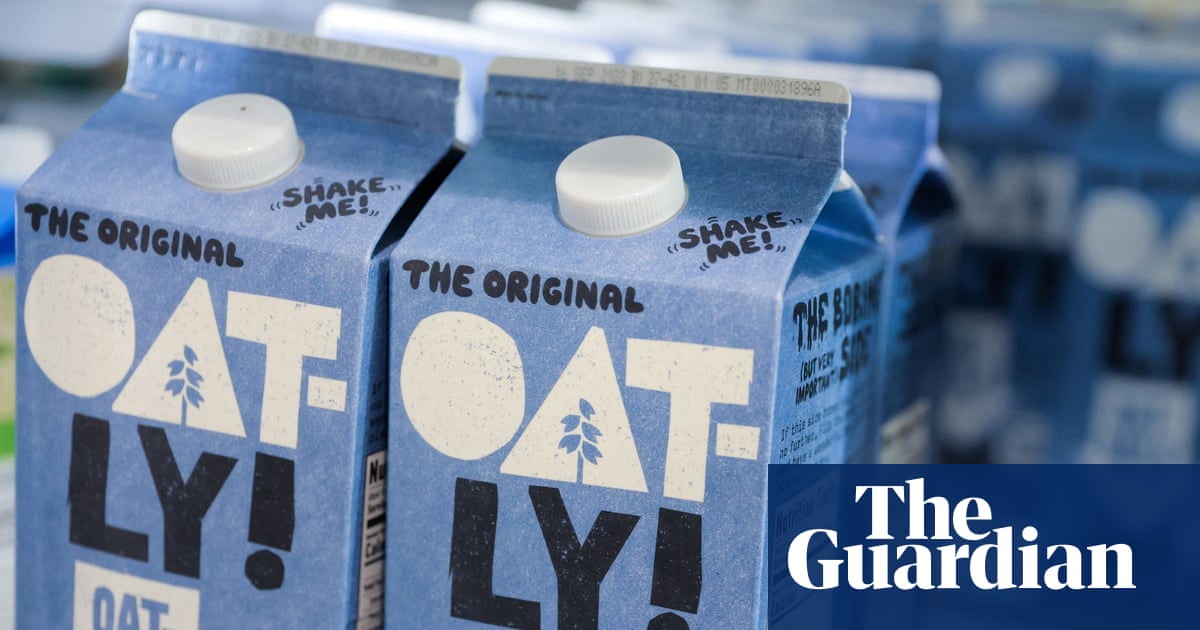
The Swedish-based drinks manufacturer Oatly has been banned from using the word “milk” to market its plant-based products, after a ruling by the UK supreme court.
The alt-milk manufacturer has been in a long-running legal battle with the trade association Dairy UK after Oatly trademarked phrases associated with the dairy sector.
On Wednesday the supreme court unanimously ruled that Oatly can no longer trademark, or use, the slogan “Post Milk Generation”.
“It has taken the highest court in the land to decide once and for all whether a plant-based milk alternative can be branded as ‘milk’ and marketed as such,” said Laurie Bray, a senior associate and trademark attorney at the European intellectual property company Withers & Rogers. “And the outcome is not what Oatly was hoping for.”
Regulations state that certain terms can only be used to denote the actual products they describe, such as milk, wine and olive oil. Milk is defined as coming from the dairy sector and, more specifically, animals.
However, Oatly, which first filed a trademark application for the term “Post Milk Generation” with the UK’s Intellectual Property Office in 2019 – which was registered officially in 2021 – had argued that the use of the term ”milk” in a trademark did not breach regulations if it was not being used in a descriptive manner.
In 2023, after an objection from Dairy UK, the IPO ruled that the use of the word “milk” in this way was “deceptive”; Oatly successfully appealed against the ruling in December 2023, but that decision was then overturned by the court of appeal, prompting it to take the issue to the supreme court.
The supreme court ruling has wider ramifications for producers of plant-based alternatives, and Oatly’s trademark registrations in other European countries could now be challenged by equivalent trade bodies to Dairy UK.
The same regulations apply to terms that are derived from other milk-based products such as cream, butter, cheese and yoghurt.
“For plant-based producers the safer course is to use clearly descriptive alternatives such as ‘oat drink’, or ‘plant-based drink’,” said Richard May, a partner at Osborne Clarke. “More broadly, the judgment signals that UK regulators and courts are likely to take a robust approach to so-called ‘category borrowing’ across regulated sectors. Businesses building brands around legally defined product names, whether in dairy or elsewhere, should expect careful scrutiny and plan their brand strategy accordingly.”
In 2021, Glebe Farm Foods, a Cambridgeshire-based company that specialises in producing gluten-free oats, won a trademark infringement battle brought by Oatly over its use of the brand name PureOaty.

A molecule that helps regulate gene activity has also been shown to drive skin cancer growth and tumors’ ability to evade attack by the body’s immune system, a new study shows.
Led by researchers at NYU Langone Health and its…

Mars’s water disappeared somewhere, but scientists have been disagreeing for years about where exactly it went.
Data from rovers like Perseverance and Curiosity, along with orbiting satellites such as the Mars Reconnaissance Orbiter and…