
Scientists are tackling the computational demands of modern particle physics with MadSpace, a novel phase-space and event-generation library. Theo Heimel, Olivier Mattelaer (both from CP3, Université catholique de Louvain), and Ramon…
Author: admin
-

Mexico jet fuel changes to raise costs unevenly
Mexican state-owned Airports and Auxiliary Services (ASA) will overhaul its jet fuel discount structure from mid-February, a move market participants say will raise fuel logistics costs unevenly across the aviation market.
ASA notified fuel buyers in mid-January that it will revise the volume thresholds required to access discounts on its jet fuel administrative service charge (CSAC), which applies to storage and into-plane services, beginning 15 February, with a more aggressive second phase taking effect on 1 July, according to documents seen by Argus.
While the changes do not involve a headline increase in jet fuel prices, they will materially alter effective operating costs by limiting access to discounts for all but the highest-volume buyers.
The changes disproportionately affect airlines and jet fuel buyers outside Mexico’s three largest carriers. Under the revised structure, participants outside of the top-volume tiers would see their CSAC discounts cut sharply, while a narrow group of top-tier buyers would retain access to materially higher discounts, market participants said.
Mexico’s jet fuel market remains dominated by the government through state-owned Pemex and ASA, which together control fuel supply, storage and into-plane services at most airports nationwide. The CSAC, introduced in July 2024, applies to all companies using ASA’s fuel storage and into-plane infrastructure, making it a mandatory cost for all jet fuel suppliers and buyers operating at Mexican airports.
This structure amplifies the impact of the revised CSAC scheme, as companies have no practical alternatives for jet fuel logistics. The changes could reinforce concentration further down the value chain by favoring a limited group of high-volume buyers, effectively creating a new commercial bottleneck beneath the state-controlled infrastructure layer, according to market sources.
The issue has been raised with the International Air Transport Association (IATA), which confirmed it is engaging with ASA over the revised CSAC structure.
“IATA is in contact with ASA on this subject and is advocating on behalf of the industry to ensure that the impact on costs is kept as competitive as possible,” the association said in a statement to Argus.
ASA did not respond to a request for comment.
Discount curve shifts sharply from Feb
Under the current CSAC discount structure, differences across market participants are relatively narrow, but the gap will widen sharply under the first phase of changes in mid-February.
Most jet fuel buyers — including large foreign airlines and private-sector jet fuel suppliers — currently receive discounts ranging from 85-98pc, while the largest buyers qualify for discounts of 99pc, resulting in broadly comparable costs across much of the market.
But from 15 February, discount tiers will tighten, with participants outside the highest volume threshold seeing their discounts fall to around 40pc, while top-tier buyers will retain discounts of 90pc, according to market sources and documents seen by Argus.
The gap widens further under the second phase, effective 1 July.
From July, participants that do not meet the highest volume threshold will receive discounts as low as 20pc, while top-tier buyers will continue to qualify for discounts of 80pc. This would translate into effective CSAC costs up to four times higher for all participants outside the largest buyers.
The companies falling into the lower discount tiers include large foreign airlines, private-sector jet fuel suppliers, regional airlines and private aviation.
Market sources said the revised structure marks a clear difference from the previous model, in which discount gaps existed but remained manageable. Under the new framework, the discount disparity is big enough to create a structural cost disadvantage for some participants.
Regional aviation under pressure
The revised CSAC structure could threaten the viability of regional aviation, as higher fuel logistics costs would further strain an already fragile segment of Mexico’s aviation market, according to market sources.
Regional airlines operate short-haul routes with limited ability to pass higher costs through to fares, making them particularly sensitive to increases in fuel logistics charges. The revised discount thresholds would sharply erode route economics, a source familiar with regional airline operations said.
The impact could even extend to state-owned airline Mexicana de Aviacion, which does not meet the volume thresholds required to access the highest CSAC discounts.
Continue Reading
-

‘We recorded it in a kitchen!’ How China Crisis made Black Man Ray | Culture
Gary Daly, singer, songwriter
Ed and I had just come off a long tour of Europe and North America supporting Simple Minds and needed a break. I immersed myself in music-making with a synth, drum machine and a four-track Tascam Portastudio. I was…
Continue Reading
-
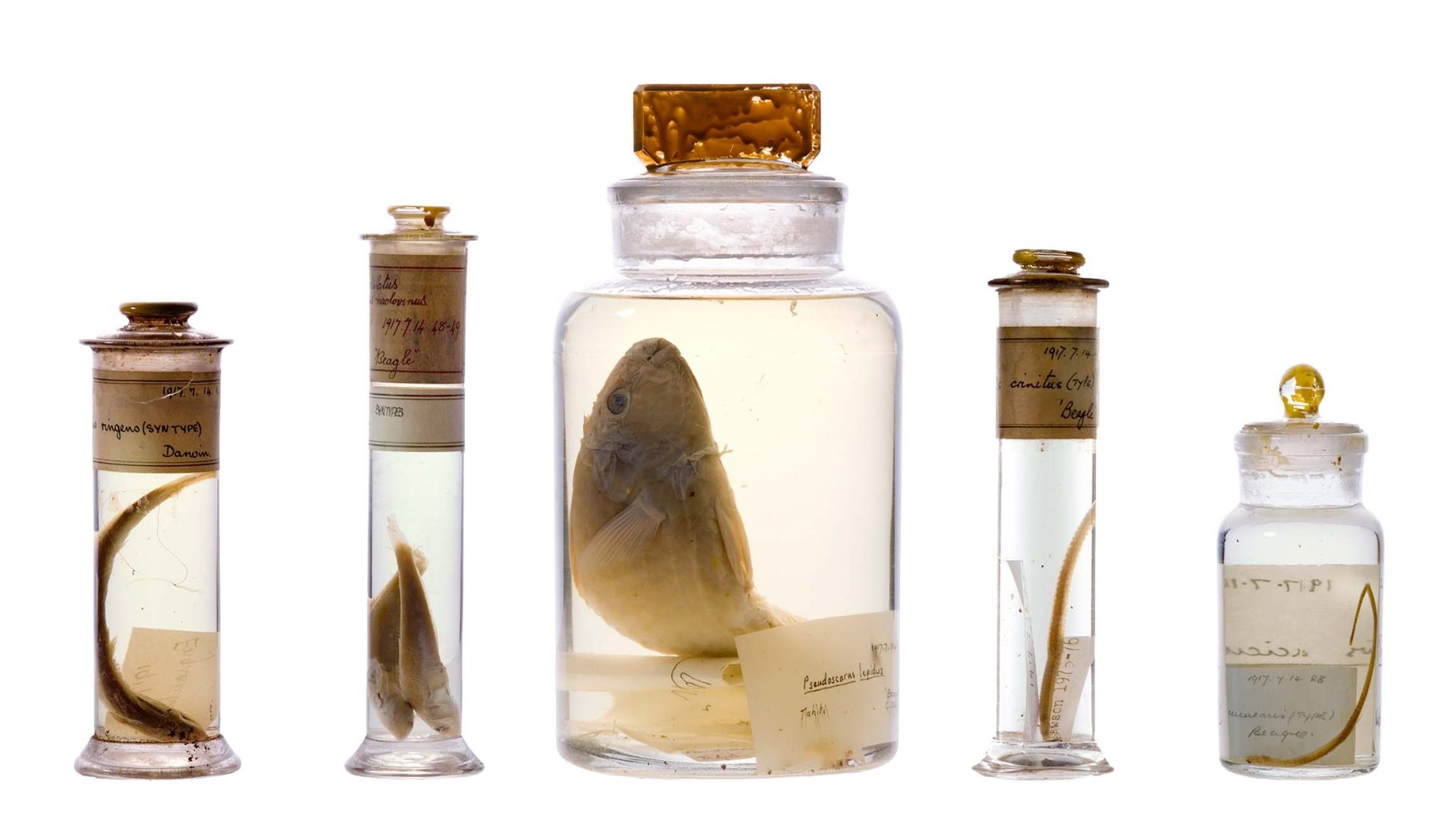
Lasers scan chemicals in 200-year-old Darwin jars, 95% accurate
Lasers are now helping scientists peer inside some of the world’s most fragile scientific treasures without ever opening them.
Researchers have developed a laser-based scanning technique that can identify the preservation fluids inside…
Continue Reading
-

At least 53 dead after migrant boat capsizes off Libya
At least 53 people, including two infants, have died after a rubber…
Continue Reading
-
Hamas’ resolve
.
Hamas has thrown a spanner in the works by reiterating that it would not disarm itself. This declaration, after a long pause from the Palestinian…
Continue Reading
-
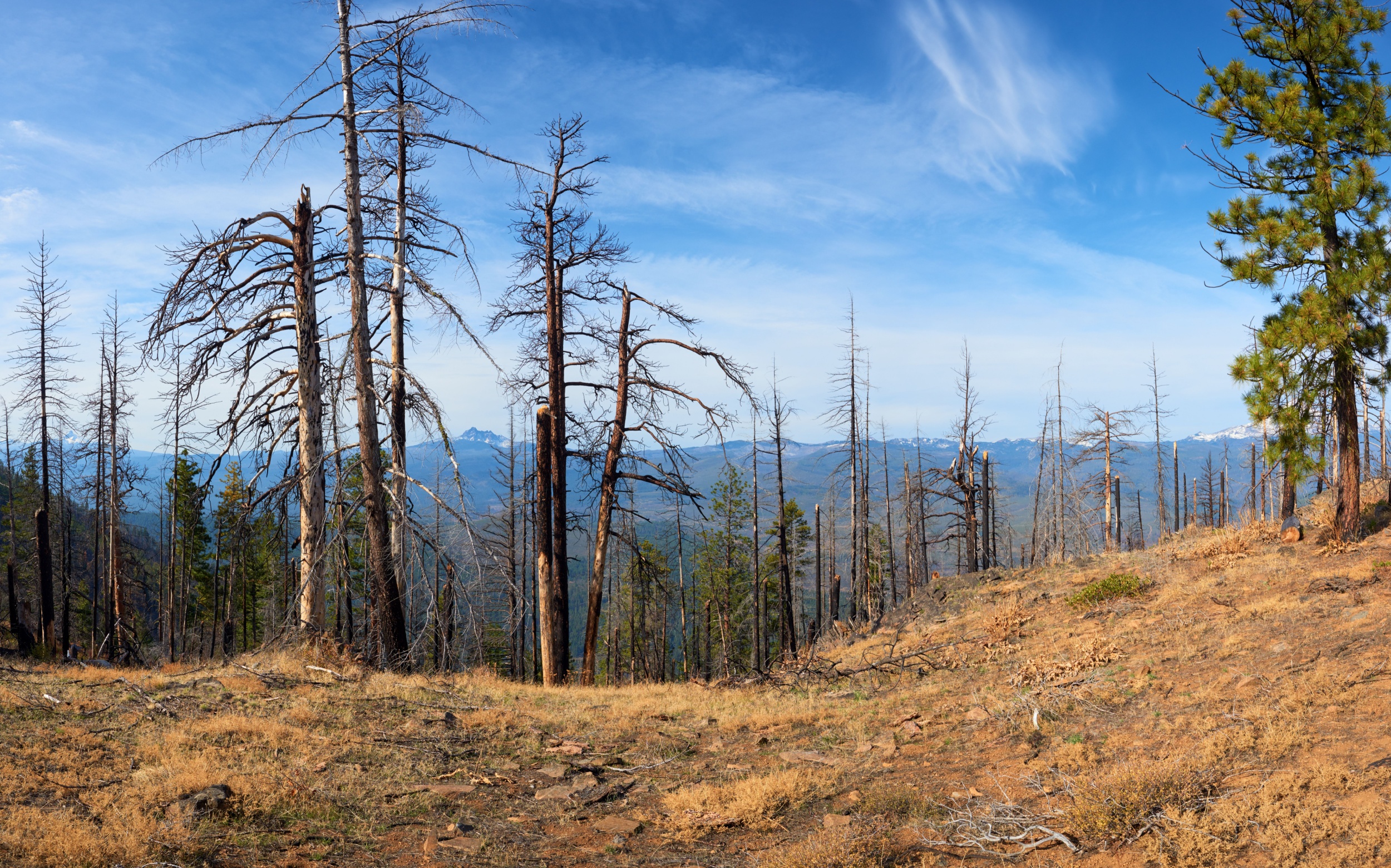
Forests capture more methane from the air as the planet warms
Forest soils are doing more climate work than most people realize, quietly absorbing methane from the air year after year.
New long-term measurements from southwest Germany show that, in some forests, this underground methane sink has been…
Continue Reading
-
Iran says it could dilute enriched uranium if all sanctions are lifted – Dawn
- Iran says it could dilute enriched uranium if all sanctions are lifted Dawn
- Iran suggests it could dilute highly enriched uranium for sanctions relief Al Jazeera
- Iran Sets Terms for Nuclear Pullback as Trump Warns of Military Options, Oil Prices…
Continue Reading
-

Senator Faisal Vawda meets President
ISLAMABAD, Feb 09 (APP): Senator Faisal Vawda Monday held meeting with President Asif Ali Zardari and discussed issues of mutual interest.
Senator Saleem Mandviwala and Dr. Asim attended the meeting.
Senior PPP leader and Sindh Assembly member…
Continue Reading