A line snaked around the lobby of McMenamins’ Kennedy School Hotel in Northeast Portland on Saturday. Hundreds gathered for the company’s first ever Dry January Fest, a showcase of the bubbling interest in non-alcoholic beverages.
More people have been participating in Dry January, when people swear off alcohol for the month following the excesses of the holidays.
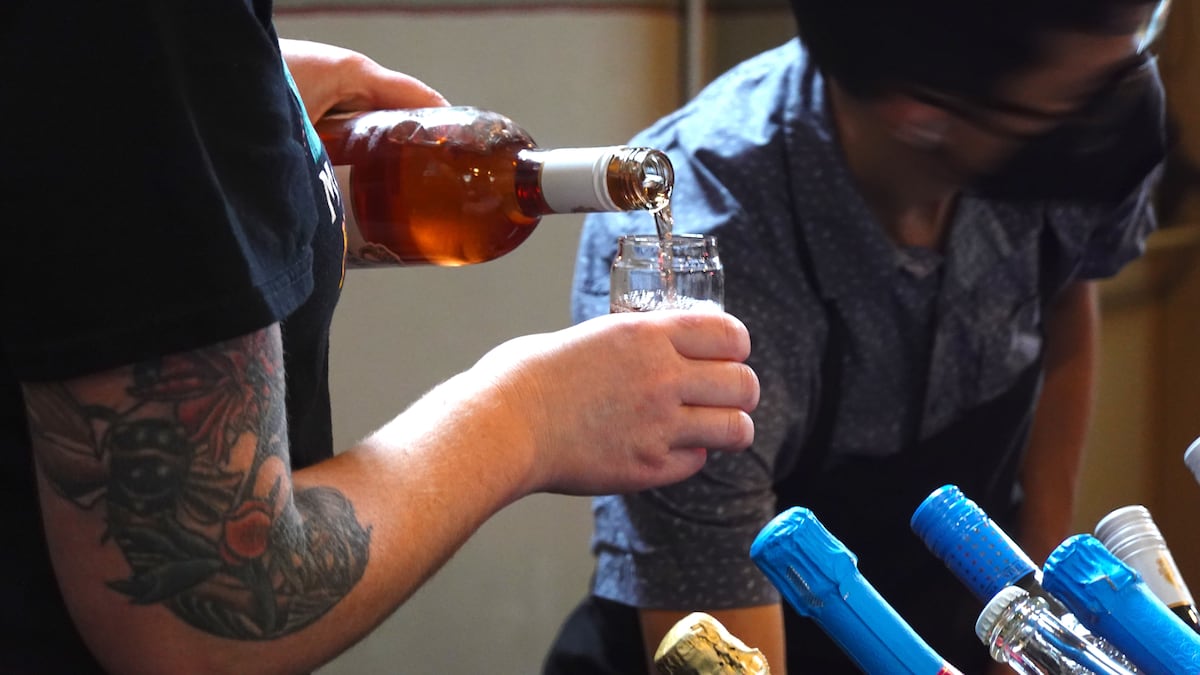
Workers pour non-alcoholic wine at the McMenamins Dry January Fest at the Kennedy School in Portland, Ore., on Jan. 3, 2026. It was one of many types of beverages available for people.
Joni Land / OPB
Rachel Flesher, district manager of special events for McMenamins, said they have been seeing more demand from customers for tasty beverages free of booze. That, in turn, inspired an event based around Dry January.
(Editor’s note: McMenamins is a corporate sponsor of Oregon Public Broadcasting. OPB’s sponsors do not shape or influence our editorial coverage.)
“We’re always trying to think of new, fun ways to entertain our guests and the NA market just keeps growing,” Flesher said.
Within minutes of opening, the Kennedy School gym was packed with people lining up for samples of non-alcoholic beers, wines, cocktails and shrubs. The large turnout surprised some of the staff, and even those who bought tickets.
Cameron Larson of Portland sat down with a non-alcoholic Old Fashioned. Larson has participated in Dry January the past three years and said it used to be difficult to find an alcohol-free drink “that actually tasted decent.”
Now, everywhere he goes, he finds a greater variety and quality in these beverages.
“It’s not centralized to Portland or Eugene or Seattle — it’s in the biggest and smallest communities,” Larson said. “It’s pretty inspiring.”
The festival comes as enthusiasm for non-alcoholic drinks has spiked. A Gallup poll published in August 2025 found that 54% of Americans said they drink alcohol, the lowest percentage since Gallup began studying the figure 90 years ago.
Stevie Shaw of Hillsboro attended Dry January Fest and said she stopped drinking last August. The variety of non-alcoholic drinks now available has made the transition easier, even for those who only stop drinking for the month, she said.
“It’s a great reminder that it’s a good time to take a break and give more time to yourself,” Shaw said.
And more businesses in the Pacific Northwest are investing in the creation of non-alcoholic drinks and spirits, as demand for some forms of alcohol has waned. Last year saw the craft brewery industry struggle in Oregon and elsewhere. Rogue Ales and Spirits closed its brewery and restaurants in November, before filing for Chapter 7 bankruptcy.
Around 250 people attended the first McMenamins Dry January Fest at the Kennedy School in Portland, Ore., on Jan. 3, 2026. There has been an increase in demand nationwide for booze-free beverages.
Joni Land / OPB
That shift was on full display at the Dry January Fest.
McMenamins corporate chef Mary Minor ran a booth on shrubs, which are often made from alcoholic vinegars. Several years ago, McMenamins’ pubs ordered very little of her non-alcoholic shrubs. Now, they order them by the gallon.
“We are having to do a lot more research and development in that area,” Minor said.
Minor said younger people want more variety in their drinks, whether that’s no alcohol or just less than a traditional beer.
Based on the success of Dry January Fest, McMenamins might consider more events based around non-alcoholic items, Flesher said.
I am tired of the lies, exaggerations, and dispersions that are constantly told in the assault on the stocks of companies tied to generative artificial intelligence and accelerated computing: They will dominate in 2026, just as they have since…
Are you a Lego Adult? No guilt implied — we hear you, whether you enjoy building Death Stars, Starship Enterprises or even just the occasional flower bouquet. But you may be surprised to hear that the Lego Group is set to host its very first…
KABUL, AFGHANISTAN – Afghan and Pakistani traders have agreed to form a joint committee to explore reopening key trade crossings between the two countries, following a virtual meeting between private-sector representatives.
The beginning of a new year traditionally invites reflection on emerging trends and future directions. Based on developments observed in 2025, we outline the most probable advances that are likely to shape clinical oncology in…
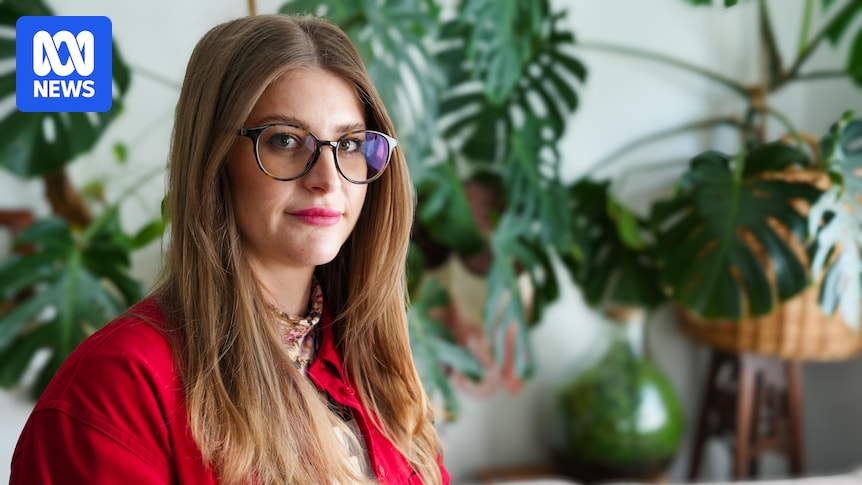
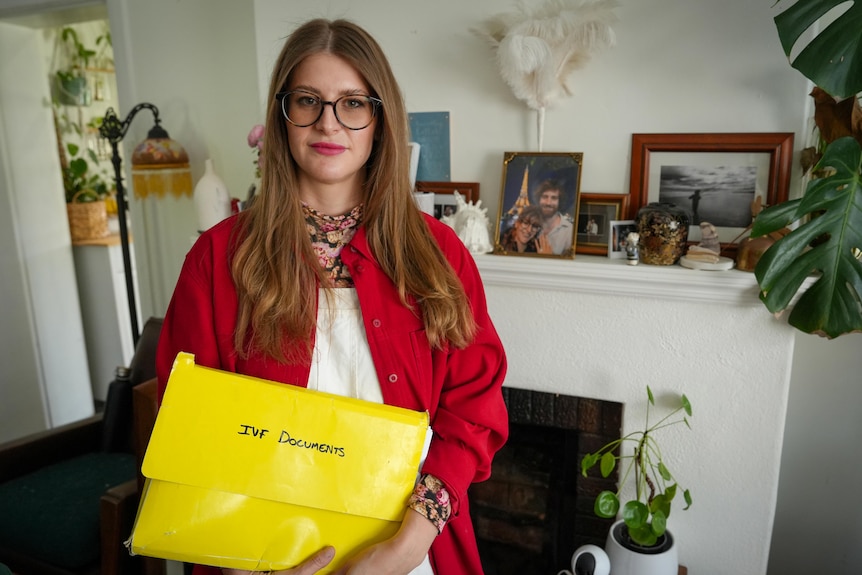
Katherine Dawson is searching for siblings she’s never met.
The 35-year-old is one of an estimated 60,000 Australians who are donor-conceived and whose biological fathers’ identities were kept a mystery.
“I was told you’re not allowed to know who he is, you’re not allowed to know who any of your siblings are and I was really blocked from knowing that information,” Ms Dawson said.
“You see your face in the mirror, and it doesn’t make sense — and as soon as you see this other side of your family, you can place things.“
Ms Dawson began researching the missing pieces of her genetic heritage by visiting clinics to find records and taking ancestry DNA tests.
So far, she’s confirmed she has 53 half-siblings living across South Australia, Victoria and Queensland, as well as overseas.
Katherine Dawson is searching for half-siblings to warn them of a family cancer risk. (ABC News: Guido Salazar)
But she believes she may have up to 700 siblings, including some who may not know they are donor-conceived.
She’s desperately trying to find them to pass on potentially life-saving medical advice about an elevated cancer risk that runs in the family.
“I can’t just sit back and go live my life and forget about it,” she said.
“We’re strangers but we’re siblings, and I care about them — but I’m not allowed to know them.“
State register allows ‘personal journeys’
Ms Dawson is one of 428 people on South Australia’s Donor Conception Register, which was launched in February last year.
The SA government has described it as the first publicly accessible electronic register of its kind in Australia to operate in real-time with retrospective effect.
The online register allows adults who were conceived through donated sperm, egg or embryo in SA — and the parents of a donor-conceived person — to access information about their donor and siblings, such as names, date of birth and gender.
The register is backdated to include treatments carried out in the 1970s and donations made under the condition of anonymity prior to September 2004.
As of December 2025, the register included 428 individuals — 53 donors, 115 donor-conceived, and 153 donor-recipient parents. The remaining 107 were profiles generated for minors whose personal information is protected.
Robyn Lindsay says finding historical records can be challenging. (ABC News: Ashlin Blieschke)
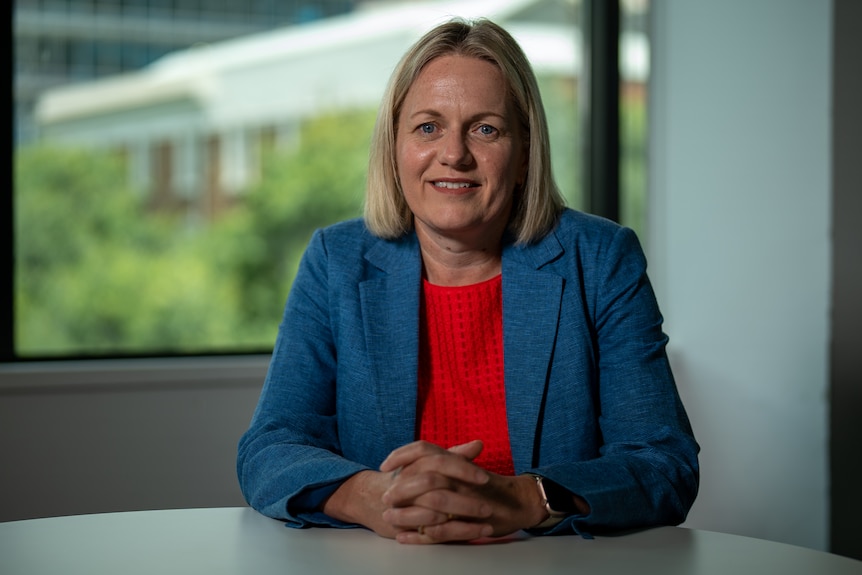
SA Health deputy chief executive for clinical system support and improvement, Robyn Lindsay, said the register allowed people to share personal information, such as contact details or medical history.
“What people then go on and do with the information is not something that SA Health is involved with — that’s part of everyone’s own personal journeys,”
she said.
Prior to 1988, doctors and clinics had no legal requirements to keep records of donor conception treatments.
Ms Lindsay said finding historical records had been challenging, given that some fertility clinics had closed and records could be damaged or missing.
“Information about the donor, and those who received treatment, were even deliberately kept quite separately,” Ms Lindsay said.
“Records deteriorate over time and doctors’ writing, even in the first instance, is often hard to read.”
She said SA Health was trying to verify records with the Births, Deaths and Marriages registry — a process that could take months to complete.
“It’s really important that this information is of high integrity, and it is verified, so that can be frustrating when people are looking for a complete set of information quickly,” Ms Lindsay said.
An urgent health warning
Ms Dawson met her biological father in 2023. She discovered that he was a prolific donor who visited multiple clinics in Victoria over at least six years during the 1980s and under different names.
Through her research, Katherine Dawson has confirmed 53 half-siblings. (ABC News: Guido Salazar)
She hopes the register will be able to link her to more siblings in SA and warn them of a family-cancer risk.
“There might be siblings I’ve got already that have developed bowel cancer, given some of them could be in their 40s now and they should be checking from their mid-20s,” she said.
Ms Dawson said she’d like to see a national register established. It would help other donor-conceived people easily access their genetic information without having to navigate legislation in different states and territories.
“We should be thought about in the long term, and prevented from the potential trauma and potential difficulties and hardships of essentially being stuffed around,” she said.
Growing calls for a national register
Bec Kilday’s search for her donor’s identity has also taken her across state borders.
The 36-year-old, who grew up in Adelaide, has been genetically linked to a Victorian donor whose sperm was sent interstate.
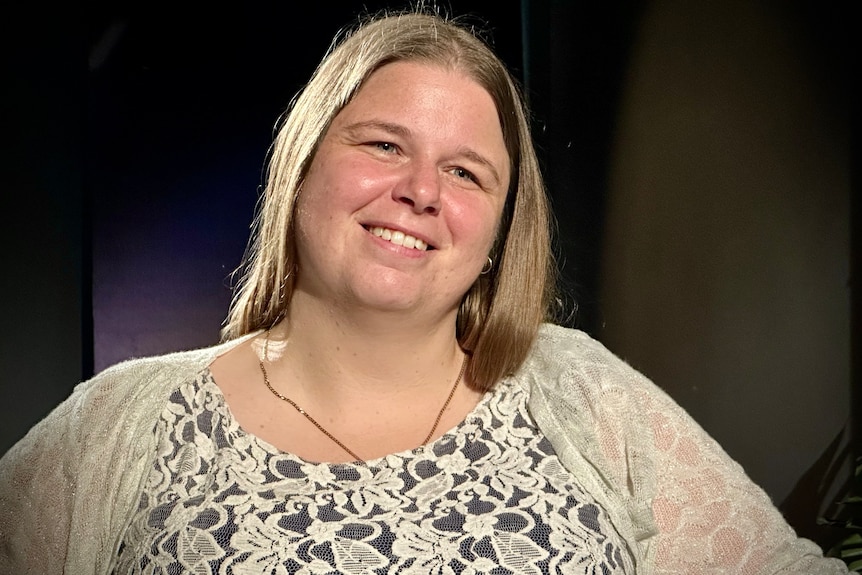
Bec Kilday supports the establishment of a national donor conception register. (ABC News: Michael Donnelly)
“I actually reached out to the fertility clinic that my parents used fairly early on in the journey and asked for what information they might have available … and I got no response,” Ms Kilday said.
But Ms Kilday has so far discovered 27 half-siblings and believes there are more.
She joined the register hoping to uncover more information — not only for herself, but for her donor and Victorian-based siblings, whose IVF procedures weren’t performed in SA.
“I sort of really feel that responsibility for being that link in our story and kind of helping us understand better,”
she said.
Ms Kilday said a national register would eliminate some of the difficulties she had experienced in seeking information from interstate.
“It’s not to say a national register is necessarily going to be quicker — it’s just that if they had access to all of the information it wouldn’t be double handling as much,” she said.
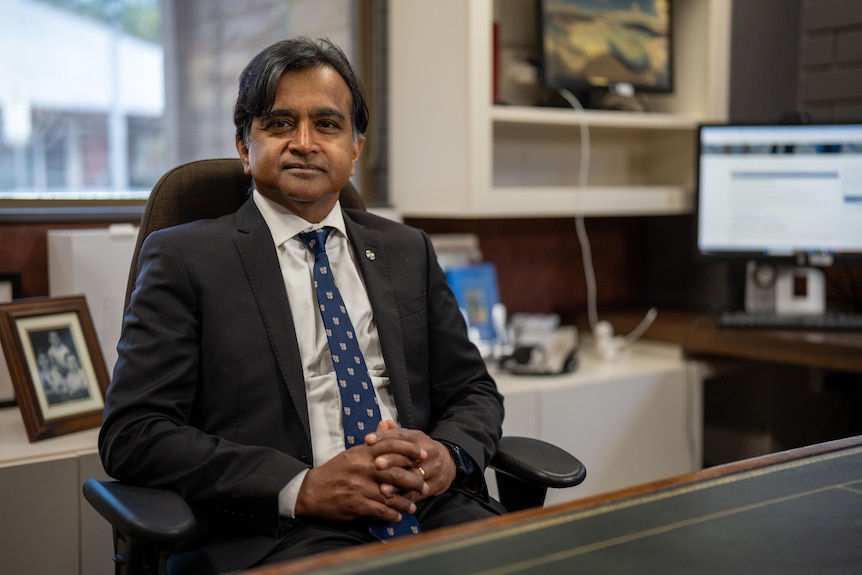
Peter Subramaniam says having medical history in a national donor register would be helpful. (ABC News: Ashlin Blieschke)
Australian Medical Association SA president Peter Subramaniam said the development of a national framework was a “logical next step”.
“We are one country and people in Australia move around,” Dr Subramaniam said.
“We might be born in South Australia but live our adult lives in Queensland, so, absolutely, a national framework would assist with this process.“
He said having a patient’s medical history was a huge benefit for doctors to start preventative early treatments and screenings, but added that it was essential that personal data be handled with sensitivity.
“One of the key risks for any registry such as this is to make sure we get the right information, so we need to have data integrity and data fidelity,” Dr Subramaniam said.
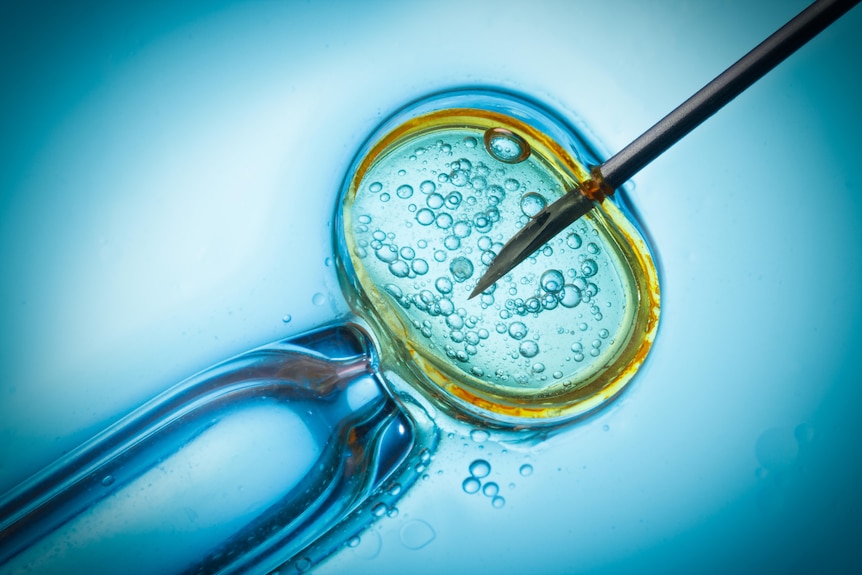
A federal review of the in-vitro fertilisation industry highlighted the lack of a national donor register. (Supplied: Adobe)
“We need to also ensure that the donors — especially retrospective donors before this became law — are given the right amount of support and counselling to help them identify the information they wish to share.“
In September, a federal “rapid review” of the assisted reproductive technology and IVF sector highlighted the risk of unregulated donations and the absence of a national donor register.
The report found while some jurisdictions have their own donor register, the databases are managed independently and are not linked.
“The lack of a nationally linked resource also compromises the ability of donor-conceived individuals to identify or verify donors, siblings, or medical information,” the report found.
The federal health department said ministers had agreed to make a referral to the Australian Law Reform Commission to explore options for harmonising and modernising relevant legislation nationally.
“Opportunities that seek to create more consistency in laws and regulations across jurisdictions for donations should be considered in the future to address this issue,” a spokesperson said.