- U.S. natural gas sector deals surge in 2025 on AI, LNG demand from Asia Reuters
- Natural Gas Stocks Surge: Energy Sector in Focus TipRanks
- Natural Gas: How sellers booked profits amid imminent resurgence FXStreet
- Energy Crunch Ahead: 3 Natural Gas Stocks Set to Gain MarketBeat
- 3 Natural Gas Stocks to Gain From Rising Clean Energy Demand Zacks Investment Research
Category: 3. Business
-
U.S. natural gas sector deals surge in 2025 on AI, LNG demand from Asia – Reuters
-

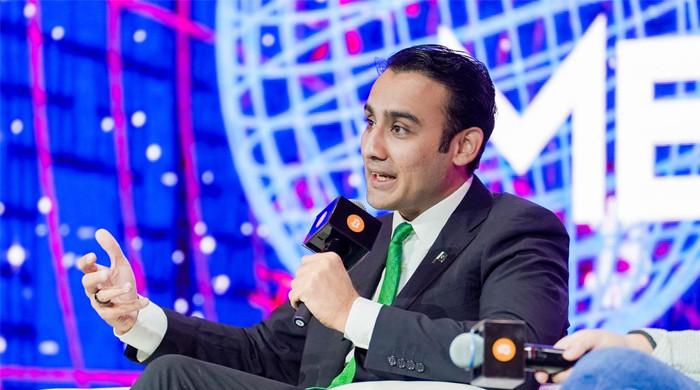
MDpanel CEO Jason Erdell ’95 talks AI, adaptability in Cheng Lecture
At a time when artificial intelligence is transforming industries across the globe, Cornell Engineering alumnus Jason Erdell ’95 returned to campus Oct. 17 to offer students a candid look at how to thrive in a time of rapid technological change.
Erdell, chairman and CEO of MDpanel, delivered his talk as part of the Mei-Mei Wei and Amy Cheng Distinguished Lecture Series, which brings accomplished alumni back to campus to share their insights on leadership, innovation and the future of engineering.
Erdell’s path since graduating from Cornell’s School of Operations Research and Information Engineering has taken him through Silicon Valley, management consulting and the private equity world. Today, he leads MDpanel, a company that uses AI, machine learning and data science to transform the delivery of medical opinions for insurers and healthcare organizations.
“Cornell taught me rigor,” he said. “It may not feel like it at the time, but that grit, that ability to struggle through a hard problem, is one of the greatest advantages you’ll carry forward.”
Before MDpanel, Erdell served as CEO of Aspirion, where he led similar AI-driven innovations in reimbursement services for major health systems. Across three decades of experience at the intersection of health care, technology and finance, he has focused on modernizing a system he calls “one of the most inefficient and complicated in the world.”
Erdell began his talk by reflecting on the extraordinary pace of AI development and the implications for productivity and work. “If you look at what’s happening right now,” he said, “the level of productivity increase that AI is driving is astronomical. The prosperity that’s going to come from it is immense.”
Comparing the current AI boom to the dawn of the internet, he argued that the stakes are even higher today. “When I was leaving Cornell, the web was just emerging. That was a huge wave of innovation, but this one is far bigger.”
Still, Erdell urged caution and reflection. AI, he said, may ultimately force society to rethink the very concept of work.
“There could come a point where the idea of a traditional job doesn’t exist anymore,” he said. “So what differentiates us as humans? Adaptability, creativity and continuous learning.”
Erdell organized his talk around what he called his three “bubbles” of growth: comfort, competency and innovation, with each representing a key to career success in an AI-driven world.
Expanding your comfort bubble
Erdell encouraged students to “embrace the struggle,” citing his own decision to leave consulting for an unexpected role at Gap, Inc.
“I knew nothing about fashion,” he admitted. “But I learned how to influence and/ or lead creative people and make decisions driven by empathy, not just logic.”
Expanding your competency bubble
In a world where entire professions can vanish overnight – “cartographers, for example,” Erdell said – breadth of skill is insurance against obsolescence.
“Don’t just go deep, go wide,” he advised. “The more competencies you have, the more adaptable you’ll be when the world shifts.”
Finding innovation bubbles below the surface
Rather than chasing the biggest, most obvious markets, Erdell argued that innovators can often find success by applying proven ideas in overlooked sectors.
“You don’t have to invent the next AI chip,” he said. “You can take what’s already working and apply it where others aren’t looking. For me, that’s health care administration, an industry that’s lagging, but full of opportunity.”
Throughout the lecture, Erdell emphasized the importance of lifelong learning and resilience.
“My life has been a beautiful collection of failures,” he said. “It’s through failure and discomfort that you grow.”
He urged students to take advantage of Cornell’s breadth, including its liberal arts courses, business law electives and cross-disciplinary environment, as a way to build flexibility of thought.
“You’re building yourself as an asset,” he said. “Don’t stop learning after you leave here.”
As a final takeaway, Erdell shared one of his company’s guiding principles – borrowed, he said, from the Mayo Clinic: “Think big, start small, move fast.”
“Focus on solving big problems,” he explained, “but start with the smallest viable step. Get your idea into the world, see how it behaves and iterate quickly.”The talk ended with a Q&A that ranged from generative AI applications to the ethical use of technology. Erdell’s message to students was both pragmatic and optimistic: “AI will change everything,” he said. “But the people who succeed will be those who stay curious, keep learning and aren’t afraid to adapt.”
The Mei-Mei Wei and Amy Cheng Distinguished Lecture Series celebrates Cornell Engineering alumni whose work exemplifies leadership, innovation and impact across diverse industries.
Chris Dawson is a communications coordinator for Cornell Engineering.
Continue Reading
-

The Institute of International Finance > Events > Meeting
As we look forward to COP30 in Brazil, we are pleased to announce our upcoming IIF Workshop on Climate Resilience and Adaptation Finance, hosted by UBS and UBS BB on Thursday November 6 in São Paulo.
Featuring conversations with policymakers, expert panel discussions, and real-world case studies, this invitation-only workshop will be focused on practical solutions for advancing climate adaptation and resilience and the role of private financial institutions, corporates, and governments in supporting capital flows towards these critical investments. We look forward to diving into a frank discussion on how financial institutions are working with their clients to surface adaptation investment opportunities, the evolving financial instrument and capital markets toolkit (including sustainable debt), and the types of policy and regulatory frameworks that are needed to support both private and public-sector investment in resilience.
This event will be held under Chatham House Rule and closed to the press.
If you have any questions, please contact Serena Chen at ([email protected]).
Continue Reading
-

Bosch warns production at risk as Nexperia dispute hits auto suppliers | Automotive Industry News
China has banned exports of Nexperia’s finished products, which are widely used in car parts, in response to the Netherlands seizing control of the company.
Published On 24 Oct 2025
German car parts supplier Bosch is preparing to furlough staff at its Salzgitter plant if a trade dispute between China and the Netherlands over Dutch chipmaker Nexperia is not resolved soon, amid mounting concerns in Europe’s beleaguered car industry.
Bosch and other suppliers are scrambling for alternatives after China banned exports of Nexperia’s finished products in response to the Netherlands seizing control of the company, whose Chinese owner Wingtech has been flagged by the United States as a possible national security risk.
Recommended Stories
list of 4 itemsend of list
Because Nexperia’s chips are widely used in car parts, the standoff risks adding to problems for Europe’s carmaking sector on top of US tariffs and Chinese curbs on rare-earths exports.
“We are currently doing everything we can to serve our customers and avoid or minimise production restrictions,” a Bosch spokesperson said in an emailed statement to the Reuters news agency.
“We have not yet made any adjustments to working hours at our German locations, but are preparing to do so, particularly in Salzgitter,” she said, adding that potential furlough measures were being prepared at the plant.
Salzgitter is Bosch’s lead plant for motor control units for combustion and electric vehicles, and employs about 1,400 staff.
Earlier on Friday, Volkswagen said it had secured production in Germany for the coming work week across the group, which includes the core VW brand and luxury subsidiary Porsche.
“In view of the dynamic situation, however, short-term impacts on the production network of the Volkswagen Group cannot generally be ruled out,” a spokesperson said.
Worsening situation
BMW and Mercedes have also warned that their supplier networks are affected.
A regional representative of Germany’s IG Metall union warned on Friday of a worsening situation.
Some automotive suppliers are already seeing “severe difficulties” and have started to announce furlough schemes for workers, Horst Ott, IG Metall district manager in the southern state of Bavaria, said at an industry event in Munich.
He did not mention any companies by name.
Bosch said it was drawing on alternative suppliers and optimising inventories in its global production network in a bid to prevent production stoppages.
Most Nexperia chips are manufactured in Europe, but packaged in China.
Industry sources say switching suppliers is possible, with Infineon, NXP and Texas Instruments possible alternatives, but this takes time due to approval processes.
Auto industry bodies have called for a political solution.
Dutch Prime Minister Dick Schoof discussed the situation with other European leaders during an EU summit in Brussels this week.
Continue Reading
-

FDA Grants Fast Track Designation to Zenocutuzumab in NRG1+ Cholangiocarcinoma
The FDA has granted breakthrough therapy designation to zenocutuzumab-zbco (Bizengri) for the treatment of adults with advanced unresectable or metastatic cholangiocarcinoma harboring a NRG1 gene fusion.1
The designation was based on findings from the phase 2 eNRGy trial (NCT02912949), updated results from which were presented at the 2025 AACR-NCI-EORTC International Conference on Molecular Targets. The data will also serve as the basis for the 2026 filing of the agent’s supplemental biologics license application to the FDA.
“NRG1 fusions represent a rare but actionable driver in cholangiocarcinoma, and the data from the eNRGy trial continue to highlight the potential of zenocutuzumab to offer meaningful clinical benefit for these patients. I’m honored to present these findings at AACR-NCI-EORTC, where we can advance the dialogue around targeted therapies in hard-to-treat cancers,” Alison M. Schram, MD, principal investigator of the eNRGy trial and associate attending physician at Memorial Sloan Kettering Cancer Center in New York City, New York, stated in a news release.
What was the design of the ongoing eNRGy trial?
The global, multicenter phase 1/2 eNRGy trial was designed to evaluate zenocutuzumab in patients with advanced NRG1-positive solid tumors, including cholangiocarcinoma, pancreatic ductal adenocarcinoma, and non–small cell lung cancer (NSCLC).2 To be eligible, patients had to be at least 18 years of age and have received a diagnosis of an advanced or metastatic solid tumor with a NRG1 gene fusion. Patients also had to be previously treated or unable to receive standard therapy and have an ECOG performance status between 0 and 2.
All patients received 750 mg of zenocutuzumab intravenously over a 2-hour infusion every 2 weeks until progressive disease or unacceptable toxicity. Tumor assessment was performed every 8 weeks. The first infusion of zenocutuzumab was administered over 4 hours and accompanied by premedication with antipyretics, antihistamines, and glucocorticoids to minimize the incidence of infusion-related reactions (IRR).
What data were presented at the 2025 AACR-NCI-EORTC meeting?
The cholangiocarcinoma cohort served as the focus of the AACR-NCI-EORTC presentation. A total of 22 patients were enrolled in the safety analysis cohort, 3 of whom were excluded from the primary efficacy cohort (n = 19) due to prior HER3-directed exposure and the presence of another oncogenic driver (n = 1).
The primary end point was investigator-assessed objective response rate (ORR) per RECIST 1.1. Secondary end points included duration of response (DOR), clinical benefit rate (CBR), and progression-free survival (PFS) per investigator assessment, as well as DOR, ORR, and PFS per blinded independent central review, and safety.
The median age was 57.5 years (range, 23-82), and most patients were women (55%). ECOG performance status was predominantly 0 (63%), and anatomic location was largely intrahepatic (82%). Most patients also had stage IV disease at screening (95%) and had discontinued treatment (82%) because of progressive disease (68%).
With respect to treatment history, 89% of patients received prior systemic therapy, which included chemotherapy (84%), immunotherapy (16%), anti-VEGF therapy (5%), and transarterial chemoembolization (5%). The median number of prior treatment lines was 1 (range, 0-4): 0 (11%), 1 (47%), 2 (26%), 3 (5%), and 4 (11%). The time since metastatic diagnosis was 9.3 months (range, 1.6-34.2).
The results indicated that the investigator-assessed ORR was 37% (95% CI, 16%-62%) and the CBR, defined as partial or complete response or stable disease for at least 24 weeks, was 58% (95% CI, 33%-80%). The median duration of treatment was 9.2 months (range, 1.0-31.0) and the median time to response was 1.9 months (range, 1.2-5.5). The median DOR was 7.4 months (range, 3.6-11.1).
The median PFS was 9.2 months (95% CI, 3.9-11.4); the estimated 6- and 12-month PFS rates were 64.7% (95% CI, 37.7%-82.3%) and 21.8% (95% CI, 5.5%-45.0%), respectively. At a median follow-up of 15.2 months (range, 1.2-34.1), the median overall survival (OS) was not evaluable ([NE] 95% CI, 16.1-NE); the estimated 12- and 18-month OS rates were 80.5% (95% CI, 50.6%-93.3%) and 67.1% (95% CI, 30.5%-87.5%), respectively.
“Patients with cholangiocarcinoma face an aggressive disease with limited standard therapy options,” Juan W. Valle, MBChB, MSc, FRCP, chief medical officer of the Cholangiocarcinoma Foundation, added in the news release.1 “The eNRGy trial results are encouraging, and they underscore how critical comprehensive molecular testing, notably tissue-based RNA next-generation sequencing [NGS], is to ensure that patients with rare drivers such as NRG1 fusions are identified and can potentially have access to targeted treatments.”
Among patients with evaluable CA 19-9 data (n = 16), all experienced a decline in serum levels, including a 50% or greater reduction in 68.8% (n = 11) of patients.2 The median time to first 50% or greater reduction was 1.0 month. Among patients with evaluable CEA data (n = 11), 63.6% (n = 7) experienced a 50% or greater reduction, with a median time of 1.0 month for the first 50% or greater reduction.
The safety profile was consistent with that of the overall eNRGy trial population. Most treatment-emergent adverse effects (TEAEs) were grade 1 or 2: anemia (all grade, 45%; grade 3/4, 14%), diarrhea (all grade, 41%; grade 3/4, 0%), hypomagnesemia (all grade, 27%; grade 3/4, 9%), abdominal pain (all grade, 27%; grade 3/4, 5%), cough (all grade, 27%; grade 3/4, 0%), fatigue (all grade, 27%; grade 3/4, 0%), nausea (all grade, 27%; grade 3/4, 0%), alanine aminotransferase increase (all grade, 23%; grade 3/4, 5%), and gamma-glutamyltransferase increase (all grade, 9%; grade 3/4, 9%).
Five patients (23%) experienced serious adverse effects, none of which were treatment related. No patients discontinued therapy because of treatment-related toxicity, nor did grade 5 TEAEs occur. One patient experienced grade 3 or greater treatment-related anemia, and two cases (9%) of grade 1/2 IRR occurred.
“In December 2024,
zenocutuzumab received accelerated approval 3 for the treatment of adults with advanced unresectable or metastatic NSCLC and pancreatic adenocarcinoma harboring a NRG1 gene fusion with disease progression on or after prior systemic therapy.1 The new data from the eNRGy trial highlight the potential of zenocutuzumab-zbco as a promising treatment option for patients with NRG1 fusion–positive cholangiocarcinoma,” Pritesh J. Gandhi, PharmD, chief development officer of Partner Therapeutics.“With the growing number of genomic alterations and gene fusions that are now actionable, it is imperative that oncologists order upfront tissue-based RNA NGS to ensure that gene fusions, of which NRG1 is just one, are not missed,” Gandhi concluded.
References
- Zenocutuzumab-zbco granted FDA breakthrough therapy designation for NRG1+ cholangiocarcinoma; data highlighting potential of zenocutuzumab-zbco in NRG1+ cholangiocarcinoma to be presented at AACR-NCI-EORTC. News release. Partner Therapeutics, Inc. October 23, 2025. Accessed October 24, 2025. https://www.partnertx.com/zenocutuzumab-zbco-granted-fda-breakthrough-therapy-designation-for-nrg1-cholangiocarcinoma-data-highlighting-potential-of-zenocutuzumab-zbco-in-nrg1-cholangiocarcinoma-to-be-presented-at-aacr-nci/
- Schram AM, Cleary JM, Arnold D, et al. Zenocutuzumab efficacy and safety in advanced NRG1+ cholangiocarcinoma: analysis from the phase 2 eNRGy trial. Presented at: AACR-NCI-EORTC Molecular Targets and Cancer Therapeutics; October 22-26, 2025; Boston, Massachusetts. Abstract A102.
- FDA grants accelerated approval to zenocutuzumab-zbco for non-small cell lung cancer and pancreatic adenocarcinoma. FDA. December 4, 2024. Accessed October 24, 2025. https://www.fda.gov/drugs/resources-information-approved-drugs/fda-grants-accelerated-approval-zenocutuzumab-zbco-non-small-cell-lung-cancer-and-pancreatic
Continue Reading
-
Eli Lilly bets on eye care with buyout of gene therapy developer Adverum – Reuters
- Eli Lilly bets on eye care with buyout of gene therapy developer Adverum Reuters
- Lilly to Acquire Adverum Biotechnologies PR Newswire
- ADVM Stock Alert: Halper Sadeh LLC Is Investigating Whether GlobeNewswire
- Inside Eli Lilly’s $300 Million Bet: How Obesity Billions Are Fueling a One-Shot Cure for Blindness CTOL Digital Solutions
- Shareholder Alert: The Ademi Firm investigates whether Adverum Biotechnologies, Inc. is obtaining a Fair Price for its Public Shareholders Morningstar
Continue Reading
-
Blenrep Returns: ADC Combo Approved for R/R MM – Medscape
- Blenrep Returns: ADC Combo Approved for R/R MM Medscape
- FDA delivers split decision on GSK’s blood cancer drug Blenrep, approving its use in some cases statnews.com
- Belantamab Mafodotin Can Help Fill Access Gaps in BCMA-Directed Myeloma Therapy: Hearn Jay Cho, MD, PhD AJMC
- Blenrep approved by US FDA for use in treatment of relapsed/refractory multiple myeloma Business Wire
- C Ola Landgren: FDA Approved GSK’s Drug, Blenrep Oncodaily
Continue Reading
-
IBM says key quantum computing error correction algorithm can run on conventional AMD chips – Reuters
- IBM says key quantum computing error correction algorithm can run on conventional AMD chips Reuters
- AMD’s stock pops 6% on report IBM can use its chips for quantum computing CNBC
- IBM and AMD speed up quantum computing progress XTB.com
- AMD hits all‑time high of $250 on IBM quantum error‑correction news Cryptopolitan
- IBM Runs Quantum Computing Algorithm on AMD FPGA Chips TechPowerUp
Continue Reading
-
P&G latest to flag diverging consumer spending as profit tops on beauty demand – Reuters
- P&G latest to flag diverging consumer spending as profit tops on beauty demand Reuters
- Stephanie Link: Procter & Gamble beats expectations with beauty sales surge to 6 percent Traders Union
- P&G Results Beat Estimates on Strength in Beauty, Razors The Business of Fashion
- (PG) Procter & Gamble Expects Fiscal 2026 Core EPS Range $6.83 to $7.09, vs. FactSet Est of $6.97 MarketScreener
- Procter & Gamble fiscal 1Q results top Street, sees less of an impact from tariffs for fiscal 2026 The Washington Post
Continue Reading