Category: 3. Business

  • New energy levy to hit charities and community groups

    New energy levy to hit charities and community groups

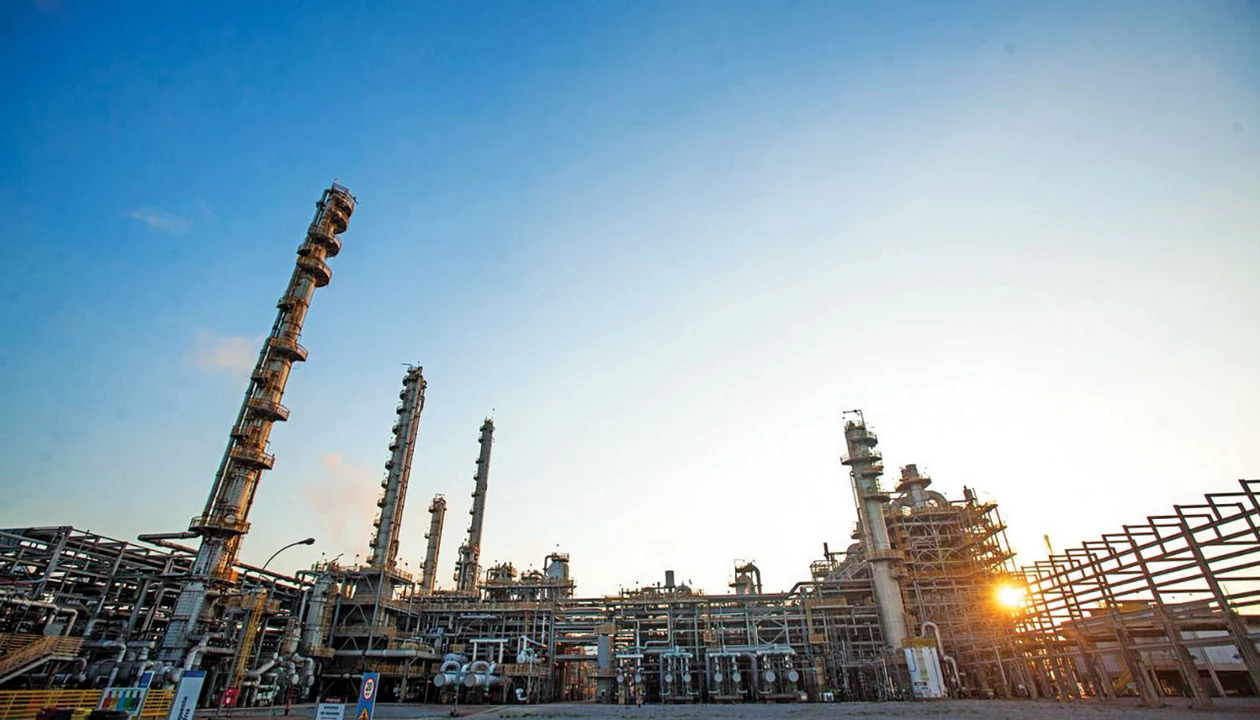
    Charities and small businesses say they will bear the brunt of additional energy charges when a new levy comes into force later this year.

    The Nuclear Regulated Asset Base (RAB) levy will fund a new nuclear power station at Sizewell in Suffolk, but while large electricity consumers will be exempt, charities will be forced to pay the full amount.

    Beth Wilson, CEO of Bristol charity Wellspring Settlement, said adding charges onto energy bills will have “real-world implications for the services we provide and the people we support”.

    A government spokesperson said small businesses and charities are at the “heart of our communities, which is why we have extended business rates relief”.

    Spike Island, a contemporary art centre in Bristol, recently funded solar panels, but say the new levy could add more than £1,000 a year to their electricity bill.

    Kate Ward, deputy director, said rising electricity costs will “prevent us from switching to low-carbon heating like heat pumps, increase our running costs and put our work with artists at risk”.

    Ms Ward added the government “needs to rethink how they approach electricity bills to make it viable for more charities and small businesses to make the right decisions for the planet”.

    Sizewell C is being built over the next 10 years and will cost £38bn to build, it will supply electricity to the equivalent of six million homes for at least 60 years.

    The government spokesperson said it is part of its clean energy “superpower mission”, which is the only way to bring down energy bills for good and “will also secure thousands of good, skilled jobs and billions in investment”.

    Continue Reading

  • HSBC hires banking veteran David Lindberg to lead its UK business

    HSBC hires banking veteran David Lindberg to lead its UK business

    Oct 21 (Reuters) – HSBC (HSBA.L), opens new tab said on Tuesday that it has appointed former NatWest (NWG.L), opens new tab executive David Lindberg as CEO of its UK business, months after the British banking group initiated a search to lead its ring-fenced division.
    Lindberg, set to begin his new role from December 8, has previously held positions in major Australian banks such as the Commonwealth Bank of Australia (CBA.AX), opens new tab, ANZ Group (ANZ.AX), opens new tab, and Westpac (WBC.AX), opens new tab.

    Sign up here.

    Most recently, he headed the Retail Banking division at British lender NatWest before stepping down earlier this year.

    In March, HSBC kicked off the process to find a new CEO for its UK business after appointing Ian Stuart to a newly created role in charge of customer engagement and culture.

    The Asia-focused lender has been divesting some of its businesses under CEO Georges Elhedery as it attempts to trim costs and simplify its sprawling operations.

    Shares of HSBC were up nearly 1% ahead of lunch break.

    Reporting by Rajasik Mukherjee & Disha Mishra in Bengaluru; Editing by Sherry Jacob-Phillips

    Our Standards: The Thomson Reuters Trust Principles., opens new tab

    Continue Reading

  • When active QT makes sense

    When active QT makes sense

    Christopher Mahon is head of Dynamic Real Return in Multi-Asset Investing at Columbia Threadneedle Investments

    At the Bank of England’s September meeting, the Monetary Policy Committee voted to continue with its policy of active QT, albeit in a reprofiled form. This was a disappointment.  

    As a reminder the BoE has been selling the bonds it accumulated during quantitative easing. Most other central banks are content to passively let their bonds mature.

    Gilt sales have totalled £107bn so far. Investors say this has driven up borrowing costs and is pressuring public finances. Active QT may ultimately increase debt servicing costs by between £16-£60bn.

    So, let’s take a look at the arguments for active QT. Spoiler — none pass the smell test today. 

    1) To shrink the balance sheet so ‘we can be ready next time’

    The Bank calls this “increasing the headroom and flexibility” so that it can respond to a crisis in the future.

    The BoE has so far shrunk its balance sheet by over £330bn. In nominal terms, this gives it room to do a Brexit-sized stimulus (£60bn), the original GFC-sized stimulus (£200bn) or, if counting in terms of BoE balance sheet-to-GDP, a pandemic-sized stimulus should it need.  

    Whether the Treasury would allow a repeat is another question. Cumulative losses of £133bn might give policymakers pause for thought.

    The BoE argues it needs to go further. The headroom will naturally increase, as the bonds themselves mature. But why does it still need to use active QT to get there faster?

    2) Because the BoE holdings have a particularly long maturity profile

    The BoE has argued that because its bonds have a longer maturity profile than other central banks, it can’t rely on passive QT alone. And it’s true that if active QT was ruled out, the Bank’s balance sheet would shrink more slowly than other central banks.

    But the BoE isn’t just matching other central banks’ QT pace, it’s going faster — about twice as fast as the Fed and the ECB. If matching the pace of other central banks was the reason, the BoE could recalibrate with fewer gilt sales.

    Some content could not load. Check your internet connection or browser settings.

    3) The size of the balance sheet is an inflation risk

    Selling gilts tightens monetary conditions and so could help control inflation. But does it work?

    The theory is weakened by a maturity mismatch in the BoE QE programme. For instance, UK household borrowings tend to be unusually sensitive to short term rates (think 2-5-year fixed rate mortgages versus 30-year rates in America).

    So, the transmission mechanism to the UK economy from the BoE buying a 30-year or 50-year gilt was weak and opaque. If one is using active QT to tighten policy, the same flaw applies in reverse. The transmission mechanism from selling a 30-year gilt is weak and opaque.

    For real world evidence consider this: the BoE is running the most aggressive QT programme but comfortably has the G7’s highest inflation rate. This is hardly an advertisement for the inflation busting credentials of active QT.

    4) To exit a QE programme in the least costly way 

    There are times when active QT is the most financially effective way to bring a QE programme to an end. Today is not one of them. To understand why, let’s recap how QE works.

    Under QE, a central bank swaps bonds for interest-bearing bank reserves. This worked well in 2009 when rates were close to zero — and locking in a 3 per cent yield on a 30-year bond looked attractive.

    As time went by, the trade became less attractive. By 2021, the BoE was buying gilts even when yield was down at 0.5 per cent. The “spread” between cash and gilts had become negligible. 

    Fast forward to today, with cash rates at 4 per cent, those trades are deeply underwater. Most of this is a sunk cost the country will never get back. But a small part is not. To distinguish the two, we must stop focusing on book cost and start thinking about the market value the Bank receives when it auctions off its gilt holdings.

    Take the 0.5% 2061 gilt. Since the BoE first bought it, the price has fallen from £101 to £25. As such, it now yields just over 5 per cent. Will this gilt earn its keep when cash rates are 4 per cent? Probably, yes. But how about over the long term?

    For a central bank with the ability to hold to maturity, what matters is whether the yield on the bonds is greater than the likely average of the cash rates it will pay on reserves. Roughly speaking, the expected cost of finance for the Bank to hold a 30- or 50-year gilt should be similar to the neutral (or equilibrium) rate.

    The Fed’s dot plot shows the longer-term rates expected in the US. The Bank of England does not publish an equivalent, but their comments suggest UK neutral is near 3 per cent. A range of 2-4 per cent more than covers our bases.

    Some content could not load. Check your internet connection or browser settings.

    When the BoE first mooted active gilt sales back in May 2022, gilts yielded less than 2 per cent. Active QT made perfect sense as the gilts paid less than the neutral rate.

    But today gilts yield far more than any realistic neutral rate. To a central bank these are lowball prices. Taxpayers would probably thank them for cancelling further gilt sales.

    5) To help your chancellor hit her golden rules 

    There is one taxpayer who might not thank the Bank for ending gilt sales: the chancellor.

    This is because ongoing interest rate losses are treated differently from losses crystallised when they sell a bond in the government’s fiscal rules.

    Gilt sales end up being a little bit helpful for those targets — even if it ends up hurting taxpayers in the long term.

    The Bank itself — rightly — does not use this logic. Giving taxpayers a worse outcome to help the political needs of the Chancellor of the day would be a terrible reason to continue active QT.

    Where does this leave us?

    Back in 2021, the House of Lords accused the Bank of showing QE “in a more positive light than the academic literature”. Today, the Bank appears to be underplaying the role of active QT on yields compared to independent research and has turned off the usual survey questions it could use to canvas alternative opinions from market participants. I’ve previously coined this behaviour “the incurious MPC”.

    Implicit in the decision to scale back long end gilt sales is an admission that the previous approach was wrong. It’s an admission that there are trade-offs: speed of QT versus gilt yields and costs to taxpayers.

    Being open about these trade-offs means changing the orthodoxy famously expressed by Sir Dave Ramsden, the Bank’s Deputy Governor for Markets and Banking, when he said that “decisions about the scale, pace and composition of QT were not and will not be affected by value-for-money considerations”. Likewise, the MPC is clear — it takes neither profit nor financial risk into account when making decisions around QE/ QT.

    This Bank orthodoxy risks being seen as an ‘ivory tower’. Carefully assessing value-for-money (without political interference) would not undermine BoE independence, as the Bank claims. It would reinforce the BoE’s core mission of “promoting the good of the people of the UK”, which includes aiding long-term financial stability.

    Failing to consider ‘financial risk’ has helped the Bank build a QE programme that has generated losses four times larger than the Fed’s, when scaled as a share of GDP. This is not helpful to the Bank’s mission of aiding long-term financial stability.

    One tiny glimmer of hope? Calls to halt active QT are coming from ever-wider circles. And the Bank itself has had its first split vote on QT. Maybe — just maybe — their orthodoxy is creaking. It’s time for it to crack.


    The author manages multi-asset portfolios some of which have benchmarks or allocations that include gilts. He is currently “neutral” on the allocation.

    Continue Reading

  • How Companies Are Reframing Climate Communication in 2025 – FTI Consulting

    1. How Companies Are Reframing Climate Communication in 2025  FTI Consulting
    2. McKinsey at Climate Week: Scaling Innovation, Accelerating Opportunity  McKinsey & Company
    3. What Has Climate Week NYC Taught Us In The Lead Up To COP30?  Forbes
    4. What You Need To Know From Climate Week NYC and the Path to COP30  Morningstar
    5. 5 Indigenous Takeaways From NYC Climate Week  NDN Collective

    Continue Reading

  • Yin-Hua Li-Shi Decoction alleviates atopic dermatitis through regulati

    Yin-Hua Li-Shi Decoction alleviates atopic dermatitis through regulati

    Introduction

    Atopic dermatitis (AD) is the most prevalent chronic and pruritic inflammatory skin disease,1 characterized by epidermal desquamation, intense pruritus, and lichenified lesions.2 This disease affects 20% of children and 4% of adults globally, causing significant quality-of-life impairment due to chronic pruritus, sleep disturbance, and psychosocial burden.3,4 Common antigens triggering AD include house dust mites, Staphylococcus aureus enterotoxins, food allergens (eg, egg, milk), and environmental pollens.5 AD is a continuous process from acute to chronic phase, accompanied by three interconnected pathological mechanisms, skin barrier dysfunction, immune dysregulation, and abnormal neural signaling.6–8 Skin barrier dysfunction manifests as downregulated expression of barrier genes, such as loricrin (LOR), filaggrin (FLG), and elongation of very long-chain fatty acid (ELOVL).9–11 Immune dysregulation mainly results from sustained inflammation mediated by type I, II, and III adaptive immune responses driven by differentiated CD4+ T cells (Th1/ Th2/ Th17).12 Abnormal neural signaling manifests as sensory nerve hyperinnervation, upregulated pruritogens, such as interleukin (IL) −31 and thymic stromal lymphopoietin (TSLP), and neuroimmune crosstalk amplifying itch-scratch cycles.13 These three components reinforce each other.14 Environmental antigens first damage the skin barrier, which activates dendritic cells (DCs) and recruits Th cells. Activated Th cells release cytokines like IL-4, IL-13, and IL-31. These cytokines further break down barrier proteins and sensitize sensory nerves. Finally, neurogenic inflammation causes tissue damage which makes the immune system overactive, establishing a harmful cycle that worsens AD.15

    For decades, the cornerstone of AD treatment has relied on topical corticosteroids and topical calcineurin inhibitors,16 whose adverse effects include skin atrophy, pigmentation changes, anaphylaxis, and potential complications (eg, folliculitis or tinea infection) after drug discontinuation.17 Recent advances in biological agents and small molecule inhibitors have introduced novel treatment options for AD, such as dupilumab (targeting IL-4Rα), tralokinumab/ lebrikizumab (targeting IL-13), CIM331/ nemolizumab (targeting IL-31R), crisaborole (targeting Phosphodiesterase-4), and tofacitinib (targeting Janus kinase 1/ 3).18 At the same time, because of potential safety problems, high recurrence rate and high economic burden of the AD, the use of these drugs is limited. In this context, traditional Chinese medicine (TCM) has attracted the attention of clinicians and AD patients as a complementary treatment for AD, especially in and around China, due to its abundance of natural anti-inflammatory compounds.19

    Yin-Hua Li-Shi Decoction (YLD) is a TCM approved by medical institutions, which is composed of six herbs aimed at removing dampness. It has a long history of being used for the treatment of AD. The chlorogenic acid and luteoloside derived from honeysuckle in YLD has been shown to inhibit the secretion of pro-inflammatory cytokines such as IL-6 and TSLP that acts on multiple cell lineages, including macrophages, mast cells, neutrophils, DCs, and T cells, ultimately suppressing moderate to severe immune responses.20,21 However, the specific mechanisms underlying YLD in the treatment of AD were still unclear and lacked systematic validation.

    The present study was aimed at exploring the therapeutic effects and mechanisms of YLD in AD. We used MC903-induced AD-like mouse model to evaluate YLD therapeutic benefits for AD and to clarify the mechanisms by which it regulated immunity and restored the skin barrier.

    Material and Methods

    Drugs and Reagents

    All herbs were purchased from WanShiCheng Pharmaceutical Co., Ltd. (Shanghai, China), and authenticated according to the Pharmacopoeia of the People’s Republic of China 2020 Edition by Professor Huijun Pan from Shanghai Skin Disease Hospital, School of Medicine, Tongji University. Voucher specimens of these herbal materials were deposited at the Shanghai Skin Disease Hospital with reference numbers YL1-6. Chlorogenic acid and specnuezhenide used as standard compounds were from Meilunbio (Shanghai, China). MC903 was purchased from Macklin Biochemical Co., Ltd. (#C833062, Shanghai, China). Antibodies used in the study were obtained from the following sources: anti-FLG (#GTX23137, GeneTex, Beijing, China), anti-LOR (#A21039, ABclonal, Wuhan, China), anti-ELOVL6 (#A21094, ABclonal, Wuhan, China), anti-TSLP (#ab188766, Abcam, Cambridge, U.K)., anti-β-Actin (#AC026, ABclonal, Wuhan, China), HRP-conjugated Goat anti-Rabbit IgG (H+L) (#AS014, ABclonal, Wuhan, China), anti-IL-4 (#25-7042-42, Invitrogen, California, USA), anti-IL-17A (#506904, Biolegend, California, USA), anti-IFN-γ (#563376, BD Biosciences, New Jersey, USA), anti-rabbit IgG (H+L) Ab HRP Affinity purified polyclonal (#95058–730, KPL, Maryland, USA), anti-CD4 (#ab183685, Abcam, Cambridge, U.K)., anti-CD4 (#555349, BD Biosciences, New Jersey, USA), anti-CD8 (#100733, Biolegend, California, USA), anti-CD86 and anti-CD80 (#561962 and #561955, BD Biosciences, New Jersey, USA). ELISA kits used for analysis were IL-4 (#EM3199M, WellBio, Shanghai, China), IL-13 (#EM3167M, WellBio, Shanghai, China), TNF-α (#RK00027, ABclonal, Wuhan, China), and IgE (#RK00170, ABclonal, Wuhan, China). Annexin V-FITC/PI Apoptosis Detection Kit was purchased from Vazyme Biotechnology Co., Ltd (#A211-02, Nanjing, China). All other chemicals used in the experiments were of analytical grade.

    Preparation of YLD

    The YLD consists of six Chinese herbal medicines, including Jinyinhua (Honeysuckle), Shanyao (Yam, Siberian), Huangjing (Solomonseal rhizome), Digupi (Cortex lycii radices), Nvzhenzi (Fructus ligustri lucidi), Yiyiren (Coix seed), and the daily dose of adult clinical YLD is 54 g of crude drugs (Table 1). YLD extraction is the first step to adding 8 times amount of water in crude drugs (w/w), decocting 2 h after filtering, the rest of the student to join six times the amount of water decoction 1 h again. The above water extract was concentrated to 40 mL using a EYELA N-1300D-WB rotary evaporator, and the final YLD concentration had a crude drug equivalent of 6.00 g/mL. The concentration was appropriately diluted to crude drug equivalents of 3.00 g/mL and 1.50 g/mL to form medium and low doses, respectively. All prepared YLD samples were stored at 4 °C until subsequent use.

    Table 1 The Herbal Composition of YLD

    Quality Control of YLD

    Fingerprint Identification

    High-performance liquid chromatography (HPLC) was employed to construct a fingerprint profile and evaluate the quality of YLD and for quality control. Chlorogenic acid and specnuezhenide were dissolved in methanol to prepare a stock solution. The YLD reference solution (R) (200 μg/mL) was prepared by diluting the original 1.50 g/mL YLD solution and then filtering through a 0.45 μm membrane filter. The concentration of YLD extract (g crude herb/mL) represented a drug extract ratio, which was calculated by the quotient of total dry herb mass over final decoction volume.22 The YLD HPLC test solution (YLD sample) (150 μg/mL) was prepared by diluting the original 1.50 g/mL YLD solution and then filtering through a 0.45 μm membrane filter. The quality consistency validation and methodological parameters are detailed in Supplementary Information 1 Table S1. The content of the reference compounds in YLD was calculated based on the pre-constructed standard curves of chlorogenic acid and specnuezhenide. The fingerprint profile of YLD was identified by comparing the relative retention time and ultraviolet characteristics of the internal reference with the YLD test sample. The quality of YLD was controlled by comparing the similarity of the fingerprint profiles among 10 batches of YLD (S1-S10). To ensure batch consistency, all 10 tested batches were derived from the same cultivation batch of raw plants.

    The liquid chromatography system used was an Waters Alliance HPLC (Waters, Massachusetts, USA), consisting of an E2695 separation module and a 2998 photodiode array detector with an autosampler. HPLC was performed on an ZORBAX Eclipse Plus C18 column (4.6 mm × 250 mm, 5 μm) (Agilent, California, USA). The mobile phase consisted of solvent A (acetonitrile) and solvent B (0.1% phosphoric acid water), and the gradient elution conditions were shown in Table 2. The UV absorption wavelength was set at 230 nm, column temperature at 25 °C, injection volume at 10 μL, and flow rate at 1.0 mL/min.

    Table 2 HPLC Gradient Evaluation Conditions of YLD

    Ingredient Identification

    The components of YLD water extract were identified by liquid chromatography-tandem mass spectrometry (LC-MS). The YLD LC-MS test solution (600 μg/mL) was prepared by diluting the original 1.50 g/mL YLD solution and then filtering through a 0.45 μm membrane filter. The YLD water extract was analyzed using a LC-MS system composed of an ACQUITY UPLC I-Class HF ultra-high performance liquid chromatography coupled with a QE high-resolution mass spectrometer. The mobile phase consisted of solvent A (0.1% formic acid aqueous solution) and solvent B (acetonitrile). The sample was separated at a flow rate of 0.35 mL/min, and the gradient elution conditions are shown in Table 3.

    Table 3 LC-MS Gradient Elution Conditions of YLD

    LC-MS detection was performed using an ACQUITY UPLC HSS T3 column (100 mm × 2.1 mm, 1.8 μm) (Waters, Massachusetts, USA). Mass spectrometry data acquisition was carried out in electrospray ionization (ESI) positive and negative modes, and the data-dependent acquisition (DDA) mode was used, with a mass range of m/z 90 to 1300. The capillary temperature was set to 320 °C, and the probe heating temperature was set to 350 °C.

    Cell Culture

    Murine macrophage cell line (RAW264.7) and human keratinocyte cell line (HaCaT) were obtained from the National Collection of Authenticated Cell Cultures (Shanghai, China). RAW264.7 and HaCaT cells were cultured in DMEM (Gibco, USA) supplemented with 10% FBS (Gibco, USA) and 1% penicillin-streptomycin (Beyotime, China). All cultures were maintained in a humidified atmosphere with 5% CO2 at 37 °C.

    Animals

    Male BALB/c mice aged 8–9 weeks (weighing 22–25 g) were obtained from the SiPeiFu Biotechnology Co., Ltd. (Shanghai, China) and housed under SPF conditions. The mice were maintained at a room temperature of 26 °C with a relative humidity of 40% and a 12:12-hour light/dark cycle. They were provided with standard mouse maintenance feed and water ad libitum.

    Apoptosis Assay

    HaCaT cells were cultured in 6-well plates (30×104 cells per well) for 24 h. The 6-well plate was then subjected to a 24-hour incubation in the following groups: the PBS group (0 µg/mL YLD) and the PBS+YLD group (150 µg/mL YLD). Apoptosis of HaCaT cells was assessed using propidium iodide (PI) and fluorescein isothiocyanate (FITC)-labeled Annexin V staining, followed by detection and analysis with Navios 6 COLORS/2 LASER flow cytometer and FlowJo Software.

    Analysis of Macrophage Phenotype

    To induce the inflammatory phenotype of macrophages, RAW264.7 cells were treated with 0.5 µg/mL LPS and 2 ng/mL IFN-γ. 1 h prior to LPS and IFN-γ stimulation, RAW264.7 cells were treated with YLD (150 µg/mL) to assess the impact of YLD on macrophages. After 18 h, cells were incubated with CD86 and CD80 antibodies for 30 minutes. The Navios 6 COLORS/2 LASER flow cytometer and FlowJo software were used to evaluate the differentiation of YLD in suppressing the inflammatory phenotype of macrophages.

    Induction of AD-Like Mice Model and YLD Administration

    Fifty male BALB/c mice were induced with AD by repeated topical application of MC903 on their ears for 14 days. The mice were randomly divided into five groups (n = 10/group): control mice treated with ethanol (Ethanol), control mice treated with MC903 alone (MC903), experimental mice treated with both MC903 and low-dose YLD (YLD-L), experimental mice treated with both MC903 and medium-dose YLD (YLD-M), and experimental mice treated with both MC903 and high-dose YLD (YLD-H). In brief, Ethanol group was topically applied with 20 μL of ethanol on the ears daily, while other groups were sensitized with 2 nmol of MC903 on the ears daily for 15 days (Day 0 to Day 14). From Day 1 to Day 14, Ethanol group received daily treatment with ethanol, and YLD-treated groups received oral administration after diluting YLD extract. Three different dosage levels were used: low, medium, and high, corresponding to final concentrations of 1.50 g/mL, 3.00 g/mL, and 6.00 g/mL of the YLD extract, respectively. The lose dose was calculated based on the clinical dose converted to mouse dose referring to the FDA human dose conversion table for animal doses. And each 20 g mouse received 0.15 mL decoction orally daily. The efficacy of the treatment was evaluated 12 h after the last administration (Day 15). Blood samples were collected by retro-orbital bleeding to obtain serum samples, and tissue samples were collected after cervical dislocation for subsequent experimental analysis.

    AD-Related Evaluation

    During the study, daily monitoring of mice included recording body weight using an electronic balance, measuring transepidermal water loss (TEWL) using an intelligent skin analyzer (#W-2100, Yizi-moqi, Guangzhou, China), assessing ear thickness using vernier calipers, and scoring AD (SCORAD). The SCORAD consisted of the following items: (i) pruritus/itching, (ii) erythema/hemorrhage, (iii) edema, (iv) excoriation/erosion, and (v) desquamation/dryness. Each symptom was graded as follows: 0 (no symptoms), 1 (mild), 2 (moderate), or 3 (severe). The total score for AD ranged from 0 to 15. Additionally, spleen index was measured on Day 15. The spleen index was calculated using the formula:

    Spleen Index (mg/g) = Spleen weight (mg) /Mouse weight (g).

    Histopathological Analysis

    Tissue specimens from the inflamed area of the ear were fixed in formalin and embedded in paraffin. For hematoxylin and eosin (HE) staining, paraffin sections were stained with hematoxylin and eosin. Samples were examined and captured using an optical microscope (QT50GS, Yuehe, Shanghai, China), and the epidermal thickness was counted at five randomly selected sites under 40× and 100× magnification. For toluidine blue (TB) staining, paraffin sections were stained with TB. Samples were examined and captured using an optical microscope, and the number of mast cells was counted at five randomly selected sites under 40× magnification.

    Enzyme-Linked Immunosorbent Assay (ELISA)

    Mouse blood samples were centrifuged at 12,000 g and 4 °C for 20 minutes to separate the upper serum. ELISA was performed to measure the concentrations of IL-4, IL-13, TNF-α, and IgE in the serum. The measurements were carried out using commercially available ELISA kits following the manufacturer’s instructions.

    Immunohistochemical Analysis

    Paraffin-embedded tissue specimens were incubated overnight with anti-FLG (1:500), anti-TSLP (1:500), and anti-CD4 (1:500). After washing with PBS, Anti-Rabbit IgG (H+L) Ab HRP Affinity purified polyclonal (1:200) were added and incubated for 1 h, followed by DAB staining. The sections were counterstained with hematoxylin. Immunohistochemically stained slides were examined and captured using an optical microscope, and records were taken at five randomly selected sites under 40× magnification.

    Western Blot Analysis

    Tissue protein lysates were obtained in RIPA buffer (Beyotime, Shanghai, China) containing PMSF (Beyotime, Shanghai, China). Protein concentration was quantified using a BCA assay kit (Beyotime, Shanghai, China). Proteins were separated by 10% SDS-PAGE (Servicebio, Wuhan, China) and then transferred onto PVDF membranes. The membranes were incubated overnight at 4 °C with corresponding primary antibodies: anti-FLG, anti-LOR, anti-ELOVL6, anti-TSLP (1:1000), and anti-β-Actin (1:2000). Subsequently, the membranes were incubated with secondary HRP-conjugated (1:1000) for 1 h to detect antibody binding. β-Actin was used as an internal reference. The target protein signals were analyzed using Image J application.

    Analysis of Spleen T Cells

    Spleen tissue was dissociated and filtered through a 70 μm cell strainer. The cell suspension was centrifuged, and resuspended in PBS to prepare a single-cell suspension. Red blood cells in the splenocytes were removed using ACK lysis buffer (#A1049201, Thermo Fisher Scientific, Massachusetts, USA) and washed before staining. Cells were incubated at 4 °C in the dark for 30 minutes with 2.5 μL of CD4 antibody and CD8 antibody. Subsequently, a permeabilization wash buffer was added. Then, 2.5 μL of IL-4, IFN-γ, and IL-17A antibodies were added, and the cells were incubated at 4 °C for 30 minutes. The analysis was performed using a Beckman moflo Astrios EQ flow cytometer with FlowJo Software, and the proportions of Th1, Th2, and Th17 cells in CD4+ T cells were recorded.

    Statistical Analysis

    Data analysis and graph plotting were performed using GraphPad software (version 8.0). Normality of data distribution was verified using the Shapiro–Wilk test (α=0.05). Normally distributed data were analyzed by one-way ANOVA with Tukey’s post hoc test. Data were expressed as mean ± standard deviation (SD), and one-way ANOVA was used for comparisons among multiple groups. A P-value < 0.05 was considered statistically significant.

    Results

    Fingerprint and Component Identification of YLD

    To ensure the stability of YLD, chlorogenic acid and specnuezhenide were selected as reference compounds and studied as specific indicators of YLD (Figure 1A). HPLC analysis was performed on the reference compounds, with a retention time of 12.7 minutes for chlorogenic acid and 26.3 minutes for specnuezhenide. The peak shape of both chlorogenic acid and specnuezhenide exhibited Gaussian distribution, with sharp and symmetrical peaks.

    Figure 1 HPLC fingerprint of YLD. Chromatogram at 230 nm showing the reference compounds and the chromatogram (A), and fingerprints of ten different batches (B) of YLD. (C) Distribution chart of the top 10 components in terms of content in YLD. (D) BPC chromatograms of YLD in positive and negative ion modes.

    The standard curves of chlorogenic acid and specnuezhenide reference compounds were provided in the Supplementary Information 1 Tables S2 and S3, Figure S1a and b). Based on the standard curves of these two reference compounds, the content of chlorogenic acid in YLD (clinical) was determined to be 2.697 mg/mL and the content of specnuezhenide was determined to be 8.405 mg/mL. We conducted fingerprint analysis of YLD from 10 batches (Figure 1B), and the highest similarity exceeded 0.9006 (Supplementary Information 1 Table S4). The above analysis data indicated that YLD was stable and of controllable quality.

    The chemical components of the YLD extract included a total of 705 compound molecules, which were identified using LC-MS. These 705 compounds were classified chemically based on their quantity and content, as shown in Figure 1C. The Base Peak Chromatogram (BPC) in both positive and negative ion modes is presented in Figure 1D. The top 15 most abundant compounds among the 705 metabolites identified are Secologanic acid, Citric acid, Cryptochlorogenic acid, GL3, Specnuezhenide, Secoxyloganin, Mannoheptulose, Sucrose, Turanose, Swertiamarin, D-Galactose, Verbenalol, Dambose, 5-Hydroxymethylfurfural, 6α-dihydrocornic acid, and Salidroside (Table 4). The quantitative and qualitative identification results of the 705 metabolites in the YLD extract are provided in the Supplementary Information 2.

    Table 4 Top 15 Most Abundant Compounds Among YLD Metabolites

    YLD Did Not Induce Apoptosis in HaCaT

    Flow cytometry, utilizing PI and membrane-associated protein V-FITC staining, was employed to assess the impact of YLD on apoptosis in HaCaT. After treatment with 150 μg/mL of YLD for 24 h, there was an increase in the percentage of apoptotic HaCaT but was no significant difference (Figure 2A). However, the viability of HaCaT remained above 80%. Generally, a cell survival rate greater than 80% post-drug treatment is considered indicative that the drug does not induce apoptosis.

    Figure 2 In vitro pharmacological activity of YLD. (A) Apoptotic HaCaT treated with 150 μg/mL YLD for 24 h were detected by flow cytometry. (B) M1 macrophages were treated with YLD (150 μg/mL) for 24 h and then detected the M1-phenotype surface marker (CD86 and CD80) by flow cytometry. The data was collected from three independent experiments and was presented as a mean ± SD.

    YLD Inhibited Macrophage to M1 Differentiation

    Macrophages, essential phagocytic cells of the immune system, play a crucial role in coordinating innate immune responses.23 It is noteworthy that macrophages also possess antigen-presenting capabilities, facilitating the presentation of antigen peptides to T cells, thereby initiating adaptive immune responses.24 M1 macrophages represent classically activated macrophages that exhibit a pro-inflammatory phenotype, characterized by the production of high levels of cytokines such as IL-1β, IL-6, and TNF-α.25

    Stimulation of RAW264.7 with 0.5 µg/mL LPS and 2 ng/mL IFN-γ for 24 h induced the differentiation of macrophages into the M1 subtype. CD86 and CD80 are widely used as markers for M1 polarization, with their upregulation considered indicative of activated macrophages polarizing towards the M1 phenotype. Examination of M1 macrophages stimulated by LPS and IFN-γ revealed higher expression of the specific functional markers CD86 and CD80, suggesting the induction of M0 differentiation into M1. In comparison to the LPS + IFN-γ group, YLD treatment for 24 h significantly downregulated the positivity rates of CD86 and CD80, which indicated that YLD possessed the capability to inhibit the differentiation of macrophages into the inflammatory phenotype (Figure 2B).

    YLD Alleviated Clinical Symptoms of MC903-Induced AD in Mice

    The experimental design for the model construction in this study was shown in Figure 3A. MC903 is a vitamin D3 analog that has been widely used as an experimental drug for establishing AD animal models.26 Under the stimulation of MC903, keratinocytes in mouse skin express and secrete TSLP, which induces the development of immature DCs to a mature phenotype by binding to TSLP receptors on DCs.27,28 The activated DCs further initiate the differentiation of naive Th0 cells into Th2 subsets, thereby inducing Th2-mediated inflammatory response, down-regulating the expression of skin barrier related proteins, and promoting the production of allergen-specific IgE by B cells.29 Thus, the mechanism by which MC903 induces AD-like skin lesions is similar to the pathogenesis of human AD.30

    Figure 3 Improvement of AD symptoms in mice by YLD. (A) Schematic representation of the construction of the AD animal model and treatment regimen: BALB/c mice aged 9 weeks were administered MC903 at a dose of 2 nmol/ear for 15 consecutive days, followed by treatment with 0.2 mL of YLD-L, YLD-M, or YLD-H for 14 days. (B) Visual images/representative phenotypic manifestations of the ears of mice from the Ethanol group, MC903 group, YLD-L group, YLD-M group, and YLD-H group on day 15 of AD induction. (C) Daily SCORAD during YLD treatment. (D) Daily percentage change in body weight of mice during YLD treatment. (E) The TEWL of AD-like mice during YLD treatment. (F) Percentage change in ear thickness of mice during YLD treatment measured using a micrometer. Data were expressed as mean ± SD (n = 10 for each group). ***P < 0.001.

    Compared to the ethanol group, continuous stimulation with MC903 resulted in typical AD symptoms, significant ear epidermal swelling, erythema, and crust formation in mice (Figure 3B). The SCORAD, used to evaluate the severity of skin lesions in the MC903 group, reached 8.50 (Figure 3C). However, the YLD-M and YLD-H groups shown significantly reduced severity of skin damage compared to the MC903 group, with SCORAD of 6.08 and 6.62, respectively. Additionally, AD caused a decrease in body weight in the MC903 group, which was improved after oral administration of YLD. The YLD-M group exhibited the best control of body weight (Figure 3D). Moreover, while both the YLD-M and YLD-H groups shown therapeutic effects, it was observed that the YLD-H group caused adverse reactions in the gastrointestinal tract of AD-like mice.

    Comparing the dynamic changes in TEWL in the lesional skin of mice in each group during YLD treatment, the results showed that the TEWL of mice in the MC903 group continued to increase under the action of MC903. There were significant differences between the MC903 group and other groups. After YLD treatment, TEWL in AD mice was significantly down-regulated, but there was no significant difference in TEWL between gradient YLD treatment groups (Figure 3E). AD-like mice’s ear thickness changes due to ear swelling during YLD treatment were statistically analyzed. Prolonged stimulation with MC903 resulted in significant ear swelling in mice, with an average change rate in ear thickness of 40.61% in the MC903 group at the end of AD induction. However, the average change rate in ear thickness was 25.24% in the YLD-L group, 23.17% in the YLD-M group, and 17.49% in the YLD-H group (Figure 3F), which was weaker than the counterpart in the MC903 group.

    YLD Ameliorated Skin Lesions in AD Mice

    HE staining was used to compare the epidermal lesions in the ears of AD-like mice and the YLD-treated groups. Compared to healthy ears, MC903-induced AD-like ears exhibited apparent hyperkeratosis (with a thickness of up to 95.36), incomplete keratinization, thickened spinous layers, increased granular layer, and infiltration of numerous inflammatory cells and eosinophils in the dermis (Figure 4A). The epidermal thickness in healthy mice was 36.31. In the YLD-L group, the epidermal thickness in mice could be reduced to 71.01. However, results shown that the mice in the YLD-M and YLD-H groups gradually reduced these skin lesion symptoms and decreased epidermal thickness (69.7 in the YLD-M group and 62.52 in the YLD-H group). From the perspective of epidermal thickness, the therapeutic effects of YLD-L, YLD-M, and YLD-H in AD-like mice demonstrated a dose-dependent pattern.

    TB staining was used to process ear specimens for counting classical immune sentinel mast cells to compare the number of inflammatory cells in the ears of AD-like mice and the YLD-treated groups. Mast cells are considered classical immune cells implicated in itch sensation, and their excessive infiltration can directly contribute to itching behavior in AD-like mice. By comparing sections from the blank group and AD-like skin, it was observed that the infiltration of mast cells in the dermis and subcutaneous tissue of AD-like mice significantly increased, surpassing the levels in healthy mice. However, in AD-like mice administered YLD orally, the infiltration of mast cells in the dermis and subcutaneous tissue decreased, and this reduction exhibited a correlation with the dosage (Figure 4B).

    Figure 4 Improvement of skin lesions in AD-like mice by YLD. (A) HE staining of longitudinal cross-sections of ears and quantification histogram of stratum corneum thickness within the field of view. A solid black line represented the stratum corneum. Scale bar represented 100 μm. (B) TB staining of longitudinal cross-sections of ears and quantification histogram of mast cell infiltration within the field of view. Red arrows indicated mast cells. Scale bar represented 100 μm. Data were expressed as mean ± SD (n = 10 for each group). ***P < 0.001.

    YLD Suppressed Pro-Inflammatory Cytokines in Serum

    To evaluate the inflammatory status of mice, the concentrations of pro-inflammatory cytokines and an antibody in collected serum samples were measured using ELISA. Treatment with MC903 increased levels of IL-4, IL-13, TNF-α cytokines, and IgE antibodies in the serum (Figure 5A). However, YLD reduced the serum levels of these pro-inflammatory factors in AD-like mice. Mainly, in the YLD-H group, the mice shown a decrease of 49% in IL-4, 38% in IL-13, 38% in TNF-α, and 35% in IgE.

    Figure 5 YLD alleviated AD by maintaining barrier protein expression and inhibiting pro-inflammatory factors. (A) Serum ELISA results shown that YLD downregulated the levels of typical pro-inflammatory factors IL-4/13, TNF-α, and IgE antibodies in AD-like mice, exhibiting a dose-dependent relationship. (B) Western blot results of AD-like skin lesions demonstrated that compared to MC903, YLD maintained the expression of typical barrier proteins FLG, LOR, and ELOVL6 in the skin lesions of mice with AD-like symptoms, with a dose-dependent effect observed for LOR and ELOVL6. Furthermore, compared to MC903, YLD downregulated the expression of pro-inflammatory factor TSLP in the skin lesions of AD-like mice. (C) Immunohistochemistry results of AD-like skin lesions shown that YLD maintained the expression of barrier protein FLG and inhibited the expression of pro-inflammatory factor TSLP, with a dose-dependent effect observed for the inhibition of TSLP. Scale bar represented 100 μm. Data were expressed as mean ± SD (n = 10 for each group). **P < 0.01, ***P < 0.001.

    YLD Upregulated Barrier Proteins and Downregulated Pro-Inflammatory Factors in Lesional Skin

    Previous studies indicated that AD lesional skin exhibits defects or downregulation of FLG, LOR, and ELOVL barrier proteins. To investigate the role of YLD in improving the downregulation of barrier proteins in AD-affected skin, western blot analysis was performed to examine the expression levels of barrier proteins. As shown in Figure 5B, the expression of FLG, LOR, and ELOVL was downregulated in the skin of mice treated with MC903, consistent with impaired barrier function in AD skin. However, in mice treated with YLD, the expression of FLG, LOR, and ELOVL increased, with the most significant upregulation observed in the YLD-H group. YLD also exhibited a typical downregulation effect on the pro-inflammatory cytokine TSLP. These protein expression assessments suggested that the anti-AD results of YLD were achieved by upregulating barrier protein expression and downregulating inflammatory factors.

    Furthermore, the expression of FLG and TSLP in the skin was visually observed using immunohistochemistry (Figure 5C). Under continuous stimulation by MC903, the expression level of FLG in mice significantly decreased while TSLP expression increased. After YLD treatment, the expression level of FLG in AD lesional tissues recovered, and the highly expressed level of TSLP was controlled. These results were consistent with the findings from the western blot. However, in immunohistochemistry, dose-dependency was primarily reflected in FLG, and no obvious dose-dependency was observed for TSLP.

    YLD Inhibited Splenic Atopic Immune Responses

    To elucidate the mechanisms by which YLD regulated immune responses, immunohistochemistry analysis was used to analyze the infiltration of CD4+ T cells in lesional tissues and flow cytometry was used to analyze the quantity and proportion of Th1/ Th2/ Th17 immune cells in the spleens of mice from different treatment groups, aiming to characterize the regulation of YLD on CD4+ T cell subsets in AD-like mice. Compared to the skin tissue of healthy mice, CD4+ T cell infiltration in the epidermis of AD lesional skin significantly increased, indicating severe adaptive immune responses induced by MC903 (Figure 6A). After YLD-L, YLD-M, and YLD-H treatments, a gradient reduction in infiltrating CD4+ T cells in the epidermis and dermis was observed, showing a correlation with the dosage. In the YLD-H treatment, the infiltration of CD4+ T cells in lesional areas approached levels seen in normal skin. As a typical immune organ, the spleen exhibited morphological changes indicative of AD-like immune responses, such as volume reduction. The number of immune cells in the spleen can represent the degree of immune responses. Morphologically, the spleen shown different degrees of shrinkage after treatment with MC903. However, YLD treatment attenuated the degree of spleen shrinkage (Figure 6B). Significant differences were observed in the spleens of the YLD-L and YLD-H groups compared to the MC903 group, which was also reflected in the spleen index.

    Figure 6 YLD exerted therapeutic effects in AD by inhibiting the activation of immune cells in the lesional skin. (A) Immunohistochemistry results shown a significant reduction in CD4+ T cell infiltrates in mice epidermis and dermis of the lesional skin after YLD treatment, compared to MC903. A slight dose-dependent relationship was observed among the three doses of YLD treatment. Red arrows indicated positive signal CD4+ T cells. (B) YLD inhibited splenic atopic immune responses, improved the typical atopic symptom of spleen shrinkage in AD-like mice, and restored the spleen index. Among the different doses of YLD treatment, YLD-H exhibited the most optimal inhibition of splenic atopic immune responses. Data were expressed as mean ± SD (n = 10 for each group). ***P < 0.001.

    Flow cytometry results shown that the proportions of CD4+ T, CD8+ T cells, and Th1, Th2, and Th17 cells in the spleens of AD-like mice significantly increased (Figure 7). Compared to healthy mice, the proportions of Th1, Th2, and Th17 cells in AD-like mice approximately doubled, representing the occurrence of type I, II, and III adaptive immune responses. Oral administration of YLD at all three dosages reduced the proportions of CD4+ T and CD8+ T cells in the spleen, indicating that YLD slowed down excessive immune responses. Moreover, YLD exerted different degrees of regulatory effects on type I, II, and III adaptive immune responses, as evidenced by the downregulation of the proportions of Th1, Th2, and Th17 cells.

    Figure 7 YLD exerted therapeutic effects in AD by modulating the balance of Th1/ Th2/ Th17 cells. YLD downregulated the CD4+/ CD8+ ratio and effectively controls the differentiation of Th1/ Th2/ Th17 cells induced by MC903 in CD4+ T cells after YLD treatment, relieving type I, type II, and type III immune responses. Furthermore, the inhibitory effect on Th cells differentiation correlated with the dose of YLD, with YLD-H exhibiting the best inhibitory effect on Th cells differentiation.

    Discussion

    The predominant mechanisms underlying AD pathogenesis were the adaptive immune response mediated by Th cells and the downregulation of barrier genes such as LOR, FLG, and ELOVL6, leading to epidermal barrier impairment.31 In non-lesional phase of AD, allergen stimulation of the skin leaded to excessive scratching, initially compromising the skin barrier. This response activated epidermal langerhans cells (LCs) and dermal DCs,32 resulting in infiltration and low-level activation of various Th cell subsets (Th1/ Th2/ Th17/ Th22).33,34 During the acute phase of AD, Th2/ Th22 cells significantly increased and released multiple inflammatory mediators,35 such as Th2-associated cytokines IL-4, IL-5, IL-13, IL-31, C-C motif chemokine ligand 18 (CCL18), and Th22-associated cytokines IL-22, S100A proteins, leading to acute skin inflammation.36 The immunomodulatory cytokines IL-4 and IL-13 released by Th2 cells induce significantly reduced expression of FLG,37 LOR,38 and ELOVLs39 in differentiated keratinocytes, thereby inhibiting the production of antimicrobial peptides and promoting colonization by Staphylococcus aureus.40 These consequences further worsened skin barrier impairment. In the chronic phase of AD, apart from Th2/ Th22 cells, Th1/ Th17 cells contributed to epidermal remodeling and hyperplasia.41

    The safety and efficacy of TCM in alleviating AD have been well established, and they were commonly used as an adjunctive therapy in clinical AD treatment.42 This type of TCM formula contains plants with anti-inflammatory effects, which can exert synergistic effects through different mechanisms and then produce stable therapeutic effects.43 This analysis revealed abundant contents of chlorogenic acid, luteoloside, and specnuezhenide in YLD. Chlorogenic acid accounted for 13.06% and specnuezhenide accounted for 8.83% of YLD, respectively. In previous studies, these components have demonstrated anti-inflammatory activity through mechanisms including inhibition of the MAPK/ERK/JNK pathway, the NF-κB pathway, and the JAK2/STAT3 pathway.44–46 From the compositional point of view, YLD seems to have a therapeutic effect on AD. However, the pharmacological actions of YLD in the treatment of AD remain unclear and lack systematic validation.

    Flow cytometry analysis showed that YLD treatment did not cause keratinocyte apoptosis, suggesting that it was not cytotoxic at commonly used doses. After specifying the concentration at which YLD had no effect on cell growth, we examined the effect of YLD on the regulation of antigen-presenting cells (APCs). T cell activation is mediated by APCs such as dendritic cells and M1-type macrophages.47 Costimulatory molecules such as CD80 and CD86 expressed by APCs activate specific immunity by interacting with CD28 on the surface of T cells.48,49 We confirmed in vitro that YLD inhibited the differentiation of M0-type macrophages into M1, suggesting that YLD may reduce T cell activation through this process.

    In vivo study, we used the vitamin D3 analog MC903 to induce AD-like skin lesions in mice. Following the continuous application of MC903 to mice, AD-like symptoms such as ear swelling, redness, and dryness were observed. Still, these symptoms were alleviated to varying degrees by oral administration of YLD. YLD was found to reduce the thickness of the stratum corneum, and alleviated epidermal edema, thereby reducing SCORAD in mice in a dose-dependent manner, with higher doses of YLD being more effective. YLD at all doses reduced mast cell infiltration in the epidermis and dermis and attenuated MC903-induced weight loss. The above results validate the therapeutic effect of YLD on AD.

    We found by western blot and immunohistochemistry that YLD reduced the elevated levels of the pro-inflammatory cytokines IL-4, IL-13, TNF-α, and TSLP, and IgE antibodies in AD-like mice, which were generally elevated in patients with moderate to severe AD. Notably, YLD may suppress pathogenic IgE production by downregulating IL-4 and IL-13, thereby inhibiting STAT6-mediated IgE class-switching in B cells.50 Additionally, YLD promoted the expression of essential proteins involved in maintaining epidermal barrier integrity, including FLG, LOR, and ELOVL, whose expression was down-regulated in MC903-treated mouse skin. As expected, we found that YLD reduced the proportion of CD4+T cells and CD8+ T cells, and downregulated the proportion of Th1/ Th2/ Th17 cells in splenic lymphocytes. These results suggest that the mechanisms of YLD in treating AD include regulating T cell differentiation and regulating type I, II and III immune responses. The ability of YLD to inhibit the differentiation of CD4+ T cells was dose-dependent. Among the three doses of YLD, YLD-H exhibited a potent inhibitory effect on immune responses, while YLD-M had a more suitable immunomodulatory effect with the number and proportion of Th cells approaching those of normal mice. YLD-M is the equivalent dose for human clinical use, and its appropriate immunosuppressive effect meets the clinical safety requirements.

    Although this work confirmed YLD efficacy in modulating Th responses and barrier repair, it remained unclear which component contributed to its anti-AD upstream signaling mechanisms. Future research will integrate existing LC-MS phytochemical data with network pharmacology approaches to identify its critical pharmacodynamic material basis and molecular targets, and clarify the synergistic mechanisms of its multicomponent system.

    Conclusions

    This study demonstrated that YLD can alleviate AD skin lesions, improve the histopathological characteristics of skin tissue, downregulate the levels of pro-inflammatory cytokines in serum and tissues, upregulate the expression of barrier genes, and inhibit T cell differentiation. These findings supported the therapeutic potential of YLD in AD by maintaining skin barrier function and suppressing adaptive immune responses, while also suggesting its potential for treating other inflammatory diseases. In summary, this study provided systematic validation of the therapeutic efficacy of YLD in AD, elucidated the mechanisms underlying its action in AD treatment, and provided a basis for applying YLD in AD.

    Data Sharing Statement

    The datasets generated and analyzed during this study are available from the primary corresponding author, Professor Zhongjian Chen, upon reasonable request.

    Ethics Approval

    The animal study was carried out in strict accordance with the National Institutes of Health Guide for the Care and Use of Laboratory Animals and approved by the Ethics Committee of Shanghai Skin Disease Hospital (Tongji University, Shanghai, China) (grant number: 2021-107).

    Author Contributions

    All authors made a significant contribution to the work reported, whether that is in the conception, study design, execution, acquisition of data, analysis and interpretation, or in all these areas; took part in drafting, revising or critically reviewing the article; gave final approval of the version to be published; have agreed on the journal to which the article has been submitted; and agree to be accountable for all aspects of the work.

    Funding

    This work was supported by the National Natural Science Foundation of China [grant numbers 82305231] and the Science and Technology Commission of Shanghai Municipality [grant numbers 21S21900900 and 22S21902700].

    Disclosure

    The authors report no conflicts of interest in this work.

    References

    1. Stander S. Atopic Dermatitis. N Engl J Med. 2021;384(12):1136–1143. doi:10.1056/NEJMra2023911. PubMed PMID: 33761208.

    2. Tokura Y, Hayano S. Subtypes of atopic dermatitis: from phenotype to endotype. Allergol Int. 2022;71(1):14–24. doi:10.1016/j.alit.2021.07.003. Epub 20210731. PubMed PMID: 34344611.

    3. Langan SM, Irvine AD, Weidinger S. Atopic dermatitis. Lancet. 2020;396(10247):345–360. doi:10.1016/S0140-6736(20)31286-1. PubMed PMID: 32738956.

    4. Silverberg JI, Gelfand JM, Margolis DJ, et al. Patient burden and quality of life in atopic dermatitis in US adults: a population-based cross-sectional study. Ann Allergy Asthma Immunol. 2018;121(3):340–347. doi:10.1016/j.anai.2018.07.006. Epub 20180716. PubMed PMID: 30025911.

    5. Zhang J, Li G, Guo Q, et al. Allergens in Atopic Dermatitis. Clin Rev Allergy Immunol. 2025;68(1):11. doi:10.1007/s12016-025-09024-7. Epub 20250210. PubMed PMID: 39924626.

    6. Gittler JK, Krueger JG, Guttman-Yassky E. Atopic dermatitis results in intrinsic barrier and immune abnormalities: implications for contact dermatitis. J Allergy Clin Immunol. 2013;131(2):300–313. doi:10.1016/j.jaci.2012.06.048. Epub 20250210. PubMed PMID: 22939651; PubMed Central PMCID: PMCPMC4281264.

    7. Li H, Zhang Z, Zhang H, Guo Y, Yao Z. Update on the Pathogenesis and Therapy of Atopic Dermatitis. Clin Rev Allergy Immunol. 2021;61(3):324–338. doi:10.1007/s12016-021-08880-3. Epub 20210802. PubMed PMID: 34338977.

    8. Liu AW, Gillis JE, Sumpter TL, Kaplan DH. Neuroimmune interactions in atopic and allergic contact dermatitis. J Allergy Clin Immunol. 2023;151(5):1169–1177. doi:10.1016/j.jaci.2023.03.013. PubMed PMID: 37149370; PubMed Central PMCID: PMCPMC10167546.

    9. Furue M. Regulation of Filaggrin, Loricrin, and Involucrin by IL-4, IL-13, IL-17A, IL-22, AHR, and NRF2: pathogenic Implications in Atopic Dermatitis. Int J Mol Sci. 2020;21(15). doi:10.3390/ijms21155382. Epub 20200729. PubMed PMID: 32751111; PubMed Central PMCID: PMCPMC7432778

    10. van den Bogaard EH, Elias PM, Goleva E, et al. Targeting Skin Barrier Function in Atopic Dermatitis. J Allergy Clin Immunol Pract. 2023;11(5):1335–1346. doi:10.1016/j.jaip.2023.02.005. Epub 20230219. PubMed PMID: 36805053; PubMed Central PMCID: PMCPMC11346348.

    11. Wu J, Li L, Zhang T, et al. The epidermal lipid-microbiome loop and immunity: important players in atopic dermatitis. J Adv Res. 2025;68:359–374. doi:10.1016/j.jare.2024.03.001. Epub 20240307. PubMed PMID: 38460775; PubMed Central PMCID: PMCPMC11785582.

    12. Biedermann T, Skabytska Y, Kaesler S, Volz T. Regulation of T Cell Immunity in Atopic Dermatitis by Microbes: the Yin and Yang of Cutaneous Inflammation. Front Immunol. 2015;6:353. doi:10.3389/fimmu.2015.00353. Epub 20150713. PubMed PMID: 26217343; PubMed Central PMCID: PMCPMC4500098.

    13. Jha MK, Han Y, Liu Z, et al. Type 2 cytokines pleiotropically modulate sensory nerve architecture and neuroimmune interactions to mediate itch. J Allergy Clin Immunol. 2025. doi:10.1016/j.jaci.2025.05.011. Epub 20250526. PubMed PMID: 40436117.

    14. Weidinger S, Beck LA, Bieber T, Kabashima K, Irvine AD. Atopic dermatitis. Nat Rev Dis Primers. 2018;4(1):1. doi:10.1038/s41572-018-0001-z. Epub 20180621. PubMed PMID: 29930242.

    15. Dainichi T, Kitoh A, Otsuka A, et al. The epithelial immune microenvironment (EIME) in atopic dermatitis and psoriasis. Nat Immunol. 2018;19(12):1286–1298. doi:10.1038/s41590-018-0256-2. Epub 20181116. PubMed PMID: 30446754.

    16. Pena J, Zameza PA, Pixley JN, Remitz A, Feldman SR. A Comparison of Topical Corticosteroids and Topical Calcineurin Inhibitors for the Treatment of Atopic Dermatitis. J Allergy Clin Immunol Pract. 2023;11(5):1347–1359. doi:10.1016/j.jaip.2023.03.022. Epub 20230329. PubMed PMID: 36997119.

    17. Freitas E, Gooderham M, Torres T. New Topical Therapies in Development for Atopic Dermatitis. Drugs. 2022;82(8):843–853. doi:10.1007/s40265-022-01722-2. Epub 20220521. PubMed PMID: 35596877.

    18. Yang X, Kambe N, Takimoto-Ito R, Kabashima K. Advances in the pathophysiology of atopic dermatitis revealed by novel therapeutics and clinical trials. Pharmacol Ther. 2021;224:107830. doi:10.1016/j.pharmthera.2021.107830. Epub 20210302. PubMed PMID: 33662453.

    19. Chew YL, Khor MA, Xu Z, et al. Cassia alata, Coriandrum sativum, Curcuma longa and Azadirachta indica: food Ingredients as Complementary and Alternative Therapies for Atopic Dermatitis-A Comprehensive Review. Molecules. 2022;27(17). doi:10.3390/molecules27175475. Epub 20220826. PubMed PMID: 36080243; PubMed Central PMCID: PMCPMC9457827.

    20. Dong F, Tan J, Zheng Y. Chlorogenic Acid Alleviates Allergic Inflammatory Responses Through Regulating Th1/Th2 Balance in Ovalbumin-Induced Allergic Rhinitis Mice. Med Sci Monit. 2020;26:e923358. doi:10.12659/MSM.923358. Epub 20200901. PubMed PMID: 32868754; PubMed Central PMCID: PMCPMC7485287.

    21. Gendrisch F, Esser PR, Schempp CM, Wolfle U. Luteolin as a modulator of skin aging and inflammation. Biofactors. 2021;47(2):170–180. doi:10.1002/biof.1699. Epub 20201225. PubMed PMID: 33368702.

    22. Monagas M, Brendler T, Brinckmann J, et al. Understanding plant to extract ratios in botanical extracts. Front Pharmacol. 2022;13:981978. doi:10.3389/fphar.2022.981978. Epub 20220930. PubMed PMID: 36249773; PubMed Central PMCID: PMCPMC9561911.

    23. Chen S, Saeed A, Liu Q, et al. Macrophages in immunoregulation and therapeutics. Signal Transduct Target Ther. 2023;8(1):207. doi:10.1038/s41392-023-01452-1. Epub 20230522. PubMed PMID: 37211559; PubMed Central PMCID: PMCPMC10200802.

    24. Guerriero JL. Macrophages: their Untold Story in T Cell Activation and Function. Int Rev Cell Mol Biol. 2019;342:73–93. doi:10.1016/bs.ircmb.2018.07.001. Epub 20180801. PubMed PMID: 30635094.

    25. Gao J, Liang Y, Wang L. Shaping Polarization Of Tumor-Associated Macrophages In Cancer Immunotherapy. Front Immunol. 2022;13:888713. doi:10.3389/fimmu.2022.888713. Epub 20220630. PubMed PMID: 35844605; PubMed Central PMCID: PMCPMC9280632.

    26. Alam MJ, Xie L, Yap YA, Robert R. A Mouse Model of MC903-Induced Atopic Dermatitis. Curr Protoc. 2023;3(3):e695. doi:10.1002/cpz1.695. PubMed PMID: 36913546.

    27. Leyva-Castillo JM, Hener P, Jiang H, Li M. TSLP produced by keratinocytes promotes allergen sensitization through skin and thereby triggers atopic march in mice. J Invest Dermatol. 2013;133(1):154–163. doi:10.1038/jid.2012.239. Epub 20120726. PubMed PMID: 22832486.

    28. Tanaka Y, Yokoyama Y, Kambayashi T. Skin-derived TSLP stimulates skin migratory dendritic cells to promote the expansion of regulatory T cells. Eur J Immunol. 2023;53(10):e2350390. doi:10.1002/eji.202350390. Epub 20230816. PubMed PMID: 37525585; PubMed Central PMCID: PMCPMC10592182.

    29. Maddur MS, Sharma M, Hegde P, et al. Human B cells induce dendritic cell maturation and favour Th2 polarization by inducing OX-40 ligand. Nat Commun. 2014;5:4092. doi:10.1038/ncomms5092. Epub 20140609. PubMed PMID: 24910129; PubMed Central PMCID: PMCPMC4388556.

    30. Hoshino Y, Kirima K, Arichika N, et al. Long-term application of MC903 in mice prolongs the characteristic symptoms of atopic dermatitis, such as inflammation, skin barrier dysfunction, and itching. Exp Anim. 2025;74(2):276–285. doi:10.1538/expanim.24-0088. Epub 20241226. PubMed PMID: 39721714; PubMed Central PMCID: PMCPMC12044355.

    31. Wang F, Trier AM, Li F, et al. A basophil-neuronal axis promotes itch. Cell. 2021;184(2):422–440. doi:10.1016/j.cell.2020.12.033. Epub 20210114. PubMed PMID: 33450207; PubMed Central PMCID: PMCPMC7878015.

    32. Xiao C, Zhu Z, Zhang C, et al. A population of dermal Langerin(+) dendritic cells promote the inflammation in mouse model of atopic dermatitis. Front Immunol. 2022;13:981819. doi:10.3389/fimmu.2022.981819. Epub 20221003. PubMed PMID: 36304463; PubMed Central PMCID: PMCPMC9592551.

    33. Iwamoto K, Numm TJ, Koch S, Herrmann N, Leib N, Bieber T. Langerhans and inflammatory dendritic epidermal cells in atopic dermatitis are tolerized toward TLR2 activation. Allergy. 2018;73(11):2205–2213. doi:10.1111/all.13460. Epub 20181030. PubMed PMID: 29672867.

    34. De Bruyn Carlier T, Badloe FMS, Ring J, Gutermuth J, Kortekaas Krohn I. Autoreactive T cells and their role in atopic dermatitis. J Autoimmun. 2021;120:102634. doi:10.1016/j.jaut.2021.102634. Epub 20210420. PubMed PMID: 33892348.

    35. Brunner PM, Guttman-Yassky E, Leung DY. The immunology of atopic dermatitis and its reversibility with broad-spectrum and targeted therapies. J Allergy Clin Immunol. 2017;139(4S):S65–S76. doi:10.1016/j.jaci.2017.01.011. PubMed PMID: 28390479; PubMed Central PMCID: PMCPMC5405702.

    36. Gittler JK, Shemer A, Suarez-Farinas M, et al. Progressive activation of T(H)2/T(H)22 cytokines and selective epidermal proteins characterizes acute and chronic atopic dermatitis. J Allergy Clin Immunol. 2012;130(6):1344–1354. doi:10.1016/j.jaci.2012.07.012. Epub 20120827. PubMed PMID: 22951056; PubMed Central PMCID: PMCPMC3991245.

    37. Honzke S, Wallmeyer L, Ostrowski A, et al. Influence of Th2 Cytokines on the Cornified Envelope, Tight Junction Proteins, and ss-Defensins in Filaggrin-Deficient Skin Equivalents. J Invest Dermatol. 2016;136(3):631–639. doi:10.1016/j.jid.2015.11.007. Epub 20151119. PubMed PMID: 27015451.

    38. Kim BE, Leung DY, Boguniewicz M, Howell MD. Loricrin and involucrin expression is down-regulated by Th2 cytokines through STAT-6. Clin Immunol. 2008;126(3):332–337. doi:10.1016/j.clim.2007.11.006. Epub 20071231. PubMed PMID: 18166499; PubMed Central PMCID: PMCPMC2275206.

    39. Berdyshev E, Goleva E, Bronova I, et al. Lipid abnormalities in atopic skin are driven by type 2 cytokines. JCI Insight. 2018;3(4). doi:10.1172/jci.insight.98006. Epub 20180222. PubMed PMID: 29467325; PubMed Central PMCID: PMCPMC5916244.

    40. Geoghegan JA, Irvine AD, Foster TJ. Staphylococcus aureus and Atopic Dermatitis: a Complex and Evolving Relationship. Trends Microbiol. 2018;26(6):484–497. doi:10.1016/j.tim.2017.11.008. Epub 20171209. PubMed PMID: 29233606.

    41. Orciani M, Campanati A, Caffarini M, et al. T helper (Th)1, Th17 and Th2 imbalance in mesenchymal stem cells of adult patients with atopic dermatitis: at the origin of the problem. Br J Dermatol. 2017;176(6):1569–1576. doi:10.1111/bjd.15078. Epub 20170427. PubMed PMID: 27639070.

    42. Cai X, Sun X, Liu L, et al. Efficacy and safety of Chinese herbal medicine for atopic dermatitis: evidence from eight high-quality randomized placebo-controlled trials. Front Pharmacol. 2022;13:927304. doi:10.3389/fphar.2022.927304. Epub 20220927. PubMed PMID: 36238577; PubMed Central PMCID: PMCPMC9551201.

    43. Yang Y, Zhang Z, Li S, Ye X, Li X, He K. Synergy effects of herb extracts: pharmacokinetics and pharmacodynamic basis. Fitoterapia. 2014;92:133–147. doi:10.1016/j.fitote.2013.10.010. Epub 20131028. PubMed PMID: 24177191.

    44. Wang L, Pan X, Jiang L, et al. The Biological Activity Mechanism of Chlorogenic Acid and Its Applications in Food Industry: a Review. Front Nutr. 2022;9:943911. doi:10.3389/fnut.2022.943911. Epub 20220629. PubMed PMID: 35845802; PubMed Central PMCID: PMCPMC9278960.

    45. Caporali S, De Stefano A, Calabrese C, et al. Anti-Inflammatory and Active Biological Properties of the Plant-Derived Bioactive Compounds Luteolin and Luteolin 7-Glucoside. Nutrients. 2022;14(6):1155. doi:10.3390/nu14061155. Epub 20220309. PubMed PMID: 35334812; PubMed Central PMCID: PMCPMC8949538.

    46. Wang QQ, Han S, Li XX, et al. Nuezhenide Exerts Anti-Inflammatory Activity through the NF-kappaB Pathway. Curr Mol Pharmacol. 2021;14(1):101–111. doi:10.2174/1874467213666200611141337. PubMed PMID: 32525787; PubMed Central PMCID: PMCPMC8778660.

    47. Soskic B, Jeffery LE, Kennedy A, et al. CD80 on Human T Cells Is Associated With FoxP3 Expression and Supports Treg Homeostasis. Front Immunol. 2020;11:577655. doi:10.3389/fimmu.2020.577655. Epub 20210108. PubMed PMID: 33488578; PubMed Central PMCID: PMCPMC7820758.

    48. Buchbinder E, Hodi FS. Cytotoxic T lymphocyte antigen-4 and immune checkpoint blockade. J Clin Invest. 2015;125(9):3377–3383. doi:10.1172/JCI80012. Epub 20150901. PubMed PMID: 26325034; PubMed Central PMCID: PMCPMC4588295.

    49. Ahmed I, Ismail N. M1 and M2 Macrophages Polarization via mTORC1 Influences Innate Immunity and Outcome of Ehrlichia Infection. J Cell Immunol. 2020;2(3):108–115. doi:10.33696/immunology.2.029. PubMed PMID: 32719831; PubMed Central PMCID: PMCPMC7384756.

    50. Geha RS, Jabara HH, Brodeur SR. The regulation of immunoglobulin E class-switch recombination. Nat Rev Immunol. 2003;3(9):721–732. doi:10.1038/nri1181. PubMed PMID: 12949496.

    Continue Reading

  • Multiple roles of palmitic acid in cardiovascular diseases

    Multiple roles of palmitic acid in cardiovascular diseases

    Introduction

    Palmitic acid (PA) is a 16-carbon long-chain saturated fatty acid (SFA),1,2 which is widely found in animals and plants.3 It is an essential constituent acid of adipose tissue and the most abundant SFAs in the body,4 accounting for approximately 44–52% of the body’s total fat content5 and 28–32% of the total serum fatty acid (FA).6

    Cardiovascular diseases (CVD) is one of the deadliest diseases worldwide.7 CVD mainly includes coronary heart disease, cerebrovascular disease, peripheral artery disease, rheumatic heart disease, congenital heart disease, deep vein thrombosis, and pulmonary embolism.8 In addition, atrial fibrillation is very closely linked to atherosclerosis (AS) and has largely the same pathophysiological basis as other CVD: endothelial dysfunction and inflammation, coronary artery disease is an important and clinically relevant risk factor of atrial fibrillation.9 According to the World Health Organization, 17.3 million people died from CVD in 2016, accounting for 31.5% of all deaths. This number is expected to increase to 23.6 million by 2030.8 The mortality rate of CVD has exceeded that of cancer, infectious diseases, maternal diseases, and neonatal diseases.10 Hyperlipidaemia (elevated total cholesterol (TC), triglycerides (TG), low-density lipoprotein cholesterol (LDL-C), and reduced high-density lipoprotein cholesterol (HDL-C)), Systemic inflammation, and oxidative stress play a crucial role in the development of CVD.11–14

    Emerging evidence indicates that elevated circulating FA levels correlate with CVD incidence, and free fatty acids show diagnostic potential as early biomarkers for AS.15–20 In vivo and in vitro experiments evidence suggests potential mechanisms linking PA intake with CVD pathogenesis.21,22 Epidemiological studies also indicate that high dietary PA exposure associates with increased CVD risk across diverse populations.23,24 Elevated serum PA concentrations have been proposed to heighten atrial fibrillation risk primarily through PA’s impact on endothelial dysfunction and inflammation.25 However, critical gaps persist in current research: the analysis of PA’s biosynthetic pathways remains incomplete, with insufficient mechanistic delineation specific to individual pathologies, particularly AS, ischemic heart disease (IHD), and ischemic stroke (IS); in addition, lack of translational research frameworks connecting PA-related molecular mechanisms to therapeutic strategies; finally, while substantial evidence supports PA’s detrimental cardiovascular effects, several studies report context-dependent outcomes (Table 1). To address these gaps, this review: Systematically synthesizes PA’s anabolic pathways and pathological mechanisms in AS, IHD, and IS; Identifies novel targetable nodes for CVD prevention/treatment by pinpointing therapeutically exploitable sites within key biological pathways.

    Table 1 Palmitic Acid Associations with Traditional Cardiovascular Risk Factors

    Methods

    A systematic search was performed across four electronic databases (PubMed, Scopus, Web of Science, and Google Scholar) to comprehensively identify literature examining the association between palmitic acid and specific cardiovascular diseases, namely atherosclerosis, ischemic heart disease, and ischemic stroke. Search results were merged and deduplicated. Initial study inclusion/exclusion was determined by screening titles and abstracts. The review encompassed literature published through December 2024.

    The Anabolic Pathways of Palmitic Acid

    Endogenous Synthesis and Exogenous Uptake of Palmitic Acid

    Palmitic acid is mainly synthesized in the liver. In the de novo synthesis, glucose and glutamine produce pyruvate by glycolysis, which undergoes the tricarboxylic acid cycle in the mitochondria to produce citrate. And then the citrate is cleaved in the cytoplasm by ATP-citrate lyase (ACLY) to Acetyl-CoA and oxaloacetate. Acetyl-CoA is then carboxylated to malonyl-CoA by acetyl-CoA carboxylase (ACC) and condensed by fatty acid synthase (FASN) in a repeated reactions to generate PA.30,31 The endogenous synthesis of PA is controlled precisely under normal circumstances. However, when carbohydrate intake is excessive, the carbohydrate response element-binding protein (ChREBP) is activated, upregulation of the transcription factor sterol regulatory element binding protein-1c (SREBP-1c) and resulting in insulin production, which subsequently increases PA production32–34 (Figure 1).

    Figure 1 Endogenous synthesis and exogenous uptake of palmitic acid. In the de novo synthesis, glucose and glutamine are enzymatically catalyzed to produce citrate, which is cleaved to acetyl-CoA and oxaloacetate. Acetyl-CoA is carboxylated to malonyl-CoA, which is condensed by the repeated actions of FASN to produce PA. In the process of exogenous uptake, dietary fat is digested into free fatty acids and monoglycerides through the emulsification of bile acids in the duodenum and upper jejunum, which are then absorbed and converted into TG by intestinal epithelial cells, and then combined with apolipoproteins to form chylous particles, which enter the lymphatic system and the ultimately the bloodstream.

    Exogenous Uptake Pathway of Palmitic Acid

    Palmitic acid is found in plant oils including palm oil, peanut oil, and coconut oil, as well as in animal fats like butter and cream. Therefore, the human body can also obtain PA through exogenous dietary intake.35,36 The primary sites for digestion and absorption of fats in the human body are the duodenum and the upper jejunum. When the body consumes fats containing PA from the diet, they are emulsified by bile acids to form hydrophobic fat globules, which are then further broken down into smaller droplets. These droplets are subsequently hydrolyzed by pancreatic lipase into free fatty acids and monoacylglycerol, which are absorbed by the intestinal epithelial cells. In the endoplasmic reticulum (ER) of the epithelial cells, free fatty acids are converted into TG, which then combine with apolipoproteins. These TG, together with apolipoproteins, are transported through chylomicrons to the lymphatic system and eventually enter the bloodstream37,38 (Figure 1).

    Metabolism of Palmitic Acid

    The distribution and metabolism of PA in tissues is strictly controlled by the organism, which normally regulates the de novo synthesis pathway according to the amount of exogenous PA consumed.39,40 First, PA as a kind of FA, have the capability of providing the body with energy through the process of oxidative catabolism.41,42 PA combines with carnitine to produce an acylcarnitine molecular, and then the acylcarnitine molecular is transported across the mitochondrial membrane to the mitochondrial matrix to generate a molecule of nicotinamide adenine dinucleotide (NADH), a molecule of flavin adenine dinucleotide, reduced (FADH2), and an acetyl-CoA, which is eventually consumed as energy for the body.43 Secondly, PA is elongated or desaturated for conversion to other FA or compounds,44 which are produced in the presence of FA elongases (elongation of very long-chain fatty acids 1–7 (ELOVL1-7)) to produce longer chain FA (eg, stearic acid (SA) and arachidonic acid).45 Moreover, PA synthesized endogenously in adipocytes is converted to other FA or compounds through elongation and desaturation in preference to exogenous PA, thus ensuring that the concentration of PA in tissues is within the normal range to maintain cell membrane fluidity and insulin sensitivity.46,47 Finally, PA itself can be transformed into an important component of biofilms (phospholipids), which plays an important role in biological processes (eg, cellular proliferation, reproductive processes, and intracellular transport). PA was found to generate phosphatidylcholine and phosphatidylethanolamine (PE) by deacylation in rat hepatocyte, the final synthesis of membrane phospholipids.48 This process is regulated by membrane-binding transcription factors and can further regulate lipid synthesis.49

    In obese subjects, the activity of stearoyl coenzyme a desaturase 1 (SCD1) was increased, and SCD1 was associated with insulin sensitivity.46 However, under pathological conditions including insulin resistance and chronic nutritional imbalance, this regulatory mechanism can be disrupted, leading to excessive PA deposition in the liver and eventually to a series of CVD.50,51 Several studies have measured plasma PA concentrations in healthy subjects, indicating a range of 100~409 µM. Nevertheless, patients with diabetes, hypertriglyceridemia, and CVD have elevated plasma PA levels (Table 2).

    Table 2 Plasma Palmitic Acid Levels

    Palmitic Acid and Cardiovascular Diseases

    Palmitic Acid and Atherosclerosis

    Atherosclerosis is the basis of most CVD and causes of death, for example, coronary heart disease and stroke.58 It is characterized by the endothelial dysfunction and inflammation, form cells formation from macrophage, atherosclerotic plaque formation in the intima of arteries and apoptosis,59–61 which may result in acute cardiovascular events due to plaque rupture and thrombosis.62 Studies have demonstrated that the high concentrations of PA in blood are involved in the formation of AS through a variety of biological processes, including hyperlipidaemia,63,64 inflammation,65 vascular endothelial damage,66 form cells formation,67 and downregulation of apolipoprotein M (APOM).68

    Palmitic Acid Induces Hyperlipidemia

    There is an increased risk of CVD associated with high levels of TC, LDL-C, and lower levels of HDL-C.69,70 PA can induce AS by altering blood cholesterol levels, particularly through elevating LDL-C levels.63,64 PA inhibits the expression of low density lipoprotein (LDL) receptors and accelerates the secretion of very low-density lipoprotein (VLDL) from the liver.51 Genes related to lipid transport, adipogenesis, lipid droplet formation, and glucose and FA metabolism were found to be upregulated after incubation with PA in human hepatocytes cultured in vitro, similar effects were observed in primary cultures of human pancreatic islets.71,72 Specifically, PA promoted lipid accumulation by upregulating the CCN1/integrin α5β1 pathway.73 Lipid accumulation and apoptosis were also observed in PA-treated human kidney-2 (HK2).74 Increased dietary levels of 18:2(n-6) FA lead to lower total and LDL-C levels, while at low dietary levels of 18:2(n-6) FA, increased PA content leads to a significant increase in total and LDL-C levels.75 Meanwhile, in a controlled metabolic feeding study, PA intake promotes elevated blood cholesterol levels, consistent with previous studies.76–78 In addition, PA also induces insulin resistance, leading to impaired lipid metabolism. Prolonged exposure of cultured human, rat or mouse islets to PA leads to reduced insulin transcription, impairment of glucose-induced insulin secretion, and finally to β-cell apoptosis.79–81 PA promotes β-cell apoptosis via mTOR-mediated downregulation of protein kinase B (AKT).82 In human umbilical cord endothelial cells, PA induces insulin resistance by upregulating human regulator of G protein signaling 2 (RGS2) expression, which inhibit insulin-mediated AKT phosphorylation83,84 (Figure 2).

    Figure 2 Overview of the mechanisms by which palmitic acid promotes atherosclerosis. PA promotes the progression of by inducing hyperlipidemia, vascular endothelial cell injury, foam cell formation, downregulation of APOM, and proinflammatory effects. Its proinflammatory effect is by activating TLR2 and TLR4, enhanced LPS production and synergistic interactions with LPS, promoting FABP4 expression, amplification of proinflammatory T-cell responses, and induction of ER stress and oxidative stress (↑: increase/activation; ↓: decrease/inhibition).

    Palmitic Acid Mediates Inflammation

    Palmitic Acid Promotes the Production of Inflammatory Factors

    PA has been shown to directly increase levels of interleukin-6 (IL-6) in vivo and in vitro.85–87 PA upregulates the expression of C-reactive protein (CRP), tumor necrosis factor-α (TNF-α), and inducible nitric oxide synthase (iNOS) in vascular smooth muscle cells (VSMCs), thereby triggering an inflammatory response in cardiac fibroblasts and inducing apoptosis in VSMCs.88 PA increases the level of the cysteine-rich angiogenic inducer 61 (CYR61) in endothelial cells, thereby stimulating the production of pro-inflammatory cytokines and pro-apoptotic factors.89 PA also induces the secretion of interleukin-1β (IL-1β), monocyte chemoattractant protein-1 (MCP-1), and TNF-α by peritoneal macrophages, which activated the inflammatory process in LDLr KO mice and ultimately induced AS formation.90 In microvascular endothelial cells (EOMA lineage), palmitate stimulates the activation of NACHT, LRR and PYD domains-containing protein 3 (NLRP3) inflammasome.88 Further studies showed that PA treatment of mouse primary macrophages induced the formation of crystals within the macrophages, which activated the NLRP3 inflammasome, resulting in lysosomal dysfunction and increased IL-1β release91 (Figure 2).

    Palmitic Acid Activates Toll-Like Receptor 4 (TLR4) to Promote Inflammation

    During the inflammatory response, toll-like receptors (TLR) serve as receptors for lipopolysaccharide (LPS).92–94 Several studies have demonstrated that PA is a TLR agonist that activates TLR4 and TLR2, and induces dimerization among TLR2 and TLR1, TLR2 and TLR6, or TLR4 and TLR6.95,96 TLR4 translocates into lipid rafts after activation and recruits its downstream adapter molecules (MyD88 and TRIF) to the rafts. After dimerizing with MyD88 or TRIF, initiates pro-inflammatory cytokine and type I interferon production.84 In addition, activated TLR4 forms a complex with myeloid differentiation protein 2 (MD2), which triggers downstream signaling. However, it is uncertain whether PA is a direct agonist of TLR4-MD2.97 During the activation of TLR4, atypical protein kinase Czeta (PKCζ) is triggered by RhoA, next PKCζ activates transforming growth factor β-activated kinase 1 (TAK1), which then participates in the activation of NF-κB,98 which results in the production of inflammatory cytokines (eg, TNF-α and IL-6).90 PA promoted the TLR4/phosphorylated-NF-κB signaling pathway by inhibiting Krüppel-like factor 4 (KLF4), upregulated Galectin-3 expression, and improved insulin resistance in macrophage99 (Figure 2).

    Palmitic Acid Activates the Proinflammatory Function of T Cells

    T cells are an instrumental component of adaptive immunity and account for 10% of all cells in atherosclerotic plaques.100,101 Using single-cell sequencing techniques, T cells were found to account for approximately 30–65% of white blood cells in atherosclerotic plaques in humans and mice.102–104 CD4+ T cells are the predominant T cell subtype in AS and exacerbate atherogenesis in immunodeficient Apoe-/- mice.105 Researchers found that both CD4+ T cells and CD8+ T cells were increased at atherosclerotic lesion sites associated with acute coronary syndrome.106 PA activates the proinflammatory function of T cells in four ways: metabolism, activation, proliferation, and polarization.107 There is evidence that PA increases insulin receptors (IR), insulin-like growth factors 1 (IGF-1), glucose transporter type 4 (GLUT4), and insulin receptor substrate 1 (IRS1) on the surface of T cells, resulting in T cell activation. PA also stimulates the proliferation of T cells and induces the polarization of T cells into proinflammatory subpopulations (Th1 cells and Th17 cells), which then induce an inflammatory response.107 The addition of 1 mM PA to peripheral blood mononuclear cells activated with anti-CD3 and anti-CD28 increased the proportion of Th1 and Th17 cells, while decreasing that of TH 2 and Treg cells. After in vitro exposure to PA, CD4+ T cells or CD8+ T cells isolated from five healthy, non-diabetic, and glucose-tolerant individuals were found to be activated in a time and concentration-dependent manner108 (Figure 2).

    Palmitic Acid Promotes Inflammation in Synergy with LPS

    A high-fat diet increases the levels of short-chain FA by altering the gut microbiome, which leads to elevated levels of LPS and enhanced activation of TLR4.109 PA also increases ceramide production through de initio synthesis and sphingolipid hydrolysis, thereby enhancing IL-6 expression and TNF-α stimulation induced by LPS.110 Researchers fed mice both LPS and a high-fat diet rich in PA, which accelerated thoracic aortic atherosclerosis.111 In human aortic endothelial cells (HAECs) and cardiac microvascular endothelial cells (MICECs), co-treatment with LPS and PA increased IL-6 expression at 36 hours111 (Figure 2).

    Palmitic Acid Promotes the Expression of Fatty Acid‑binding Protein 4 (FABP4)

    As a cytoplasmic FA carrier protein, FABP4 regulates lipid transport and responses in cells, and is associated with metabolic and inflammatory pathways.112–115 FABP4 bind a long-chain FA, including PA, SA, oleic acid (OA), linoleic acid (LA), and facilitates the translocation of FAs to specific organelles in the cell (eg mitochondria, peroxisomes, ER, and nucleus), regulates enzymatic activity, and stores excess FAs as lipid droplets.116 The FABP4 protein has a high affinity for free monounsaturated fatty acids (MUFAs) and polyunsaturated fatty acids (PUFAs) in cells under normal conditions, however, under oxidative stress conditions, the conformation of FABP4 changes, losing its affinity for most FA (except PA), and triggers an inflammatory response.116 PA increases FABP4 protein expression in macrophages via ER stress.117,118 The genetic ablation of FABP4 in macrophages showed inhibition of inflammatory signaling, reduced NF-κB pathway activation, and reduced ER stress, protecting mice from AS and dyslipidemia.119,120 In C2C12 skeletal muscle cells, overexpression of FABP4 protein decreases expression the expression of Sirtuin 3, uncoupling protein 2 (UCP2), and Peroxisome proliferator-activated receptor gamma coactivator 1α (PGC-1α), ultimately leading to increased ROS production in mitochondria and inflammation121–123 (Figure 2).

    Palmitic Acid Activates ER Stress

    The ER is involved in the biosynthesis of cholesterol, steroids, and other lipids. A high concentration of free fatty acids (eg PA) may disrupt lipid metabolism, which triggers stress in the ER. When PA is transformed into phospholipids and diacylglycerol (DAG), it accumulates in the ER, causing disruptions in the structure of the ER and activation of the stress sensors.124–126 The extracellular signal-regulated kinase (ERK) pathway mediates translation of CCAAT/enhancer binding protein (C/EBP) homologous proteins and genes involved in autophagy that are dependent on activating transcription factor 4 (ATF4). Inositol-requiring enzyme 1α (IRE1-α) mediates the expression of tumor necrosis factor receptor-associated factor 2 (TRAF2) and apoptosis signal-regulated kinase 1 (ASK1)/C-jun N-terminal kinase (JNK). They contribute to the ability of stress cells to maintain autophagy, which ultimately triggers ER oxidative and inflammatory signaling pathways leading to apoptosis.127–131 Phosphorylated ERK, IRE1α, and JNK activation are elevated in both adipose tissue and liver of high fat diet fed mice, which triggers ER stress, eventually leads to apoptosis.132–135 By upregulating ATF4 and C/EBP homologous protein (CHOP) expression, decreasing cytoplasmic NAD+/NADH, and reducing Sirt1 activity, PA induced ER stress in H9c2 myogblasts.136 Heart-specific sirt1 knockout mice fed a high palmitate diet were found to express higher levels of CHOP and ATF4.136 In obese individuals and type 2 diabetes mellitus (T2DM) patients, chronic exposure of β-cells to FA results in ER stress and lipotoxicity137 (Figure 2).

    Palmitic Acid Induces Oxidative Stress

    Increased reactive oxygen species (ROS) are the primary cause of palmitate-induced oxidative stress. PA enhances ROS production by promoting lipid uptake in podocytes, and the activity calcium/protein kinase Cα/NADH oxidase 4 (NOX4) pathway in endothelial cells, inhibited mitochondrial respiratory chain complex I and complex III. And the activity of adenine nucleotide carrier protein (ADP/ATP carrier protein).138–141 Normal mouse hepatocytes AML12 treated with PA. Lipid accumulation, expression of total ROS, mitochondrial ROS, NOX4, inflammasomes, and IL-1β were detected in hepatocytes after 24 h142 (Figure 2).

    Palmitic Acid Induces Vascular Endothelial Injury

    Vascular endothelial injury is an important pathological process in the process of AS. Endothelial dysfunction, characterized by impaired vasodilation, inflammation, and thrombosis, triggers future CVD.143 Reduced endothelial progenitor cells are independent predictors of CVD morbidity and mortality.144 Lipotoxicity of PA decreases immune surveillance protein DDX58/Rig-1 expression and activity, leading to impaired autophagy and apoptosis;145 apoptosis in vascular endothelial cells induces endothelial injury and promotes AS progression.146,147 A member of the angiopoietin-like protein family involved in lipid metabolism promotes endothelial cell proliferation and inhibits PA-induced endothelial cell injury by increasing autophagy, which may inhibit AS.66 Also, activation of the interferon regulator 3 (IRF3) pathway causes endothelial inflammation.148 Nitric oxide (NO) from enzymatic NO synthases (NOS) system importantly contributes to vascular homeostasis, in addition to the classical NOS system, NO can also be generated via the nitrate-nitrite-NO pathway.149 The addition of PA to HAECs resulted in decreased cell viability, reduced intracellular NO production, increased migratory capacity of HAECs, and cellular oxidative stress, ultimately leading to endothelial-to-mesenchymal transition.150 In endothelial cells, PA upregulated the expression of phosphorylated p38, JNK, and caspase-3, thereby increasing endothelial apoptosis dose- and time-dependently.151,152 Patients with coronary artery disease showed significantly higher levels of phosphorylation of p38 and mitogen-activated protein kinase (MAPK) in endothelial progenitor cells than healthy individuals.153 Inhibition or knockout of p38 and MAPK significantly increases the number of circulating endothelial progenitor cells154 (Figure 2).

    Palmitic Acid Promotes Foam Cells Formation

    Form cells is one of the major causes of AS, which is due to the accumulation of oxidized LDL (oxLDL) in the arterial intima. Macrophages absorb accumulated oxLDL and form cells. The presence of high levels of PA in the blood enhances the ability of macrophages to take up oxLDL and produce more form cells. OxLDL is a dysfunctional lipid metabolite that is a major promoter of the prothrombotic state in both animal models and human patients.67,155 In macrophages, PA enhances lectin-like oxidized low-density lipoprotein receptor-1 (LOX-1) expression, promotes oxLDL uptake, a process mediated mainly through the ROS-p38 MAPK pathway.156 5-hydroxytryptamine (5-HT) takes part in platelet aggregation, vasoconstriction, proliferation of VSMCs, ER function, and macrophage foam cell formation, play a key role in the development of AS.157,158 In vitro experiments, exposure of macrophages and human umbilical vein endothelial Cells (HUVECs) to oxLDL or PA demonstrated that activation of 5-HT2A receptor regulates TG synthesis and oxLDL uptake by activating PKCε, resulting in the formation of lipid droplets and even foam cells.159 PA increases CD146 expression in macrophages, promoting foam cell formation and disrupting migration-related signaling,160 by activating JNK signaling and inhibiting STAT3 activation, CD146 (Gp130) promotes proinflammatory polarization of M1-like adipose tissue macrophages (ATMs)161 (Figure 2).

    Palmitic Acid Induces Apolipoprotein M Downregulation

    Palmitic acid can downregulate the expression of human APOM, promote the accumulation of cholesterol in the blood and induce the development of AS. APOM facilitates HDL metabolism and stabilization, which can reduce blood cholesterol levels, with anti-AS, anti-inflammatory and antioxidant effects.162 Generally, it is found in hepatocytes and renal tubular epithelial cells, and is weakly expressed in colorectal tissues.163,164 APOM has been shown to be a possible HDL-carrying receptor for sphingosine 1-phosphate, which enhances HDL-mediated antioxidant effects.165,166 APOM plays a role in the formation of preb-HDL,167,168 PA significantly inhibited APOM gene expression in HepG2 cells, and the peroxisome proliferator-activated receptor β/δ (PPAR β/δ) antagonist GSK3787 completely reversed PA-induced downregulation of APOM expression, indicating that PA-induced downregulation of APOM expression is mediated through the PPAR β/δ pathway.68 A key regulator of lipid metabolism, peroxisome proliferator-activated receptor (PPAR), is expressed in platelets. This receptor upregulates the transcription of lipid metabolizing enzymes, including carnitine palmitoyl coenzyme A transferase-I (GPT-I) and acyl-CoA oxidase, both of which are important to thrombosis and hemostasis169,170 (Figure 2).

    Palmitic Acid and Ischemic Heart Disease

    Ischemic heart disease is heart disease caused by narrowing/occlusion of the coronary arteries or by ischemia, hypoxia, or necrosis of the heart muscle due to spasm of the coronary arteries. Approximately 40–80% of the heart’s energy comes from FA, several cohort studies have revealed, compared with healthy young subjects, patients with chronic heart failure, myocardial ischemia, T2DM, and obese individuals elevated levels of free fatty acids (include PA) in the blood.171–177 Additionally, there are studies that indicate that PA levels in adipose tissue are related to IHD incidence. Insull et al found that SA (18:0), lauric acid (12:0), palmitoleic acid (16:1), myristic acid (14:0), and LA (18:2) acids were associated with coronary artery disease, and PA (16:0) content in adipose tissue was associated with plasma cholesterol levels.178 A study by Lee et al compared the FA composition of adipose tissue in two races with different prevalences of coronary heart disease and found significant differences in PA, palmitoleic, and OA (18:1).179 Thus, high concentrations of PA, both circulation and adipose tissue, are associated with the incidence of IHD. There was a significant increase in FA uptake and FA oxidation in the heart when the supply of free FA was increased, according to Lopaschuk GD.180 Replacing saturated FA (FA and SA) with plant-based proteins may reduce the risk of myocardial infarction.181

    Palmitic Acid Induces Apoptosis in Cardiomyocytes

    Palmitic acid induces cardiomyocyte apoptosis by promoting autophagy. Studies have shown that after treating rat cardiomyocytes with PA (0.25 and 0.5 mM) for 18 hours, the number of apoptotic cells and biochemical markers (caspase activation, DNA fragmentation), significantly increased.182 In cardiomyocytes, PA induces apoptosis by promoting the generation of ceramide and activating the mitochondrial apoptosis pathway, leading to the myofibril disintegration.183 In a cohort study involving 4249 participants, the correlation between plasma ceramide (Cer) and sphingomyelin (SM) levels and the risk of sudden heart failure was investigated. The results showed that high levels of PA were associated with a higher risk of heart failure during a median follow-up of 9.4 years.184 Ischemic events are believed to increase the flow of free fatty acids to cardiomyocytes, thereby increasing oxidative stress and causing cardiomyocyte damage.185–188 When the heart is exposed to excessive energy (eg, glucose, free fatty acids, and TG) and growth factors (eg, insulin and leptin) over a long period, it accelerates the development of cardiomyopathy, leading to cardiac hypertrophy and failure. These processes are driven by oxidative stress induced by glucolipotoxicity and become the main drivers of cell apoptosis189 (Figure 3).

    Figure 3 Overview of the mechanism by which palmitic acid promotes ischemic heart disease. PA accelerates progression of induces oxidative stress and autophagic dysregulation, and further triggers cardiomyocyte apoptosis. Additionally, PA promotes cardiomyocyte ferroptosis by reducing the protein expression of Heat Shock Factor 1 and Glutathione Peroxidase 4. These mechanisms collectively drive pathogenesis the onset and development of IHD (↑: increase/activation; ↓: decrease/inhibition).

    Palmitic Acid Promotes Cardiomyocyte Ferroptosis

    Ferroptosis is an iron-dependent form of programmed cell death.190 The primary mechanism of ferroptosis is the induction of cell death through the action of divalent iron or lipoxygenases. Additionally, the expression of the antioxidant systems glutathione and glutathione peroxidase 4 (GPX4) is also involved in the process.191 A large body of evidence has shown that ferroptosis is associated with CVD, particularly with ischemia-reperfusion injury and myocardial infarction.192 Using different ferroptosis inhibitors significantly reduced PA-induced death in both H9c2s and primary neonatal rat cardiomyocytes. Specifically, PA promotes ferroptosis by reducing the protein expression of heat shock factor 1 (HSF1) and GPX4, while overexpression of HSF1 and GPX4 effectively prevents PA-induced ferroptosis4 (Figure 3).

    Palmitic Acid and Ischemic Stroke

    Ischemic stroke has become a major cause of global disease burden due to its high incidence, prevalence, mortality, and disability rates.193 In 2013, an estimated 6.9 million new IS cases occurred globally, with only 18.25 million surviving in good health, 3.32 million deaths, and 65.54 million disabilities.194 Plasma levels of docosahexaenoic acid, LA, arachidonic acid, and PA were measured by gas chromatography in 943 participants from the Framingham Heart Study and 1406 participants from three cities of the Bordeaux Study. The results showed that PA is a risk factor for stroke.195 In a study conducted at the Minneapolis Community Atherosclerosis Risk Center, 3870 white men and women aged 45–64 years (1987–1989) were assessed for plasma cholesterol esters and phospholipid FA, revealing a significant positive correlation between plasma SFAs (particularly PA) and IS.196

    Palmitic Acid Promotes Neuroinflammation

    Palmitic acid can induce chronic inflammation in both peripheral tissues and the central nervous system, for example, hypothalamic neurons.197–200 In in vitro experiments, PA was found to induce dysfunction in human adipose tissue and soft meningeal artery endothelial cells.201 Researchers found that when Medin (a common amyloid protein) was combined with PA, there was upregulation of IL-6, IL-8, and PAI-1 gene expression in HUVECs, suggesting combined proinflammatory and prothrombotic effects in IS pathogenesis.201,202 Mechanistically, PA promotes TLR4 recruitment to lipid rafts in SH-SY5Y neuroblastoma cells, facilitating TLR4/MYD88/TIRAP complex formation a process potentiated by heme-dependent TLR4 activation.94 PA promoted the upregulation of IL-6 and TNF-α in primary hypothalamic cultures from rats.203 Further studies confirmed that mice fed a high PA diet showed increased hypothalamic cytokine levels, proinflammatory signaling, neuronal death, and impaired leptin and insulin signaling.198,204 Direct intraventricular injection of PA also led to hypothalamic inflammation and insulin resistance.203 PA induces the expression of proinflammatory cytokines in cultured hypothalamic neurons (N42) by increasing ceramide accumulation and lipotoxicity.92 Additionally, PA interacts with LPS to activate microglial cells, upregulating the expression of proinflammatory cytokines via MAPK, NF-κB, and AP-1 signaling pathways, inducing neuroinflammation in HMC3 cells205 (Figure 4).

    Figure 4 Overview of the mechanism by which palmitic acid promotes ischemic stroke. PA exacerbates IS through multi-target mechanisms: (1) Atherogenesis: Accelerates plaque formation via ceramide overproduction and proinflammatory cytokine induction. (2) Neuroinflammation: Triggers CNS inflammatory cascades through microglial TLR/NLRP3 activation and astrocytic metabolic reprogramming. (3) Neuronal Apoptosis: Induces ER stress-autophagy axis dysregulation in neurons. (4) Glial Activation: Directly stimulates microglial inflammatory signaling and astrocytic lipotoxicity. These interconnected pathways collectively drive neurovascular unit dysfunction, culminating in IS progression (↑: increase/activation).

    Palmitic Acid Promotes Apoptosis of Neuronal

    The lipotoxicity of PA triggers ER stress and autophagic impairment, leading to an increase in apoptosis and the regulation of neuronal plasticity. High concentrations of PA have been shown to induce ER stress in SH-SY5Y cells and mouse brain cells.206 In SH-SY5Y cells and human glioblastoma cells, PA-induced neurotoxicity and glial cell toxicity, as well as increased oxidative stress in neurons and astrocytes, further promoted cell apoptosis.207 Mechanistic studies reveal that PA upregulates fatty acid transport protein 1 (FATP1) expression, which enhances prefrontal cortical autophagy dysregulation and ER stress while downregulating neuroplasticity markers including synaptophysin (SYN), brain-derived neurotrophic factor (BDNF), and acetylcholine receptors (AChRs).208 High-fat diets containing PA activate the MST1/JNK/Caspase-3 signaling pathway in hippocampal HT22 cells, leading to neuronal apoptosis.209,210 In in vitro experiments, PA significantly increased the autophagic flux in hypothalamic neurons. After PA exposure, the autophagic flux in hypothalamic neurons was suppressed, leading to impaired neuronal autophagy. This autophagic dysfunction was accompanied by changes in lysosomal dynamics, increased Rab7 GTPase activity, ERK phosphorylation, elevated expression of NADPH oxidase 4, and higher levels of inflammation, oxidative stress, and apoptosis in DRG neurons211 (Figure 4).

    Palmitic Acid Activates Glial Cells

    Glial cells, primarily composed of microglia and astrocytes, PA can activate glial cells. Microglia are the principal FA sensors in the hypothalamus related to neuronal stress and inflammation and are key mediators of the inflammatory response after stroke and brain injury.212 PA promotes inflammation by activating TLR receptors distributed in microglia, and also activates NLRP3 inflammasome by increasing TLR4/MyD88/NF-κB p65 signaling, Long-term activation of hypothalamic microglia inhibits neurogenesis in the medial basal hypothalamus (MBH), and the occurrence of IS further activates microglia and exacerbates disease progression.213,214 Astrocytes are the primary cells responsible for FA oxidation in the brain and play an important role in chronic inflammatory responses associated with obesity and the development of secondary metabolic disorders.215 Although the brain’s energy is primarily provided by glucose PA accumulation in astrocytes activates mitochondrial β-oxidation pathways, generating ATP while inducing proinflammatory activation216 (Figure 4).

    Conclusion and Future Directions

    Cardiovascular impact of dietary fatty acids exhibits fundamental dichotomy: Saturated fatty acids, particularly PA, promote cardiovascular pathogenesis through pro-inflammatory, dyslipidemic, and endothelial dysfunction pathways. SA as one of the metabolic products of PA, that exhibits neutral metabolic effects. While monounsaturated (eg, oleic acid) and polyunsaturated fatty acids confer cardioprotection. As the most abundant endogenous and dietary SFA, PA serves as a pathophysiological pivot in atherosclerosis development and cerebrovascular complications. Translation of these mechanistic insights into balanced nutritional interventions represents an actionable strategy for global CVD burden reduction.

    However, current limitations must be addressed: current evidence exhibits heterogeneity in PA exposure quantification across studies; different organizations, races, and diseases should adopt specific quantitative standards, rather than simply using the same standard for measurement; moreover, most interventional data derive from preclinical models requiring human validation.

    To advance this field, future research should prioritize: establish specific quantitative standards for different organizations, races and diseases; elucidate tissue-specific signaling mechanisms (eg, endothelial vs glial PA sensing); develop targeted therapies disrupting PA-induced inflammatory cascades (eg, RGS2 inhibitors); conduct randomized trials testing precision and personalized nutrition approaches for high-risk populations; establish clinical biomarkers quantifying PA’s pathogenic contributions.

    Declaration of Generative AI and AI-Assisted Technologies in the Writing Process

    During the preparation of this work, the authors used [deep seek] in order to [improve language and readability]. After using this tool, the authors reviewed and edited the content as needed and takes full responsibility for the content of the publication.

    Abbreviations

    PA, palmitic acid; SFAs, saturated fatty acids; CVD, cardiovascular diseases; AS, atherosclerosis; IHD, ischemic heart disease; IS, ischemic stroke; FA, fatty acid; TC, total cholesterol; TG, triglyceride; LDL-C, low-density lipoprotein cholesterol; HDL-C, high-density lipoprotein cholesterol; ACLY, ATP-citrate lyase; ACC, acetyl-CoA carboxylase; FASN, fatty acid synthase; ChREBP, carbohydrate response element-binding protein; SREBP-1c, sterol regulatory element binding protein-1c; ER, endoplasmic reticulum; NADH, nicotinamide adenine dinucleotide; FADH2, flavin adenine dinucleotide, reduced; ELOVL1-7, elongation of very long-chain fatty acids 1-7; SA, stearic acid; PE, phosphatidylethanolamine; SCD1, stearoyl coenzyme a desaturase 1; APOM, apolipoprotein M; LDL, low density lipoprotein; VLDL, very low-density lipoprotein; HK2, human kidney-2; AKT, protein kinase B; RGS2, human regulator of G protein signaling 2; IL-6,interleukin-6; CRP, C-reactive protein; TNF-α, tumor necrosis factor-α; Inos, nitric oxide synthase; VSMCs, vascular smooth muscle cells; CYR61, cysteine-rich angiogenic inducer 61; IL-1β, interleukin-1β; MCP-1, monocyte chemoattractant protein-1; NLRP3, NACHT, LRR and PYD domains-containing protein 3; TLR4, Toll-like receptor 4; TLR, toll-like receptors; LPS, lipopolysaccharide; MD2, myeloid differentiation protein 2; pkcζ, atypical protein kinase Czeta; TAK1, transforming growth factor β-activated kinase 1; KLF4, Krüppel-like factor 4; IR, insulin receptors; IGF-1, insulin-like growth factors 1; GLUT4, glucose transporter type 4; IRS1, insulin receptor substrate 1; HAECs, human aortic endothelial cells; MICECs, cardiac microvascular endothelial cells; FABP4, fatty acid‑binding protein 4; OA, oleic acid; LA, linoleic acid; MUFAs, monounsaturated fatty acids; PUFAs, polyunsaturated fatty acids; PGC-1α, Peroxisome proliferator-activated receptor gamma coactivator 1α; UCP2, uncoupling protein 2; DAG, diacylglycerol; ERK, extracellular signal-regulated kinase; C/EBP, CCAAT/enhancer binding protein; ATF4, activating transcription factor 4; IRE1-α, inositol-requiring enzyme 1α; TRAF2, tumor necrosis factor receptor-associated factor 2; ASK1, apoptosis signal-regulated kinase 1; JNK, C-jun N-terminal kinase; CHOP, C/EBP homologous protein; T2DM, type 2 diabetes mellitus; ROS, reactive oxygen species; NOX4, calcium/protein kinase Cα/NADH oxidase 4; IRF3, interferon regulator 3; NO, nitric oxide; MAPK, mitogen-activated protein kinase; oxLDL, oxidized LDL; LOX-1, lectin-like oxidized low-density lipoprotein receptor-1; 5-HT, 5-hydroxytryptamine; HUVECs, human umbilical vein endothelial Cells; ATMs, M1-like adipose tissue macrophages; PPAR, eroxisome proliferator-activated receptor; GPT-I, carnitine palmitoyl coenzyme A transferase-I; Cer, ceramide; SM, sphingomyelin; GPX4, glutathione peroxidase 4; HSF1, heat shock factor 1; FATP1, fatty acid transport protein 1; SYN, synaptophysin; BDNF, brain-derived neurotrophic factor, AChRs, acetylcholine receptors; MBH, medial basal hypothalamus.

    Author Contributions

    All authors made a significant contribution to the work reported, whether that is in the conception, study design, execution, acquisition of data, analysis and interpretation, or in all these areas; took part in drafting, revising or critically reviewing the article; gave final approval of the version to be published; have agreed on the journal to which the article has been submitted; and agree to be accountable for all aspects of the work.

    Funding

    This work was supported by the National Natural Science Foundation of China (32460138); Priority Union Foundation of Yunnan Provincial Science and Technology Department and Kunming Medical University (202101AC070461), and Basic Research Program of Yunnan Province Science and Technology Department (202301AT070083).

    Disclosure

    The authors declare that they have no known competing financial interests or personal relationships that could have appeared to influence the work reported in this paper.

    References

    1. Ávalos Y, Hernández-Cáceres MP, Lagos P, et al. Palmitic acid control of ciliogenesis modulates insulin signaling in hypothalamic neurons through an autophagy-dependent mechanism. Cell Death Dis. 2022;13(7):1–13. doi:10.1038/s41419-022-05109-9

    2. Bier DM. Saturated fats and cardiovascular disease: interpretations not as simple as they once were. Crit Rev Food Sci Nutr. 2016;56(12):1943–1946. doi:10.1080/10408398.2014.998332

    3. Wu KM, Hsu YM, Ying MC, et al. High-density lipoprotein ameliorates palmitic acid-induced lipotoxicity and oxidative dysfunction in H9c2 cardiomyoblast cells via ROS suppression. Nutr Metab. 2019;16: 36. doi:10.1186/s12986-019-0356-5

    4. Wang N, Ma H, Li J, et al. HSF1 functions as a key defender against palmitic acid-induced ferroptosis in cardiomyocytes. J Mol Cell Cardiol. 2021;150:65–76. doi:10.1016/j.yjmcc.2020.10.010

    5. Mancini A, Imperlini E, Nigro E, et al. Biological and nutritional properties of palm oil and palmitic acid: effects on health. Molecules. 2015;20(9):17339–17361. doi:10.3390/molecules200917339

    6. Klein S, Wolfe RR. Carbohydrate restriction regulates the adaptive response to fasting. Am J Physiol. 1992;262(5 Pt 1):E631–636. doi:10.1152/ajpendo.1992.262.5.E631

    7. Pilz S, März W. Free fatty acids as a cardiovascular risk factor. Clin Chem Lab Med. 2008;46(4):429–434. doi:10.1515/cclm.2008.118

    8. Benjamin EJ, Muntner P, Alonso A, et al. Heart disease and stroke statistics-2019 update: a report from the American Heart Association. Circulation. 2019;139(10):e56–e528. doi:10.1161/cir.0000000000000659

    9. Batta A, Hatwal J, Sharma YP. Assessment of coronary artery disease in non-valvular atrial fibrillation: is this light at the end of the tunnel? Vasc Health Risk Manag. 2024;20:493–499. doi:10.2147/VHRM.S484638

    10. Townsend N, Wilson L, Bhatnagar P, et al. Cardiovascular disease in Europe: epidemiological update 2016. Eur Heart J. 2016;37(42):3232–3245. doi:10.1093/eurheartj/ehw334

    11. Shramko VS, Polonskaya YV, Kashtanova EV, et al. The short overview on the relevance of fatty acids for human cardiovascular disorders. Biomolecules. 2020;10(8):1127. doi:10.3390/biom10081127

    12. Gordon T, Kannel WB. Multiple risk functions for predicting coronary heart disease: the concept, accuracy, and application. Am Heart J. 1982;103(6):1031–1039. doi:10.1016/0002-8703(82)90567-1

    13. Kannel WB, Mcgee DL. Diabetes and glucose tolerance as risk factors for cardiovascular disease: the Framingham study. Diabetes Care. 1979;2(2):120–126. doi:10.2337/diacare.2.2.120

    14. Gordon T, Castelli WP, Hjortland MC, et al. Diabetes, blood lipids, and the role of obesity in coronary heart disease risk for women. The Framingham study. Ann Int Med. 1977;87(4):393–397. doi:10.7326/0003-4819-87-4-393

    15. Skeaff CM, Miller J. Dietary fat and coronary heart disease: summary of evidence from prospective cohort and randomised controlled trials. Ann Nutr Metab. 2009;55(1–3):173–201. doi:10.1159/000229002

    16. Chen X, Liu L, Palacios G, et al. Plasma metabolomics reveals biomarkers of the atherosclerosis. J Sep Sci. 2010;33(17–18):2776–2783. doi:10.1002/jssc.201000395

    17. Oh PC, Koh KK, Sakuma I, et al. Omega-3 fatty acid therapy dose-dependently and significantly decreased triglycerides and improved flow-mediated dilation, however, did not significantly improve insulin sensitivity in patients with hypertriglyceridemia. Int J Cardiol. 2014;176(3):696–702. doi:10.1016/j.ijcard.2014.07.075

    18. Hamazaki K, Iso H, Eshak ES, et al. Plasma levels of n-3 fatty acids and risk of coronary heart disease among Japanese: the Japan Public Health Center-based (JPHC) study. Atherosclerosis. 2018;272:226–232. doi:10.1016/j.atherosclerosis.2017.12.004

    19. Siasos G, Tousoulis D, Oikonomou E, et al. Effects of omega-3 fatty acids on endothelial function, arterial wall properties, inflammatory and fibrinolytic status in smokers: a cross over study. Int J Cardiol. 2013;166(2):340–346. doi:10.1016/j.ijcard.2011.10.081

    20. Bäck M. Omega-3 fatty acids in atherosclerosis and coronary artery disease. Future Sci OA. 2017;3(4):Fso236. doi:10.4155/fsoa-2017-0067

    21. Harvey KA, Walker CL, Pavlina TM, et al. Long-chain saturated fatty acids induce pro-inflammatory responses and impact endothelial cell growth. Clin Nutr. 2010;29(4):492–500. doi:10.1016/j.clnu.2009.10.008

    22. Shen H, Eguchi K, Kono N, et al. Saturated fatty acid palmitate aggravates neointima formation by promoting smooth muscle phenotypic modulation. Arterioscler Thromb Vasc Biol. 2013;33(11):2596–2607. doi:10.1161/atvbaha.113.302099

    23. Chen Y, Cao Y, Li L, et al. The association between circulating palmitic acid levels and risk of premature coronary artery disease in Chinese patients: a case-control study. BMC Cardiovasc Disord. 2025;25(1):412. doi:10.1186/s12872-025-04873-8

    24. Jensen PN, Fretts AM, Hoofnagle AN, et al. Plasma ceramides and sphingomyelins in relation to atrial fibrillation risk: the cardiovascular health study. J Am Heart Assoc. 2020;9(4):e012853. doi:10.1161/JAHA.119.012853

    25. Annevelink CE, Sapp PA, Petersen KS, et al. Diet-derived and diet-related endogenously produced palmitic acid: effects on metabolic regulation and cardiovascular disease risk. J Clin Lipidol. 2023;17(5):577–586. doi:10.1016/j.jacl.2023.07.005

    26. Gonçalinho GHF, Sampaio GR, Soares-Freitas RAM, Damasceno NRT. Stearic acid, but not palmitic acid, is associated with inflammatory and endothelial dysfunction biomarkers in individuals at cardiovascular risk. Arq Bras Cardiol. 2023;120(8):e20220598. doi:10.36660/abc.20220598

    27. Caspar-Bauguil S, Kolditz CI, Lefort C, et al. Fatty acids from fat cell lipolysis do not activate an inflammatory response but are stored as triacylglycerols in adipose tissue macrophages. Diabetologia. 2015;58(11):2627–2636. doi:10.1007/s00125-015-3719-0

    28. Ng TK, Hassan K, Lim JB, Lye MS, Ishak R. Nonhypercholesterolemic effects of a palm-oil diet in Malaysian volunteers. Am J Clin Nutr. 1991;53(4 Suppl):1015S–1020S. doi:10.1093/ajcn/53.4.1015S

    29. Marzuki A, Arshad F, Razak TA, Jaarin K. Influence of dietary fat on plasma lipid profiles of Malaysian adolescents. Am J Clin Nutr. 1991;53(4 Suppl):1010S–1014S. doi:10.1093/ajcn/53.4.1010S

    30. Brownsey RW, Boone AN, Elliott JE, et al. Regulation of acetyl-CoA carboxylase. Biochem Soc Trans. 2006;34(2):223–227. doi:10.1042/BST0340223

    31. Zaidi N, Swinnen JV, Smans K. ATP-citrate lyase: a key player in cancer metabolism. Cancer Res. 2012;72(15):3709–3714. doi:10.1158/0008-5472.Can-11-4112

    32. Uyeda K, Repa JJ. Carbohydrate response element binding protein, ChREBP, a transcription factor coupling hepatic glucose utilization and lipid synthesis. Cell Metab. 2006;4(2):107–110. doi:10.1016/j.cmet.2006.06.008

    33. Horton JD, Goldstein JL, Brown MS. SREBPs: activators of the complete program of cholesterol and fatty acid synthesis in the liver. J Clin Invest. 2002;109(9):1125–1131. doi:10.1172/JCI0215593

    34. Cohen JC, Horton JD, Hobbs HH. Human fatty liver disease: old questions and new insights. Science. 2011;332(6037):1519–1523. doi:10.1126/science.1204265

    35. Sensoy I. A review on the food digestion in the digestive tract and the used in vitro models. Curr Res Food Sci. 2021;4:308–319. doi:10.1016/j.crfs.2021.04.004

    36. Lema I, Araújo JR, Rolhion N, et al. Jejunum: the understudied meeting place of dietary lipids and the microbiota. Biochimie. 2020;178:124–136. doi:10.1016/j.biochi.2020.09.007

    37. Lindquist S, Hernell O. Lipid digestion and absorption in early life: an update. Curr Opin Clin Nutr Metab Care. 2010;13(3):314–320. doi:10.1097/MCO.0b013e328337bbf0

    38. Chadaideh KS, Carmody RN. Host-microbial interactions in the metabolism of different dietary fats. Cell Metab. 2021;33(5):857–872. doi:10.1016/j.cmet.2021.04.011

    39. Hulver MW, Berggren JR, Carper MJ, et al. Elevated stearoyl-CoA desaturase-1 expression in skeletal muscle contributes to abnormal fatty acid partitioning in obese humans. Cell Metab. 2005;2(4):251–261. doi:10.1016/j.cmet.2005.09.002

    40. Peter A, Weigert C, Staiger H, et al. Individual stearoyl-coa desaturase 1 expression modulates endoplasmic reticulum stress and inflammation in human myotubes and is associated with skeletal muscle lipid storage and insulin sensitivity in vivo. Diabetes. 2009;58(8):1757–1765. doi:10.2337/db09-0188

    41. Fritzen AM, Lundsgaard A-M, Kiens B. Tuning fatty acid oxidation in skeletal muscle with dietary fat and exercise. Nat Rev Endocrinol. 2020;16(12):683–696. doi:10.1038/s41574-020-0405-1

    42. Smith CD, Lin C-T, Mcmillin SL, et al. Genetically increasing flux through β-oxidation in skeletal muscle increases mitochondrial reductive stress and glucose intolerance. Am J Physiol Endocrinol Metab. 2021;320(5):E938–E950. doi:10.1152/ajpendo.00010.2021

    43. Koga Y. Thermal adaptation of the archaeal and bacterial lipid membranes. Archaea. 2012;2012:789652. doi:10.1155/2012/789652

    44. Chen X, Li J, Kang R, et al. Ferroptosis: machinery and regulation. Autophagy. 2021;17(9):2054–2081. doi:10.1080/15548627.2020.1810918

    45. Igal RA. Stearoyl-CoA desaturase-1: a novel key player in the mechanisms of cell proliferation, programmed cell death and transformation to cancer. Carcinogenesis. 2010;31(9):1509–1515. doi:10.1093/carcin/bgq131

    46. Collins JM, Neville MJ, Hoppa MB, et al. De novo lipogenesis and stearoyl-CoA desaturase are coordinately regulated in the human adipocyte and protect against palmitate-induced cell injury. J Biol Chem. 2010;285(9):6044–6052. doi:10.1074/jbc.M109.053280

    47. Dambrova M, Zuurbier CJ, Borutaite V, et al. Energy substrate metabolism and mitochondrial oxidative stress in cardiac ischemia/reperfusion injury. Free Radic Biol Med. 2021;165:24–37. doi:10.1016/j.freeradbiomed.2021.01.036

    48. Schmid PC, Deli E, Schmid HH. Generation and remodeling of phospholipid molecular species in rat hepatocytes. Arch Biochem Biophys. 1995;319(1):168–176. doi:10.1006/abbi.1995.1279

    49. Dobrosotskaya IY, Seegmiller AC, Brown MS, et al. Regulation of SREBP processing and membrane lipid production by phospholipids in Drosophila. Science. 2002;296(5569):879–883. doi:10.1126/science.1071124

    50. Donnelly KL, Smith CI, Schwarzenberg SJ, et al. Sources of fatty acids stored in liver and secreted via lipoproteins in patients with nonalcoholic fatty liver disease. J Clin Invest. 2005;115(5):1343–1351. doi:10.1172/jci23621

    51. Spady DK, Woollett LA, Dietschy JM. Regulation of plasma LDL-cholesterol levels by dietary cholesterol and fatty acids. Annu Rev Nutr. 1993;13:355–381. doi:10.1146/annurev.nu.13.070193.002035

    52. Psychogios N, Hau DD, Peng J, et al. The human serum metabolome. PLoS One. 2011;6(2):e16957. doi:10.1371/journal.pone.0016957

    53. Lopes SM, Trimbo SL, Mascioli EA, et al. Human plasma fatty acid variations and how they are related to dietary intake. Am J Clin Nutr. 1991;53(3):628–637. doi:10.1093/ajcn/53.3.628

    54. Hoffmann GF, Meier-Augenstein W, Stöckler S, et al. Physiology and pathophysiology of organic acids in cerebrospinal fluid. J Inherit Metab Dis. 1993;16(4):648–669. doi:10.1007/bf00711898

    55. Trombetta A, Togliatto G, Rosso A, et al. Increase of palmitic acid concentration impairs endothelial progenitor cell and bone marrow-derived progenitor cell bioavailability: role of the STAT5/PPARγ transcriptional complex. Diabetes. 2013;62(4):1245–1257. doi:10.2337/db12-0646

    56. Paillard F, Catheline D, Duff FL, et al. Plasma palmitoleic acid, a product of stearoyl-coA desaturase activity, is an independent marker of triglyceridemia and abdominal adiposity. Nutr Metab Cardiovasc Dis. 2008;18(6):436–440. doi:10.1016/j.numecd.2007.02.017

    57. Clore JN, Allred J, White D, et al. The role of plasma fatty acid composition in endogenous glucose production in patients with type 2 diabetes mellitus. Metabolism. 2002;51(11):1471–1477. doi:10.1053/meta.2002.35202

    58. Zhang J, Wu G, Dai H. The matricellular protein CCN1 regulates TNF-α induced vascular endothelial cell apoptosis. Cell Biology International. 2016;40(1):1–6. doi:10.1002/cbin.10469

    59. Mozaffarian D. Trans fatty acids – effects on systemic inflammation and endothelial function. Atheroscler Suppl. 2006;7(2):29–32. doi:10.1016/j.atherosclerosissup.2006.04.007

    60. Libby P. The changing landscape of atherosclerosis. Nature. 2021;592(7855):524–533. doi:10.1038/s41586-021-03392-8

    61. Galkina E, Ley K. Vascular adhesion molecules in atherosclerosis. Arterioscler Thromb Vasc Biol. 2007;27(11):2292–2301. doi:10.1161/atvbaha.107.149179

    62. Wu D, Liu J, Pang X, et al. Palmitic acid exerts pro-inflammatory effects on vascular smooth muscle cells by inducing the expression of C-reactive protein, inducible nitric oxide synthase and tumor necrosis factor-α. Int J Mol Med. 2014;34(6):1706–1712. doi:10.3892/ijmm.2014.1942

    63. Sacks FM, Lichtenstein AH, Wu JHY, et al. Dietary fats and cardiovascular disease: a presidential advisory from the American Heart Association. Circulation. 2017;136(3):e1–e23. doi:10.1161/CIR.0000000000000510

    64. Astrup A, Magkos F, Bier DM, et al. Saturated fats and health: a reassessment and proposal for food-based recommendations: JACC state-of-the-art review. J Am Coll Cardiol. 2020;76(7):844–857. doi:10.1016/j.jacc.2020.05.077

    65. Domínguez-López I, Arancibia-Riveros C, Casas R, et al. Changes in plasma total saturated fatty acids and palmitic acid are related to pro-inflammatory molecule IL-6 concentrations after nutritional intervention for one year. Biomed Pharmacother. 2022;150:113028. doi:10.1016/j.biopha.2022.113028

    66. Zhan W, Tian W, Zhang W, et al. ANGPTL4 attenuates palmitic acid-induced endothelial cell injury by increasing autophagy. Cell Signal. 2022;98:110410. doi:10.1016/j.cellsig.2022.110410

    67. Shi H, Kokoeva MV, Inouye K, et al. TLR4 links innate immunity and fatty acid-induced insulin resistance. J Clin Invest. 2006;116(11):3015–3025. doi:10.1172/jci28898

    68. Luo G, Shi Y, Zhang J, et al. Palmitic acid suppresses apolipoprotein M gene expression via the pathway of PPARβ/δ in HepG2 cells. Biochem Biophys Res Commun. 2014;445(1):203–207. doi:10.1016/j.bbrc.2014.01.170

    69. Bonanome A, Grundy SM. Effect of dietary stearic acid on plasma cholesterol and lipoprotein levels. New England J Med. 1988;318(19):1244–1248. doi:10.1056/nejm198805123181905

    70. Babayan VK. Plasma cholesterol responsiveness to saturated fatty acids. Am J Clin Nutr. 1988;48(6):1520–1522. doi:10.1093/ajcn/48.6.1520

    71. Hall E, Volkov P, Dayeh T, et al. Effects of palmitate on genome-wide mRNA expression and DNA methylation patterns in human pancreatic islets. BMC Med. 2014;12:103. doi:10.1186/1741-7015-12-103

    72. Breher-Esch S, Sahini N, Trincone A, et al. Genomics of lipid-laden human hepatocyte cultures enables drug target screening for the treatment of non-alcoholic fatty liver disease. BMC Medical Genomics. 2018;11(1):111. doi:10.1186/s12920-018-0438-7

    73. Yao Q, Liu J, Cui Q, et al. CCN1/Integrin α(5)β(1) instigates free fatty acid-induced hepatocyte lipid accumulation and pyroptosis through NLRP3 inflammasome activation. Nutrients. 2022;14(18). doi:10.3390/nu14183871

    74. Ding XQ, Jian TY, Gai YN, et al. Chicoric acid attenuated renal tubular injury in HFD-induced chronic kidney disease mice through the promotion of mitophagy via the Nrf2/PINK/parkin pathway. J Agric Food Chem. 2022;70(9):2923–2935. doi:10.1021/acs.jafc.1c07795

    75. Cook S, Konrad S, Goh Y, et al. Palmitic acid does not increase lipoprotein cholesterol levels when the diet contains recommended levels of linoleic acid. In: Proceedings of the Essential Fatty Acids and Eicosanoids Proceedings from the Fourth International Congress on Essential Fatty Acids and Eicosanoids. Edinburgh, Scotland: AOCS Press; 1997.

    76. Tholstrup T, Marckmann P, Jespersen J, et al. Fat high in stearic acid favorably affects blood lipids and factor VII coagulant activity in comparison with fats high in palmitic acid or high in myristic and lauric acids. Am J Clin Nutr. 1994;59(2):371–377. doi:10.1093/ajcn/59.2.371

    77. Hegsted DM, Mcgandy RB, Myers ML, et al. Quantitative effects of dietary fat on serum cholesterol in man. Am J Clin Nutr. 1965;17(5):281–295. doi:10.1093/ajcn/17.5.281

    78. Keys A, Anderson JT, Grande F. Prediction of serum-cholesterol responses of man to changes in fats in the diet. Lancet. 1957;273(7003):959–966. doi:10.1016/s0140-6736(57)91998-0

    79. Collins SC, Salehi A, Eliasson L, et al. Long-term exposure of mouse pancreatic islets to oleate or palmitate results in reduced glucose-induced somatostatin and oversecretion of glucagon. Diabetologia. 2008;51(9):1689–1693. doi:10.1007/s00125-008-1082-0

    80. Moullé VS, Vivot K, Tremblay C, et al. Glucose and fatty acids synergistically and reversibly promote beta cell proliferation in rats. Diabetologia. 2017;60(5):879–888. doi:10.1007/s00125-016-4197-8

    81. Poitout V, Amyot J, Semache M, et al. Glucolipotoxicity of the pancreatic beta cell. Biochimica et Biophysica Acta. 2010;1801(3):289–298. doi:10.1016/j.bbalip.2009.08.006

    82. Aggarwal R, Peng Z, Zeng N, et al. Chronic exposure to palmitic acid down-regulates AKT in beta-cells through activation of mTOR. Am J Pathol. 2022;192(1):130–145. doi:10.1016/j.ajpath.2021.09.008

    83. Gustavo Vazquez-Jimenez J, Chavez-Reyes J, Romero-Garcia T, et al. Palmitic acid but not palmitoleic acid induces insulin resistance in a human endothelial cell line by decreasing SERCA pump expression. Cell Signal. 2016;28(1):53–59. doi:10.1016/j.cellsig.2015.10.001

    84. Vazquez-Jimenez JG, Corpus-Navarro MS, Rodriguez-Chavez JM, et al. The increased expression of regulator of G-Protein Signaling 2 (RGS2) inhibits insulin-induced Akt phosphorylation and is associated with uncontrolled glycemia in patients with type 2 diabetes. Metabolites. 2021;11(2). doi:10.3390/metabo11020091

    85. Zhou BR, Zhang JA, Zhang Q, et al. Palmitic acid induces production of proinflammatory cytokines interleukin-6, interleukin-1β, and tumor necrosis factor-α via a NF-κB-dependent mechanism in HaCaT keratinocytes. Mediators Inflamm. 2013;2013:530429. doi:10.1155/2013/530429

    86. Shirasuna K, Takano H, Seno K, et al. Palmitic acid induces interleukin-1β secretion via NLRP3 inflammasomes and inflammatory responses through ROS production in human placental cells. J Reprod Immunol. 2016;116:104–112. doi:10.1016/j.jri.2016.06.001

    87. Bunn RC, Cockrell GE, Ou Y, et al. Palmitate and insulin synergistically induce IL-6 expression in human monocytes. Cardiovasc Diabetol. 2010;9:73. doi:10.1186/1475-2840-9-73

    88. Balta I, Stef L, Pet I, et al. Essential fatty acids as biomedicines in cardiac health. Biomedicines. 2021;9(10). doi:10.3390/biomedicines9101466

    89. Gan YR, Wei L, Wang YZ, et al. Dickkopf‑1/cysteine‑rich angiogenic inducer 61 axis mediates palmitic acid‑induced inflammation and apoptosis of vascular endothelial cells. Mol Med Rep. 2021;23(2). doi:10.3892/mmr.2020.11761

    90. Afonso MS, Lavrador MS, Koike MK, et al. Dietary interesterified fat enriched with palmitic acid induces atherosclerosis by impairing macrophage cholesterol efflux and eliciting inflammation. J Nutr Biochem. 2016;32:91–100. doi:10.1016/j.jnutbio.2016.01.005

    91. Karasawa T, Kawashima A, Usui-Kawanishi F, et al. Saturated fatty acids undergo intracellular crystallization and activate the NLRP3 inflammasome in macrophages. Arterioscler Thromb Vasc Biol. 2018;38(4):744–756. doi:10.1161/atvbaha.117.310581

    92. Sergi D, Morris AC, Kahn DE, et al. Palmitic acid triggers inflammatory responses in N42 cultured hypothalamic cells partially via ceramide synthesis but not via TLR4. Nutr Neurosci. 2020;23(4):321–334. doi:10.1080/1028415x.2018.1501533

    93. Hu X, Fatima S, Chen M, et al. Toll-like receptor 4 is a master regulator for colorectal cancer growth under high-fat diet by programming cancer metabolism. Cell Death Dis. 2021;12(8):791. doi:10.1038/s41419-021-04076-x

    94. Amine H, Benomar Y, Taouis M. Palmitic acid promotes resistin-induced insulin resistance and inflammation in SH-SY5Y human neuroblastoma. Sci Rep. 2021;11(1):5427. doi:10.1038/s41598-021-85018-7

    95. Huang S, Rutkowsky JM, Snodgrass RG, et al. Saturated fatty acids activate TLR-mediated proinflammatory signaling pathways. J Lipid Res. 2012;53(9):2002–2013. doi:10.1194/jlr.D029546

    96. Wang Z, Liu D, Wang F, et al. Saturated fatty acids activate microglia via toll-like receptor 4/NF-κB signalling. Br J Nutr. 2012;107(2):229–241. doi:10.1017/s0007114511002868

    97. Lancaster GI, Langley KG, Berglund NA, et al. Evidence that TLR4 is not a receptor for saturated fatty acids but mediates lipid-induced inflammation by reprogramming macrophage metabolism. Cell Metab. 2018;27(5):1096–1110.e1095. doi:10.1016/j.cmet.2018.03.014

    98. Teusch N, Lombardo E, Eddleston J, et al. The low molecular weight GTPase RhoA and atypical protein kinase Czeta are required for TLR2-mediated gene transcription. J Immunol. 2004;173(1):507–514. doi:10.4049/jimmunol.173.1.507

    99. Li J, Mao YS, Chen F, et al. Palmitic acid up regulates Gal-3 and induces insulin resistance in macrophages by mediating the balance between KLF4 and NF-κB. Exp Ther Med. 2021;22(3):1028. doi:10.3892/etm.2021.10460

    100. Hansson GK, Holm J, Jonasson L. Detection of activated T lymphocytes in the human atherosclerotic plaque. Am J Pathol. 1989;135(1):169–175.

    101. Jonasson L, Holm J, Skalli O, et al. Regional accumulations of T cells, macrophages, and smooth muscle cells in the human atherosclerotic plaque. Arteriosclerosis. 1986;6(2):131–138. doi:10.1161/01.atv.6.2.131

    102. Fernandez DM, Rahman AH, Fernandez NF, et al. Single-cell immune landscape of human atherosclerotic plaques. Nat Med. 2019;25(10):1576–1588. doi:10.1038/s41591-019-0590-4

    103. Depuydt MAC, Prange KHM, Slenders L, et al. Microanatomy of the human atherosclerotic plaque by single-cell transcriptomics. Circ Res. 2020;127(11):1437–1455. doi:10.1161/circresaha.120.316770

    104. Zernecke A, Winkels H, Cochain C, et al. Meta-analysis of leukocyte diversity in atherosclerotic mouse aortas. Circ Res. 2020;127(3):402–426. doi:10.1161/circresaha.120.316903

    105. Zhou X, Nicoletti A, Elhage R, et al. Transfer of CD4(+) T cells aggravates atherosclerosis in immunodeficient apolipoprotein E knockout mice. Circulation. 2000;102(24):2919–2922. doi:10.1161/01.cir.102.24.2919

    106. Winkels H, Ehinger E, Vassallo M, et al. Atlas of the immune cell repertoire in mouse atherosclerosis defined by single-cell RNA-sequencing and mass cytometry. Circ Res. 2018;122(12):1675–1688. doi:10.1161/circresaha.117.312513

    107. Reilly NA, Lutgens E, Kuiper J, et al. Effects of fatty acids on T cell function: role in atherosclerosis. Nat Rev Cardiol. 2021;18(12):824–837. doi:10.1038/s41569-021-00582-9

    108. Wang L, Folsom AR, Eckfeldt JH. Plasma fatty acid composition and incidence of coronary heart disease in middle aged adults: the Atherosclerosis Risk in Communities (ARIC) Study. Nutr Metab Cardiovasc Dis. 2003;13(5):256–266. doi:10.1016/s0939-4753(03)80029-7

    109. Cani PD, Amar J, Iglesias MA, et al. Metabolic endotoxemia initiates obesity and insulin resistance. Diabetes. 2007;56(7):1761–1772. doi:10.2337/db06-1491

    110. Lu Z, Li Y, Jin J, et al. Palmitic acid enhances the stimulatory effect of lipopolysaccharide on interleukin 6 expression in cardiac microvascular endothelial cells by increasing ceramide production via both de novo synthesis and sphingomyelin hydrolysis. Am Heart Assoc. 2013;2013:1.

    111. Lu Z, Li Y, Brinson CW, et al. Cooperative stimulation of atherogenesis by lipopolysaccharide and palmitic acid-rich high fat diet in low-density lipoprotein receptor-deficient mice. Atherosclerosis. 2017;265:231–241. doi:10.1016/j.atherosclerosis.2017.09.008

    112. Furuhashi M, Ishimura S, Ota H, et al. Lipid chaperones and metabolic inflammation. Int J Inflam. 2011;2011:1.

    113. Furuhashi M, Hotamisligil GS. Fatty acid-binding proteins: role in metabolic diseases and potential as drug targets. Nat Rev Drug Discov. 2008;7(6):489–503. doi:10.1038/nrd2589

    114. Furuhashi M, Saitoh S, Shimamoto K, et al. Fatty Acid-Binding Protein 4 (FABP4): pathophysiological insights and potent clinical biomarker of metabolic and cardiovascular diseases. Clin Med Insights Cardiol. 2014;8(Suppl 3):23–33. doi:10.4137/cmc.S17067

    115. Hotamisligil GS, Bernlohr DA. Metabolic functions of FABPs–mechanisms and therapeutic implications. Nat Rev Endocrinol. 2015;11(10):592–605. doi:10.1038/nrendo.2015.122

    116. Furuhashi M. Fatty acid-binding protein 4 in cardiovascular and metabolic diseases. J Atheroscler Thromb. 2019;26(3):216–232. doi:10.5551/jat.48710

    117. Erbay E, Babaev VR, Mayers JR, et al. Reducing endoplasmic reticulum stress through a macrophage lipid chaperone alleviates atherosclerosis. Nat Med. 2009;15(12):1383–1391. doi:10.1038/nm.2067

    118. Li H, Xiao Y, Tang L, et al. Adipocyte fatty acid-binding protein promotes palmitate-induced mitochondrial dysfunction and apoptosis in macrophages. Front Immunol. 2018;9:81. doi:10.3389/fimmu.2018.00081

    119. Chmurzyńska A. The multigene family of fatty acid-binding proteins (FABPs): function, structure and polymorphism. J Appl Genet. 2006;47(1):39–48. doi:10.1007/bf03194597

    120. Makowski L, Brittingham KC, Reynolds JM, et al. The fatty acid-binding protein, aP2, coordinates macrophage cholesterol trafficking and inflammatory activity. Macrophage expression of aP2 impacts peroxisome proliferator-activated receptor gamma and IkappaB kinase activities. J Biol Chem. 2005;280(13):12888–12895. doi:10.1074/jbc.M413788200

    121. Xu H, Hertzel AV, Steen KA, et al. Loss of fatty acid binding protein 4/aP2 reduces macrophage inflammation through activation of SIRT3. Mol Endocrinol. 2016;30(3):325–334. doi:10.1210/me.2015-1301

    122. Gan L, Liu Z, Cao W, et al. FABP4 reversed the regulation of leptin on mitochondrial fatty acid oxidation in mice adipocytes. Sci Rep. 2015;5:13588. doi:10.1038/srep13588

    123. Xu H, Hertzel AV, Steen KA, et al. Uncoupling lipid metabolism from inflammation through fatty acid binding protein-dependent expression of UCP2. Mol Cell Biol. 2015;35(6):1055–1065. doi:10.1128/mcb.01122-14

    124. Kim SK, Oh E, Yun M, et al. Palmitate induces cisternal ER expansion via the activation of XBP-1/CCTα-mediated phospholipid accumulation in RAW 264.7 cells. Lipids Health Dis. 2015;14(1):1–12. doi:10.1186/s12944-015-0077-3

    125. Akoumi A, Haffar T, Mousterji M, et al. Palmitate mediated diacylglycerol accumulation causes endoplasmic reticulum stress, Plin2 degradation, and cell death in H9C2 cardiomyoblasts. Exp Cell Res. 2017;354(2):85–94. doi:10.1016/j.yexcr.2017.03.032

    126. Borradaile NM, Han X, Harp JD, et al. Disruption of endoplasmic reticulum structure and integrity in lipotoxic cell death. J Lipid Res. 2006;47(12):2726–2737. doi:10.1194/jlr.M600299-JLR200

    127. Kim SK, Oh E, Yun M, et al. Palmitate induces cisternal ER expansion via the activation of XBP-1/CCTα-mediated phospholipid accumulation in RAW 264.7 cells. Lipids Health Dis. 2015;14:73. doi:10.1186/s12944-015-0077-3

    128. Kim DH, Cho YM, Lee KH, et al. Oleate protects macrophages from palmitate-induced apoptosis through the downregulation of CD36 expression. Biochem Biophys Res Commun. 2017;488(3):477–482. doi:10.1016/j.bbrc.2017.05.066

    129. Go DH, Lee YG, Lee DH, et al. 3-Decylcatechol induces autophagy-mediated cell death through the IRE1α/JNK/p62 in hepatocellular carcinoma cells. Oncotarget. 2017;8(35):58790–58800. doi:10.18632/oncotarget.17732

    130. Zezina E, Snodgrass RG, Schreiber Y, et al. Mitochondrial fragmentation in human macrophages attenuates palmitate-induced inflammatory responses. Biochim Biophys Acta Mol Cell Biol Lipids. 2018;1863(4):433–446. doi:10.1016/j.bbalip.2018.01.009

    131. Pardo V, González-Rodríguez Á, Muntané J, et al. Role of hepatocyte S6K1 in palmitic acid-induced endoplasmic reticulum stress, lipotoxicity, insulin resistance and in oleic acid-induced protection. Food Chem Toxicol. 2015;80:298–309. doi:10.1016/j.fct.2015.03.029

    132. Ozcan U, Cao Q, Yilmaz E, et al. Endoplasmic reticulum stress links obesity, insulin action, and type 2 diabetes. Science. 2004;306(5695):457–461. doi:10.1126/science.1103160

    133. Ozcan L, Ergin AS, Lu A, et al. Endoplasmic reticulum stress plays a central role in development of leptin resistance. Cell Metab. 2009;9(1):35–51. doi:10.1016/j.cmet.2008.12.004

    134. Biden TJ, Boslem E, Chu KY, et al. Lipotoxic endoplasmic reticulum stress, β cell failure, and type 2 diabetes mellitus. Trends Endocrinol Metab. 2014;25(8):389–398. doi:10.1016/j.tem.2014.02.003

    135. Rashid HO, Yadav RK, Kim HR, et al. ER stress: autophagy induction, inhibition and selection. Autophagy. 2015;11(11):1956–1977. doi:10.1080/15548627.2015.1091141

    136. Yang HY, Chen JY, Huo YN, et al. The role of sirtuin 1 in palmitic acid-induced endoplasmic reticulum stress in cardiac myoblasts. Life. 2022;12(2):182. doi:10.3390/life12020182

    137. Han J, Kaufman RJ. The role of ER stress in lipid metabolism and lipotoxicity. J Lipid Res. 2016;57(8):1329–1338. doi:10.1194/jlr.R067595

    138. Chen P, Liu H, Xiang H, et al. Palmitic acid-induced autophagy increases reactive oxygen species via the Ca(2+)/PKCα/NOX4 pathway and impairs endothelial function in human umbilical vein endothelial cells. Exp Ther Med. 2019;17(4):2425–2432. doi:10.3892/etm.2019.7269

    139. Hua W, Huang HZ, Tan LT, et al. CD36 mediated fatty acid-induced podocyte apoptosis via oxidative stress. PLoS One. 2015;10(5):e0127507. doi:10.1371/journal.pone.0127507

    140. Jiang XS, Chen XM, Hua W, et al. PINK1/Parkin mediated mitophagy ameliorates palmitic acid-induced apoptosis through reducing mitochondrial ROS production in podocytes. Biochem Biophys Res Commun. 2020;525(4):954–961. doi:10.1016/j.bbrc.2020.02.170

    141. Rosa Neto JC, Calder PC, Curi R, et al. The immunometabolic roles of various fatty acids in macrophages and lymphocytes. Int J Mol Sci. 2021;22(16). doi:10.3390/ijms22168460

    142. Xu W, Guo YB, Li X, et al. [Palmitic acid induces hepatocellular oxidative stress and activation of inflammasomes]. Nan Fang Yi Ke Da Xue Xue Bao. 2016;36(5):655–659. Sesotho

    143. Prabhahar A, Batta A, Hatwal J, et al. Endothelial dysfunction in the kidney transplant population: current evidence and management strategies. World J Transplant. 2025;15(1):97458. doi:10.5500/wjt.v15.i1.97458

    144. Schmidt-Lucke C, Rössig L, Fichtlscherer S, et al. Reduced number of circulating endothelial progenitor cells predicts future cardiovascular events: proof of concept for the clinical importance of endogenous vascular repair. Circulation. 2005;111(22):2981–2987. doi:10.1161/circulationaha.104.504340

    145. Frietze KK, Brown AM, Das D, et al. Lipotoxicity reduces DDX58/Rig-1 expression and activity leading to impaired autophagy and cell death. Autophagy. 2022;18(1):142–160. doi:10.1080/15548627.2021.1920818

    146. Stentz FB, Kitabchi AE. Palmitic acid-induced activation of human T-lymphocytes and aortic endothelial cells with production of insulin receptors, reactive oxygen species, cytokines, and lipid peroxidation. Biochem Biophys Res Commun. 2006;346(3):721–726. doi:10.1016/j.bbrc.2006.05.159

    147. Moers A, Schrezenmeir J. Palmitic acid but not stearic acid inhibits NO-production in endothelial cells. Exp Clin Endocrinol Diabetes. 1997;105(Suppl 2):78–80. doi:10.1055/s-0029-1211804

    148. Mao Y, Luo W, Zhang L, et al. STING-IRF3 triggers endothelial inflammation in response to free fatty acid-induced mitochondrial damage in diet-induced obesity. Arterioscler Thromb Vasc Biol. 2017;37(5):920–929. doi:10.1161/atvbaha.117.309017

    149. Carlström M, Weitzberg E, Lundberg JO. Nitric oxide signaling and regulation in the cardiovascular system: recent advances. Pharmacol Rev. 2024;76(6):1038–1062. doi:10.1124/pharmrev.124.001060

    150. Wang XL, Zhang L, Youker K, et al. Free fatty acids inhibit insulin signaling-stimulated endothelial nitric oxide synthase activation through upregulating PTEN or inhibiting Akt kinase. Diabetes. 2006;55(8):2301–2310. doi:10.2337/db05-1574

    151. Libby P, Buring JE, Badimon L, et al. Atherosclerosis. Nat Rev Dis Primers. 2019;5(1):56. doi:10.1038/s41572-019-0106-z

    152. Liu Q, Cheng Z, Huang B, et al. Palmitic acid promotes endothelial-to-mesenchymal transition via activation of the cytosolic DNA-sensing cGAS-STING pathway. Arch Biochem Biophys. 2022;727:109321. doi:10.1016/j.abb.2022.109321

    153. Seeger FH, Haendeler J, Walter DH, et al. p38 mitogen-activated protein kinase downregulates endothelial progenitor cells. Circulation. 2005;111(9):1184–1191. doi:10.1161/01.Cir.0000157156.85397.A1

    154. Jiang H, Liang C, Liu X, et al. Palmitic acid promotes endothelial progenitor cells apoptosis via p38 and JNK mitogen-activated protein kinase pathways. Atherosclerosis. 2010;210(1):71–77. doi:10.1016/j.atherosclerosis.2009.10.032

    155. Murphy JE, Tedbury PR, Homer-Vanniasinkam S, et al. Biochemistry and cell biology of mammalian scavenger receptors. Atherosclerosis. 2005;182(1):1–15. doi:10.1016/j.atherosclerosis.2005.03.036

    156. Ishiyama J, Taguchi R, Yamamoto A, et al. Palmitic acid enhances lectin-like oxidized LDL receptor (LOX-1) expression and promotes uptake of oxidized LDL in macrophage cells. Atherosclerosis. 2010;209(1):118–124. doi:10.1016/j.atherosclerosis.2009.09.004

    157. Murphy DL, Lesch KP. Targeting the murine serotonin transporter: insights into human neurobiology. Nat Rev Neurosci. 2008;9(2):85–96. doi:10.1038/nrn2284

    158. Caruso G, Fresta CG, Grasso M, et al. Inflammation as the common biological link between depression and cardiovascular diseases: can carnosine exert a protective role? Curr Med Chem. 2020;27(11):1782–1800. doi:10.2174/0929867326666190712091515

    159. Ma Y, Liang X, Li C, et al. 5-HT(2A) receptor and 5-HT degradation play a crucial role in atherosclerosis by modulating macrophage foam cell formation, vascular endothelial cell inflammation, and hepatic steatosis. J Atheroscler Thromb. 2022;29(3):322–336. doi:10.5551/jat.58305

    160. Luo Y, Duan H, Qian Y, et al. Macrophagic CD146 promotes foam cell formation and retention during atherosclerosis. Cell Research. 2017;27(3):352–372. doi:10.1038/cr.2017.8

    161. Duan H, Jing L, Xiang J, et al. CD146 associates with Gp130 to control a macrophage pro‐inflammatory program that regulates the metabolic response to obesity. Adv Sci. 2022;9(13):2103719. doi:10.1002/advs.202103719

    162. Cheng G, Zheng L. Regulation of the apolipoprotein M signaling pathway: a review. J Recept Signal Transduct Res. 2022;42(3):285–292. doi:10.1080/10799893.2021.1924203

    163. Zhang XY, Dong X, Zheng L, et al. Specific tissue expression and cellular localization of human apolipoprotein M as determined by in situ hybridization. Acta Histochem. 2003;105(1):67–72. doi:10.1078/0065-1281-00687

    164. Luo G, Zhang X, Mu Q, et al. Expression and localization of apolipoprotein M in human colorectal tissues. Lipids Health Dis. 2010;9:102. doi:10.1186/1476-511x-9-102

    165. Christoffersen C, Obinata H, Kumaraswamy SB, et al. Endothelium-protective sphingosine-1-phosphate provided by HDL-associated apolipoprotein M. Proc Natl Acad Sci U S A. 2011;108(23):9613–9618. doi:10.1073/pnas.1103187108

    166. Mousa H, Elrayess MA, Diboun I, et al. Metabolomics profiling of vitamin D status in relation to dyslipidemia. Metabolites. 2022;12(8). doi:10.3390/metabo12080771

    167. Elsøe S, Ahnström J, Christoffersen C, et al. Apolipoprotein M binds oxidized phospholipids and increases the antioxidant effect of HDL. Atherosclerosis. 2012;221(1):91–97. doi:10.1016/j.atherosclerosis.2011.11.031

    168. Wolfrum C, Poy MN, Stoffel M. Apolipoprotein M is required for prebeta-HDL formation and cholesterol efflux to HDL and protects against atherosclerosis. Nat Med. 2005;11(4):418–422. doi:10.1038/nm1211

    169. Ali FY, Armstrong PC, Dhanji AR, et al. Antiplatelet actions of statins and fibrates are mediated by PPARs. Arterioscler Thromb Vasc Biol. 2009;29(5):706–711. doi:10.1161/atvbaha.108.183160

    170. Yeung J, Adili R, Yamaguchi A, et al. Omega-6 DPA and its 12-lipoxygenase-oxidized lipids regulate platelet reactivity in a nongenomic PPARα-dependent manner. Blood Adv. 2020;4(18):4522–4537. doi:10.1182/bloodadvances.2020002493

    171. Yang ZH, Emma-Okon B, Remaley AT. Dietary marine-derived long-chain monounsaturated fatty acids and cardiovascular disease risk: a mini review. Lipids Health Dis. 2016;15(1):201. doi:10.1186/s12944-016-0366-5

    172. Shramko VS, Striukova EV, Polonskaya YV, et al. Associations of antioxidant enzymes with the concentration of fatty acids in the blood of men with coronary artery atherosclerosis. J Pers Med. 2021;11(12). doi:10.3390/jpm11121281

    173. Ebbesson SO, Tejero ME, López-Alvarenga JC, et al. Individual saturated fatty acids are associated with different components of insulin resistance and glucose metabolism: the GOCADAN study. Int J Circumpolar Health. 2010;69(4):344–351. doi:10.3402/ijch.v69i4.17669

    174. Li Y, Hruby A, Bernstein AM, et al. Saturated fats compared with unsaturated fats and sources of carbohydrates in relation to risk of coronary heart disease: a prospective cohort study. J Am Coll Cardiol. 2015;66(14):1538–1548. doi:10.1016/j.jacc.2015.07.055

    175. S AIS, B CA, S AJ. Changes in plasma free fatty acids associated with type-2 diabetes. Nutrients. 2019;11(9). doi:10.3390/nu11092022

    176. Alsharari ZD, Risérus U, Leander K, et al. Serum fatty acids, desaturase activities and abdominal obesity – a population-based study of 60-year old men and women. PLoS One. 2017;12(1):e0170684. doi:10.1371/journal.pone.0170684

    177. Bucalossi A, Mori S. Fatty acid composition of adipose tissue in ischemic heart disease and stroke. Gerontol Clin. 1972;14(6):339–345. doi:10.1159/000245419

    178. Insull W, Lang P, Hsi B. Adipose tissue fatty acids and extent of coronary atherosclerosis. In: Proceedings of the Circulation; Philadelphia, PA: Lippincott Williams & Wilkins 1968:19106.

    179. Lee K, Shaper A, Scott R, et al. Geographic studies pertaining to arteriosclerosis: comparison of fatty acid patterns of adipose tissue and plasma lipids in East Africans with those of North American white and Negro groups. Arch Pathol. 1962;74:481–488.

    180. Lopaschuk GD, Ussher JR, Folmes CD, et al. Myocardial fatty acid metabolism in health and disease. Physiol Rev. 2010;90(1):207–258. doi:10.1152/physrev.00015.2009

    181. Tomata Y, Wang Y, Hägg S, et al. Fatty acids and frailty: a mendelian randomization study. Nutrients. 2021;13(10). doi:10.3390/nu13103539

    182. Cetrullo S, Tantini B, Flamigni F, et al. Antiapoptotic and antiautophagic effects of eicosapentaenoic acid in cardiac myoblasts exposed to palmitic acid. Nutrients. 2012;4(2):78–90. doi:10.3390/nu4020078

    183. Dyntar D, Eppenberger-Eberhardt M, Maedler K, et al. Glucose and palmitic acid induce degeneration of myofibrils and modulate apoptosis in rat adult cardiomyocytes. Diabetes. 2001;50(9):2105–2113. doi:10.2337/diabetes.50.9.2105

    184. Lemaitre RN, Jensen PN, Hoofnagle A, et al. Plasma ceramides and sphingomyelins in relation to heart failure risk. Circ Heart Fail. 2019;12(7):e005708. doi:10.1161/circheartfailure.118.005708

    185. Hooper L, Martin N, Jimoh OF, et al. Reduction in saturated fat intake for cardiovascular disease. Cochrane Database Syst Rev. 2020;5(5):Cd011737. doi:10.1002/14651858.CD011737.pub2

    186. Wang DD, Li Y, Chiuve SE, et al. Association of specific dietary fats with total and cause-specific mortality. JAMA Intern Med. 2016;176(8):1134–1145. doi:10.1001/jamainternmed.2016.2417

    187. Duda MK, O’shea KM, Stanley WC. omega-3 polyunsaturated fatty acid supplementation for the treatment of heart failure: mechanisms and clinical potential. Cardiovasc Res. 2009;84(1):33–41. doi:10.1093/cvr/cvp169

    188. Cerf ME, Louw J. Islet cell response to high fat programming in neonate, weanling and adolescent Wistar rats. JOP. 2014;15(3):228–236. doi:10.6092/1590-8577/1534

    189. Taegtmeyer H, Stanley WC. Too much or not enough of a good thing? Cardiac glucolipotoxicity versus lipoprotection. J Mol Cell Cardiol. 2011;50(1):2–5. doi:10.1016/j.yjmcc.2010.09.014

    190. Dixon SJ, Lemberg KM, Lamprecht MR, et al. Ferroptosis: an iron-dependent form of nonapoptotic cell death. Cell. 2012;149(5):1060–1072. doi:10.1016/j.cell.2012.03.042

    191. Stockwell BR, Friedmann Angeli JP, Bayir H, et al. Ferroptosis: a regulated cell death nexus linking metabolism, redox biology, and disease. Cell. 2017;171(2):273–285. doi:10.1016/j.cell.2017.09.021

    192. Jiang X, Stockwell BR, Conrad M. Ferroptosis: mechanisms, biology and role in disease. Nat Rev Mol Cell Biol. 2021;22(4):266–282. doi:10.1038/s41580-020-00324-8

    193. Ke C, Pan CW, Zhang Y, et al. Metabolomics facilitates the discovery of metabolic biomarkers and pathways for ischemic stroke: a systematic review. Metabolomics. 2019;15(12):152. doi:10.1007/s11306-019-1615-1

    194. Fielding CJ, Fielding PE. Cholesterol transport between cells and body fluids. Role of plasma lipoproteins and the plasma cholesterol esterification system. Med Clin North Am. 1982;66(2):363–373. doi:10.1016/s0025-7125(16)31425-0

    195. Satizabal CL, Samieri C, Davis-Plourde KL, et al. APOE and the association of fatty acids with the risk of stroke, coronary heart disease, and mortality. Stroke. 2018;49(12):2822–2829. doi:10.1161/strokeaha.118.022132

    196. Yamagishi K, Folsom AR, Steffen LM, et al. Plasma fatty acid composition and incident ischemic stroke in middle-aged adults: the Atherosclerosis Risk in Communities (ARIC) Study. Cerebrovasc Dis. 2013;36(1):38–46. doi:10.1159/000351205

    197. Thaler JP, Yi CX, Schur EA, et al. Obesity is associated with hypothalamic injury in rodents and humans. J Clin Invest. 2012;122(1):153–162. doi:10.1172/jci59660

    198. Moraes JC, Coope A, Morari J, et al. High-fat diet induces apoptosis of hypothalamic neurons. PLoS One. 2009;4(4):e5045. doi:10.1371/journal.pone.0005045

    199. Ricchi M, Odoardi MR, Carulli L, et al. Differential effect of oleic and palmitic acid on lipid accumulation and apoptosis in cultured hepatocytes. J Gastroenterol Hepatol. 2009;24(5):830–840. doi:10.1111/j.1440-1746.2008.05733.x

    200. Mayer CM, Belsham DD. Palmitate attenuates insulin signaling and induces endoplasmic reticulum stress and apoptosis in hypothalamic neurons: rescue of resistance and apoptosis through adenosine 5’ monophosphate-activated protein kinase activation. Endocrinology. 2010;151(2):576–585. doi:10.1210/en.2009-1122

    201. Truran S, Karamanova N, Serrano G, et al. Palmitic acid-induced endothelial dysfunction in human leptomeningeal and adipose arterioles. Circulation. 2015;132(suppl_3):A18245–A18245.

    202. Karamanova N, Truran S, Madine J, et al. Medin amyloid, but not β-amyloid, induces pro-inflammatory signaling in endothelial cells that is synergistic with palmitic acid. Circulation. 2017;136(suppl_1):A14270–A14270.

    203. Posey KA, Clegg DJ, Printz RL, et al. Hypothalamic proinflammatory lipid accumulation, inflammation, and insulin resistance in rats fed a high-fat diet. Am J Physiol Endocrinol Metab. 2009;296(5):E1003–1012. doi:10.1152/ajpendo.90377.2008

    204. Milanski M, Degasperi G, Coope A, et al. Saturated fatty acids produce an inflammatory response predominantly through the activation of TLR4 signaling in hypothalamus: implications for the pathogenesis of obesity. J Neurosci. 2009;29(2):359–370. doi:10.1523/jneurosci.2760-08.2009

    205. Lu Z, Liu S, Lopes-Virella MF, et al. LPS and palmitic acid Co-upregulate microglia activation and neuroinflammatory response. Compr Psychoneuroendocrinol. 2021;6:100048. doi:10.1016/j.cpnec.2021.100048

    206. Zhang Y, Dong L, Yang X, et al. α-Linolenic acid prevents endoplasmic reticulum stress-mediated apoptosis of stearic acid lipotoxicity on primary rat hepatocytes. Lipids Health Dis. 2011;10:81. doi:10.1186/1476-511x-10-81

    207. Ng YW, Say YH. Palmitic acid induces neurotoxicity and gliatoxicity in SH-SY5Y human neuroblastoma and T98G human glioblastoma cells. PeerJ. 2018;6:e4696. doi:10.7717/peerj.4696

    208. Xue X, Li F, Cai M, et al. Interactions between endoplasmic reticulum stress and autophagy: implications for apoptosis and neuroplasticity-related proteins in palmitic acid-treated prefrontal cells. Neural Plast. 2021;2021:8851327. doi:10.1155/2021/8851327

    209. Khan M, Rutten BPF, Kim MO. MST1 regulates neuronal cell death via JNK/Casp3 signaling pathway in HFD mouse brain and HT22 cells. Int J Mol Sci. 2019;20(10). doi:10.3390/ijms20102504

    210. Hernández-Cáceres MP, Cereceda K, Hernández S, et al. Palmitic acid reduces the autophagic flux in hypothalamic neurons by impairing autophagosome-lysosome fusion and endolysosomal dynamics. Mol Cell Oncol. 2020;7(5):1789418. doi:10.1080/23723556.2020.1789418

    211. Fu CN, Wei H, Gao WS, et al. Obesity increases neuropathic pain via the AMPK-ERK-NOX4 pathway in rats. Aging. 2021;13(14):18606–18619. doi:10.18632/aging.203305

    212. Deng W, Mandeville E, Terasaki Y, et al. Transcriptomic characterization of microglia activation in a rat model of ischemic stroke. J Cereb Blood Flow Metab. 2020;40(1_suppl):S34–s48. doi:10.1177/0271678×20932870

    213. Zhou YD. Glial regulation of energy metabolism. Adv Exp Med Biol. 2018;1090:105–121. doi:10.1007/978-981-13-1286-1_6

    214. Yang C, Sui G, Wang L, et al. MiR-124 prevents the microglial proinflammatory response by inhibiting the activities of TLR4 and downstream NLRP3 in palmitic acid-treated BV2 cells. J Mol Neurosci. 2022;72(3):496–506. doi:10.1007/s12031-021-01921-8

    215. Chowen JA, Frago LM, Fernández-Alfonso MS. Physiological and pathophysiological roles of hypothalamic astrocytes in metabolism. J Neuroendocrinol. 2019;31(5):e12671. doi:10.1111/jne.12671

    216. Joyal JS, Sun Y, Gantner ML, et al. Retinal lipid and glucose metabolism dictates angiogenesis through the lipid sensor Ffar1. Nat Med. 2016;22(4):439–445. doi:10.1038/nm.4059

    Continue Reading

  • Improved Glycine max productivity in saline–sodic soils: coupling the impacts of urea–phosphate and magnesium oxide nanoparticles on the nutrient contents and growth–physiological attributes | BMC Plant Biology

    Improved Glycine max productivity in saline–sodic soils: coupling the impacts of urea–phosphate and magnesium oxide nanoparticles on the nutrient contents and growth–physiological attributes | BMC Plant Biology

    Growth and physiological attributes

    Response of growth–physiological attributes in salt-stressed soybean plants to UP soil application

    The data pertaining to the effect of urea phosphorus (UP) fertilizer rates on growth and physiological parameters, such as relative chlorophyll content (SPAD reading), plant height (PH), leaf area (LA), and plant dry matter percentage (DrM%), of salt-stressed soybean plants in the 2022 and 2023 growing seasons are graphically presented in Fig. 2 (A-D). The results obtained indicate that the maximum values in PH (72.11 vs. 75.14 cm) and LA (34.22 vs. 39.72 cm2) in both growth seasons were recorded in plants fertilized with UP3; moreover, the maximum value in SPAD (53.67) was recorded in the second season. Meanwhile, the application of the UP1 significantly increased DM% compared to higher UP levels. So, the highest values in DrM% were recorded in both growing seasons (57.55 vs. 58.80% in 2022 and 2023, respectively). On the other hand, UP1 was the least influential variable on PH (54.11 vs. 52.41 cm) and LA (18.01 vs. 19.79 cm²) in the first and second seasons and the least influential on SPAD readings (43.67) in the second season. The lowest DrM% values (42.50 vs. 43.04%) in both seasons and the lowest SPAD reading (42.47) in the first season were produced by plants treated with UP2. The analysis of variance presented a significant effect (at p ≤ 0.01) on LA in the 2023 season and a significant impact (at p ≤ 0.05) on PH in the second season and on LA in the first season. In addition, a non-significant influence was demonstrated by the SPAD reading and DrM% in both growing seasons, as well as by pH in the first season.

    Fig. 2

    AD The individual effect of urea-phosphate fertilizer rates (UPs) on 1 A) SPAD reading, 1B) Plant height, 1 C) leaf area, and 1D) leaf dry matter percentage (DrM%) of soybean plants cultivated in saline soil in both growth seasons 2022 and 2023, respectively. UP1, UP2, UP3, and UP4 represent urea-phosphate at 85.0, 107.0, 127, and 150.0 kg ha−1, respectively. The data are means±SE (Standard Error) for three replicates. Means value that have different lower-case letter in each season are significant at p ≤ 0.05 according to Duncan’s multiple range test

    Response of leaf nutrient contents in salt-stressed soybean plants to mgonp foliar application

    Figure 3 (A-D) graphically display the maximum values recorded in the leaves treated with MgONP2 in terms of SPAD readings (47.00 vs. 51.00 in 2022 and 2023, respectively), PH (64.08 vs. 67.57 cm in 2022 and 2023, respectively), and %DrM (56.63 vs. 55.81% in 2022 and 2023, respectively) in the first and second seasons. The highest LA values were achieved in the plants sprayed with MgONP1 (28.68 vs. 31.51 cm² in the 2022 and 2023 growing seasons, respectively). In contrast, the minimum values in terms of the SPAD readings (43.72 vs. 47.25 in 2022 and 2023, respectively) and PH (57.50 vs. 54.32 cm in 2022 and 2023, respectively) were produced in the untreated plants (MONP0) in both seasons. In addition, the lowest LA (23.80 vs. 24.12 cm² in 2022 and 2023, respectively) and DrM% (46.40 vs. 46.35% in 2022 and 2023, respectively) values in the 2022 and 2023 growth seasons were obtained in the plants treated with MgONP2 and MgONP1, respectively. Statistically, highly significant increases were recorded in the SPAD readings in 2022 and in the PH and LA values in 2023 following all the treatments. These treatments had no significant impacts on the PH or LA values in the first season or on the SPAD readings in the second season.

    Fig. 3
    figure 3

    AD The individual effect of magnesium oxide nanoparticle doses (MgONPs) on (A) SPAD reading, B Plant height, C leaf area, and D dry matter percentage of soybean plants cultivated in saline soil in both growth seasons 2022 and 2023, respectively. The data are means ± SE (Standard Error) for three replicates. Means value that have different lower-case letter in each season are significant at p ≤ 0.05 according to Duncan’s multiple range test

    Response of growth–physiological attributes in salt-stressed soybean plants to the interaction between soil-applied UP and foliar-applied MgONPs

    The results, as observed in Table 4, demonstrate the enhanced impact of interaction between UP rates and MgONP doses on some growth and physiological traits. Similar findings were obtained for PH, LA, and DrM% in plants fertilized with UP3 and sprayed with MgONP2 (T32), plants treated with UP3 and foliarly sprayed with MgONP1 (T31), and plants fertilized with UP1 combined with MgONP2 (T12) treatments produced the maximum values in PH (81.33 vs. 83.37 cm), LA (44.92 vs. 54.63 cm²), and DrM% (65.41 vs. 62.51%) in the first and second seasons, respectively. Dissimilar data were recorded regarding the highest values in SPAD readings (53.25 vs. 83.37); however, in both seasons, the plants treated with T12 and T32 produced the best results. On the hand, the minimum values in PH (44.00 cm) in the second seasons and in SPAD readings (39.46) in the first season were obtained in plants fertilized with UP1 combined with MgONP1 (T11). Meanwhile, plants treated with UP2 and MgONP1 (T21) produced the lowest %DrM (38.33 and 38.40%) in both seasons. In addition, the lowest values in LA (15.65 cm²) in the 2022 season and in SPAD readings (40.00) in the 2023 season were recorded in plants fertilized with UP1 only, without using MgONP (T10). Furthermore, applying UP4 with MgONP (T42) was the least impactful on LA in the second season. There were highly significant differences among the treatments in SPAD readings in the first season and in LA in the second season. Non-significant differences were observed in SPAD readings in the second season, in LA in the first season, as well as in PH and %DrM in both seasons.

    Table 4 Impact of the interaction between urea-phosphate (UP) as a soil application and magnesium oxide nanoparticles (MgONPs) as a foliar nourishment on the growth-physiological attributes of soybean plants cultivated in saline-sodic soil during two consecutive seasons (2022 and 2023)

    Leaf nutrient content

    Response of leaf nutrient content in salt-stressed soybean plants to UP soil application

    The results, as graphically presented in Fig. 4(A-E), indicated that UP4 was the best application rate for soybean leaf nitrogen (LNC), phosphorus (LPC), potassium (LKC), calcium (LCaC), and magnesium (LMgC). However, this treatment produced the maximum values of 4.88 vs. 3.70% for LNC, 0.48 vs. 0.45% for LPC, 3.56 vs. 3.11% for LKC, 0.63 vs. 0.65% for LCaC, and 0.30 vs. 0.32% for LMgC in the first and second seasons, respectively. In addition, the plant leaves fertilized with UP1 and UP2 recorded the highest leaf sodium values (LNaC), recording 0.04% in both seasons, respectively. In contrast, the lowest leaf contents of N (4.18 vs. 3.00%), P (0.31 vs. 0.30%), Ca (0.49 vs. 0.50%), and Mg (0.22 vs. 0.20%) were recorded in plants fertilized with UP1 and UP2 in the 2022 and 2023 growth seasons, respectively. Moreover, UP2 and UP1 for LKC as well as UP4 and UP3 for LNaC, were the least impactful, demonstrating 2.75 vs. 2.30% and 0.03 vs. 0.02% for both elements in both seasons, respectively. For all the UP rates tested, highly significant differences were obtained for the above-mentioned nutrients, except for LNaC, which had a non-significant effect in both seasons.

    Fig. 4
    figure 4

    AE The individual impact of urea-phosphate types (UPs) on leaf macronutrients content; (3A) nitrogen (LNC), (3B) phosphorus (LPC), (3C) potassium (LKC), (3D) calcium (LCaC), and (1E) magnesium (LMgC) of soybean plants cultivated in saline soil in two growing seasons 2022 and 2023 growing seasons. The data are means ± SE (Standard Error) for three replicates. Means value that have different lower-case letter in each season are significant at p≤0.05 according to Duncan’s multiple range test

    As seen in Fig. 5(A-D), the results related to the impact of UP fertilizer rates on the content of leaf micronutrients, such as iron (LFeC), manganese (LMnC), zinc (LZnC), and copper (LCuC), demonstrated that the plants fertilized with UP4 produced the maximum content of Mn (70.42 vs. 72.43 mg kg−1) in both seasons and of LZnC (36.77 mg kg−1) in the second season. Meanwhile, the plants treated with UP2 produced the highest LCuC (25.00 vs. 23.65 mg kg−1) in both growing seasons and the highest LFeC in the second season (113.72 mg kg1). Furthermore, UP was the most influential on LFeC (114.33 mg kg−1) and LZnC (35.99 mg kg−1) in the first season. On the contrary, UP3 were the least impactful, demonstrating the minimum values in LMnC (47.33 vs. 48.22 mg kg−1 and LCuC (15.30 vs. 13.15 mg kg−1) in both growing seasons, respectively, and the minimum value in LFeC (93.30 mg kg−1) in the first season. The lowest LZnC (31.86 vs. 32.82 mg kg−1 in 2022 and 2023, respectively) was obtained in plants treated with UP2 in both growth seasons. Statistically, highly significant differences were found for LFeC, LMnC, and LCuC; moreover, non-significant effects were found for LZnC in both growth seasons.

    Fig. 5
    figure 5

    AD The individual impact of urea-phosphate rates (UPs) on leaf micronutrients content; (4A) iron (LFeC), (4B) manganese (LMnC), (4 C) zinc (LZnC), and (4D) copper (LCuC) of soybean plants cultivated in saline soil in the 2022 and 2023 growing seasons. The data are means ± SE (Standard Error) for three replicates. Means value that have different lower-case letter in each season are significant at p ≤ 0.05 according to Duncan’s multiple range test

    Response of leaf nutrient content in salt-stressed soybean plants to MgONPs foliar application

    The impact of the application of MgONP doses on the leaf contents of the aforementioned macronutrients in the 2022 and 2023 seasons are graphically presented in Fig. 6(A-E). Similar findings were obtained for LPC, LCaC, and LMgC. The MgONP doses, ranked in descending order in terms of MgONP2 > MgONP1 > MgONP0, were 0.47 > 0.41 > 0.35 and 0.43 > 0.37 > 0.32 for LPC, 0.62 > 0.56 > 0.51 and 0.63 > 0.58 > 0.63 for LCaC, and 0.31 > 0.27 > 0.22 and 0.30 > 0.26 > 0.20 for LMgC in each growth season, respectively. With regard to LNaC, the doses of MgONPs were arranged in the following order (for MgONP0 > MgONP1 > MgONP2): 0.04 > 0.03 > 0.02 and 0.04 > 0.04 > 0.03 in the 2022 and 2023 growing seasons, respectively. Dissimilar results were achieved in both growth seasons for LNC and LKC. However, the results for treatment with MgONPs were ranked as, in descending order, MgONP2 (4.58%) > MgONP0 (4.47%) > MgONP1 (4.42%) and MgONP2 (3.55%) > MgONP1 (3.35%) > MgONP0 (3.15%) for LNC and as MgONP1 (3.23%) > MgONP2 (3.19%) > MgONP0 (3.09%) and MgONP2, (2.83%) > MgONP1 (273%) > MgONP0 (2.63%) for LKC in the 2022 and 2023 seasons, respectively.

    Fig. 6
    figure 6

    AE The individual impact of magnesium oxide nanoparticle doses (MgONPs) on leaf macronutrients content; (3A) nitrogen (LNC), (3B) phosphorus (LPC), (3C) potassium (LKC), (3D) calcium (LCaC), and (1E) magnesium (LMgC) of soybean plants cultivated in saline soil in two growing seasons 2022 and 2023 growing seasons. The data are means ± SE (Standard Error) for three replicates. Means value that have different lower-case letter in each season are significant at p≤0.05 according to Duncan’s multiple range test

    The results obtained from the ANOVA showed that MgONPs had highly significant influences on the leaf content of P, Ca, and Mg in both seasons, of LNC and LKC in the 2023 season, and of LNC in the 2022 season. Non-significant differences were found for LNC and LKC in the first season. The results depicted in Fig. 7(A-D) document the effect of treatment with different MgONPs on the micronutrient contents of soybean leaves during the 2022 and 2023 seasons.

    Fig. 7
    figure 7

    AD The individual impact of magnesium oxide nanoparticle doses (MgONPs) on leaf micronutrients content; (6A) iron (LFeC), (6B) manganese (LMnC), (6C) zinc (LZnC), and (6D) copper (LCuC) of soybean plants cultivated in saline soil in the 2022 and 2023 growing seasons. The data are means ± SE (Standard Error) for three replicates. Means value that have different lower-case letter in each season are significant at p≤0.05 according to Duncan’s multiple range test

    The statistical analysis revealed that MgONPs did not have a significant impact on LFeC and had highly significant influences on LMnC, LZnC, and LCuC in both growth seasons. The obtained results demonstrated that the highest LMnC values (63.84 vs. 64.75 mg kg−1) were produced in untreated plants. Meanwhile, the plants treated with MgONP2 and MgONP1 produced the maximum LFeC in two growing seasons. Regarding the highest values of LZnC and LCuC, our results noted that MgONP1 for LZnC and MgONP2 for LCuC were the most impactful, producing levels of 38.89 vs. 38.12 mg kg1 and 23.08 vs. 22.10 mg kg−1 in the 2022 and 2023 seasons, respectively. On the contrary, the lowest LFeC (100.64 vs. 103.04 mg kg−1) and LCuC (16.91 vs. 17.26 mg kg−1) were obtained in untreated plants. Furthermore, the least influence of fertilizer on LMnC and LZnC levels was found in plants fertilized with MgONP1 and MgONP2, respectively; the minimum values in both growing seasons were recorded in these plants.

    Response of leaf nutrient content in salt-stressed soybean plants to the interaction between soil-applied UP and foliar-applied MgONPs

    Despite the improvements obtained due to the interactive impact between UP and MgONP, the results obtained from the statistical analysis indicated that there were no significant effects on all the macronutrients studied. The finding obtained from our field study highlighted the pivotal influence of using maximum rates of both UP and MgONP5, as listed in Table 5. More clearly, the maximum contents of N (5.52 vs. 3.90% in the 2022 and 2023 seasons, respectively), P (0.54 vs. 6.50% in the 2022 and 2023 seasons, respectively), Ca (0.67 vs. 0.70% in the 2022 and 2023 seasons, respectively), and Mg (0.36 vs. 0.34% in the 2022 and 2023 seasons, respectively) were recorded in soybean plants fertilized with UP4 and foliarly sprayed with MgONP2. Similarly, plants treated T20 produced the highest values in Na (0.05 vs. 0.04% in 2022 vs. 2023) in both seasons. For LKC, dissimilar results were produced among both growth seasons, as the highest values of K were found in the leaves of plants treated with T41 (3.64%) in the first season and in those treated with T42 (3.20%) in the second season. As for the lowest values obtained, the results were completely different. However, the T20 treatment was the least influential for LCaC (0.44 vs. 0.45%), LMgC (0.20 vs. 0.19%), and LPC (0.29 vs. 0.25%) in both growing seasons and for LNC (2.80%) and LKC (2.20%) in the second season. Furthermore, the application of T21 produced the lowest values in LNC (3.70%) and LKC (2.66%) in the first season, while plants treated with T42 produced the minimum LNaC values (0.01 vs. 0.02% in the 2022 and 2023 growth seasons, respectively). It is clear from Table 6 that the interaction between UP and MgONP significantly affected the leaf micronutrient content in soybean plants. The obtained results indicated that the application of T20 and T10 treatments was the most influential on LFeC (140.01 vs. 144.71 mg kg−1) and LMnC (93.43 vs. 96.87 mg kg−1) in the 2022 and 2023 seasons, respectively. Dissimilar results were found for LZnC and LCuC during both growth seasons. However, the maximum values in LZnC (52.32 vs. 51.75 mg kg−1) were produced in plants treated with T31 and T11. Likewise, the plants treated with T12 and T11 demonstrated the highest LCuC values (30.00 vs. 29.42 mg kg−1) in both seasons. In spite of the clear variation in the best values obtained, the values associated with the lowest were similar to each other. However, the plants treated with T40, T32, and T31 demonstrated the lowest values in Fe (53.24 vs. 51.50 mg kg−1), Mn (22.80 vs. 21.68 mg kg−1), and Cu (19.20 vs. 8.20 mg kg−1) in the first and second seasons. The application of T30, and T12 treatments was the least impactful on LZnC levels of 22.27 and 21.37 mg kg−1 were recorded in the 2022 and 2023 seasons, respectively.

    Table 5 Impact of the interaction between urea-phosphate (UP) as a soil application and magnesium oxide nanoparticles (MgONPs) as a foliar nourishment on the leaf macronutrient contents of soybean plants cultivated in saline-sodic soil during two consecutive seasons (2022 and 2023)
    Table 6 Impact of the interaction between urea-phosphate (UP) as a soil application and magnesium oxide nanoparticles (MgONPs) as a foliar nourishment on the leaf micronutrient contents of soybean plants cultivated in saline-sodic soil during two consecutive seasons (2022 and 2023)

    Seeds’ mineral compositions

    Response of mineral seed composition in salt-stressed soybean plants to UP soil application

    Figure 8(A-E) present the influences of the application of the different rates of UP as a soil fertilizer on the macronutrient contents of the seeds in the 2022 and 2023 seasons. According to the results, there was no noticeable benefit from adding any particular treatment over the others. However, the plants fertilized at UP1 produced the maximum seed nitrogen (SNC) and calcium (SCaC) contents, recording 6.62% and 0.40%, respectively, in the 2022 season, as well as a seed potassium content (SKC) of 1.78% in the 2023 season. In addition, UP₃ was the most impactful rate for the seed magnesium content (SMgC), which was recorded as 0.43% in the first season, and for the seed phosphorus (SPC) (0.61%) and SCaC (0.34%) in the second season. Meanwhile, UP4 was the superior rate, producing the maximum SKC value (1.71%) in the first season, as well as the highest SNC (6.46%) and SMgC (0.42%) values in the second season.

    Fig. 8
    figure 8

    AE The individual impact of urea-phosphate types (UPs) on seed macronutrients content; (8A) nitrogen (SNC), (8B) phosphorus (SPC), (8C) potassium (SKC), (8D) calcium (SCaC), and (8E) magnesium (SMgC) of soybean plants cultivated in saline soil in two growing seasons 2022 and 2023 growing seasons. The data are means ± SE (Standard Error) for three replicates. Means value that have different lower-case letter in each season are significant at p≤0.05 according to Duncan’s multiple range test

    In contrast, UP₂ was the least influential for the SMgC (0.35 vs. 0.33%) contents in both growth seasons, as well as for the SNC (5.66%) and SKC (1.50%) in the first season and the SPC (0.56%) in the second season. The lowest SNC (5.83%) and SCaC (0.22%) values were obtained in the plants treated at UP1 in the second season. Furthermore, the application of UP4 produced the minimum SPC (0.60%) and SCaC (0.29%) values in the first season. The results obtained from the ANOVA indicated that all the treatments had highly significant influences on the SNCs, SKCs, SCaCs, and SMgCs; in addition, significant effects on the SPCs were observed in both seasons. The results presented in Fig. 9(A-D) reveal the beneficial effect that UP₂ exerted on the micronutrient contents of the seeds. The highest iron (SFeC) and zinc (SZnC) contents were recorded in both growing seasons (78.39 vs. 77.48 mg kg⁻¹ for the SFeC and 36.44 vs. 34.82 mg kg⁻¹ for the SZnC in 2022 and 2023, respectively). Moreover, the maximum seed manganese contents (SMnCs) were recorded in the plants fertilized at UP4 (42.45 vs. 43.55 mg kg⁻¹ in 2022 and 2023, respectively). Dissimilar findings were obtained for the seed copper contents (SCuCs); however, the highest values were produced as a result of applying UP2 and UP3 in both seasons, 2022 and 2023, respectively. In contrast, the UP1 application was the least influential; the minimum SFeC (69.25 vs. 65.26 mg kg⁻¹), SMnC (26.56 vs. 25.03 mg kg⁻¹), and SCuC (10.71 vs. 10.98 mg kg⁻¹) values were recorded in the plants treated at UP1 in both growth seasons, respectively. Meanwhile, the lowest SZnC values were achieved in the plants treated at UP4 (25.00 vs. 25.69 mg kg⁻¹ in 2022 and 2023, respectively). Statistically, all the treatments had significant impacts (at p ≤ 0.01) for all the aforementioned micronutrients in the first and second seasons.

    Fig. 9
    figure 9

    AD The individual impact of urea-phosphate rates (UPs) on seed micronutrients content; (9A) iron (SFeC), (9B) manganese (SMnC), (9C) zinc (SZnC), and (9D) copper (SCuC) of soybean plants cultivated in saline soil in the 2022 and 2023 growing seasons. The data are means ± SE (Standard Error) for three replicates. Means value that have different lower-case letter in each season are significant at p≤0.05 according to Duncan’s multiple range test

    Response of mineral seed composition in salt-stressed soybean plants to MgONPs foliar application

    The results obtained from the statistical analysis indicated that all MgONPs treatments had significant impacts (at p ≤ 0.01) on all studied macronutrient content levels in both growth seasons. As graphically presented in Fig. 10(A-E), the greatest improvements in the macronutrient content of leaves were closely associated with the application of MgONP1 and MgONP2 treatments, whereas the maximum values in SNC (6.40 vs. 6.35%) in both seasons, as well as in SPC (0.66%) in the first season and in SKC (1.68%) and SMgC (0.38%) in the second season were achieved in soybean plants that were foliar applied with MgONP1. Furthermore, the highest values in SCaC (0.40 vs. 0.33%) in both growing seasons and the highest value in SMgC (0.42%) in the 2022 season and in SPC (0.66%) in the 2023 season were achieved in plants treated with MgONP₂. The highest SKC value (1.75) in the first season was obtained in untreated plants. Conversely, the lowest values in SNC (6.25 vs. 6.07%), SPC (0.56 vs. 051%), SCaC (0.33 vs. 0.26), and SMgC (0.36 vs. 6.34%) were obtained in untreated plants (MgONP0). Dissimilar findings were produced regarding SKC, as the minimum values were recorded as a result of MgONP1 in the first season and as a result of MgONP2 in the second season.

    Fig. 10
    figure 10

    AE The individual impact of magnesium oxide nanoparticle doses (MgONPs) on seed macronutrients content; (10A) nitrogen (SNC), (10B) phosphorus (SPC), (10C) potassium (SKC), (10D) calcium (SCaC), and (10E) magnesium (SMgC) of soybean plants cultivated in saline soil in two growing seasons 2022 and 2023 growing seasons. The data are means ± SE (Standard Error) for three replicates. Means value that have different lower-case letter in each season are significant at p≤0.05 according to Duncan’s multiple range test

    The results presented in Fig. 11(A-D) reveal that following the application of MgONPs as a foliar application, the levels of micronutrients in the leaves of all studied plants significantly improved. The results indicated that for SFeC and SMnC, the MgONP doses, in descending order, were ranked as follows: MgONP1 > MgONP0 > MgONP2, recording 84.41 > 69.41 > 65.68 mg kg−1 vs. 84.03 > 68.20 > 63.95 mg kg−1 for SFeC and 36.55 > 36.01 > 30.40 mg kg−1 vs. 36.98 > 35.64 > 31.56 mg kg−1 for SMnC in both seasons, respectively. Similarly, for SZnC, the MgONP doses were ranked in descending order as follows: MgONP2 (34.09 vs. 34.36 mg kg−1) > MgONP1 (30.21 vs. 30.13 mg kg−1) > MgONP0 (28.34 vs. 26.90 mg kg−1) in 2022 and 2023, respectively. Meanwhile, the MgONP doses can be arranged in descending order as MgONP1 (15.16 vs. 14.67 mg kg−1) > MgONP2 (12.33 vs. 12.76 mg kg−1) > MgONP0 (10.03 vs. 10.75 mg kg−1) for SCuC in both growth seasons, respectively. The statistical analysis identified highly significant influences of MgONP doses on all studied leaf contents of micronutrients.

    Fig. 11
    figure 11

    AThe individual impact of magnesium oxide nanoparticle doses (MgONPs) on seed micronutrients content; (11A) iron (SFeC), (11B) manganese (SMnC), (11C) zinc (SZnC), and (11D) copper (SCuC) of soybean plants cultivated in saline soil in the 2022 and 2023 growing seasons. The data are means ± SE (Standard Error) for three replicates. Means value that have different lower-case letter in each season are significant at p≤0.05 according to Duncan’s multiple range test

    Response of mineral seed composition of salt-stressed soybean plants to the interaction between soil-applied UP and foliar-applied MgONPs

    The data presented in Table 7 indicate that all studied leaf macronutrient content levels were markedly enhanced as a result of interaction between UP fertilizer rates and MgONP doses. Our investigation demonstrated that the highest values (6.92 vs. 6.96%) in SNC in both growing seasons and in SKC (2.01%) in the second season were recorded in plants fertilized with the T41 treatment. In addition, the maximum values in SPC (0.70%) and SMgC (0.50%) in the second season were associated with the application of T42. Furthermore, the plants treated with T21 produced the highest values in SPC (0.71%) and SCaC (0.47%) in the first season. Moreover, the use of the T30 treatment was the most significant for LKC (2.01%) and LMgC (0.46%) levels in the first season. Dissimilar results were obtained regarding the lowest values in seed macronutrient contents, as the plants treated with T40 demonstrated the minimum values in SNC (5.51%) and LPC (0.52%) in the first season, while the plants fertilized with T10 demonstrated the lowest mean values for SCaC (0.21%) and for SMgC (0.31%) in the second season. In addition, the application of T12, T30, and T31 produced the minimum values in SNC (5.55%), SPC (0.50%), and SKC (1.02%), respectively in the second season. The analysis of variance indicating that all interaction treatments had highly significant effects on all aforementioned levels of macronutrient content. According to the results listed in Table 8, the highest values in SFeC (95.02. vs. 98.88 mg kg−1) in both seasons and the highest levels of SMnC (50.00 mg kg−1) in the 2022 season and of SCuC (19.75 mg kg−1) in the 2023 season were achieved in the plants fertilized with T41. Furthermore, the maximum SZnC (38.91 mg kg−1) and SCuC (19.87 mg kg−1) was recorded during the first season in plants treated with T22. The application of T32 was the most impactful on SMnC (49.53 mg kg−1) and SZnC (42.24 mg kg−1) in the second season. On the other hand, the lowest values in SMnC (18.57 vs. 16.87 mg kg⁻¹) and SCuC (5.00 vs. 5.89 mg kg⁻¹) in 2022 and 2023, respectively were obtained in plants treated with T₁₂ and T₂₀. Meanwhile, the plants fertilized with T42 demonstrated the lowest value in SFeC (55.33 mg kg⁻¹) in the second season and in SZnC (20.72 mg kg⁻¹) in the first season. Moreover, the application of T30 and T₁₀ produced the lowest values in SFeC (54.49 mg kg⁻¹) in the first season and in SZnC (20.17 mg kg⁻¹) in the second season.

    Table 7 Impact of the interaction between urea-phosphate (UP) as a soil application and magnesium oxide nanoparticles (MgONPs) as a foliar nourishment on the seed macronutrient contents of soybean plants cultivated in saline-sodic soil during two consecutive seasons (2022 and 2023)
    Table 8 Impact of the interaction between urea-phosphate (UP) as a soil application and magnesium oxide nanoparticles (MgONPs) as a foliar nourishment on the seed micronutrient contents of soybean plants cultivated in saline-sodic soil during two consecutive seasons (2022 and 2023)

    Yield and its attributes

    Response of yield and its attributes of salt-stressed soybean plants to UP soil application

    The results obtained from the ANOVA clearly indicated that all UP treatments had highly significant effects on 100-seed weight (HSW), seed oil content (SOC), seed protein content (SPC), and total seed yield (TSY) in both growth seasons. As visually evident in Fig. 12(A-D), the highest values in SOC (20.09 vs. 20,18%) were produced in plants fertilized with UP3 in both growing seasons. Meanwhile, the maximum values in HSW (17.82 vs. 17.60 g) and TSY (4.66 vs. 4.87ton ha−1) in the 2022 and 2023 seasons, respectively were obtained in plants treated with UP4. Although UP4 had a profound impact on SPrC in the second season, the use of UP1 produced the highest value in the first season. Similarly, the lowest values in HSW (15.06 vs. 15.08 g) and TSY (3.82 vs. 4.01ton ha−1) were obtained in plants treated with UP2, while the application of UP1 produced the lowest SOC (19.26%) in the first season and the lowest SPC (36.45%) in the second season. Simultaneously, the use of UP2 produced the minimum values in SPrC (35.39%) in the first season and the minimum value in SOC (19.49%) in the second season.

    Fig. 12
    figure 12

    AThe individual impact of urea-phosphate rates (UPs) on (12A) SOC, (12B) SPrC, (12C) HSW, and (12D) TSY of soybean plants cultivated in saline soil in the 2022 and 2023 growing seasons. The data are means ± SE (Standard Error) for three replicates. Means value that have different lower-case letter in each season are significant at p≤0.05 according to Duncan’s multiple range test

    Response of yield and its attributes of salt-stressed soybean plants to MgONPs foliar application

    The results obtained from the statistical analysis indicated that MgONPs treatments significantly (at p ≤ 0.01) affected yield and its components. As graphically demonstrated in Fig. 13(A-D), the plants foliarly sprayed with MgONP2 produced the maximum values in SOC (19.79 vs. 19.91%) and TSY (4.55 vs. 4.74ton ha−1) in the first and second seasons. Furthermore, the highest SPrC values (40.03 vs. 39.69%) were produced in plants treated with MgONP1. Moreover, the highest values in HSW (17.38 vs. 17.04 g) were recorded in untreated plants in both growth seasons. On the other hand, MgONP2 treatment was the least influential on HSW, producing HSW levels of 16.29 vs. 16.23 g in the two growing seasons. Meanwhile, the lowest values in SPrC (39.05 vs. 37.96%), TSY (3.89 vs. 4.00ton ha−1), and SOC (19.35 vs. 19.54%) in the 2022 and 2023 seasons, respectively were obtained in untreated plants.

    Fig. 13
    figure 13

    AThe individual impact of magnesium oxide nanoparticles doses (MgONPs) on (13A) SOC, (13B) SPrC, (13C) HSW, and (13D) TSY of soybean plants cultivated in saline soil in the 2022 and 2023 growing seasons. The data are means ± SE (Standard Error) for three replicates. Means value that have different lower-case letter in each season are significant at p≤0.05 according to Duncan’s multiple range test

    Response of yield and its attributes of salt-stressed soybean plants to the interaction between soil-applied UP and foliar-applied MgONPs

    The data explored in Table 9 indicate that plants treated with both UP as a soil application and MgONPs as a foliar spray, irrespective of their doses, markedly outperformed the control treatment, in terms of enhanced productivity and yield-related attributes, although the ANOVA data revealed that all treatments had significant influences (at p ≤ 0.01) on the HSW, SOC, and SPC. Conversely, there were no significant impacts on TSY in both growth seasons, respectively. We found that the co-application of UP4 and MgONP1 (T41) was the superior treatment; it produced the maximum values for HSW (18.77 vs. 18.53 g) and for SPrC (43.25 vs. 43.48%) in both growing seasons. Meanwhile, the T42 treatment was the most impactful on TSY, producing the highest values (5.00 vs. 5.19ton ha−1) in both seasons, respectively. Dissimilar results were obtained for SOC; however, T31 and T40 produced the best values (20.75 vs. 21.02%) in the 2022 and 2023 seasons, respectively. Conversely, the lowest values in HSW (13.27 vs. 13.00 g) and TSY (3.54 vs. 3.62 tan ha−1) in the first and second seasons, respectively were produced in plants treated with T22 and T20. Interestingly, the application of T40 and T12 for SPrC and T11 and T41 for SOC were the least impactful, producing the minimum values for SPrC (34.42 vs. 34.67%) and SOC (18.40 vs. 18.56%) in the two growing seasons, respectively.

    Table 9 Impact of the interaction between urea-phosphate (UP) as a soil application and magnesium oxide nanoparticles (MgONPs) as a foliar nourishment on the yield and its components of soybean plants cultivated in saline-sodic soil during two consecutive seasons (2022 and 2023)

    Principal component, pearson’s correlation, and stepwise multiple regression analyses

    Principal component, Pearson’s correlation, and stepwise multiple regression analyses were performed on the physiological–growth attributes, leaf nutrient contents, and yield- and quality-related parameters of soybean plants cultivated in saline–sodic soil. Principal component analysis (PCA) was performed to evaluate the relations between the UP x MgNP interaction treatments and the abovementioned characteristics. As shown in Fig. 14, the PCA indicated that the first two main components, Dim 1 and Dim 2 (PCA-diminution 1 and -diminution 2, respectively), accounted for 48.7% of the total variation. PC1 interpreted 32.5% of the variation. The nearby vectors of the measured parameters presented a positive correlation with one another. However, the SPAD readings, PH, LA, LMgC, SPC, SCaC, SOC, and TSY fell under the same group, while the LNC, LPC, LKC, LCaC, LMnC, SNC, SMgC, SPrC, and HSW were in a separate group.

    Fig. 14
    figure 14

    Principal component analysis (PCA) of applied urea–phosphate (UP) and magnesium oxide nanoparticle (MgONP) treatments and studied parameters. Each black dot denotes a treatment. SPAD, PH, LA, and DrM indicate the relative chlorophyll content, plant height, leaf area, and dry matter percentage, respectively. LNC, LPC, LKC, LCaC, LMgC, LFeC, LMnc, LZnC, and LCuC indicate the leaf nitrogen, phosphorus, potassium, calcium, magnesium, iron, manganese, zinc, and copper contents, respectively. SNC, SPC, SKC, SCaC, SMgC, SFeC, SMnC, SZnC, and SCuC indicate the seed nitrogen, phosphorus, potassium, calcium, magnesium, iron, manganese, zinc, and copper contents, respectively. SOC, SPrC, and TSY indicate the seed oil content, protein content, and total seed yield, respectively. Values are based on averages of two consecutive seasons (2022 and 2023). T10, T11, and T12 represent the UP applied at 85.0 kg ha−1 with three doses of MgONPs: 0.00, 50.0, and 100.0 mg L−1, respectively. T20, T21, and T22 represent the UP applied at 107.0 kg ha−1 with three doses of MgONPs: 0.00, 50.0, and 100.0 mg L−1, respectively. T30, T31, and T32 represent the UP applied at 127.0 kg ha−1 with three doses of MgONPs: 0.00, 50.0, and 100.0 mg L−1, respectively. T40, T41, and T42 represent the UP applied at 85.0 kg ha−1 with three doses of MgONPs: 0.00, 50.0, and 100.0 mg L−1, respectively

    The PCA biplot in Fig. 13 shows that the SPAD, PH, LA, LMgC, SPC, SCaC, and SOC were improved by T12, T31, and T32. Moreover, the LNC, LPC, LKC, LCaC, LMnC, HSW, DrM, SNC, SMnC, and SPrC were also enhanced by T41 and T42. Therefore, the application of UP and MgONP interaction plays a crucial role in promoting most of the traits associated with the nutritional status, yield, and their components.

    The results provided in Table 10 indicate the correlations of various physiological attributes that were determined (SPAD reading, LA, PH, and DrM%) and of the nutrient content in leaves (LNC, LPC, LKC, LCaC, LMgC, LFeC, LMnC, LZnC, and LCuC), with the TSY and SOC in both growth seasons, respectively. Our results revealed that SPAD readings correlated (r = 0.419* vs. 0.589** in the first and second seasons, respectively) with TSY and (r = 0.437** vs. 0.349*) with SOC in the first and second seasons, respectively. The influence of PH was found to be more correlated with SOC, with correlation values of r = 0.354* and 0.368 in the 2022 and 2023 seasons, respectively. Similarly, TSY had highly significant positive correlations with LNC (r = 0.351* vs. 0.951*), LPC (r = 0.953** vs. 0.934**), LKC (r = 0.642** vs. 0.826**), LCaC (r = 0.801** vs. 0.788**), and LMgC (r = 0.711** vs. 0.697**) in 2022 and 2023, respectively. A highly significant negative correlation of SOC was found with LMgC (r = −0.432** vs. −0.461** in 2022 and 2023, respectively).

    Table 10 Pearson’s correlation coefficient between total seed yield (TSY) and seed oil content (SOC) with 13 selected attributes of soybean plants fertilized with urea-phosphate (UP) as a soil application and magnesium oxide nanoparticles (MgONPs) as a foliar nourishment under saline-sodic soil during two consecutive seasons (2022 and 2023)

    As observed in Table 11, stepwise regression analysis clearly identified the relationship between TSY and SOC as a response variable with physiological attributes (SPAD reading and LA), leaves’ nutrient contents (LNC, LPC, LKC, LCaC, and LMnC), and yield-related attribute as predictor variables. The obtained results revealed that model 3 and model 2 were the most suitable in the 2022 and 2023 growth seasons, respectively. However, these models had high adjusted R2 0.931 (0.968) and 0.924 (0.964) and the lowest SEE (0.113 and 0.129). These results demonstrate that 93.1% of variations in TSY occurred because of variations in the combination of LPC, LA, and LCaC (TSY = 2.014 LPC + 4.842 LA + 0.004 LCaC in the first season). According to model 2, 92.4% of variations in TSY were due to variations in the combination of LNC and LKC (TSY = 0.627 LNC + 1.990 LKC). With regard to SOC, model 3 in the 2022 season and model 2 in the 2023 season were the best models owing to their maximum adjusted R2, which was recorded as 0.344 (0.618) in the first season and 0.278 (0.565) in the second season, and due to achieving the lowest SEE, which was recorded as 0.673 and 0.808 in the 2022 and 2023 season, respectively. The adjusted R2 demonstrated 34.4% and 27.8% of variations in the combination of SPAD readings, LMnC, and SOC (16.695 SPAD reading + 0.082 LMnC) in the first season and 27.8% of variations in the combinations of LMnC, HSW, and SOC (17.386 LMnC − 0.016 HSW) in the second season.

    Table 11 Proportional contribution in predicting total seed yield (TSY) and seed oil content (SOC) using Stepwise linear regression for salt-stressed soybean plants fertilized with urea-phosphate (UP) as a soil application and magnesium oxide nanoparticles (MgONPs) as a foliar nourishment under saline-sodic soil during two consecutive seasons (2022 and 2023)

    Continue Reading

  • Are we nearing a quantum leap? – Hamburg Business

    Are we nearing a quantum leap? – Hamburg Business

    1. Are we nearing a quantum leap?  Hamburg Business
    2. Can engineering catch up with quantum physics and bring us useful quantum computing  TechRadar
    3. AI and quantum computing are converging. Both could get a boost  qz.com
    4. Scientists Gave a Quantum Computer a ‘Lie Detector Test’ and It Passed  ZME Science
    5. Hybrid Quantum  Brownstone Research

    Continue Reading

  • Europe’s green steel hope Stegra races to avoid fate of sister group Northvolt

    Europe’s green steel hope Stegra races to avoid fate of sister group Northvolt

    Swedish start-up Stegra is battling to avoid becoming the second multibillion-euro European green industrial project to fall into insolvency in a year.

    The green steel company, which has raised $6.5bn in debt and equity, is on the ropes 11 months after battery start-up Northvolt, launched by the same Swedish financiers, went bankrupt despite raising $15bn.

    While Stegra executives have told its board that “we must avoid parallels with Northvolt”, according to people familiar with the discussions, the similarities are hard to ignore as the company struggles in the face of a sudden crisis.

    Stegra’s funding gap for its first green steel plant just below the Arctic Circle in Sweden has jumped to as much as €1.5bn from about €500mn as recently as July, executives told an emergency board meeting this month.

    Stegra is discussing outsourcing several parts of its green steel plant in Boden, northern Sweden © Jonathan Nackstrand/AFP via Getty Images

    Several equity investors and multiple creditors are getting twitchy. Stegra will hold a crunch meeting with its lenders on Tuesday, several people familiar with the matter said.

    Citibank is seen by Stegra, formerly known as H2 Green Steel, as particularly problematic as it has put its loans of about €29mn to the steel start-up in a workout group, according to people familiar with the matter who say some other banks share Citi’s concerns and have put Stegra into “special measures”.

    “This looks more and more like Northvolt. It is hard to see anything else than equity investors getting all but wiped out,” said one person familiar with Stegra’s financing.

    Lawyers from Mannheimer Swartling, one of Sweden’s leading law firms, told the emergency board meeting about the risk of insolvency and the various tests directors should apply to determine it.

    They said Stegra should hold board meetings more regularly — as often as each week — to monitor its financial situation and especially its liquidity, people familiar with the meeting told the Financial Times.

    The lawyers added that a board meeting should be held far enough in advance of the 12th of each month to decide whether social security fees should be paid, and also sufficiently before the 25th of each month to decide whether to pay wages, the people said.

    Henrik Henriksson, Stegra’s chief executive, told the FT last week that he did not recognise “the very one-sided picture conveyed”. Stegra said on Monday it was “confident that our ongoing financing round, including opportunities for outsourcing and selected strategic partnerships, will be secured in an orderly fashion”.

    It has started a new financing round aimed at raising almost €1bn and said that it had received “strong initial equity commitments from our founders and lead investors” including Altor, Just Climate, a Wallenberg family foundation and co-founder Harald Mix. “We have several avenues to pursue to manage our cash position,” it added.

    But behind the scenes, Stegra is fighting to survive. A decision this year to delay a galvanisation line reduced its funding needs by about €140mn but will also lead to later deliveries for 15 of its 21 long-term customers including Volvo, Porsche and Scania, people familiar with its financing said.

    People close to the company, however, said the delay would have no significant impact on customers.

    Henrik Henriksson, Stegra’s chief executive, has said he does not recognise ‘the very one-sided picture conveyed’ © David Kawai/Bloomberg

    Stegra is also discussing outsourcing several parts of its steel plant in Boden — which is about 60 per cent complete but has been subject to several delays — including its hydrogen and electricity plant assets, according to executives.

    Such plans — to sell, and lease back or buy them as a service — could save as much as €1.3bn in capital expenditure but are likely to take until next April or May to conclude, according to information shown to the board.

    It is far from clear that Stegra has that much time. The emergency board meeting two weeks ago was told that as the Boden project was consuming about €280mn a month in cash, the company only had about 1.7 months of liquidity left unless it could draw down more debt.

    People familiar with its financing said that to unlock that debt Stegra needed to raise more equity, and that some investors were balking at that. Stegra said it was in talks with both existing and new investors, and was optimistic of a successful outcome.

    Its funding gap — judged in July to be about €500mn — is now €1.2bn under its central scenario and €1.5bn under its worst-case scenario, according to information prepared for the board meeting.

    Stegra has in recent weeks hired restructuring specialists PJT, just as Northvolt did, people familiar with the appointment said.

    Stegra AB’s green steel factory under construction in Boden
    One backer suggested the best outcome would be for a bigger steel company to buy the assets such as the green steel factory ‘and run this properly’ © Erika Gerdemark/Bloomberg

    Both Northvolt and Stegra were started by Vargas, a Swedish private equity firm founded in 2014 by financiers Harald Mix and Carl-Erik Lagercrantz with a goal of decarbonising 1 per cent of global emissions through its projects.

    Stegra’s lead shareholders include Swedish private equity group Altor, French investor Hy24, Singaporean sovereign wealth fund GIC, and fund manager Just Climate as well as Mix and Vargas.

    Stegra announced on Monday that it would replace co-founder Mix as chair with Shaun Kingsbury, co-chief investment officer of Just Climate.

    The start-up’s biggest creditors include the Swedish Export Credit Corporation, investment managers AIP, the European Investment Bank, and European banks including ING, BNP Paribas and Santander, the people added.

    Another similarity with Northvolt appears to be an unwillingness from the Swedish government to help out. Stegra executives blame Sweden’s refusal to disburse €165mn in aid approved by Brussels for part of its predicament. Northvolt ended up in bankruptcy only weeks after the government explicitly ruled out stepping in to help.

    Northvolt’s assets in northern Sweden, about 125km from Stegra’s, may be revived after US battery start-up Lyten bought them out of bankruptcy at a steep discount.

    Among Stegra’s backers, there is debate about how its predicament compares with Northvolt. “Everybody is very quick to say it is Northvolt mark two. But if you have something of value, you can raise money off it. That is a fundamental difference to Northvolt,” said one.

    But another suggested that the best outcome would be for a bigger steel company to buy the assets “and run this properly”.

    Either way, the struggles of another great hope of sustainable European industry raise serious questions both for policymakers and investors about Europe’s green transition.

    “It does not look pretty,” said one Nordic minister.

    Continue Reading

  • Amivantamab Shows 45% Response Rate in Pretreated Head and Neck Cancer: OrigAMI-4 Findings

    Amivantamab Shows 45% Response Rate in Pretreated Head and Neck Cancer: OrigAMI-4 Findings

    Q: Could you summarize the key efficacy findings from the OrigAMI-4 trial, particularly response rates, duration of response, and progression-free survival, in this heavily pretreated population with head and neck squamous cell carcinoma?
    Kevin Harrington, MD, PhD, FRCP, FRCR, FRSB: We presented data from the OrigAMI-4 phase 1b/2 study in patients with recurrent or metastatic head and neck cancer who had received prior treatment with an immune checkpoint blocker and a platinum-based chemotherapy.

    We reported data on two populations: the safety population of 86 patients who received at least 1 dose of the drug and the efficacy population of 38 patients who had at least 2 tumor assessments or had stopped treatment for any reason. The efficacy data relate only to that smaller subset of patients.

    In that group, we observed an overall response rate of 45%, with a further 45% showing disease stabilization. When we looked at the lesions themselves, 82% showed evidence of shrinkage—clear evidence of the drug’s efficacy. In the efficacy-evaluable population, the median duration of response was over seven months, median progression-free survival was 6.8 months, and median overall survival was not yet reached. These findings show that single-agent subcutaneous amivantamab, delivered on a 3-week schedule, is very efficacious in this disease.

    Q: Given that these patients had progressed on both checkpoint inhibition and platinum-based chemotherapy, how clinically meaningful are the responses seen with amivantamab in this setting?
    Harrington: This group of patients is very difficult to achieve responses in. Previously, single-agent chemotherapy or investigator’s choice therapies—such as cetuximab, another EGFR-targeted drug—typically achieve response rates in the single digits or low teens, usually between 5% and 15%.

    To see a response rate as high as 45% in this group of patients is, we believe, clinically meaningful and hopefully leads to patient benefit.

    Continue Reading