A member of staff poses next to trading boards at the London Stock Exchange on April 25, 2025 in London, England.
Carl Court | Getty Images News | Getty Images
The amount of money managed by hedge funds has reached an all-time high of $5 trillion, fueled by a surge in capital allocations in the third quarter coupled with positive investment returns.
Analysis published Thursday by industry tracker Hedge Fund Research (HFR) showed total global assets under management stood at a landmark $4.98 trillion at the end of the third quarter.
Overall industry assets swelled by $238.4 billion in the three-month period that ended Sept. 30.
This included $33.7 billion in net new allocations from investors such as pension funds, insurance companies, sovereign wealth funds, endowments and family offices. HFR said that was the biggest quarterly net asset inflow since the third quarter of 2007 — before the Global Financial Crisis.
The remainder of the third-quarter capital increase stemmed from positive trading gains made by managers throughout the three-month period.
Here, HFR’s main Fund Weighted Composite Index — which aims to provide an overall snapshot of the industry — gained 5.4% during the period.
The index, which tracks the gains and losses of more than 1,400 single manager funds across all strategy types, is up 9.5% since the start of 2025.
HFR president Kenneth Heinz said the “historic growth” has been driven by a mix of rising M&A activity among corporates, successful bets on the ongoing AI and tech boom and growing expectations for lower interest rates.
“While risk-on sentiment has dominated recent months, risks have also evolved, with managers participating in acceleration of these trends through year end but also positioning for sentiment and trend reversals across equities, commodities, currencies and cryptocurrencies,” Heinz said.
More to come?
The big winners during the third quarter were equity hedge fund managers, who trade stocks long and short, often using thematic analyses, sector-specific approaches and fundamental single-company research.
During the third quarter, they made 7.2% in investment returns, and saw their assets grow by $96.7 billion, including positive investor net inflows of $18 billion.
Overall, that brought equity-focused funds’ total capital to $1.5 trillion — making them the biggest hedge fund sub-strategy in terms of assets. Year-to-date, stock-picking strategies have gained about 13.6%.
The other key beneficiary has been macro hedge funds, which invest in macroeconomic and geopolitical trends using equities, bonds, currencies, commodities and other assets.
General view of the City of London skyline, the capital’s financial district.
Sopa Images | Lightrocket | Getty Images
Macro strategies’ assets grew by $33.5 billion overall during Q3, with clients pouring in $1.7 billion net, bringing total macro capital to $759 billion.
Macro managers added 4.7% in investment returns in Q3. Having recouped losses suffered earlier in the year, the sector is up 3.8% in the nine months to the end of September.
Heinz said the industry can expect more money to flow into its coffers as investors look to traverse a challenging geopolitical environment and trade policy uncertainty.
“Institutions seeking to strategically position for these trends, including both continued acceleration and defensive reversals, are likely to increase allocations to managers which have demonstrated their ability to navigate both the recent risk-on trends, as well as volatile reversals, with these allocations set to drive industry growth beyond the $5 trillion milestone into year-end.”
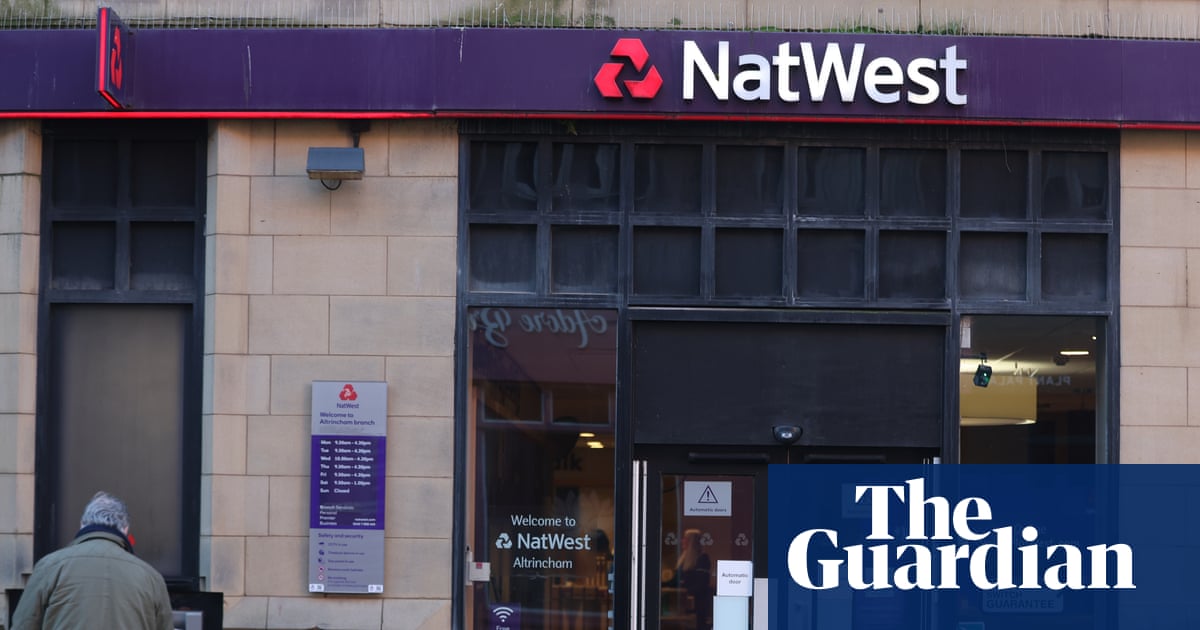
NatWest Group’s chief executive has warned the government against increasing taxes on banks in the autumn budget as the high street lender reported a 30% jump in profits.
Paul Thwaite said he understood the “difficult choices” that the chancellor, Rachel Reeves, had to make in order to help close a potential £30bn shortfall in the public finances but argued she needed to “balance fiscal discipline” with “policies that create stability, consistency and support growth”.
Twaite said on a call with journalists on Friday: “I think the government should be thoughtful about signals it sends to investors who are looking at the UK as a long-term home for capital.”
His comments came as NatWest reported a strong jump in profits, which grew 30.4% to £2.18bn in the three months to the end of September, from £1.67bn during the same period last year.
“My view remains that strong economies need strong banks, and I really want to use the capital of the bank to support our customers,” Thwaite said. “You can see in our numbers today, we’re providing a lot of capital to those who are buying houses or moving houses, a lot of capital to businesses … So I think it’s important that strong domestic banks are the backbone of the UK, and the best way to use our capital is to support customers.”
The once bailed-out bank – which shed its final UK government stake earlier this year – said it was upping its full-year profitability and income guidance. It now expects income for 2025 to come in at £16.3bn, excluding notable items, solidifying previous forecasts for income greater than £16bn. Shares rose 2.9% on Friday morning, making the bank one of the biggest risers on the FTSE 100.
Thwaite’s warnings come amid speculation over a number of potential tax increases, including on banks, property and landlords’ rental income, which could help the chancellor shore up the public finances in the budget on 26 November.
Major UK bank stocks tumbled in August amid fears that the government could follow recommendations by the Institute for Public Policy Research, a thinktank, to introduce a new tax on the banking sector. That tax would help recover “windfalls” enjoyed by lenders as a result of an emergency economic policy known as quantitative easing that was put in place after the 2008 financial crisis.
Thwaite echoed comments by high street bank peers including the Lloyds chief executive, Charlie Nunn, who previously said a rise in bank taxation “wouldn’t be consistent” with the chancellor’s overtures as the government pushes to reboot growth.
skip past newsletter promotion
after newsletter promotion
Labour has placed financial services among its eight key sectors to receive government backing in its industrial strategy, while industry lobbyists have warned that the UK could lose business and make its financial services less competitive compared with other hubs including the US.
Thwaite said: “I’ve been encouraged by what the chancellor and government have said and about how they see the role of financial services and banks in helping support that growth agenda. I do welcome those comments from NatWest’s perspective. I want us to play our part. Those messages have resonated well with investors. They have supported confidence in the sector.”
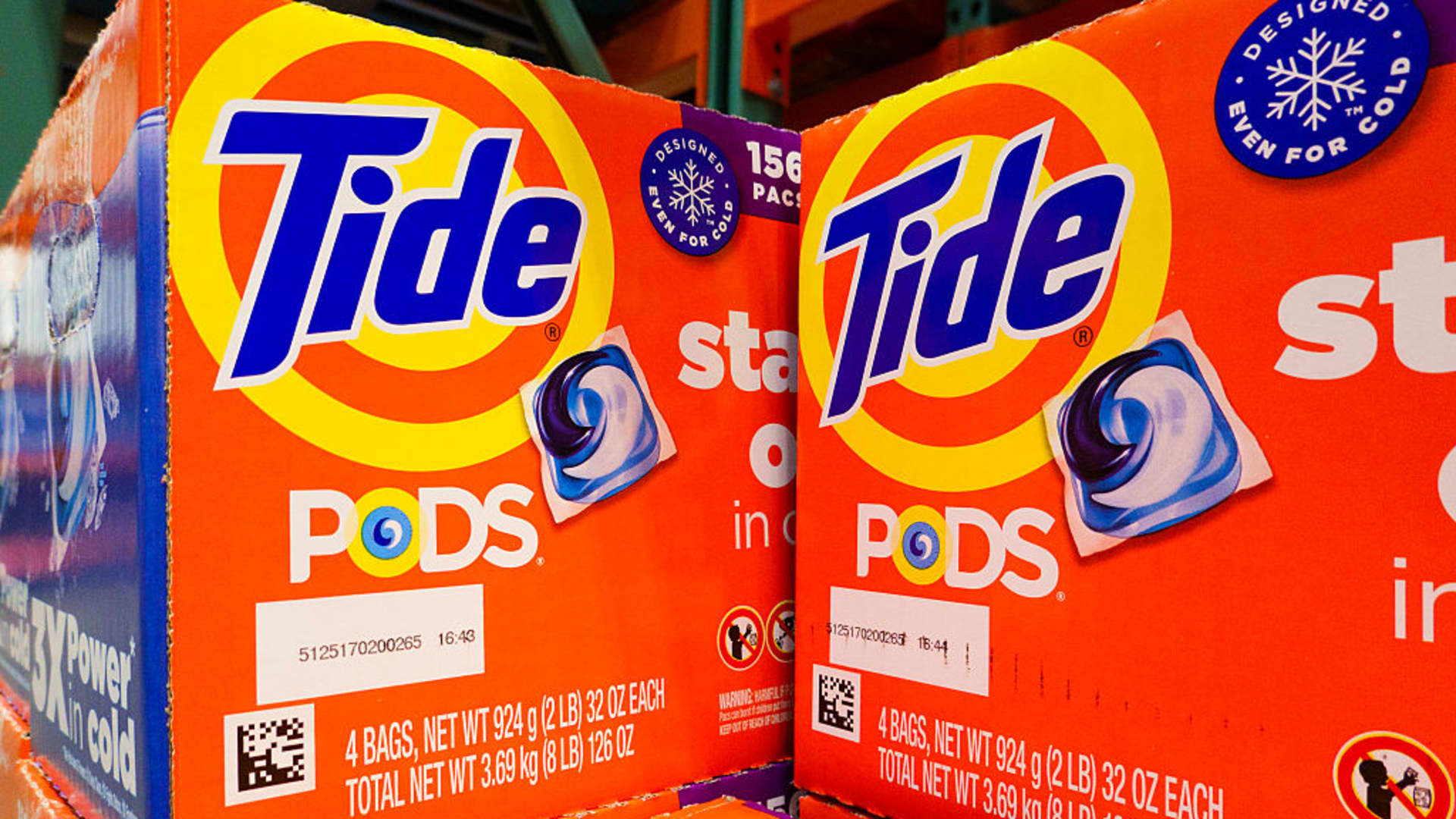
Boxes of Tide Pods dishwasher detergent are displayed at a Costco Wholesale store on July 12, 2025 in San Diego, California.
Kevin Carter | Getty Images News | Getty Images
Procter & Gamble on Friday reported fiscal first-quarter earnings and revenue that beat analysts’ expectations, lifted by higher demand for its beauty and grooming products.
However, the company warned that it expects higher costs from tariffs in fiscal 2026, which began in July. Despite what CEO Jon Moeller called a “challenging consumer and geopolitical environment,” P&G reiterated its forecast for all-in sales and earnings for the fiscal year.
Shares of the company rose about 2% in premarket trading.
Here’s what the company reported for the quarter ended Sept. 30 compared with what Wall Street was expecting, based on a survey of analysts by LSEG:
Earnings per share: $1.99 adjusted vs. $1.90 expected
Revenue: $22.39 billion vs. $22.18 billion expected
P&G reported fiscal first-quarter net income attributable to the company of $4.75 billion, or $1.95 per share, up from $3.96 billion, or $1.61 per share, a year earlier.
Excluding items, including costs associated with incremental restructuring, the consumer giant earned $1.99 per share.
Net salesrose 3% to $22.39 billion. Organic sales, which strips out the impact of acquisitions, divestitures and foreign currency, increased 2% in the quarter
P&G’s volume was flat compared with the year-ago period. Volume excludes pricing, which makes it a more accurate reflection of demand than sales.
This story is developing. Please check back for updates.
MAINTAINS FISCAL YEAR SALES, EPS GROWTH AND CASH RETURN GUIDANCE
CINCINNATI–(BUSINESS WIRE)–The Procter & Gamble Company (NYSE:PG) reported first quarter fiscal year 2026 net sales of $22.4 billion, an increase of three percent versus the prior year. Organic sales, which excludes the impacts of foreign exchange and acquisitions and divestitures, increased two percent versus the prior year. Diluted net earnings per share were $1.95, an increase of 21% versus the prior year primarily due to higher non-core restructuring charges in the prior year. Core earnings per share were $1.99, an increase of three percent versus the prior year.
Operating cash flow was $5.4 billion, and net earnings were $4.8 billion for the quarter. Adjusted free cash flow productivity was 102%. Adjusted free cash flow productivity is calculated as operating cash flow less capital spending and certain other items, as a percentage of net earnings. The Company returned $3.8 billion of cash to shareowners via $2.55 billion of dividend payments and $1.25 billion of share repurchases.
First Quarter ($ billions, except EPS)
GAAP
2026
2025
% Change
Non-GAAP*
2026
2025
% Change
Net Sales
22.4
21.7
3%
Organic Sales
n/a
n/a
2%
Diluted EPS
1.95
1.61
21%
Core EPS
1.99
1.93
3%
*Please refer to Exhibit 1 – Non-GAAP Measures for the definition and reconciliation of these measures to the related GAAP measures.
“Our organic sales growth, earnings and cash results in the first quarter reflect strong execution of our integrated strategy,” said Jon Moeller, Chairman of the Board, President and Chief Executive Officer. “These results keep us on track to deliver within our guidance ranges on all key financial metrics for the fiscal year in a challenging consumer and geopolitical environment. We remain committed to our integrated growth strategy of a focused product portfolio of daily use categories where performance drives brand choice, superiority — across product performance, packaging, brand communication, retail execution and consumer and customer value — productivity, constructive disruption and an agile and accountable organization. We are increasing investment in innovation and demand creation to improve value for consumers and drive category growth.”
July – September Quarter Discussion
Net sales in the first quarter of fiscal year 2026 were $22.4 billion, a three percent increase versus the prior year. Organic sales, which exclude the impacts of foreign exchange and acquisitions and divestitures, increased two percent driven by a one percent increase from higher pricing and a one percent increase from favorable mix. Organic volume had a neutral impact on sales for the quarter.
July – September 2025
Volume
Foreign
Exchange
Price
Mix
Other(2)
Net Sales
Organic
Volume
Organic
Sales
Net Sales Drivers(1)
Beauty
4%
1%
2%
(1)%
—%
6%
4%
6%
Grooming
1%
2%
4%
(2)%
—%
5%
1%
3%
Health Care
(2)%
1%
1%
2%
—%
2%
(2)%
1%
Fabric & Home Care
(2)%
2%
1%
—%
—%
1%
(2)%
—%
Baby, Feminine & Family Care
—%
1%
—%
—%
—%
1%
—%
—%
Total P&G
—%
1%
1%
1%
—%
3%
—%
2%
(1) Net sales percentage changes are approximations based on quantitative formulas that are consistently applied.
(2) Other includes the sales mix impact from acquisitions and divestitures and rounding impacts necessary to reconcile volume to net sales.
Beauty segment organic sales increased six percent versus year ago. Hair Care organic sales increased low single-digits driven by volume increases and innovation-driven pricing in North America and Europe, partially offset by unfavorable geographic and product mix. Personal Care organic sales increased high single digits due to innovation-driven volume growth and pricing in North America, partially offset by negative impacts from geographic mix. Skin Care organic sales increased mid-single digits due to favorable premium product mix and higher pricing primarily in North America, partially offset by volume declines.
Grooming segment organic sales increased three percent versus year ago behind innovation-driven pricing, primarily in North America and Europe, and volume growth, partially offset by unfavorable product mix.
Health Care segment organic sales increased one percent versus year ago. Oral Care organic sales were unchanged as product mix from premium innovation was offset by volume declines. Personal Health Care organic sales increased low single digits due to higher pricing, primarily in Latin America and North America, partially offset by volume declines.
Fabric and Home Care segment organic sales were unchanged versus year ago. Fabric Care organic sales decreased low single digits driven by volume declines mainly in Europe. Home Care organic sales increased low single digits driven by higher pricing, primarily in North America and Europe, partially offset by volume declines, primarily in Europe.
Baby, Feminine and Family Care segment organic sales were unchanged versus year ago. Baby Care organic sales increased low single digits due to favorable premium product mix and a unit volume increase. Feminine Care organic sales were unchanged as the positive impacts of favorable product mix and innovation-driven pricing, primarily in North America, were offset by volume declines. Family Care organic sales decreased low single digits driven by merchandising investments.
Diluted net earnings per share increased by 21% to $1.95, driven primarily by higher restructuring charges related to the substantial liquidation of operations in certain Enterprise Markets, including Argentina, in the prior year period. Core earnings per share and currency-neutral core EPS increased three percent to $1.99.
Reported gross margin for the quarter decreased 70 basis points versus the prior year. Core gross margin for the quarter decreased 50 basis points versus the prior year and on a currency-neutral basis decreased 30 basis points. Benefits from gross productivity savings of 140 basis points, increased pricing of 50 basis points and 20 basis points of rounding and other items were more than offset by 100 basis points of unfavorable mix, 70 basis points of product reinvestments and 70 basis points of higher costs from tariffs and commodities.
Reported selling, general and administrative expense (SG&A) as a percentage of sales declined 20 basis points versus year ago. Core SG&A as a percentage of sales decreased 40 basis points versus year ago and decreased 70 basis points on a currency-neutral basis. The decline was driven by 90 basis points of productivity savings, 40 basis points of net sales growth leverage and 10 basis points of rounding and other items, partially offset by 70 basis points of reinvestments.
Reported operating margin for the quarter decreased 50 basis points versus the prior year. Core operating margin for the quarter was unchanged versus the prior year and increased 40 basis points on a currency-neutral basis. Core operating margin included gross productivity savings of 230 basis points.
Fiscal Year 2026 Guidance
P&G maintained its guidance range for fiscal 2026 all-in sales growth to be in the range of one to five percent versus the prior year. The net impacts of foreign exchange rates and acquisitions and divestitures are expected to be a tailwind of approximately one percentage point to all-in sales growth. The Company also maintained its outlook for organic sales growth in the range of in-line to up four percent versus the prior year.
P&G maintained its fiscal 2026 diluted net earnings per share growth to be in the range of 3% to 9% versus fiscal 2025 diluted net EPS of $6.51. P&G also maintained its fiscal 2026 core earnings per share growth to be in the range of in-line to up four percent versus fiscal 2025 core EPS of $6.83. This outlook equates to a range of $6.83 to $7.09 per share, with a mid-point estimate of $6.96, or an increase of 2%.
P&G now expects a commodity cost headwind of approximately $100 million after tax and higher costs from tariffs of approximately $400 million after tax for fiscal 2026. The Company continues to expect a net headwind of roughly $250 million after-tax from modestly higher net interest expense and a higher core effective tax rate versus the prior year. The Company also continues to expect favorable foreign exchange rates will be a tailwind of approximately $300 million after tax. Collectively these impacts equate to a headwind of $0.19 per share for fiscal 2026.
The Company is unable to reconcile its forward-looking non-GAAP cash flow and tax rate measures without unreasonable efforts given the unpredictability of the timing and amounts of discrete items, such as acquisitions, divestitures, or impairments, which could significantly impact GAAP results.
P&G continues to expect a core effective tax rate to be in the range of 20% to 21% in fiscal 2026.
Capital spending is estimated to be in the range of four to five percent of fiscal 2026 net sales.
P&G continues to expect adjusted free cash flow productivity of 85% to 90% and expects to pay around $10 billion in dividends and to repurchase approximately $5 billion of common shares in fiscal 2026.
Forward-Looking Statements
Certain statements in this release, other than purely historical information, including estimates, projections, statements relating to our business plans, objectives and expected operating results, and the assumptions upon which those statements are based, are “forward-looking statements” within the meaning of the Private Securities Litigation Reform Act of 1995, Section 27A of the Securities Act of 1933 and Section 21E of the Securities Exchange Act of 1934. These forward-looking statements generally are identified by the words “believe,” “project,” “expect,” “anticipate,” “estimate,” “intend,” “strategy,” “future,” “opportunity,” “plan,” “may,” “should,” “will,” “would,” “will be,” “will continue,” “will likely result” and similar expressions. Forward-looking statements are based on current expectations and assumptions, which are subject to risks and uncertainties that may cause results to differ materially from those expressed or implied in the forward-looking statements. We undertake no obligation to update or revise publicly any forward-looking statements, whether because of new information, future events or otherwise, except to the extent required by law.
Risks and uncertainties to which our forward-looking statements are subject include, without limitation: (1) the ability to successfully manage global financial risks, including foreign currency fluctuations, changes in global interest rates and rate differentials, currency exchange, pricing controls or tariffs; (2) the ability to successfully manage local, regional or global economic volatility, including reduced market growth rates, and to generate sufficient income and cash flow to allow the Company to effect the expected share repurchases and dividend payments; (3) the ability to successfully manage uncertainties related to changing political and geopolitical conditions and potential implications such as exchange rate fluctuations, market contraction, boycotts, variability and unpredictability in trade relations, sanctions, tariffs or other trade controls; (4) the ability to manage disruptions in credit markets or to our banking partners or changes to our credit rating; (5) the ability to maintain key manufacturing and supply arrangements (including execution of supply chain optimizations and sole supplier and sole manufacturing plant arrangements) and to manage disruption of business due to various factors, including ones outside of our control, such as natural disasters, acts of war or terrorism or disease outbreaks; (6) the ability to successfully manage cost fluctuations and pressures, including prices of commodities and raw materials and costs of labor, transportation, energy, pension and healthcare; (7) the ability to compete with our local and global competitors in new and existing sales channels, including by successfully responding to competitive factors such as prices, promotional incentives and trade terms for products; (8) the ability to manage and maintain key customer relationships; (9) the ability to protect our reputation and brand equity by successfully managing real or perceived issues, including concerns about safety, quality, ingredients, efficacy, packaging content, supply chain practices, social or environmental practices or similar matters that may arise; (10) the ability to successfully manage the financial, legal, reputational and operational risk associated with third-party relationships, such as our suppliers, contract manufacturers, distributors, contractors and external business partners; (11) the ability to rely on and maintain key company and third-party information and operational technology systems, networks and services and maintain the security and functionality of such systems, networks and services and the data contained therein; (12) the ability to successfully manage the demand, supply and operational challenges, as well as governmental responses or mandates, associated with a disease outbreak, including epidemics, pandemics or similar widespread public health concerns; (13) the ability to stay on the leading edge of innovation, obtain necessary intellectual property protections and successfully respond to changing consumer habits, evolving digital marketing and selling platform requirements and technological advances attained by, and patents granted to, competitors; (14) the ability to successfully manage our ongoing acquisition, divestiture and joint venture activities, in each case to achieve the Company’s overall business strategy and financial objectives, without impacting the delivery of base business objectives; (15) the ability to successfully achieve productivity improvements and cost savings and manage ongoing organizational changes while successfully identifying, developing and retaining key employees, including in key growth markets where the availability of skilled or experienced employees may be limited; (16) the ability to successfully manage current and expanding regulatory and legal requirements and matters (including, without limitation, those laws, regulations, policies and related interpretations involving product liability, product and packaging composition, manufacturing processes, intellectual property, labor and employment, antitrust, privacy, cybersecurity, data protection and data transfers, artificial intelligence, tax, the environment, due diligence, risk oversight, accounting and financial reporting) and to resolve new and pending matters within current estimates; (17) the ability to manage changes in applicable tax laws and regulations; and (18) the ability to continue delivering progress towards our environmental sustainability ambitions.
For additional information concerning factors that could cause actual results and events to differ materially from those projected herein, please refer to our most recent 10-K, 10-Q and 8-K reports.
About Procter & Gamble
P&G serves consumers around the world with one of the strongest portfolios of trusted, quality, leadership brands, including Always®, Ambi Pur®, Ariel®, Bounty®, Charmin®, Crest®, Dawn®, Downy®, Fairy®, Febreze®, Gain®, Gillette®, Head & Shoulders®, Lenor®, Olay®, Oral-B®, Pampers®, Pantene®, SK-II®, Tide®, Vicks®, and Whisper®. The P&G community includes operations in approximately 70 countries worldwide. Please visit https://www.pg.com for the latest news and information about P&G and its brands. For other P&G news, visit us at https://www.pg.com/news.
THE PROCTER & GAMBLE COMPANY AND SUBSIDIARIES
Consolidated Earnings Information
Three Months Ended September 30
Amounts in millions except per share amounts
2025
2024
% Chg
NET SALES
$
22,386
$
21,737
3%
Cost of products sold
10,887
10,421
4%
GROSS PROFIT
11,499
11,316
2%
Selling, general and administrative expense
5,643
5,519
2%
OPERATING INCOME
5,856
5,797
1%
Interest expense
(197
)
(238
)
(17)%
Interest income
108
135
(20)%
Other operating income/(expense), net
268
(554
)
(148)%
EARNINGS BEFORE INCOME TAXES
6,034
5,140
17%
Income taxes
1,253
1,152
9%
NET EARNINGS
4,781
3,987
20%
Less: Net earnings attributable to noncontrolling interests
31
28
11%
NET EARNINGS ATTRIBUTABLE TO PROCTER & GAMBLE
$
4,750
$
3,959
20%
EFFECTIVE TAX RATE
20.8
%
22.4
%
NET EARNINGS PER COMMON SHARE (1)
Basic
$
2.00
$
1.65
21%
Diluted
$
1.95
$
1.61
21%
DIVIDENDS PER COMMON SHARE
$
1.0568
$
1.0065
DILUTED WEIGHTED AVERAGE COMMON SHARES OUTSTANDING
2,436.8
2,466.0
COMPARISONS AS A % OF NET SALES
Basis Pt Chg
Gross profit
51.4%
52.1%
(70)
Selling, general and administrative expense
25.2%
25.4%
(20)
Operating income
26.2%
26.7%
(50)
Earnings before income taxes
27.0%
23.6 %
340
Net earnings
21.4%
18.3%
310
Net earnings attributable to Procter & Gamble
21.2%
18.2%
300
(1) Basic net earnings per common share and Diluted net earnings per common share are calculated on Net earnings attributable to Procter & Gamble.
Certain columns and rows may not add due to rounding.
THE PROCTER & GAMBLE COMPANY AND SUBSIDIARIES
Consolidated Earnings Information
Three Months Ended September 30, 2025
Amounts in millions
Net Sales
% Change
Versus Year
Ago
Earnings/(Loss)
Before
Income Taxes
% Change
Versus Year
Ago
Net Earnings
% Change
Versus Year
Ago
Beauty
$
4,143
6%
$
1,132
6%
$
879
5%
Grooming
1,817
5%
585
12%
463
9%
Health Care
3,220
2%
937
(2)%
718
(3)%
Fabric & Home Care
7,793
1%
2,042
(2)%
1,579
(3)%
Baby, Feminine & Family Care
5,171
1%
1,446
5%
1,105
4%
Corporate
242
N/A
(108
)
N/A
36
N/A
Total Company
$
22,386
3%
$
6,034
17%
$
4,781
20%
Three Months Ended September 30, 2025
Net Sales Drivers (1)
Volume
Organic
Volume
Foreign
Exchange
Price
Mix
Other (2)
Net Sales
Beauty
4%
4%
1%
2%
(1)%
—%
6%
Grooming
1%
1%
2%
4%
(2)%
—%
5%
Health Care
(2)%
(2)%
1%
1%
2%
—%
2%
Fabric & Home Care
(2)%
(2)%
2%
1%
—%
—%
1%
Baby, Feminine & Family Care
—%
—%
1%
—%
—%
—%
1%
Total Company
—%
—%
1%
1%
1%
—%
3%
(1) Net sales percentage changes are approximations based on quantitative formulas that are consistently applied.
(2) Other includes the sales mix impact from acquisitions and divestitures and rounding impacts necessary to reconcile volume to net sales.
Certain columns and rows may not add due to rounding.
THE PROCTER & GAMBLE COMPANY AND SUBSIDIARIES
Consolidated Statements of Cash Flows
Three Months Ended September 30
Amounts in millions
2025
2024
CASH, CASH EQUIVALENTS AND RESTRICTED CASH, BEGINNING OF PERIOD
$
9,556
$
9,482
OPERATING ACTIVITIES (1)
Net earnings
4,781
3,987
Depreciation and amortization
761
728
Share-based compensation expense
121
105
Deferred income taxes
53
184
Loss/(gain) on sale of assets
(3
)
794
Change in accounts receivable
(305
)
(134
)
Change in inventories
(303
)
(188
)
Change in accounts payable
648
90
Other
(344
)
(1,264
)
TOTAL OPERATING ACTIVITIES
5,408
4,302
INVESTING ACTIVITIES
Capital expenditures
(1,200
)
(993
)
Proceeds from asset sales
8
45
Acquisitions, net of cash acquired
(5
)
(6
)
Other investing activity
(338
)
(154
)
TOTAL INVESTING ACTIVITIES
(1,535
)
(1,108
)
FINANCING ACTIVITIES
Dividends to shareholders
(2,549
)
(2,445
)
Additions to short-term debt with original maturities of more than three months
1,123
4,090
Reductions in short-term debt with original maturities of more than three months
(1,800
)
(571
)
Net additions/(reductions) to other short-term debt
2,108
(444
)
Reductions in long-term debt
(3
)
(70
)
Treasury stock purchases
(1,250
)
(1,939
)
Impact of stock options and other
134
745
TOTAL FINANCING ACTIVITIES
(2,239
)
(634
)
EFFECT OF EXCHANGE RATE CHANGES ON CASH, CASH EQUIVALENTS AND RESTRICTED CASH
(20
)
116
CHANGE IN CASH, CASH EQUIVALENTS AND RESTRICTED CASH
1,615
2,675
CASH, CASH EQUIVALENTS AND RESTRICTED CASH, END OF PERIOD
$
11,171
$
12,156
(1) Certain prior period amounts within Operating Activities have been reclassified for consistency with the current period presentation. These reclassifications had no effect on the previously reported Total Operating Activities.
Certain columns and rows may not add due to rounding.
THE PROCTER & GAMBLE COMPANY AND SUBSIDIARIES
Condensed Consolidated Balance Sheets
Amounts in millions
September 30, 2025
June 30, 2025
Cash and cash equivalents
$
11,171
$
9,556
Accounts receivable
6,487
6,185
Inventories
7,848
7,551
Prepaid expenses and other current assets
1,612
2,100
TOTAL CURRENT ASSETS
27,118
25,392
Property, plant and equipment, net
24,119
23,897
Goodwill
41,643
41,650
Trademarks and other intangible assets, net
21,818
21,910
Other noncurrent assets
12,901
12,381
TOTAL ASSETS
$
127,599
$
125,231
Accounts payable
$
15,609
$
15,227
Accrued and other liabilities
10,756
11,318
Debt due within one year
11,631
9,513
TOTAL CURRENT LIABILITIES
37,995
36,058
Long-term debt
24,315
24,995
Deferred income taxes
5,893
5,774
Other noncurrent liabilities
5,844
6,120
TOTAL LIABILITIES
74,048
72,946
TOTAL SHAREHOLDERS’ EQUITY
53,551
52,284
TOTAL LIABILITIES AND SHAREHOLDERS’ EQUITY
$
127,599
$
125,231
Certain columns and rows may not add due to rounding.
The Procter & Gamble Company
Exhibit 1: Non-GAAP Measures
The following provides definitions of the non-GAAP measures used in Procter & Gamble’s October 24, 2025 earnings release and the reconciliation to the most closely related GAAP measures. We believe that these measures provide useful perspective on underlying business trends (i.e., trends excluding non-recurring or unusual items) and results and provide a supplemental measure of period-to-period results. The non-GAAP measures described below are used by management in making operating decisions, allocating financial resources and for business strategy purposes. These measures may be useful to investors, as they provide supplemental information about business performance and provide investors a view of our business results through the eyes of management. Certain of these measures are also used to evaluate senior management and are a factor in determining their at-risk compensation. These non-GAAP measures are not intended to be considered by the user in place of the related GAAP measures but rather as supplemental information to our business results. These non-GAAP measures may not be the same as similar measures used by other companies due to possible differences in method and in the items or events being adjusted. The Company is not able to reconcile its forward-looking non-GAAP cash flow and tax rate measures because the Company cannot predict the timing and amounts of discrete items such as acquisition and divestitures, which could significantly impact GAAP results. Note that certain columns and rows may not add due to rounding.
The Core earnings measures included in the following reconciliation tables refer to the equivalent GAAP measures adjusted as applicable for the following item:
Incremental restructuring: The Company has historically had an ongoing level of restructuring activities of approximately $250 – $500 million before tax.
Contacts
P&G Media Contacts: Wendy Kennedy, 513.780.7212
Henry Molski, 513.505.3587
P&G Investor Relations Contact: John Chevalier, 513.983.9974
New long-term extension data show approximately 80% of patients achieved or maintained meaningful skin improvement (EASI 75) with EBGLYSS with half the doses compared to approved monthly maintenance dosing
Lilly submitted these data to the FDA for a potential label update for EBGLYSS
If approved, EBGLYSS would be a first-line biologic that offers the option of monotherapy with once every eight-week maintenance dosing in moderate-to-severe atopic dermatitis uncontrolled by topicals
INDIANAPOLIS, Oct. 24, 2025 /PRNewswire/ — New results show Eli Lilly and Company’s (NYSE: LLY) EBGLYSS (lebrikizumab-lbkz) sustained similar levels of skin clearance when administered as a single injection of 250 mg once every eight weeks (Q8W) compared with once every four weeks (Q4W), supporting a potential additional, less frequent maintenance dosing option for more individualized treatment of patients with moderate-to-severe atopic dermatitis. These findings from the Phase 3 ADjoin extension trial will be presented at the 2025 Fall Clinical Dermatology Conference, taking place Oct. 23-26 in Las Vegas.1
“For people managing the persistent symptoms of eczema, hesitancy about frequent injections can add to the already heavy toll of this disease,” said Peter Lio, M.D., author of the ADjoin study and clinical assistant professor of dermatology and pediatrics, Northwestern University. “With as few as six maintenance doses per year, EBGLYSS would give patients and providers more flexibility, which may reduce treatment burden for patients with busy lives.”
EBGLYSS is an interleukin-13 (IL-13) inhibitor that selectively blocks IL-13 signaling with high binding affinity.2,3,4 The cytokine IL-13 is a primary cytokine in atopic dermatitis, driving the type-2 inflammatory cycle in the skin, leading to skin barrier dysfunction, itch, skin thickening and infection.5,6
In the ADjoin extension study, results indicate that maintenance dosing every other month demonstrated similarly high rates of disease control compared to monthly dosing:
79% of patients taking EBGLYSS once every other month and 86% of patients taking EBGLYSS monthly, respectively, achieved or maintained EASI 75.*
62% of patients taking EBGLYSS once every other month and 73% of patients taking EBGLYSS monthly, respectively, achieved or maintained IGA 0,1.
There was no increased risk of immunogenicity (the production of anti-drug-antibodies), and no new safety findings. These data support that once every eight-week EBGLYSS dosing could give HCPs and patients a new treatment option using the lowest effective dose.
“Managing moderate-to-severe atopic dermatitis involves ongoing cycles of flare-ups and itching, which can be difficult for people with eczema,” said Kristin Belleson, President and CEO of the National Eczema Association. “Treatment options that have the potential to reduce the time people spend managing symptoms could give them more time to focus on what matters most.”
Lilly has submitted these data from the ADjoin extension trial among other data to the FDA for a potential label update. A study investigating EBGLYSS maintenance dosing of 500 mg administered once every 12 weeks (Q12W) is underway.
“Lilly continues to optimize dosing frequency to push boundaries that redefine the patient experience. These new findings build on EBGLYSS’ proven efficacy and demonstrate the potential for disease control with even less frequent dosing,” said Mark Genovese M.D., senior vice president of Lilly Immunology development. “We are pursuing an every-eight-week maintenance dosing label update with the FDA. We are also testing every-twelve-week maintenance dosing with our partner Almirall, as well as potentially exploring every-twelve-week dosing in independent Lilly-led studies.”
These data build on existing research for EBGLYSS, which has demonstrated long-term results maintained for up to three years, as well as efficacy data across diverse skin tones. EBGLYSS is the only biologic for moderate-to-severe atopic dermatitis with a strong recommendation and high certainty of evidence that can be used with or without topicals, according to guidelines published by the American Academy of Dermatology (AAD),** which are used as a key consideration for dermatologists and managed care providers.
Lilly continues to raise the standard of care in dermatology and invest in our immunology pipeline, which includes big bets on next-generation modalities and the targeted expansion of small molecules. Lilly’s investigational therapies include novel, oral IL-17 inhibitors such as DICE Therapeutics’ DC-853, which is being studied for psoriasis, and eltrekibart, a novel monoclonal antibody that targets neutrophil-driven inflammation and is being assessed in hidradenitis suppurativa. Lilly is also advancing novel science to explore the potential of incretins in dermatology and has initiated the TOGETHER-PsO trial investigating the efficacy and safety of treating adults with moderate-to-severe plaque psoriasis and obesity with both ixekizumab and an incretin-based therapy.
Lilly has exclusive rights for development and commercialization of EBGLYSS in the U.S. and the rest of the world outside Europe. Lilly’s partner Almirall has licensed the rights to develop and commercialize EBGLYSS for the treatment of dermatology indications, including atopic dermatitis, in Europe.
*EASI=Eczema Area and Severity Index, EASI-75=75% reduction in EASI from baseline; IGA=Investigator’s Global Assessment 0 or 1 (“clear” or “almost clear”). **Inclusion in the Focused Update: AAD Guidelines of Care for the Management of Atopic Dermatitis in Adults does not denote endorsement of product use by the AAD.
About the Q8W ADjoin Extension The Q8W extension of ADjoin (NCT04392154) assessed EBGLYSS given every eight weeks (Q8W) compared to every four weeks (Q4W) and evaluated the long-term safety and efficacy of EBGLYSS treatment in patients with moderate-to-severe atopic dermatitis for 32 weeks, in select countries. Adult and adolescent patients (ages 12–17, weighing ≥40 kg) who completed the 100-week ADjoin study, including participants from the ADvocate 1 and 2 trials (52 weeks), ADore trial (52 weeks) and the ADopt-VA (16 weeks) trial, were eligible to enroll in the Q8W extension. Patients in this analysis received open-label EBGLYSS 250 mg, Q8W or Q4W, regardless of their previous treatment in ADjoin (Q2W or Q4W dose). The approved maintenance dose of EBGLYSS is 250 mg once monthly, after taking EBGLYSS 250 mg every two weeks for 16 weeks or later when adequate clinical response is achieved.7
INDICATION AND SAFETY SUMMARY EBGLYSS™ (EHB-glihs) is an injectable medicine used to treat adults and children 12 years of age and older who weigh at least 88 pounds (40 kg) with moderate-to-severe eczema (atopic dermatitis) that is not well controlled with prescription therapies used on the skin (topical), or who cannot use topical therapies. EBGLYSS can be used with or without topical corticosteroids.
It is not known if EBGLYSS is safe and effective in children less than 12 years of age or in children 12 years to less than 18 years of age who weigh less than 88 pounds (40 kg).
Warnings – Do not useEBGLYSS if you are allergic to lebrikizumab-lbkz or to any of the ingredients in EBGLYSS. See the Patient Information leaflet that comes with EBGLYSS for a complete list of ingredients.
Before using Before using EBGLYSS, tell your healthcare provider about all your medical conditions, including if you:
Have a parasitic (helminth) infection.
Are scheduled to receive any vaccinations. You should not receive a “live vaccine” if you are treated with EBGLYSS.
Are pregnant or plan to become pregnant. It is not known if EBGLYSS will harm your unborn baby. If you become pregnant during treatment with EBGLYSS, you or your healthcare provider can call Eli Lilly and Company at 1-800-LillyRx (1-800-545-5979) to report the pregnancy.
Are breastfeeding or plan to breastfeed. It is not known if EBGLYSS passes into your breast milk.
Tell your healthcare provider about all the medicines you take, including prescription and over-the-counter medicines, vitamins, and herbal supplements.
Possible side effects EBGLYSS can cause serious side effects, including:
Allergic reactions. EBGLYSS can cause allergic reactions that may sometimes be severe. Stop using EBGLYSS and tell your healthcare provider or get emergency help right away if you get any of the following signs or symptoms:
breathing problems or wheezing
swelling of the face, lips, mouth, tongue or throat
hives
itching
fainting, dizziness, feeling lightheaded
skin rash
cramps in your stomach area (abdomen)
Eye problems. Tell your healthcare provider if you have any new or worsening eye problems, including eye pain or changes in vision, such as blurred vision.
The most common side effects of EBGLYSS include:
eye and eyelid inflammation, including redness, swelling, and itching
injection site reactions
shingles (herpes zoster)
These are not all of the possible side effects of EBGLYSS. Call your doctor for medical advice about side effects. You may report side effects to FDA at 1-800-FDA-1088 or www.fda.gov/medwatch.
How to take
See the detailed “Instructions for Use” that comes with EBGLYSS for information about how to prepare and inject EBGLYSS and how to properly store and throw away (dispose of) used EBGLYSS prefilled pens and prefilled syringes.
Use EBGLYSS exactly as prescribed by your healthcare provider.
EBGLYSS is given as an injection under the skin (subcutaneous injection).
If your healthcare provider decides that you or a caregiver can give the injections of EBGLYSS, you or a caregiver should receive training on the right way to prepare and inject EBGLYSS. Do not try to inject EBGLYSS until you have been shown the right way by your healthcare provider. In children 12 years of age and older, EBGLYSS should be given by a caregiver.
If you miss a dose of EBGLYSS, inject the missed dose as soon as possible, then inject your next dose at your regular scheduled time.
Learn more EBGLYSS is a prescription medicine available as a 250 mg/2 mL injection prefilled pen or prefilled syringe. For more information, call 1-800-545-5979 or go to ebglyss.lilly.com
This summary provides basic information about EBGLYSS but does not include all information known about this medicine. Read the information that comes with your prescription each time your prescription is filled. This information does not take the place of talking to your doctor. Be sure to talk to your doctor or other healthcare provider about EBGLYSS and how to take it. Your doctor is the best person to help you decide if EBGLYSS is right for you.
LK CON BS AD APP
EBGLYSS, its delivery device base, and Lilly Support Services are trademarks owned or licensed by Eli Lilly and Company, its subsidiaries, or affiliates.
About EBGLYSS EBGLYSS is a monoclonal antibody that selectively targets and neutralizes IL-13 with high binding affinity and a slow dissociation rate.3,4,7 EBGLYSS binds to the IL-13 cytokine at an area that overlaps with the binding site of the IL-4Rα subunit of the IL-13Rα1/IL-4Rα heterodimer, preventing formation of this receptor complex and inhibiting IL-13 signaling. IL-13 is implicated as a primary cytokine tied to the pathophysiology of eczema, driving the type-2 inflammatory loop in the skin, and EBGLYSS selectively targets IL-13.7
The EBGLYSS Phase 3 program consists of five key global studies evaluating over 1,300 patients, including two monotherapy studies (ADvocate 1 and 2), a combination study with topical corticosteroids (ADhere), as well as long-term extension (ADjoin) and adolescent open label (ADore) studies.
EBGLYSS was approved in the U.S. by the Food and Drug Administration (FDA) in 2024 as a first-line monotherapy biologic treatment with once-monthly maintenance dosing for adults and children 12 years of age and older who weigh at least 88 pounds (40 kg) with moderate-to-severe atopic dermatitis that is not well controlled with topical prescription therapies.7 EBGLYSS was also approved in the European Union in 2023 and in Japan and Canada in 2024.
EBGLYSS 250 mg/2 mL injection is dosed as a single monthly maintenance injection following the initial phase of treatment. The recommended initial starting dose of EBGLYSS is 500 mg (two 250 mg injections) at Week 0 and Week 2, followed by 250 mg every two weeks until Week 16 or later when adequate clinical response is achieved; after this, maintenance dosing is a single monthly injection (250 mg every four weeks).7
Lilly is committed to serving patients living with moderate-to-severe atopic dermatitis and is working to enable broad first-line biologic access to EBGLYSS following topical prescription therapy through commercial insurance and as of October 24, Lilly has coverage with all three major national pharmacy benefit managers and over 90% of people with commercial insurance. We are also pursuing similarly broad Medicaid and Medicare coverage as part of Lilly’s health access and affordability initiative. Through Lilly Support Services, Lilly offers a patient support program including co-pay assistance for eligible, commercially insured patients.
About Lilly Lilly is a medicine company turning science into healing to make life better for people around the world. We’ve been pioneering life-changing discoveries for nearly 150 years, and today our medicines help tens of millions of people across the globe. Harnessing the power of biotechnology, chemistry and genetic medicine, our scientists are urgently advancing new discoveries to solve some of the world’s most significant health challenges: redefining diabetes care; treating obesity and curtailing its most devastating long-term effects; advancing the fight against Alzheimer’s disease; providing solutions to some of the most debilitating immune system disorders; and transforming the most difficult-to-treat cancers into manageable diseases. With each step toward a healthier world, we’re motivated by one thing: making life better for millions more people. That includes delivering innovative clinical trials that reflect the diversity of our world and working to ensure our medicines are accessible and affordable. To learn more, visit Lilly.com and Lilly.com/news, or follow us on Facebook, Instagram and LinkedIn. P-LLY
Trademarks and Trade Names All trademarks or trade names referred to in this press release are the property of the company, or, to the extent trademarks or trade names belonging to other companies are references in this press release, the property of their respective owners. Solely for convenience, the trademarks and trade names in this press release are referred to without the ® and ™ symbols, but such references should not be construed as any indicator that the company or, to the extent applicable, their respective owners will not assert, to the fullest extent under applicable law, the company’s or their rights thereto. We do not intend the use or display of other companies’ trademarks and trade names to imply a relationship with, or endorsement or sponsorship of us by, any other companies.
Cautionary Statement Regarding Forward-Looking Statements This press release contains forward-looking statements (as that term is defined in the Private Securities Litigation Reform Act of 1995) about EBGLYSS (lebrikizumab-lbkz) as a treatment for patients with moderate-to severe atopic dermatitis and the timeline for future readouts, presentations, and other milestones relating to EBGLYSS and its clinical trials and reflects Lilly’s current beliefs and expectations. However, as with any pharmaceutical product, there are substantial risks and uncertainties in the process of drug research, development, and commercialization. Among other things, there is no guarantee that future study results will be consistent with the results to date or that EBGLYSS will receive additional regulatory approvals, or that it will be commercially successful. For further discussion of these and other risks and uncertainties that could cause actual results to differ from Lilly’s expectations, see Lilly’s Form 10-K and Form 10-Q filings with the United States Securities and Exchange Commission. Except as required by law, Lilly undertakes no duty to update forward-looking statements to reflect events after the date of this release.
Silverberg J, et al. Lebrikizumab Dosed Every 8 Weeks as Maintenance Provides Long-Lasting Response in Patients with Moderate-to-Severe Atopic Dermatitis. 2025 Fall Clinical Dermatology Conference. October 24, 2025.
Simpson EL, et al. Efficacy and safety of lebrikizumab (an anti-IL-13 monoclonal antibody) in adults with moderate-to-severe atopic dermatitis inadequately controlled by topical corticosteroids: A randomized, placebo-controlled phase II trial (TREBLE). J Am Acad Dermatol. 2018;78(5):863-871.e11. doi:10.1016/j.jaad.2018.01.017.
Okragly A, et al. Binding, Neutralization and Internalization of the Interleukin-13 Antibody, Lebrikizumab. Dermatol Ther (Heidelb). 2023;13(7):1535-1547. doi:10.1007/s13555-023-00947-7.
Ultsch M, et al. Structural basis of signaling blockade by anti-IL-13 antibody Lebrikizumab. J Mol Biol. 2013;425(8):1330-1339. doi:10.10116/j.jmb.2013.01.024.
Bieber T. Interleukin-13: Targeting an underestimated cytokine in atopic dermatitis. Allergy. 2020;75(1):54–62. doi:10.1111/all.13954.
Tsoi LC, et al. Atopic Dermatitis Is an IL-13-Dominant Disease with Greater Molecular Heterogeneity Compared to Psoriasis. J Invest Dermatol. 2019;139(7):1480-1489. doi:10.1016/j.jid.2018.12.018.
JPMorgan is coming off the sidelines when it comes to Coinbase . The bank upgraded shares of the cryptocurrency exchange to an overweight rating from neutral. It also lifted its price target to $404 per share from $342. Coinbase stock has rallied 30% this year, but the firm said it still has an attractive valuation versus competitors. JPMorgan’s revised forecast calls from an additional upside of 25% from here. COIN YTD mountain COIN YTD chart As a catalyst, analyst Kenneth Worthington pointed to Coinbase’s exploration of launching a potential Base token, which he sees as accelerating the growth of development on the Base blockchain, launched in August 2023. The market capitalization of such a token could eventually swell to between $12 billion and $34 billion, he wrote. “We see a token as a win/ win for shareholders and cryptocurrency participants with a token driving development, increasing community participation and contributing to infrastructure buildout,” the analyst added. Another catalyst comes as Coinbase further exploring with USDC payouts in order to promote Coinbase One, its monthly subscription service. USDC is a stablecoin that is pegged to the dollar. “We see Coinbase experimenting with yields on USDC, both to drive further growth of Coinbase One, but also to better monetize on-platform USDC,” the analyst wrote. “We see Coinbase potentially driving more clients to utilize Coinbase One, which offers subscription pricing for trading as well as other benefits, including an enhanced yield on USDC.” Meantime, Worthington believes that the threat of decentralized exchanges taking away share of cryptocurrency spot trading from Coinbase has largely begun to stabilize. Coinbase’s launch of decentralized trading via Base also helps to mitigate this competitive threat, he added. JPMorgan says when applying a 50x P-E that its competitors such as Circle and Bullish have to Coinbase’s 2027 earnings estimate and including the value of the Base token, it arrives at the $404 target price. ( Learn the best 2026 strategies from inside the NYSE with Josh Brown and others at CNBC PRO Live. Tickets and info here . )
Female C57BL/6 mice (6–8 weeks old) were purchased from the Beijing Experimental Animal Center. Conditional Dnmt1 knockout mice (Dnmt1fl/flItgax-Cre) and their littermate controls (Dnmt1fl/fl) were generated by crossing Dnmt1fl/fl mice (Jackson Laboratory, Stock No. 021429) with Itgax-Cre mice (Jackson Laboratory, Stock No. 008068). All experimental protocols were approved by the Animal Care and Use Committee (IACUC) of Shanxi Medical University (Approval Number: A20230086) and complied with the guidelines of the National Institutes of Health (NIH) for the care and use of laboratory animals.
Induction of airway allergy (AA)
Mice were sensitized to induce airway allergy using dust mite extract (DME). On days 0 and 7, mice received subcutaneous injections of 50 µg DME (Dermatophagoides pteronyssinus; Greer Laboratories, Cat. No. XPB82D3A2.5) emulsified in 2 mg Imject® Alum (Thermo Fisher Scientific). From days 14 to 18, mice were challenged intranasally (i.n.) with 25 µg DME in 40 µL phosphate-buffered saline (PBS); control mice received PBS alone. Following DME challenge, clinical symptoms of AA (sneezing, nasal rubbing, and dyspnea) were scored to assess disease severity.
Drug administration
Mice were treated with 5-azacytidine (5AZA; Sigma-Aldrich, Cat. No. A2385) or PBS (vehicle control) to inhibit DNA methyltransferases. Daily intraperitoneal (i.p.) injections of 5AZA (0.5 mg/kg body weight) or PBS were administered from day 0 to day 18 of the experimental timeline.
Cell isolation and culture
Bone marrow-derived DCs (BMDCs)
Bone marrow cells were flushed from the femurs of mice and cultured in RPMI-1640 medium (Gibco) supplemented with 10% fetal bovine serum (FBS), 20 ng/mL granulocyte-macrophage colony-stimulating factor (GM-CSF; PeproTech), and antibiotics (100 U/mL penicillin and 100 µg/mL streptomycin) for 7 days to generate BMDCs.
BMDC stimulation
Mature BMDCs were treated with DME (10–50 µg/mL) in the presence or absence of lipopolysaccharide (LPS; 1 µg/mL, E. coli O111:B4; Sigma-Aldrich) for 24 h to assess cytokine production and epigenetic changes.
Molecular biology techniques
Reverse transcription quantitative PCR (RT-qPCR)
Total RNA was extracted from cells using TRIzol reagent (Invitrogen), and complementary DNA (cDNA) was synthesized with SuperScript IV Reverse Transcriptase (Thermo Fisher Scientific). Quantitative PCR was performed using SYBR Green Master Mix (Bio-Rad) on a CFX96 Real-Time PCR System (Bio-Rad) to quantify the expression of Il12b, Il12a, Tim4, Il4, and Gapdh (housekeeping gene). Primer sequences are listed in Table 1.
Table 1 Primer sequences for RT-qPCR
Enzyme-linked immunosorbent assay (ELISA)
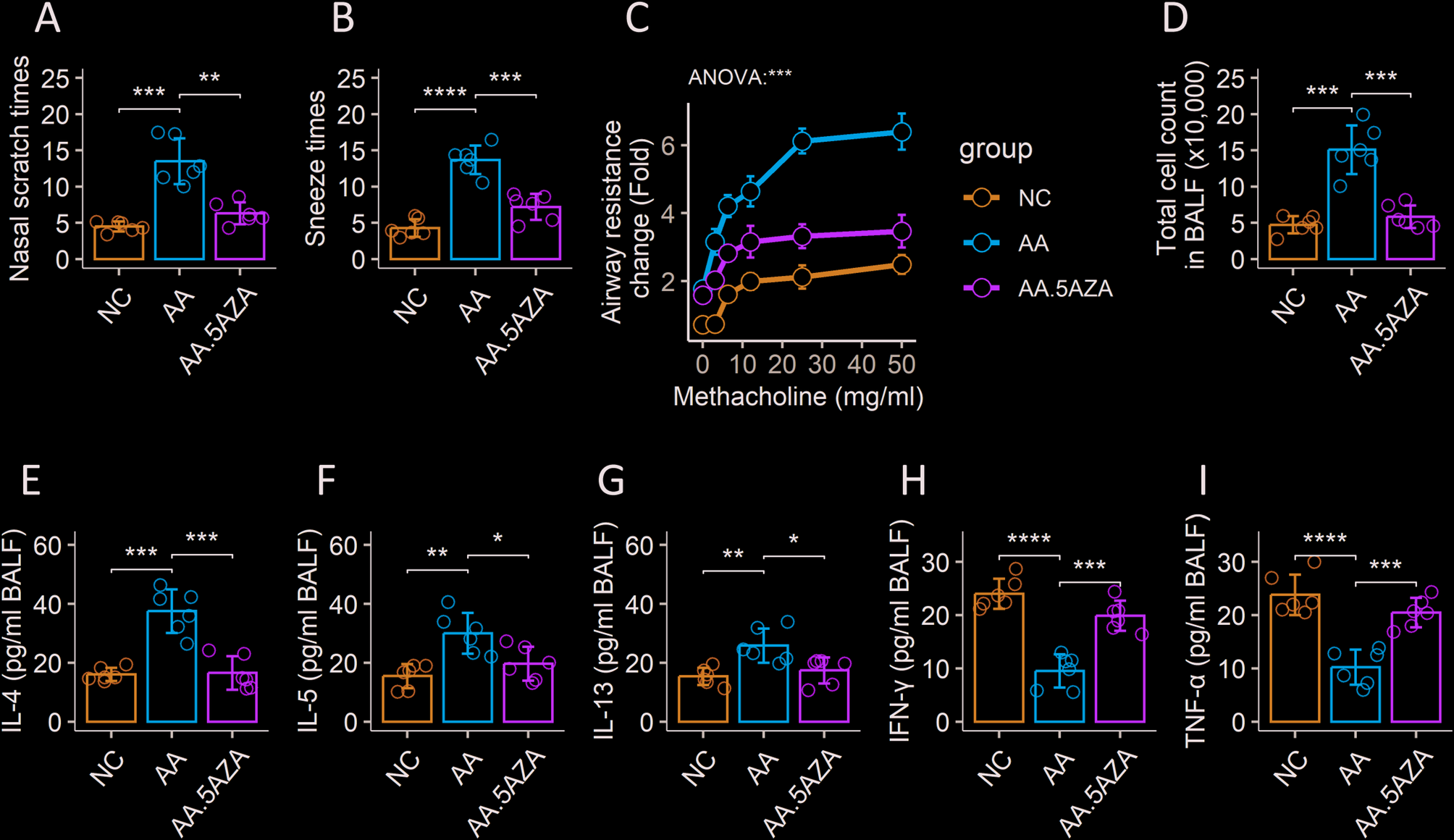
Cytokine levels (IL-4, IL-5, IL-13, IFN-γ, TNF-α) in bronchoalveolar lavage fluid (BALF) were measured using DuoSet ELISA kits (R&D Systems) according to the manufacturer’s instructions. Absorbance was read at 450 nm, and cytokine concentrations were calculated using standard curves.
Methylation-specific quantitative PCR (MS-qPCR)
Genomic DNA was extracted from DCs and bisulfite-converted using the EZ DNA Methylation-Lightning Kit (Zymo Research) to distinguish methylated from unmethylated cytosines. The methylation status of the Il12b promoter was analyzed by MS-qPCR using primers specific for methylated (MSP) or unmethylated (USP) sequences: MSP-F: 5’-TTGGGATTTTTCGCGATTC-3’, MSP-R: 5’-GAACCCGACGAACTCCG-3’; USP-F: 5’-TTGGGATTTTTTGTGATTTG-3’, USP-R: 5’-CAACCCCACAAACTCCA-3’. Reactions were performed with SYBR Green Master Mix (Bio-Rad) on a CFX96 Real-Time PCR System.
Flow cytometry
Lung immune profiling
Lung tissues were processed into single-cell suspensions, which were stained with fluorescently conjugated antibodies: CD11c (APC), MHC-II (PE-Cy7), Ly6G (FITC), Siglec-F (BV421), CD3 (PerCP), CD4 (AF700), and CD8 (PE) (all from BD Biosciences). Stained cells were acquired on a BD LSRFortessa™ flow cytometer, and data were analyzed using FlowJo software (v10).
Intracellular cytokine staining
DCs were stimulated with 50 ng/mL phorbol 12-myristate 13-acetate (PMA) and 1 µg/mL ionomycin for 4 h. Cells were then fixed and permeabilized using the Cytofix/Cytoperm Kit (BD Biosciences) and stained with antibodies against IL-12b (PE) or IL-12a (AF488) (BD Biosciences) for intracellular cytokine detection.
Histology
Lungs were inflated with 4% paraformaldehyde, fixed overnight, and embedded in paraffin. Paraffin blocks were sectioned into 5-µm slices, which were stained with hematoxylin and eosin (H&E) to assess tissue inflammation. Stained sections were imaged using a Leica DMi8 microscope, and histological changes were evaluated by a blinded pathologist.
Airway hyperresponsiveness (AHR)
AHR was measured using a flexiVent system (SCIREQ) to assess airway resistance. Mice were anesthetized, intubated, and exposed to aerosolized methacholine (0–50 mg/mL) for 3 min. Airway resistance was recorded continuously during and after methacholine exposure, and results were normalized to baseline values.
Co-culture experiments
DME-primed BMDCs were co-cultured with naïve CD4+ T cells (isolated from mouse spleens using MACS columns; Miltenyi Biotec) at a 1:5 (DC: T cell) ratio in RPMI-1640 medium supplemented with 10% FBS and antibiotics. After 72 h of co-culture, Il4 mRNA expression in CD4+ T cells was quantified by RT-qPCR to assess Th2 polarization.
Ubiquitination assays (Cross-ELISA)
BMDCs were treated with 50 ng/mL recombinant IL-12b (rIL-12b; BioLegend) in the presence or absence of 10 µM MG132 (a proteasome inhibitor; Sigma-Aldrich) for 6 h. Cells were lysed in RIPA buffer, and ubiquitinated TIM4 was detected using a cross-ELISA method. Briefly, plates were coated with an anti-TIM4 antibody (Ab1), and bound ubiquitinated TIM4 was detected with an anti-ubiquitin antibody (Ab2); protocols were adapted from Luo et al. [10] and otherwise consistent with standard ELISA procedures.
Chromatin immunoprecipitation (ChIP)
DCs were crosslinked with 1% formaldehyde for 10 min at room temperature, and crosslinking was quenched with 125 mM glycine. Cells were lysed, and chromatin was sheared by sonication to generate 200–500 bp fragments. Immunoprecipitation was performed overnight at 4 °C using antibodies against DNMT1 (Abcam), H3K4me3 (Cell Signaling Technology), or RNA polymerase II (RNA Pol II; Santa Cruz Biotechnology); normal IgG was used as a negative control. Immunoprecipitated DNA was purified and quantified by qPCR using primers targeting the Il12b promoter to assess enrichment of the target proteins.
Statistical analysis
All data are presented as the mean ± standard deviation (SD). Statistical comparisons between two groups were performed using Student’s t-test. For multiple groups, one-way analysis of variance (ANOVA) with Tukey’s post hoc test was used. Analyses were conducted using R (v4.5.1) software. Significance was defined as p < 0.05 (p < 0.05 = *, p < 0.01 = **, p < 0.001 = ***, p < 0.0001 = ****).
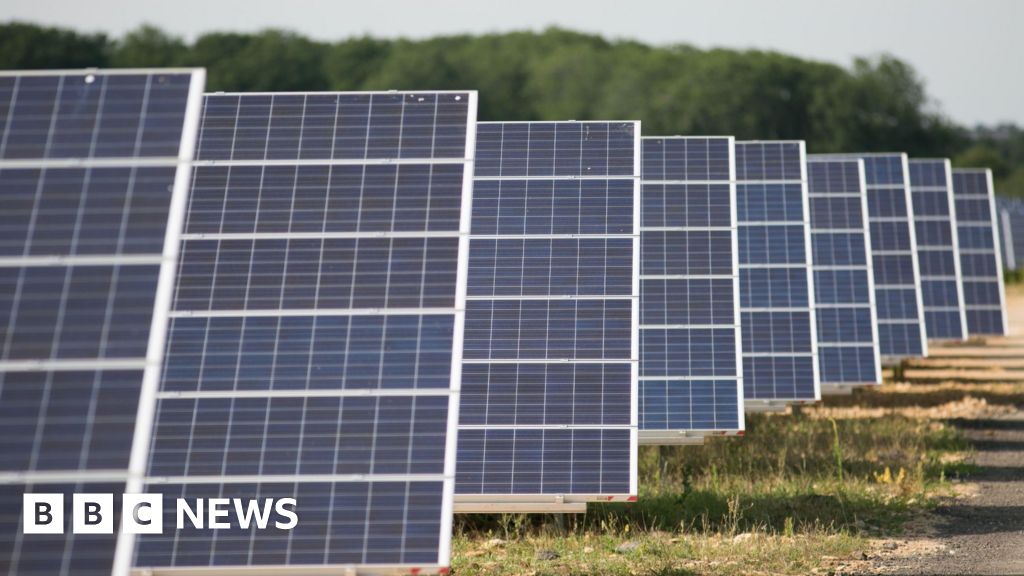
A fresh consultation has been launched into proposals for what, if approved, would be one of the UK’s largest solar energy schemes.
Energy developer Island Green Power wants to build the 500MW Light Valley Solar project, consisting of seven solar farms on a 2,520 acre (1,020 hectare) site, between York and Selby.
Annette Lardeur, senior project development manager, said this third consultation concerned changes to the plans which were “minor in nature” and would “improve safety and access”.
However, Louise Billingham, from campaign group Rooftops Not Countryside, said its members remained opposed to the plans due to the site’s “vast scale and inappropriate placement”.
Further land on the development would be used for underground cabling to connect the sites to the national grid at Monk Fryston substation, meanwhile a 500MW battery energy storage system (BESS) was also proposed.
Due to the size of the proposed development, which would be located between the villages of Escrick, Monk Fryston, Hambleton, Chapel Haddlesey and South Milford, the Light Valley Solar scheme has been declared a Nationally Significant Infrastructure Project.
That means planning permission will be decided by the national Planning Inspectorate, rather than North Yorkshire Council.
According to the Local Democracy Reporting Service, Ms Lardeur said she wanted to “encourage people to share their views” as part of the new consultation.
“The changes we are consulting on are minor in nature and have been introduced to improve safety and access if the scheme is consented,” she explained.
“As well as this, they aim to reduce the amount of construction traffic passing through villages. I encourage people to share their views.”
Ms Billingham said the campaign group, which had collected nearly 3,000 signatures against the plans, said if the solar farm went ahead, “our countryside will no longer be countryside, it will be a vast industrial estate”.
“This impromptu round of consultation is for Light Valley Solar to make changes that will remove established hedgerows, trees and nature and also build lay-bys and roads,” she said.
“They plan to build one million 4m high solar panels, numerous substations and BESS sites, as well as cable corridors, high-security fencing and CCTV across 13 miles of countryside between Monk Fryston and Escrick.”
The group had so far raised at least £2,000 through crowdfunding for the campaign against the plans, which would pay for banners and leaflets to raise awareness of the proposed solar farm, Ms Billingham added.
If approved, Light Valley would be bigger than what is currently the largest operational solar scheme, at Cleave Hill in Kent.
The scheme would provide enough power for 115,000 homes a year, according to Island Green Power.